
Mandelson Resigns Amid Revelations of Epstein Ties and Financial Policy Influence
In This Article
HIGHLIGHTS
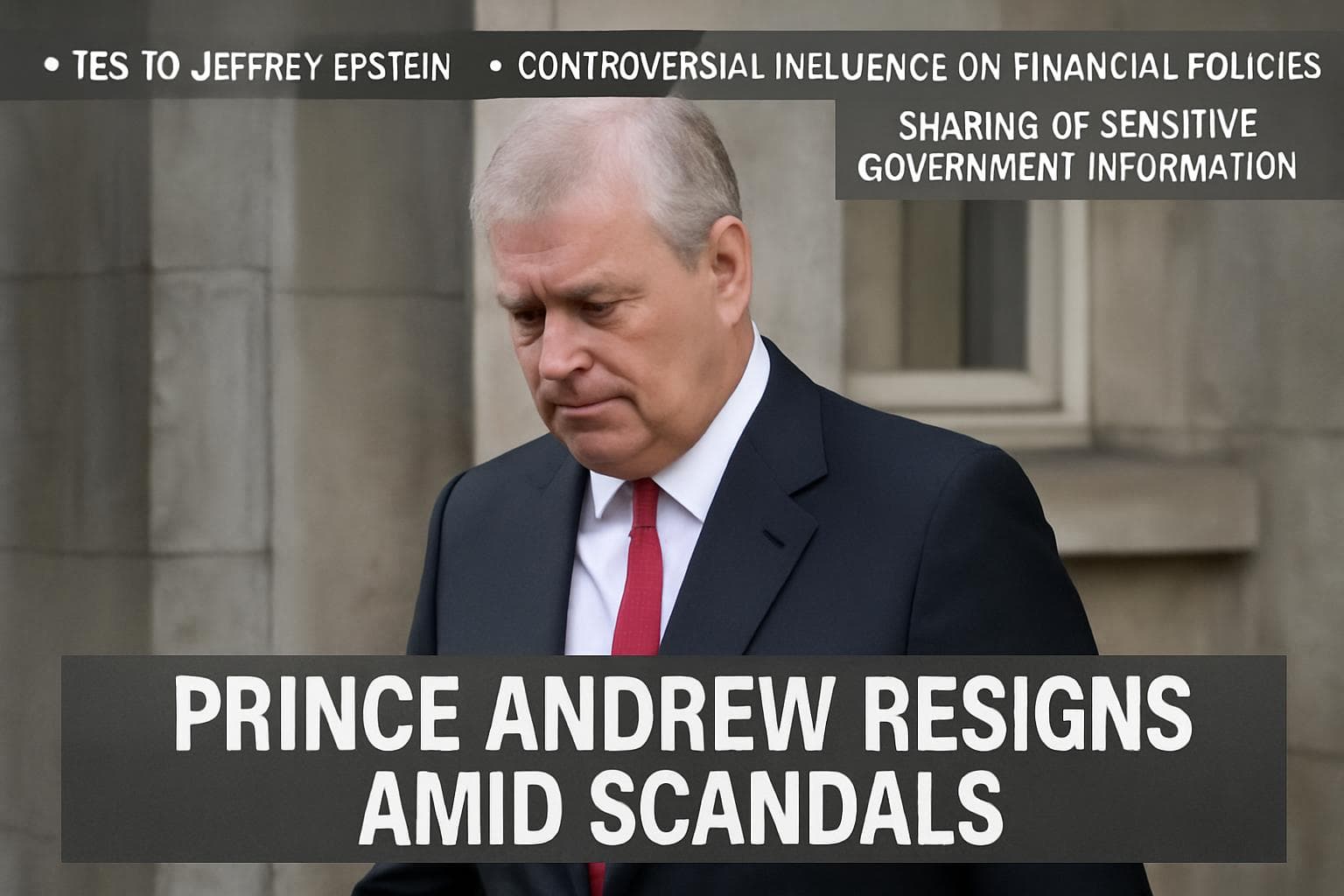
- Peter Mandelson resigned from the Labour Party due to his connections with Jeffrey Epstein, raising concerns over potential influence on UK financial policies.
- Mandelson allegedly advised Epstein on lobbying against a proposed tax on bankers' bonuses, suggesting JP Morgan's CEO threaten Chancellor Alistair Darling.
- Emails reveal Mandelson shared sensitive government information with Epstein during the global financial crisis, prompting an investigation by the cabinet secretary.
- Epstein reportedly transferred $75,000 to Mandelson or his husband, further complicating Mandelson's political standing.
- The UK government is conducting an urgent review of Mandelson's interactions with Epstein, reflecting the gravity of the situation.
Peter Mandelson, a prominent figure in the Labour Party and former business secretary under Prime Minister Gordon Brown, has resigned following the emergence of his connections with Jeffrey Epstein. The revelations have sparked a political storm, shedding light on the intricate web of influence surrounding UK financial policies during the global financial crisis.
Mandelson and Epstein: A Controversial Connection
The depth of Mandelson's relationship with Epstein, a convicted sex offender, has come under scrutiny. Documents reveal that Mandelson advised Epstein on how JP Morgan could lobby against a proposed tax on bankers' bonuses. In a series of emails, Mandelson suggested that JP Morgan's CEO, Jamie Dimon, should "mildly threaten" then-Chancellor Alistair Darling. This advice came amidst plans to impose a 50% tax on bankers' bonuses exceeding £25,000, a move that faced significant opposition from the banking sector.
Sharing Sensitive Information
Further complicating matters, Mandelson is accused of sharing confidential government information with Epstein. An email chain from June 2009, sent by Brown's special adviser Nick Butler, outlined potential policy measures and government assets. Mandelson forwarded this email to Epstein, prompting an investigation by the cabinet secretary into the disclosure of sensitive information.
Financial Transactions Under Scrutiny
Adding to the controversy, bank statements from the Epstein files indicate that Epstein transferred $75,000 to accounts linked to Mandelson or his husband between 2003 and 2004. Mandelson acknowledged these claims when announcing his resignation, intensifying the scrutiny surrounding his financial dealings.
Government Response and Investigation
In response to these revelations, the UK government has launched an urgent review of Mandelson's interactions with Epstein. Prime Minister Gordon Brown has called for a thorough investigation into the potential breach of trust and the implications for UK financial policies. As the investigation unfolds, the political and legal ramifications of Mandelson's actions continue to reverberate across the UK political landscape.
WHAT THIS MIGHT MEAN
The unfolding investigation into Peter Mandelson's ties with Jeffrey Epstein could have significant political and legal implications. If the review uncovers further breaches of trust or financial misconduct, it could lead to criminal charges and further damage to the Labour Party's reputation. Politically, this scandal may prompt a reevaluation of the influence of financial elites on government policy, potentially leading to stricter regulations and transparency measures. As the investigation progresses, it will be crucial to monitor how these developments impact public trust in government institutions and financial markets.
Related Articles

UK Government to Reform Asylum Seeker Support and Employment Policies

UK Faces Dilemmas Amid Iran Conflict and China Spying Allegations

UK Reinforces Military Presence in Cyprus Amid Middle East Tensions

Labour MP's Husband Arrested in UK-China Espionage Probe

UK-Iran Tensions: Starmer Defends Cautious Approach Amid Trump Criticism

Persistent Safety Concerns in Nottingham Maternity Services Amidst Calls for Systemic Reform
Mandelson Resigns Amid Revelations of Epstein Ties and Financial Policy Influence
In This Article
 Ethan Brooks| Published
 HIGHLIGHTS
- Peter Mandelson resigned from the Labour Party due to his connections with Jeffrey Epstein, raising concerns over potential influence on UK financial policies.
- Mandelson allegedly advised Epstein on lobbying against a proposed tax on bankers' bonuses, suggesting JP Morgan's CEO threaten Chancellor Alistair Darling.
- Emails reveal Mandelson shared sensitive government information with Epstein during the global financial crisis, prompting an investigation by the cabinet secretary.
- Epstein reportedly transferred $75,000 to Mandelson or his husband, further complicating Mandelson's political standing.
- The UK government is conducting an urgent review of Mandelson's interactions with Epstein, reflecting the gravity of the situation.
Peter Mandelson, a prominent figure in the Labour Party and former business secretary under Prime Minister Gordon Brown, has resigned following the emergence of his connections with Jeffrey Epstein. The revelations have sparked a political storm, shedding light on the intricate web of influence surrounding UK financial policies during the global financial crisis.
Mandelson and Epstein: A Controversial Connection
The depth of Mandelson's relationship with Epstein, a convicted sex offender, has come under scrutiny. Documents reveal that Mandelson advised Epstein on how JP Morgan could lobby against a proposed tax on bankers' bonuses. In a series of emails, Mandelson suggested that JP Morgan's CEO, Jamie Dimon, should "mildly threaten" then-Chancellor Alistair Darling. This advice came amidst plans to impose a 50% tax on bankers' bonuses exceeding £25,000, a move that faced significant opposition from the banking sector.
Sharing Sensitive Information
Further complicating matters, Mandelson is accused of sharing confidential government information with Epstein. An email chain from June 2009, sent by Brown's special adviser Nick Butler, outlined potential policy measures and government assets. Mandelson forwarded this email to Epstein, prompting an investigation by the cabinet secretary into the disclosure of sensitive information.
Financial Transactions Under Scrutiny
Adding to the controversy, bank statements from the Epstein files indicate that Epstein transferred $75,000 to accounts linked to Mandelson or his husband between 2003 and 2004. Mandelson acknowledged these claims when announcing his resignation, intensifying the scrutiny surrounding his financial dealings.
Government Response and Investigation
In response to these revelations, the UK government has launched an urgent review of Mandelson's interactions with Epstein. Prime Minister Gordon Brown has called for a thorough investigation into the potential breach of trust and the implications for UK financial policies. As the investigation unfolds, the political and legal ramifications of Mandelson's actions continue to reverberate across the UK political landscape.
WHAT THIS MIGHT MEAN
The unfolding investigation into Peter Mandelson's ties with Jeffrey Epstein could have significant political and legal implications. If the review uncovers further breaches of trust or financial misconduct, it could lead to criminal charges and further damage to the Labour Party's reputation. Politically, this scandal may prompt a reevaluation of the influence of financial elites on government policy, potentially leading to stricter regulations and transparency measures. As the investigation progresses, it will be crucial to monitor how these developments impact public trust in government institutions and financial markets.
Related Articles
UK Government to Reform Asylum Seeker Support and Employment Policies
UK Faces Dilemmas Amid Iran Conflict and China Spying Allegations
UK Reinforces Military Presence in Cyprus Amid Middle East Tensions
Labour MP's Husband Arrested in UK-China Espionage Probe
UK-Iran Tensions: Starmer Defends Cautious Approach Amid Trump Criticism
Persistent Safety Concerns in Nottingham Maternity Services Amidst Calls for Systemic Reform