
Mattel Unveils First Autistic Barbie to Promote Neurodivergent Representation
In This Article
HIGHLIGHTS
- Mattel has launched its first autistic Barbie doll, designed to represent neurodivergent children and promote autism awareness.
- The doll features elements like noise-cancelling headphones and a fidget spinner, reflecting experiences common to autistic individuals.
- The Autistic Self Advocacy Network collaborated with Mattel to ensure authentic representation in the doll's design.
- The National Autistic Society highlights the importance of diverse and accurate portrayals of autism in media and toys.
- This launch follows Mattel's recent efforts to diversify its Barbie range, including dolls with Down syndrome and type 1 diabetes.
Mattel has introduced its first autistic Barbie doll, a significant step towards enhancing representation for neurodivergent children in the toy industry. The new addition to the Barbie Fashionistas range aims to provide children with a more inclusive play experience, reflecting the diverse world they inhabit.
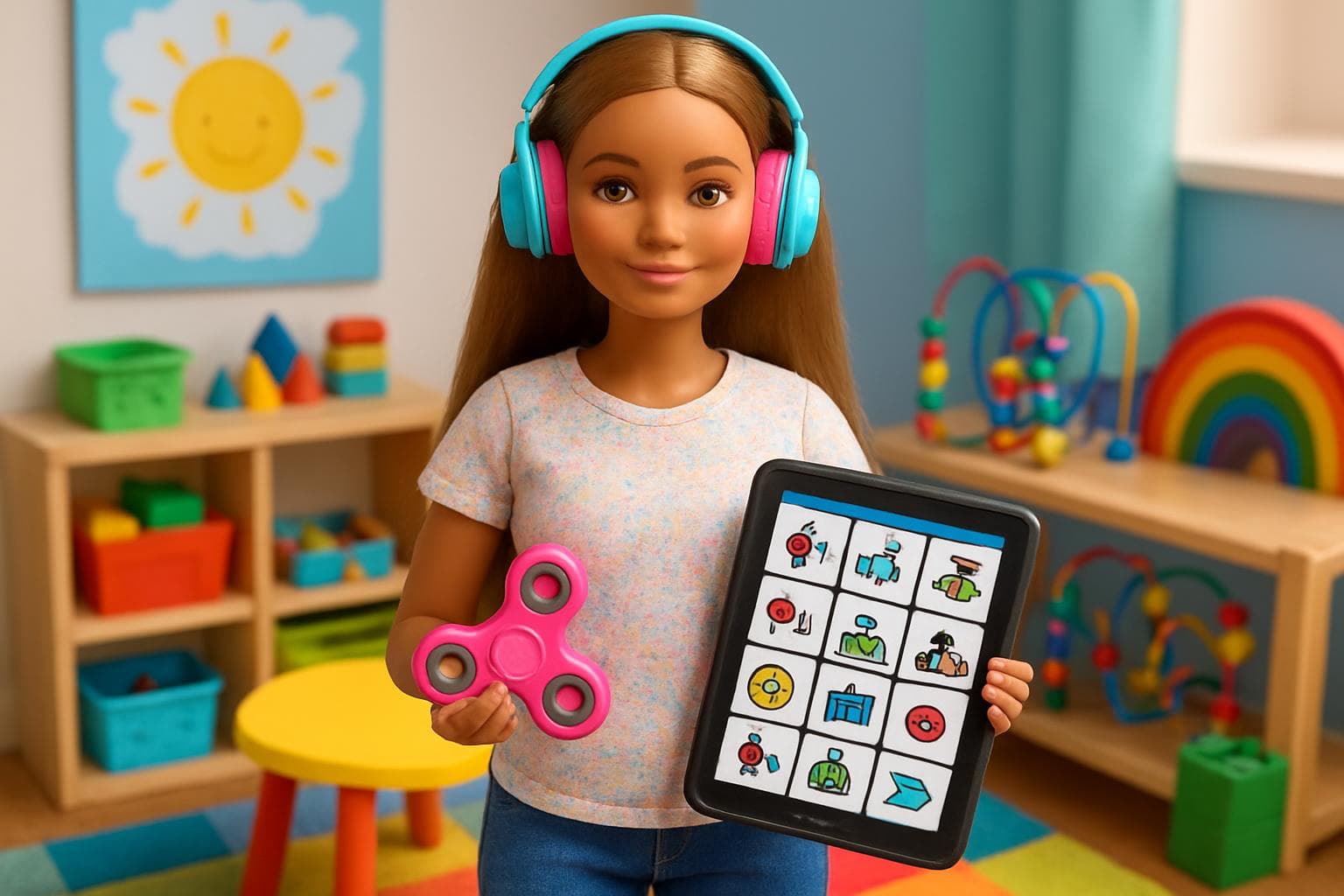
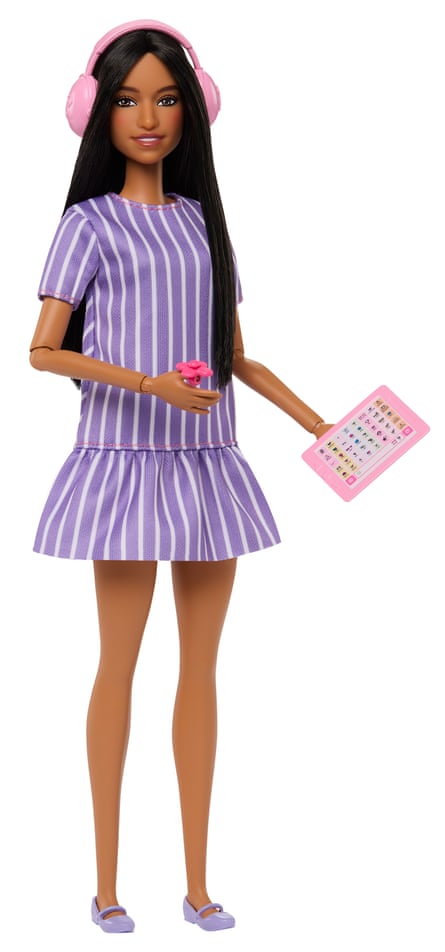
The autistic Barbie doll, developed in collaboration with the Autistic Self Advocacy Network, incorporates features that resonate with the experiences of autistic individuals. These include noise-cancelling headphones to mitigate sensory overload, a fidget spinner to aid focus, and a tablet with symbol-based communication tools. The doll's design also includes a sideward eye gaze, acknowledging the tendency of some autistic people to avoid direct eye contact.
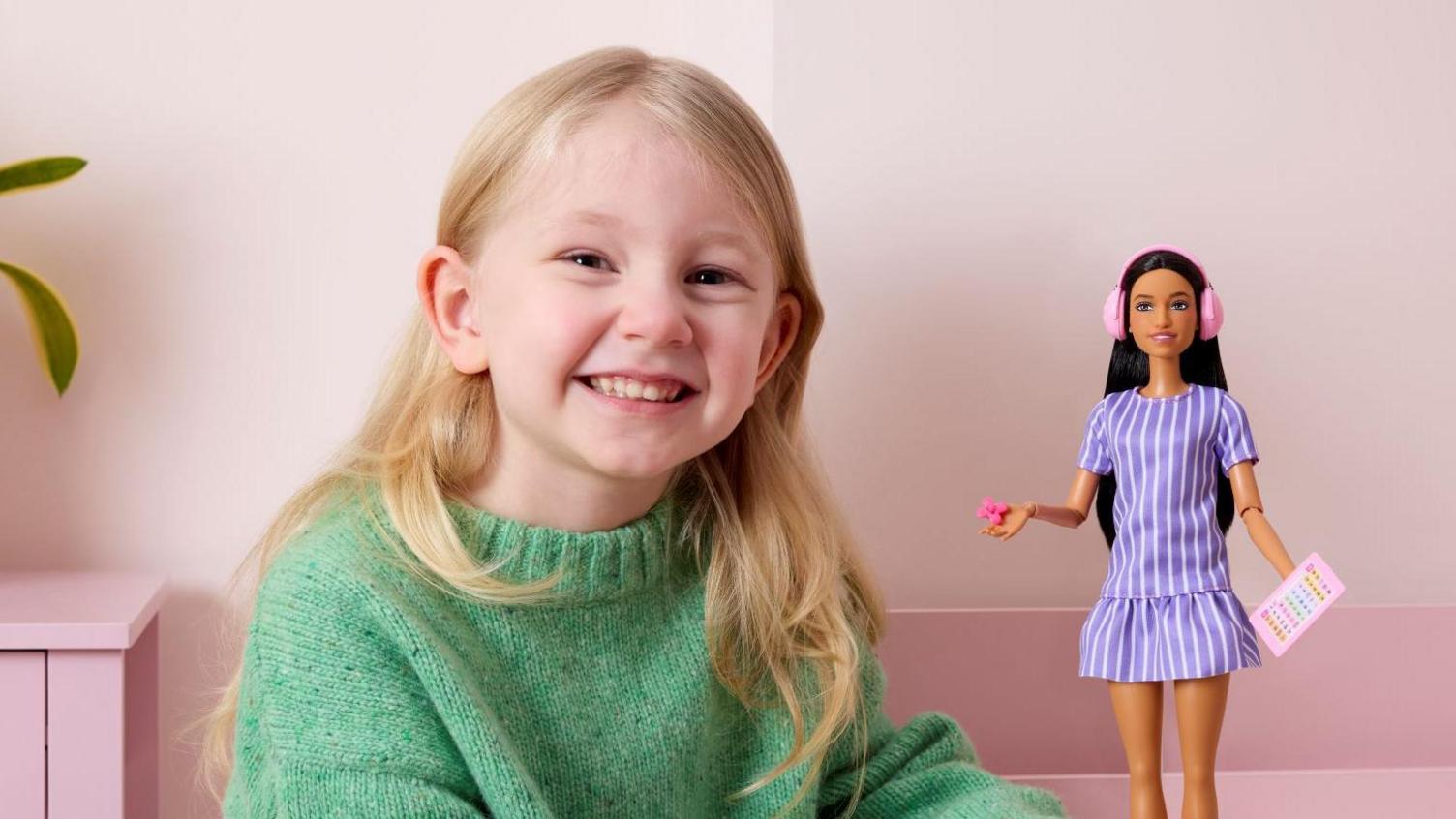
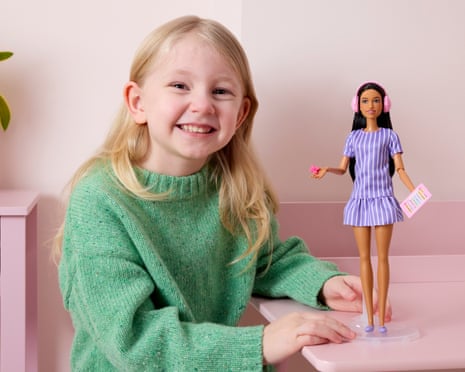
Tonya, a mother from Colchester, shared her daughter Penelope's excitement upon seeing the doll. Penelope, who is autistic, was involved in the research process, and her reaction was heartwarming. "She uses ear defenders, so to see that on a doll really made her feel special," Tonya remarked.
The National Autistic Society estimates that over 700,000 individuals in the UK are autistic, emphasizing the need for authentic representation. Peter Watt from the society noted, "Seeing more depictions of autism is key to understanding and autism acceptance."
Jamie Cygielman, Mattel's global head of dolls, emphasized the company's commitment to inclusion. "Barbie has always strived to reflect the world kids see and the possibilities they imagine," she stated. The autistic Barbie is part of Mattel's broader initiative to diversify its offerings, following the release of dolls with Down syndrome and type 1 diabetes.
Ellie Middleton, an autistic writer, praised the doll as a "powerful symbol" for young girls, highlighting its role in fostering acceptance and understanding of neurodivergence.
WHAT THIS MIGHT MEAN
The introduction of the autistic Barbie doll could pave the way for further inclusivity in the toy industry, encouraging other manufacturers to consider diverse representations in their products. As awareness of neurodivergence grows, toys like this Barbie may play a crucial role in normalizing and celebrating differences among children.
In the broader context, this development could influence public perceptions of autism, promoting greater understanding and acceptance. By engaging with the autistic community, Mattel sets a precedent for meaningful collaboration in product development, potentially inspiring similar partnerships across various sectors.
As Mattel continues to expand its diverse range, the impact of such initiatives on societal attitudes towards neurodivergence and disability will be an important area to watch.
Images from the Web

Mattel Unveils First Autistic Barbie to Promote Neurodivergent Representation
In This Article
 Aya Nakamura| Published
 HIGHLIGHTS
- Mattel has launched its first autistic Barbie doll, designed to represent neurodivergent children and promote autism awareness.
- The doll features elements like noise-cancelling headphones and a fidget spinner, reflecting experiences common to autistic individuals.
- The Autistic Self Advocacy Network collaborated with Mattel to ensure authentic representation in the doll's design.
- The National Autistic Society highlights the importance of diverse and accurate portrayals of autism in media and toys.
- This launch follows Mattel's recent efforts to diversify its Barbie range, including dolls with Down syndrome and type 1 diabetes.
Mattel has introduced its first autistic Barbie doll, a significant step towards enhancing representation for neurodivergent children in the toy industry. The new addition to the Barbie Fashionistas range aims to provide children with a more inclusive play experience, reflecting the diverse world they inhabit.
The autistic Barbie doll, developed in collaboration with the Autistic Self Advocacy Network, incorporates features that resonate with the experiences of autistic individuals. These include noise-cancelling headphones to mitigate sensory overload, a fidget spinner to aid focus, and a tablet with symbol-based communication tools. The doll's design also includes a sideward eye gaze, acknowledging the tendency of some autistic people to avoid direct eye contact.
Tonya, a mother from Colchester, shared her daughter Penelope's excitement upon seeing the doll. Penelope, who is autistic, was involved in the research process, and her reaction was heartwarming. "She uses ear defenders, so to see that on a doll really made her feel special," Tonya remarked.
The National Autistic Society estimates that over 700,000 individuals in the UK are autistic, emphasizing the need for authentic representation. Peter Watt from the society noted, "Seeing more depictions of autism is key to understanding and autism acceptance."
Jamie Cygielman, Mattel's global head of dolls, emphasized the company's commitment to inclusion. "Barbie has always strived to reflect the world kids see and the possibilities they imagine," she stated. The autistic Barbie is part of Mattel's broader initiative to diversify its offerings, following the release of dolls with Down syndrome and type 1 diabetes.
Ellie Middleton, an autistic writer, praised the doll as a "powerful symbol" for young girls, highlighting its role in fostering acceptance and understanding of neurodivergence.
WHAT THIS MIGHT MEAN
The introduction of the autistic Barbie doll could pave the way for further inclusivity in the toy industry, encouraging other manufacturers to consider diverse representations in their products. As awareness of neurodivergence grows, toys like this Barbie may play a crucial role in normalizing and celebrating differences among children.
In the broader context, this development could influence public perceptions of autism, promoting greater understanding and acceptance. By engaging with the autistic community, Mattel sets a precedent for meaningful collaboration in product development, potentially inspiring similar partnerships across various sectors.
As Mattel continues to expand its diverse range, the impact of such initiatives on societal attitudes towards neurodivergence and disability will be an important area to watch.
Images from the Web