
Metropolitan Police Defends Use of Facial Recognition at Notting Hill Carnival Amidst Criticism
In This Article
HIGHLIGHTS
- The Metropolitan Police plans to use Live Facial Recognition (LFR) at the Notting Hill Carnival, despite criticism from civil liberty groups.
- Commissioner Sir Mark Rowley asserts that the technology will be used non-discriminatorily, with improved algorithms to ensure accuracy.
- Critics argue that LFR has a history of racial bias and lacks a robust legal framework, raising concerns about civil liberties.
- The technology aims to enhance public safety by identifying individuals on watch lists, amidst concerns of serious crimes at the event.
- A legal challenge is underway by Shaun Thompson, who claims he was wrongly identified by LFR, highlighting potential flaws in the system.
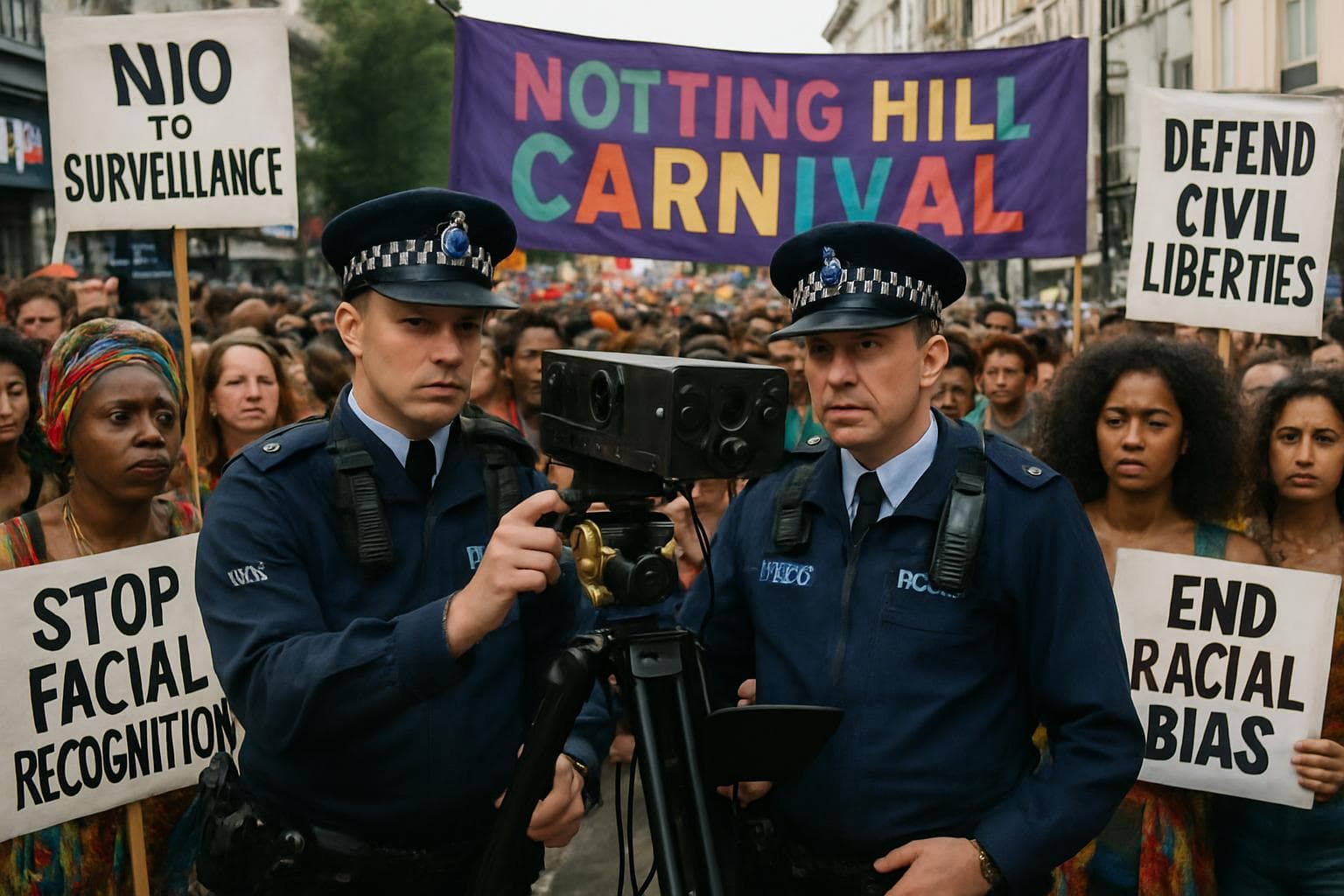
The Metropolitan Police's decision to deploy Live Facial Recognition (LFR) technology at the upcoming Notting Hill Carnival has sparked a heated debate over privacy and racial bias. Commissioner Sir Mark Rowley has defended the use of LFR, emphasizing its role in maintaining public safety during one of Europe's largest street festivals.
Public Safety vs. Civil Liberties
Sir Mark Rowley has stated that the LFR technology will be employed in a "non-discriminatory way," utilizing an advanced algorithm designed to minimize bias. The decision comes in response to a letter from 11 civil liberty and anti-racism organizations, including Liberty and the Runnymede Trust, which criticized the technology's deployment at an event celebrating the African-Caribbean community. These groups argue that LFR treats attendees as potential suspects and could exacerbate racial discrimination concerns.
Technological Improvements and Legal Context
The Met Police has acknowledged past shortcomings in LFR's deployment at the carnival in 2016 and 2017, where the technology failed to build public confidence. However, Sir Mark highlighted significant advancements in the algorithm's accuracy and performance. He assured that the technology would not be used within the carnival's main area and that safeguards are in place to prevent discriminatory practices. The commissioner also referenced the Equality Act 2010 and other legal frameworks that govern the use of such technology.
Concerns Over Racial Bias and Legal Challenges
Despite assurances, critics remain skeptical. They point to a lack of a comprehensive legal framework and the potential for racial bias, particularly against ethnic minorities and women. A legal challenge has been initiated by Shaun Thompson, a Black British man who claims he was wrongly identified by LFR and detained by police. This case underscores ongoing concerns about the technology's reliability and the potential for civil rights infringements.
A Broader Strategy for Safety
The Met Police maintains that LFR is part of a broader strategy to deter and disrupt criminal activities at the carnival, where over 300 arrests were made last year for serious offences, including homicide and possession of weapons. Sir Mark emphasized the importance of using all available tools to ensure the safety of the estimated two million attendees.
WHAT THIS MIGHT MEAN
As the Notting Hill Carnival approaches, the use of Live Facial Recognition technology remains a contentious issue. Should the technology prove effective and unbiased, it could pave the way for broader acceptance and deployment in public safety operations. However, if concerns about racial bias and wrongful identification persist, it may lead to increased scrutiny and calls for stricter regulations or even a ban on LFR. The outcome of Shaun Thompson's legal challenge could also set a significant precedent, influencing future use and oversight of facial recognition technology by law enforcement agencies.
Related Articles
UK Police Intensify Investigation into Andrew Mountbatten-Windsor Amid Misconduct Allegations
Prince Andrew's Arrest Raises Questions About Royal Succession and Monarchy's Future
High Court Upholds Met Police's Freemasons Disclosure Policy
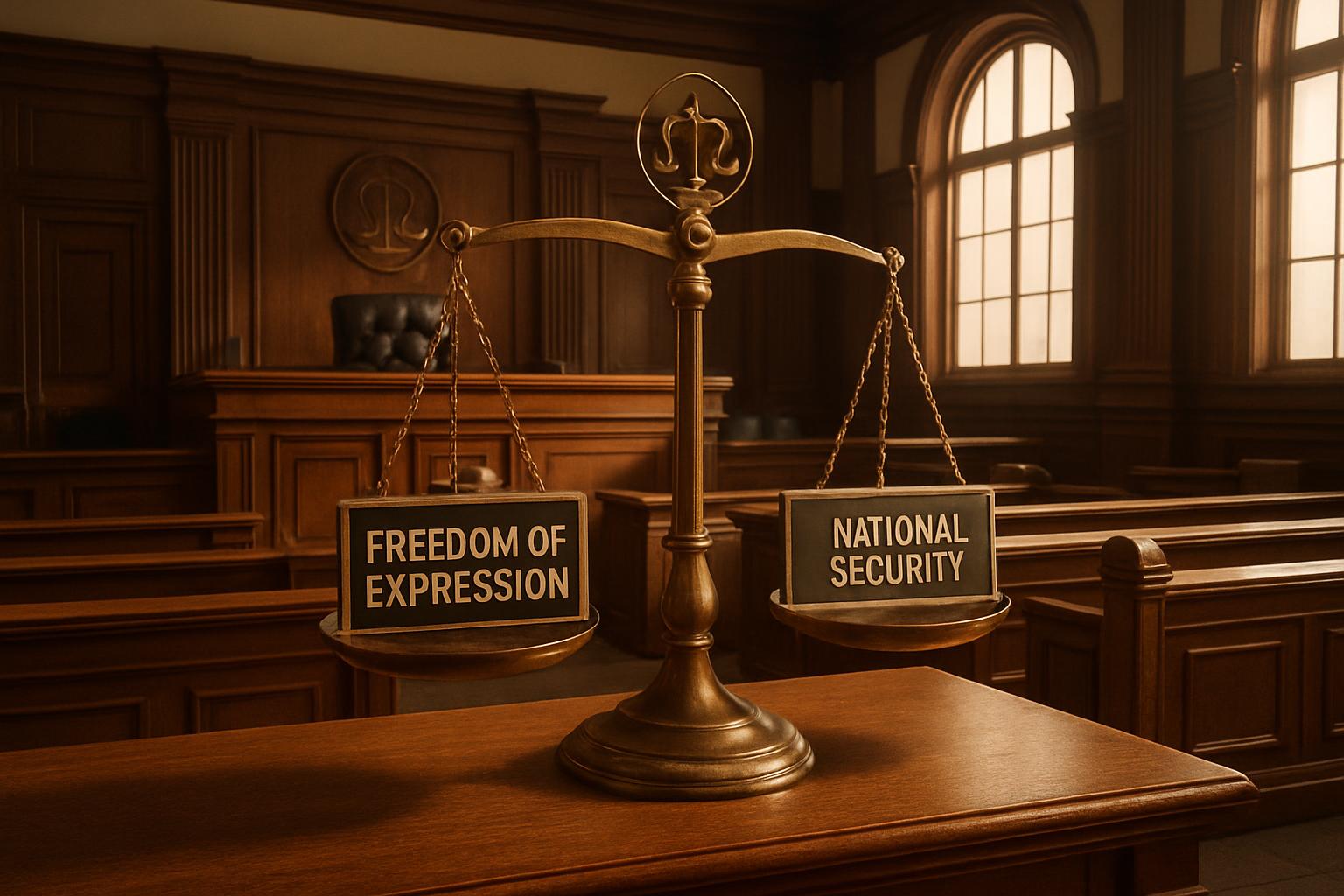
High Court Rules Palestine Action Ban Unlawful, Government to Appeal
Mountbatten-Windsor Under Scrutiny Amid Epstein Scandal Allegations
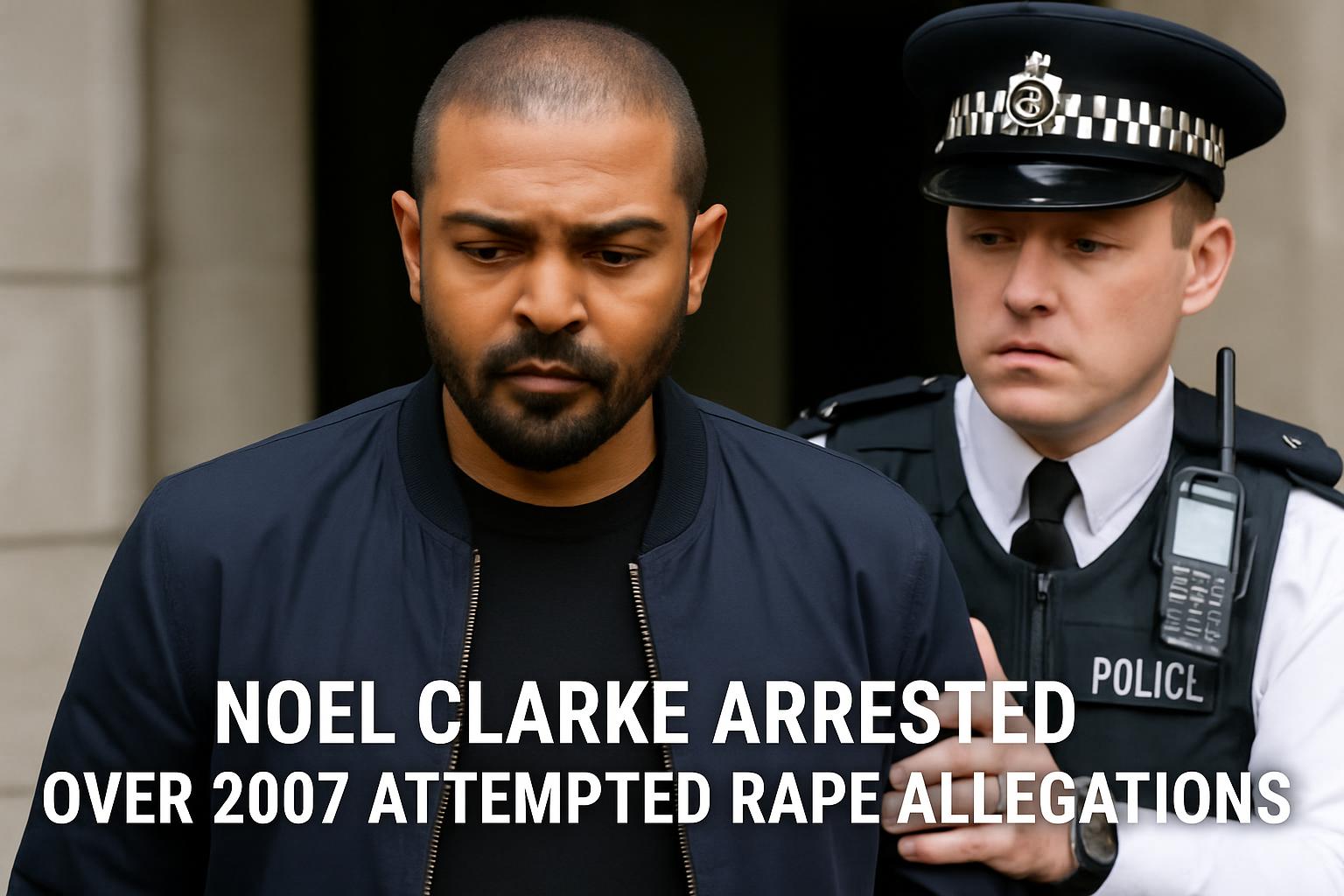
Noel Clarke Arrested Over 2007 Attempted Rape Allegation
Metropolitan Police Defends Use of Facial Recognition at Notting Hill Carnival Amidst Criticism
In This Article
 Sofia Romano| Published
 HIGHLIGHTS
- The Metropolitan Police plans to use Live Facial Recognition (LFR) at the Notting Hill Carnival, despite criticism from civil liberty groups.
- Commissioner Sir Mark Rowley asserts that the technology will be used non-discriminatorily, with improved algorithms to ensure accuracy.
- Critics argue that LFR has a history of racial bias and lacks a robust legal framework, raising concerns about civil liberties.
- The technology aims to enhance public safety by identifying individuals on watch lists, amidst concerns of serious crimes at the event.
- A legal challenge is underway by Shaun Thompson, who claims he was wrongly identified by LFR, highlighting potential flaws in the system.
The Metropolitan Police's decision to deploy Live Facial Recognition (LFR) technology at the upcoming Notting Hill Carnival has sparked a heated debate over privacy and racial bias. Commissioner Sir Mark Rowley has defended the use of LFR, emphasizing its role in maintaining public safety during one of Europe's largest street festivals.
Public Safety vs. Civil Liberties
Sir Mark Rowley has stated that the LFR technology will be employed in a "non-discriminatory way," utilizing an advanced algorithm designed to minimize bias. The decision comes in response to a letter from 11 civil liberty and anti-racism organizations, including Liberty and the Runnymede Trust, which criticized the technology's deployment at an event celebrating the African-Caribbean community. These groups argue that LFR treats attendees as potential suspects and could exacerbate racial discrimination concerns.
Technological Improvements and Legal Context
The Met Police has acknowledged past shortcomings in LFR's deployment at the carnival in 2016 and 2017, where the technology failed to build public confidence. However, Sir Mark highlighted significant advancements in the algorithm's accuracy and performance. He assured that the technology would not be used within the carnival's main area and that safeguards are in place to prevent discriminatory practices. The commissioner also referenced the Equality Act 2010 and other legal frameworks that govern the use of such technology.
Concerns Over Racial Bias and Legal Challenges
Despite assurances, critics remain skeptical. They point to a lack of a comprehensive legal framework and the potential for racial bias, particularly against ethnic minorities and women. A legal challenge has been initiated by Shaun Thompson, a Black British man who claims he was wrongly identified by LFR and detained by police. This case underscores ongoing concerns about the technology's reliability and the potential for civil rights infringements.
A Broader Strategy for Safety
The Met Police maintains that LFR is part of a broader strategy to deter and disrupt criminal activities at the carnival, where over 300 arrests were made last year for serious offences, including homicide and possession of weapons. Sir Mark emphasized the importance of using all available tools to ensure the safety of the estimated two million attendees.
WHAT THIS MIGHT MEAN
As the Notting Hill Carnival approaches, the use of Live Facial Recognition technology remains a contentious issue. Should the technology prove effective and unbiased, it could pave the way for broader acceptance and deployment in public safety operations. However, if concerns about racial bias and wrongful identification persist, it may lead to increased scrutiny and calls for stricter regulations or even a ban on LFR. The outcome of Shaun Thompson's legal challenge could also set a significant precedent, influencing future use and oversight of facial recognition technology by law enforcement agencies.
Related Articles
UK Police Intensify Investigation into Andrew Mountbatten-Windsor Amid Misconduct Allegations
Prince Andrew's Arrest Raises Questions About Royal Succession and Monarchy's Future
High Court Upholds Met Police's Freemasons Disclosure Policy
High Court Rules Palestine Action Ban Unlawful, Government to Appeal
Mountbatten-Windsor Under Scrutiny Amid Epstein Scandal Allegations
Noel Clarke Arrested Over 2007 Attempted Rape Allegation