
Met Police Officers Required to Declare Freemason Membership Amid Corruption Concerns
In This Article
HIGHLIGHTS
- Metropolitan Police officers must now declare any current or past membership in the Freemasons to their superiors.
- The decision follows recommendations from the Daniel Morgan Independent Panel report, which highlighted concerns over police corruption linked to Freemasonry.
- A survey revealed that two-thirds of Met officers believe such memberships affect public perception of police impartiality.
- The United Grand Lodge of England criticized the policy as "unlawful" and is considering legal action.
- The Met's decision aims to enhance public trust and address longstanding concerns about transparency and accountability.
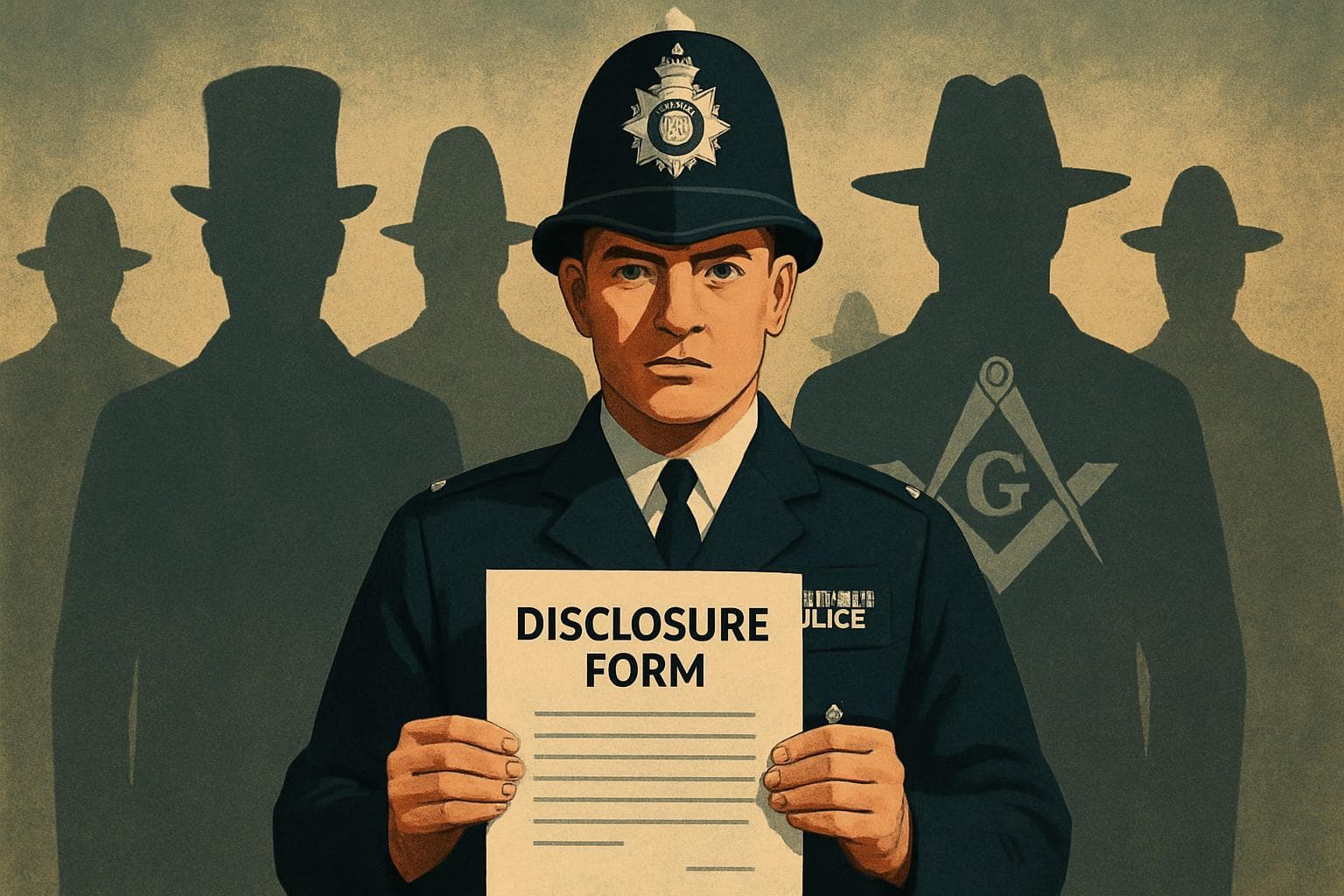
In a significant move to bolster public trust, the Metropolitan Police has mandated that its officers disclose any current or past membership in the Freemasons. This decision comes in response to longstanding concerns about potential corruption linked to the secretive fraternal organization, as highlighted in the Daniel Morgan Independent Panel report.
Background and Decision
The Met's new policy requires officers to declare affiliations with any "hierarchical organisations" that promote mutual support among members. This change was prompted by the 2021 report on the unsolved 1987 murder of private detective Daniel Morgan, which pointed to Freemasonry as a recurring source of suspicion in the investigation. Despite multiple inquiries, allegations of police corruption have persisted, with the report noting that several officers involved were Freemasons.
Public Perception and Internal Survey
A recent survey conducted within the force revealed that two-thirds of officers believe membership in such organizations affects public perception of police impartiality. Commander Simon Messinger emphasized that public and staff confidence must take precedence over the secrecy of any membership organization. "Now is the right time to address longstanding concerns," he stated, underscoring the importance of transparency.
Response from Freemasons
The United Grand Lodge of England (UGLE), the governing body of Freemasonry in England and Wales, has expressed strong opposition to the policy, labeling it "unlawful, disproportionate, unfair, and discriminatory." Adrian Marsh, representing the Order of Women Freemasons, echoed these sentiments, indicating that the organization is considering an appropriate response.
Historical Context and Implications
Freemasonry, with its roots in medieval stonemasons' guilds, has long been associated with secrecy and mutual support among its members. The organization has faced scrutiny over allegations that its principles may conflict with the impartiality expected of police officers. Despite the controversy, the Met's decision does not prohibit officers from joining the Freemasons or similar groups.
WHAT THIS MIGHT MEAN
The Metropolitan Police's decision to require disclosure of Freemason membership could have significant implications for the force's relationship with the public and its internal culture. By prioritizing transparency, the Met aims to rebuild trust and address perceptions of bias and corruption. However, the policy may face legal challenges from the Freemasons, potentially leading to a broader debate on the balance between individual rights and public accountability.
If the policy withstands legal scrutiny, it could set a precedent for other police forces and public institutions grappling with similar issues. Experts suggest that the move could encourage greater openness and accountability within the police, ultimately enhancing public confidence in law enforcement. However, the outcome of any legal action by the Freemasons remains to be seen, and its resolution will likely influence the future of such policies.
Related Articles
High Court Upholds Met Police's Freemasons Disclosure Policy
UK Police Intensify Investigation into Andrew Mountbatten-Windsor Amid Misconduct Allegations
Prince Andrew's Arrest Raises Questions About Royal Succession and Monarchy's Future
High Court Rules Palestine Action Ban Unlawful, Government to Appeal
Mountbatten-Windsor Under Scrutiny Amid Epstein Scandal Allegations
Noel Clarke Arrested Over 2007 Attempted Rape Allegation
Met Police Officers Required to Declare Freemason Membership Amid Corruption Concerns
In This Article
 Sofia Romano| Published
 HIGHLIGHTS
- Metropolitan Police officers must now declare any current or past membership in the Freemasons to their superiors.
- The decision follows recommendations from the Daniel Morgan Independent Panel report, which highlighted concerns over police corruption linked to Freemasonry.
- A survey revealed that two-thirds of Met officers believe such memberships affect public perception of police impartiality.
- The United Grand Lodge of England criticized the policy as "unlawful" and is considering legal action.
- The Met's decision aims to enhance public trust and address longstanding concerns about transparency and accountability.
In a significant move to bolster public trust, the Metropolitan Police has mandated that its officers disclose any current or past membership in the Freemasons. This decision comes in response to longstanding concerns about potential corruption linked to the secretive fraternal organization, as highlighted in the Daniel Morgan Independent Panel report.
Background and Decision
The Met's new policy requires officers to declare affiliations with any "hierarchical organisations" that promote mutual support among members. This change was prompted by the 2021 report on the unsolved 1987 murder of private detective Daniel Morgan, which pointed to Freemasonry as a recurring source of suspicion in the investigation. Despite multiple inquiries, allegations of police corruption have persisted, with the report noting that several officers involved were Freemasons.
Public Perception and Internal Survey
A recent survey conducted within the force revealed that two-thirds of officers believe membership in such organizations affects public perception of police impartiality. Commander Simon Messinger emphasized that public and staff confidence must take precedence over the secrecy of any membership organization. "Now is the right time to address longstanding concerns," he stated, underscoring the importance of transparency.
Response from Freemasons
The United Grand Lodge of England (UGLE), the governing body of Freemasonry in England and Wales, has expressed strong opposition to the policy, labeling it "unlawful, disproportionate, unfair, and discriminatory." Adrian Marsh, representing the Order of Women Freemasons, echoed these sentiments, indicating that the organization is considering an appropriate response.
Historical Context and Implications
Freemasonry, with its roots in medieval stonemasons' guilds, has long been associated with secrecy and mutual support among its members. The organization has faced scrutiny over allegations that its principles may conflict with the impartiality expected of police officers. Despite the controversy, the Met's decision does not prohibit officers from joining the Freemasons or similar groups.
WHAT THIS MIGHT MEAN
The Metropolitan Police's decision to require disclosure of Freemason membership could have significant implications for the force's relationship with the public and its internal culture. By prioritizing transparency, the Met aims to rebuild trust and address perceptions of bias and corruption. However, the policy may face legal challenges from the Freemasons, potentially leading to a broader debate on the balance between individual rights and public accountability.
If the policy withstands legal scrutiny, it could set a precedent for other police forces and public institutions grappling with similar issues. Experts suggest that the move could encourage greater openness and accountability within the police, ultimately enhancing public confidence in law enforcement. However, the outcome of any legal action by the Freemasons remains to be seen, and its resolution will likely influence the future of such policies.
Related Articles
High Court Upholds Met Police's Freemasons Disclosure Policy
UK Police Intensify Investigation into Andrew Mountbatten-Windsor Amid Misconduct Allegations
Prince Andrew's Arrest Raises Questions About Royal Succession and Monarchy's Future
High Court Rules Palestine Action Ban Unlawful, Government to Appeal
Mountbatten-Windsor Under Scrutiny Amid Epstein Scandal Allegations
Noel Clarke Arrested Over 2007 Attempted Rape Allegation