
MPs Demand Clarity Over Controversial Ban on Maccabi Tel Aviv Fans
In This Article
HIGHLIGHTS
- MPs have requested more information from West Midlands Police regarding the ban on Maccabi Tel Aviv fans at an Aston Villa match.
- The Home Affairs Committee is expected to recall police officials to clarify misleading evidence presented about the ban.
- Intelligence errors cited by police included incorrect claims about Jewish community support and past incidents involving Maccabi fans.
- The decision to ban fans was criticized by Prime Minister Keir Starmer and is under investigation by HM Inspectorate of Constabulary.
- The UK Football Policing Unit reviewed the ban decision and found no issues, despite widespread criticism.
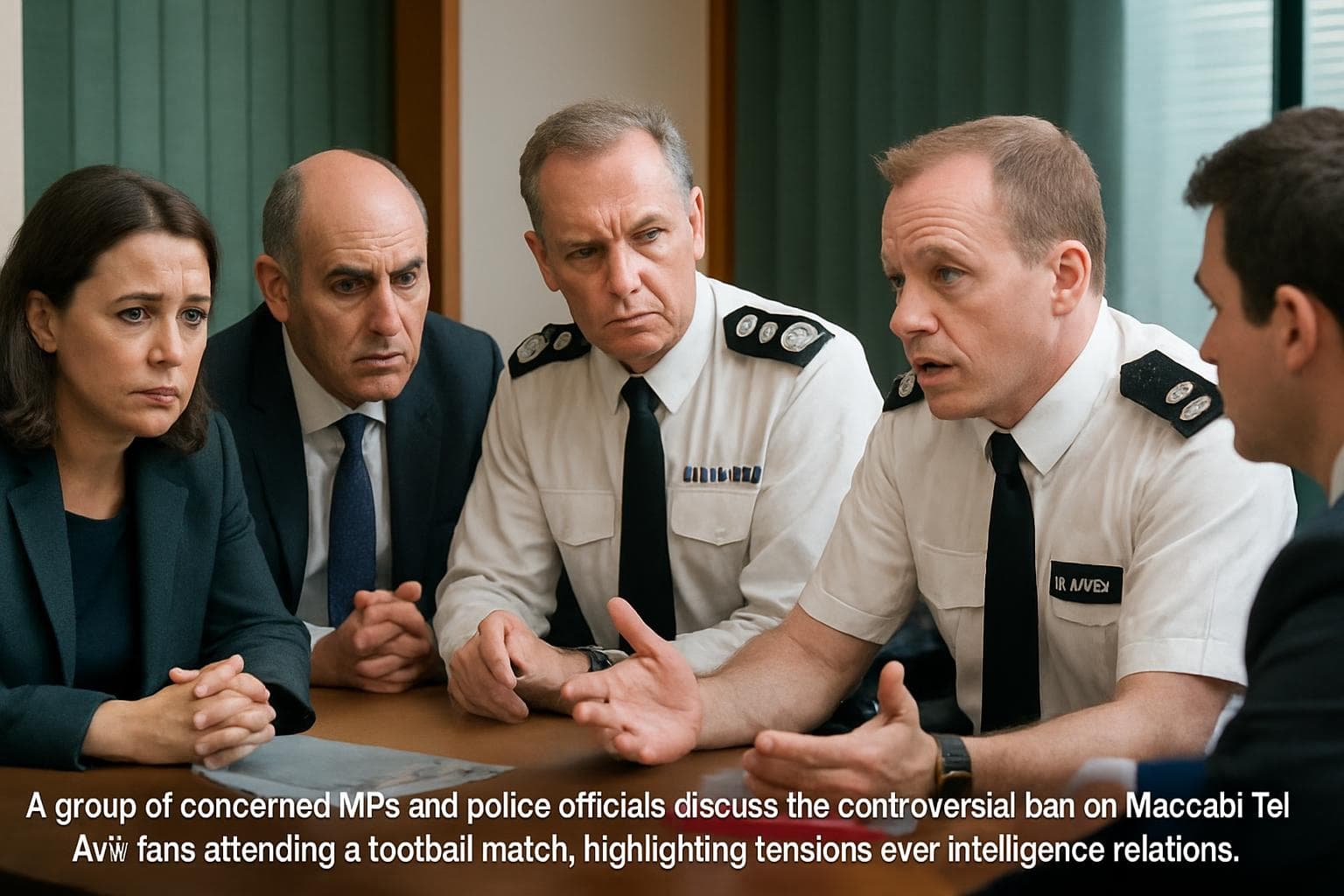
The decision to ban Maccabi Tel Aviv fans from attending a Europa League match against Aston Villa has come under intense scrutiny, with MPs demanding further clarification from West Midlands Police. The Home Affairs Committee has expressed concerns over misleading evidence provided by police officials, prompting expectations for a recall of key figures to address the inaccuracies.
Background and Initial Decision
The controversy began when West Midlands Police advised a public safety committee in Birmingham to prohibit Maccabi Tel Aviv supporters from attending the match on November 6, citing intelligence that suggested potential trouble. This decision was made in the aftermath of a terrorist attack on a Manchester synagogue, heightening tensions in the region.
Intelligence and Misleading Evidence
The intelligence used to justify the ban has been questioned, with reports indicating that some of the information was inaccurate. Notably, police claimed that Jewish community members supported the ban, a statement later retracted. Additionally, references were made to a non-existent match involving Maccabi fans in the UK, further complicating the situation.
Political and Community Reactions
The ban has drawn criticism from various quarters, including Prime Minister Keir Starmer, who expressed his disapproval. Ruth Jacobs, chair of the Birmingham and West Midlands Jewish Community, voiced her horror at the suggestion that the community supported the exclusion of Israeli fans, stating it undermined trust in the police.
Ongoing Investigations and Future Steps
The Home Affairs Committee, chaired by Conservative MP Karen Bradley, is determined to pursue the matter, with a report expected to be critical of the police's actions. The UK Football Policing Unit reviewed the decision and found no issues, yet the Home Secretary has ordered an investigation by HM Inspectorate of Constabulary into the intelligence used.
WHAT THIS MIGHT MEAN
The ongoing scrutiny of West Midlands Police's decision could lead to significant changes in how intelligence is gathered and used in public safety decisions. If the investigation by HM Inspectorate of Constabulary finds substantial errors, it may prompt a reevaluation of protocols and accountability measures within police forces. Politically, the situation underscores the delicate balance between security concerns and community relations, particularly in regions with diverse populations. As the Home Affairs Committee continues its inquiry, the outcome could influence future legislative or procedural changes in handling similar events.
Related Articles
Government Criticized for Mishandling Maccabi Tel Aviv Fan Ban

UK Faces Dilemmas Amid Iran Conflict and China Spying Allegations
Labour MP's Husband Arrested in UK-China Espionage Probe

UK-Iran Tensions: Starmer Defends Cautious Approach Amid Trump Criticism

Diplomatic Tensions Rise as Trump Criticizes Starmer's Iran Policy

Birmingham's Proactive Approach to Measles Outbreak Offers Lessons for North London
MPs Demand Clarity Over Controversial Ban on Maccabi Tel Aviv Fans
In This Article
 Ethan Brooks| Published
 HIGHLIGHTS
- MPs have requested more information from West Midlands Police regarding the ban on Maccabi Tel Aviv fans at an Aston Villa match.
- The Home Affairs Committee is expected to recall police officials to clarify misleading evidence presented about the ban.
- Intelligence errors cited by police included incorrect claims about Jewish community support and past incidents involving Maccabi fans.
- The decision to ban fans was criticized by Prime Minister Keir Starmer and is under investigation by HM Inspectorate of Constabulary.
- The UK Football Policing Unit reviewed the ban decision and found no issues, despite widespread criticism.
The decision to ban Maccabi Tel Aviv fans from attending a Europa League match against Aston Villa has come under intense scrutiny, with MPs demanding further clarification from West Midlands Police. The Home Affairs Committee has expressed concerns over misleading evidence provided by police officials, prompting expectations for a recall of key figures to address the inaccuracies.
Background and Initial Decision
The controversy began when West Midlands Police advised a public safety committee in Birmingham to prohibit Maccabi Tel Aviv supporters from attending the match on November 6, citing intelligence that suggested potential trouble. This decision was made in the aftermath of a terrorist attack on a Manchester synagogue, heightening tensions in the region.
Intelligence and Misleading Evidence
The intelligence used to justify the ban has been questioned, with reports indicating that some of the information was inaccurate. Notably, police claimed that Jewish community members supported the ban, a statement later retracted. Additionally, references were made to a non-existent match involving Maccabi fans in the UK, further complicating the situation.
Political and Community Reactions
The ban has drawn criticism from various quarters, including Prime Minister Keir Starmer, who expressed his disapproval. Ruth Jacobs, chair of the Birmingham and West Midlands Jewish Community, voiced her horror at the suggestion that the community supported the exclusion of Israeli fans, stating it undermined trust in the police.
Ongoing Investigations and Future Steps
The Home Affairs Committee, chaired by Conservative MP Karen Bradley, is determined to pursue the matter, with a report expected to be critical of the police's actions. The UK Football Policing Unit reviewed the decision and found no issues, yet the Home Secretary has ordered an investigation by HM Inspectorate of Constabulary into the intelligence used.
WHAT THIS MIGHT MEAN
The ongoing scrutiny of West Midlands Police's decision could lead to significant changes in how intelligence is gathered and used in public safety decisions. If the investigation by HM Inspectorate of Constabulary finds substantial errors, it may prompt a reevaluation of protocols and accountability measures within police forces. Politically, the situation underscores the delicate balance between security concerns and community relations, particularly in regions with diverse populations. As the Home Affairs Committee continues its inquiry, the outcome could influence future legislative or procedural changes in handling similar events.
Related Articles
Government Criticized for Mishandling Maccabi Tel Aviv Fan Ban
UK Faces Dilemmas Amid Iran Conflict and China Spying Allegations
Labour MP's Husband Arrested in UK-China Espionage Probe
UK-Iran Tensions: Starmer Defends Cautious Approach Amid Trump Criticism
Diplomatic Tensions Rise as Trump Criticizes Starmer's Iran Policy
Birmingham's Proactive Approach to Measles Outbreak Offers Lessons for North London