
Nadhim Zahawi's Defection to Reform UK Sparks Debate on Political Opportunism
In This Article
HIGHLIGHTS
- Nadhim Zahawi, a former Conservative minister, has defected to Reform UK, citing the need for a "glorious revolution" amid a "dark and dangerous" moment in the UK.
- Zahawi's move makes him the most senior ex-Conservative to join Reform UK, a party led by Nigel Farage that is gaining traction in polls.
- Zahawi's past includes a controversial resignation as Chancellor in 2022 after a tax investigation, raising questions about his political motivations.
- Reform UK's strategy of recruiting former Tory MPs risks transforming it into a "Conservative Party 2.0," potentially diluting its appeal as an alternative.
- The Conservative Party claims Zahawi recently sought a peerage, which was denied due to his previous tax-related controversies.
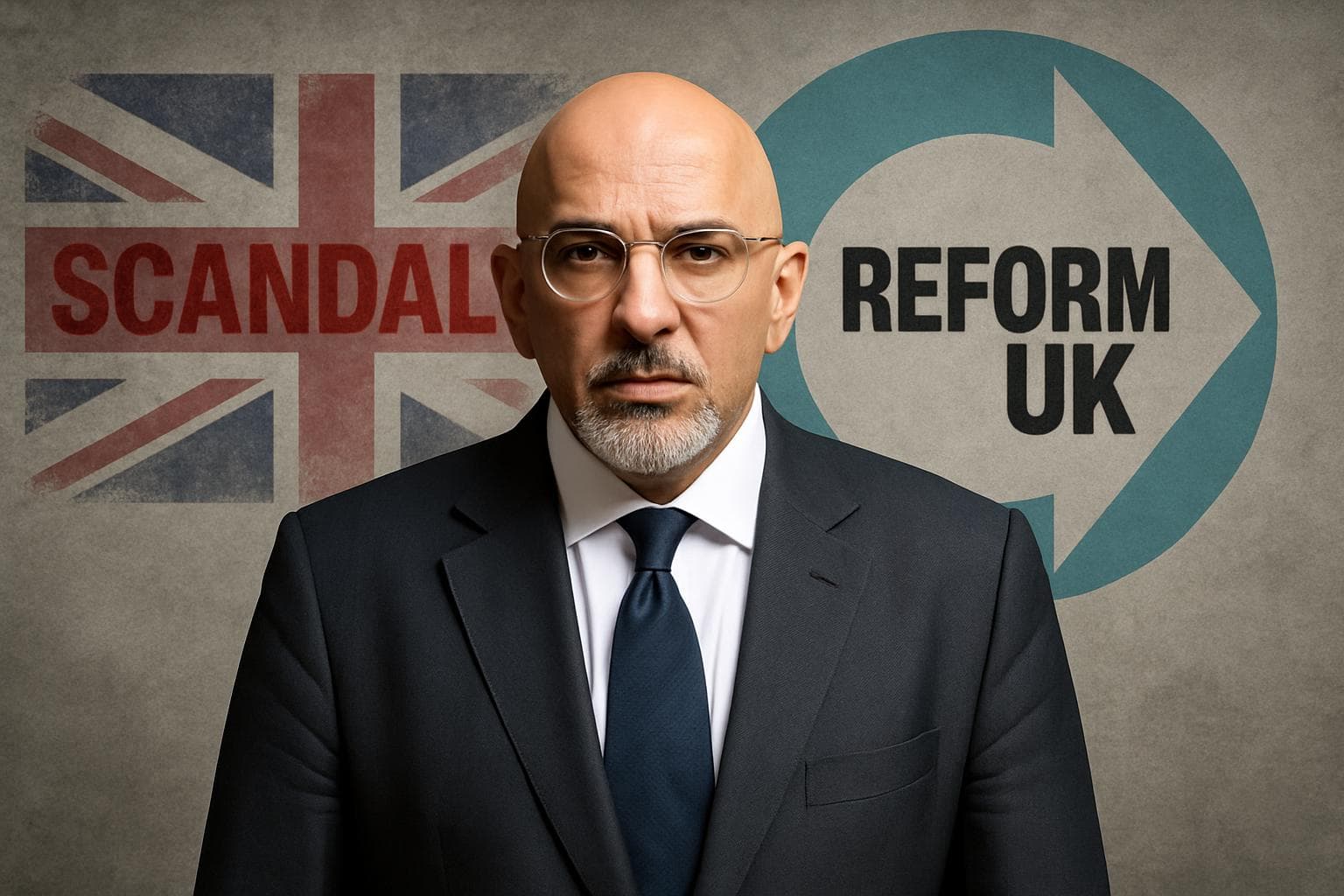
In a significant political shift, Nadhim Zahawi, a former Conservative minister, has joined Reform UK, a move that has stirred mixed reactions in his former constituency of Stratford-upon-Avon. Zahawi, who served as Chancellor for a brief period under Boris Johnson, announced his defection on Monday, marking him as the most senior ex-Conservative to join the party led by Nigel Farage.
Zahawi cited the UK's current "dark and dangerous" state as his motivation, advocating for what he described as a "glorious revolution." His decision comes amid a wave of defections from the Conservative Party, with around 20 former Tory MPs now aligning with Reform UK. This shift is seen by some as a political coup for Reform UK, which is gaining momentum in national polls.
However, Zahawi's political journey has not been without controversy. He resigned as Chancellor in 2022 following a £5 million settlement with HMRC over a tax investigation. This incident, along with his subsequent dismissal as Tory chairman for failing to disclose the investigation, has led to accusations of opportunism. Critics argue that Zahawi's defection is more about personal ambition than political conviction.
Reform UK's strategy of recruiting former Conservative MPs has sparked debate about the party's identity. While some, like resident James Holland, view the move as a positive change in the political landscape, others fear it could transform Reform UK into a "Conservative Party 2.0," undermining its appeal as a fresh alternative. Nigel Farage himself has acknowledged the challenge of balancing experience with the party's insurgent image.
The Conservative Party has responded by highlighting Zahawi's recent request for a peerage, which was denied due to his past tax controversies. Zahawi, who once declared lifelong loyalty to the Conservatives, now describes the party as a "defunct brand" incapable of forming the next government.
WHAT THIS MIGHT MEAN
Zahawi's defection to Reform UK could have significant implications for the UK's political landscape. If more sitting Tory MPs follow suit, it could signal a major shift in parliamentary dynamics, potentially weakening the Conservative Party's influence. Reform UK's growing appeal, bolstered by high-profile defections, might position it as a formidable challenger in future elections.
However, the party must navigate the risk of losing its distinct identity by absorbing too many former Conservatives. This could alienate voters seeking a genuine alternative to established parties. As Reform UK continues to evolve, its ability to balance experience with its outsider appeal will be crucial in shaping its political future.
Related Articles
Starmer Condemns Reform UK's Plan to Repeal Equality Act as Un-British
Government U-turn on Local Election Delays Sparks Political Fallout

Unlawful Ban on Palestine Action and Other UK Political Developments

UK Government to Reform Asylum Seeker Support and Employment Policies

Reform UK Aims to Reshape Welsh Politics with New Manifesto

Labour MP's Husband Arrested in UK-China Espionage Probe
Nadhim Zahawi's Defection to Reform UK Sparks Debate on Political Opportunism
In This Article
 Ethan Brooks| Published
 HIGHLIGHTS
- Nadhim Zahawi, a former Conservative minister, has defected to Reform UK, citing the need for a "glorious revolution" amid a "dark and dangerous" moment in the UK.
- Zahawi's move makes him the most senior ex-Conservative to join Reform UK, a party led by Nigel Farage that is gaining traction in polls.
- Zahawi's past includes a controversial resignation as Chancellor in 2022 after a tax investigation, raising questions about his political motivations.
- Reform UK's strategy of recruiting former Tory MPs risks transforming it into a "Conservative Party 2.0," potentially diluting its appeal as an alternative.
- The Conservative Party claims Zahawi recently sought a peerage, which was denied due to his previous tax-related controversies.
In a significant political shift, Nadhim Zahawi, a former Conservative minister, has joined Reform UK, a move that has stirred mixed reactions in his former constituency of Stratford-upon-Avon. Zahawi, who served as Chancellor for a brief period under Boris Johnson, announced his defection on Monday, marking him as the most senior ex-Conservative to join the party led by Nigel Farage.
Zahawi cited the UK's current "dark and dangerous" state as his motivation, advocating for what he described as a "glorious revolution." His decision comes amid a wave of defections from the Conservative Party, with around 20 former Tory MPs now aligning with Reform UK. This shift is seen by some as a political coup for Reform UK, which is gaining momentum in national polls.
However, Zahawi's political journey has not been without controversy. He resigned as Chancellor in 2022 following a £5 million settlement with HMRC over a tax investigation. This incident, along with his subsequent dismissal as Tory chairman for failing to disclose the investigation, has led to accusations of opportunism. Critics argue that Zahawi's defection is more about personal ambition than political conviction.
Reform UK's strategy of recruiting former Conservative MPs has sparked debate about the party's identity. While some, like resident James Holland, view the move as a positive change in the political landscape, others fear it could transform Reform UK into a "Conservative Party 2.0," undermining its appeal as a fresh alternative. Nigel Farage himself has acknowledged the challenge of balancing experience with the party's insurgent image.
The Conservative Party has responded by highlighting Zahawi's recent request for a peerage, which was denied due to his past tax controversies. Zahawi, who once declared lifelong loyalty to the Conservatives, now describes the party as a "defunct brand" incapable of forming the next government.
WHAT THIS MIGHT MEAN
Zahawi's defection to Reform UK could have significant implications for the UK's political landscape. If more sitting Tory MPs follow suit, it could signal a major shift in parliamentary dynamics, potentially weakening the Conservative Party's influence. Reform UK's growing appeal, bolstered by high-profile defections, might position it as a formidable challenger in future elections.
However, the party must navigate the risk of losing its distinct identity by absorbing too many former Conservatives. This could alienate voters seeking a genuine alternative to established parties. As Reform UK continues to evolve, its ability to balance experience with its outsider appeal will be crucial in shaping its political future.
Related Articles
Starmer Condemns Reform UK's Plan to Repeal Equality Act as Un-British
Government U-turn on Local Election Delays Sparks Political Fallout
Unlawful Ban on Palestine Action and Other UK Political Developments
UK Government to Reform Asylum Seeker Support and Employment Policies
Reform UK Aims to Reshape Welsh Politics with New Manifesto
Labour MP's Husband Arrested in UK-China Espionage Probe