
National Inquiry Launched into 1984 Orgreave Clashes Amid Allegations of Police Misconduct
In This Article
HIGHLIGHTS
- A national inquiry into the 1984 Orgreave clashes during the miners' strike has been announced by Home Secretary Yvette Cooper.
- The inquiry will investigate the violent policing and the failed prosecutions of 95 miners, amid allegations of police misconduct.
- The Orgreave Truth and Justice Campaign, led by Joe Rollin, has advocated for this inquiry for over 13 years.
- The inquiry will be chaired by the Bishop of Sheffield and aims to address long-standing questions about the events and their aftermath.
- South Yorkshire Police, implicated in the incident, has pledged full cooperation with the inquiry.
A long-awaited national inquiry into the violent events at Orgreave during the 1984 miners' strike has been confirmed by the UK government. Announced by Home Secretary Yvette Cooper, the inquiry will delve into the controversial policing tactics and the subsequent failed prosecutions of 95 miners, which have been a source of contention for over four decades.
Background of the Orgreave Clashes
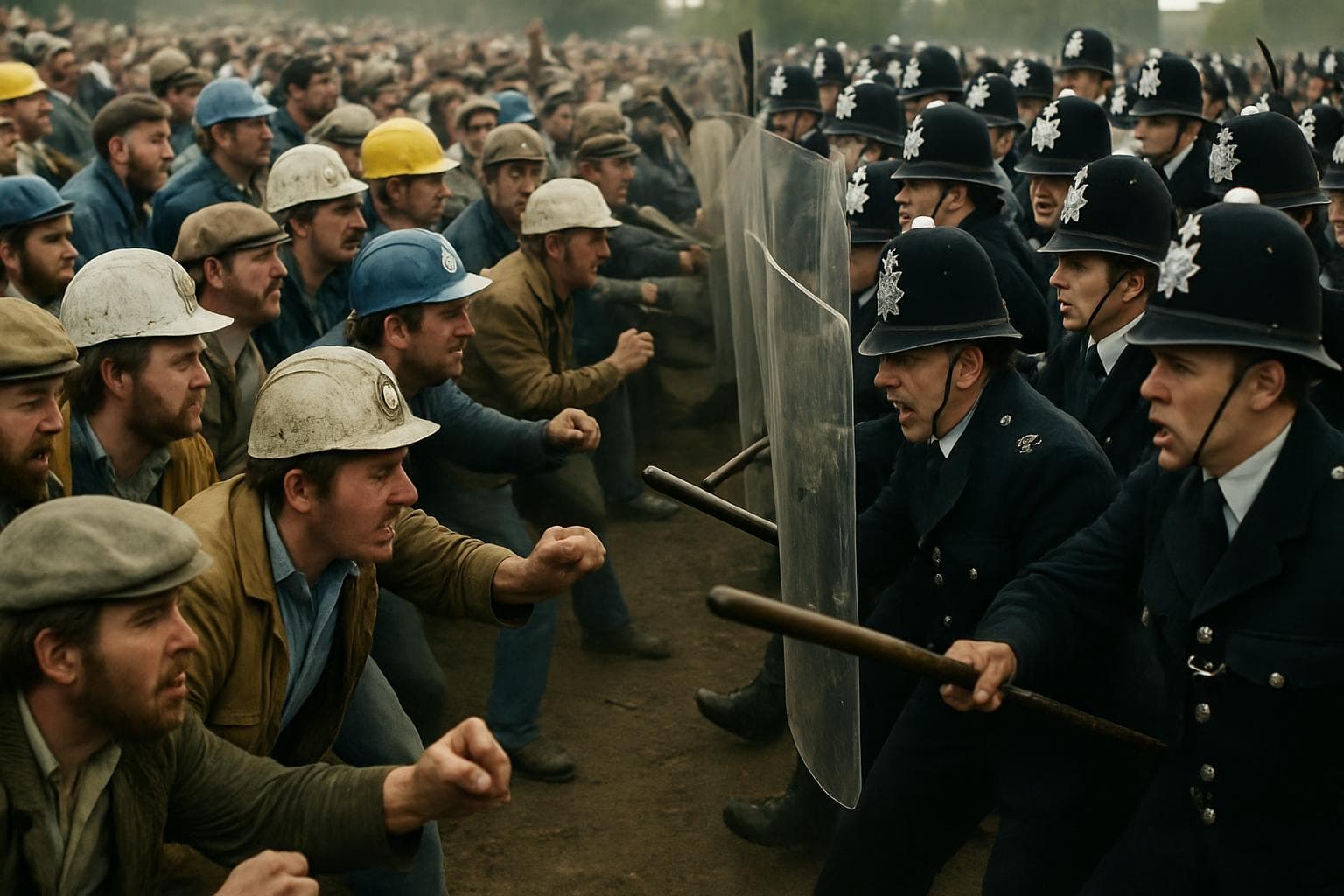
On June 18, 1984, the Orgreave coking plant in Rotherham became the focal point of a significant confrontation between striking miners and police forces. The miners, protesting against the National Coal Board's decision to close 20 collieries, aimed to disrupt coke deliveries to Scunthorpe steelworks. The ensuing clash, involving approximately 8,000 miners and 6,000 police officers, resulted in over 100 injuries and the arrest of 95 miners on charges of riot and unlawful assembly. However, the case against them collapsed amid allegations of falsified evidence by South Yorkshire Police.
Campaign for Justice
The Orgreave Truth and Justice Campaign, spearheaded by Joe Rollin, has tirelessly advocated for an inquiry since 2012, following revelations of police misconduct. Rollin expressed cautious optimism about the inquiry, stating, "We want to get to the truth and bring closure to the affected communities." The campaign gained momentum after parallels were drawn between Orgreave and the Hillsborough disaster, both involving South Yorkshire Police.
Scope of the Inquiry
Chaired by the Bishop of Sheffield, the Rt Rev Dr Pete Wilcox, the inquiry will scrutinize both the events of the day and the subsequent legal proceedings. It aims to uncover the truth behind the discredited evidence and the broader implications for the mining communities. Yvette Cooper emphasized the need to address the "unanswered questions" that have lingered for over 40 years, impacting trust in policing across former coalfield areas.
Police Cooperation and Community Impact
South Yorkshire Police has pledged full cooperation with the inquiry, acknowledging the enduring impact of the Orgreave incident on public confidence. Oliver Coppard, Mayor of South Yorkshire, hailed the inquiry as a "landmark moment" for the region, reflecting the deep scars left by the miners' strike on coalfield communities.
WHAT THIS MIGHT MEAN
The Orgreave inquiry could have significant implications for both the involved police forces and the affected communities. If evidence of misconduct is substantiated, it may lead to calls for accountability and reforms within policing practices. Additionally, the inquiry's findings could influence public perception of historical events, potentially reshaping narratives around the miners' strike and its legacy. Experts suggest that the inquiry may also prompt a broader examination of police conduct in historical and contemporary contexts, highlighting the need for transparency and justice in law enforcement.
Related Articles

Sisters Tragically Drown at Eryri National Park's Watkin Path
Prince Andrew's Ties to Epstein Under Scrutiny Amid Calls for Inquiry
Government Criticized for Mishandling Maccabi Tel Aviv Fan Ban
Prince Andrew's Arrest Intensifies Scrutiny on Royal Succession and Prince William's Future Role

UK Defence Faces Scrutiny Amid Ajax Armoured Vehicle Delays and Soldier Safety Concerns
UN Report: Sudan's El Fasher Siege Shows Genocide Hallmarks
National Inquiry Launched into 1984 Orgreave Clashes Amid Allegations of Police Misconduct
In This Article
 Ethan Brooks| Published
 HIGHLIGHTS
- A national inquiry into the 1984 Orgreave clashes during the miners' strike has been announced by Home Secretary Yvette Cooper.
- The inquiry will investigate the violent policing and the failed prosecutions of 95 miners, amid allegations of police misconduct.
- The Orgreave Truth and Justice Campaign, led by Joe Rollin, has advocated for this inquiry for over 13 years.
- The inquiry will be chaired by the Bishop of Sheffield and aims to address long-standing questions about the events and their aftermath.
- South Yorkshire Police, implicated in the incident, has pledged full cooperation with the inquiry.
A long-awaited national inquiry into the violent events at Orgreave during the 1984 miners' strike has been confirmed by the UK government. Announced by Home Secretary Yvette Cooper, the inquiry will delve into the controversial policing tactics and the subsequent failed prosecutions of 95 miners, which have been a source of contention for over four decades.
Background of the Orgreave Clashes
On June 18, 1984, the Orgreave coking plant in Rotherham became the focal point of a significant confrontation between striking miners and police forces. The miners, protesting against the National Coal Board's decision to close 20 collieries, aimed to disrupt coke deliveries to Scunthorpe steelworks. The ensuing clash, involving approximately 8,000 miners and 6,000 police officers, resulted in over 100 injuries and the arrest of 95 miners on charges of riot and unlawful assembly. However, the case against them collapsed amid allegations of falsified evidence by South Yorkshire Police.
Campaign for Justice
The Orgreave Truth and Justice Campaign, spearheaded by Joe Rollin, has tirelessly advocated for an inquiry since 2012, following revelations of police misconduct. Rollin expressed cautious optimism about the inquiry, stating, "We want to get to the truth and bring closure to the affected communities." The campaign gained momentum after parallels were drawn between Orgreave and the Hillsborough disaster, both involving South Yorkshire Police.
Scope of the Inquiry
Chaired by the Bishop of Sheffield, the Rt Rev Dr Pete Wilcox, the inquiry will scrutinize both the events of the day and the subsequent legal proceedings. It aims to uncover the truth behind the discredited evidence and the broader implications for the mining communities. Yvette Cooper emphasized the need to address the "unanswered questions" that have lingered for over 40 years, impacting trust in policing across former coalfield areas.
Police Cooperation and Community Impact
South Yorkshire Police has pledged full cooperation with the inquiry, acknowledging the enduring impact of the Orgreave incident on public confidence. Oliver Coppard, Mayor of South Yorkshire, hailed the inquiry as a "landmark moment" for the region, reflecting the deep scars left by the miners' strike on coalfield communities.
WHAT THIS MIGHT MEAN
The Orgreave inquiry could have significant implications for both the involved police forces and the affected communities. If evidence of misconduct is substantiated, it may lead to calls for accountability and reforms within policing practices. Additionally, the inquiry's findings could influence public perception of historical events, potentially reshaping narratives around the miners' strike and its legacy. Experts suggest that the inquiry may also prompt a broader examination of police conduct in historical and contemporary contexts, highlighting the need for transparency and justice in law enforcement.
Related Articles
Sisters Tragically Drown at Eryri National Park's Watkin Path
Prince Andrew's Ties to Epstein Under Scrutiny Amid Calls for Inquiry
Government Criticized for Mishandling Maccabi Tel Aviv Fan Ban
Prince Andrew's Arrest Intensifies Scrutiny on Royal Succession and Prince William's Future Role
UK Defence Faces Scrutiny Amid Ajax Armoured Vehicle Delays and Soldier Safety Concerns
UN Report: Sudan's El Fasher Siege Shows Genocide Hallmarks