
Next Acquires Russell & Bromley Amidst Retail Turmoil
In This Article
HIGHLIGHTS
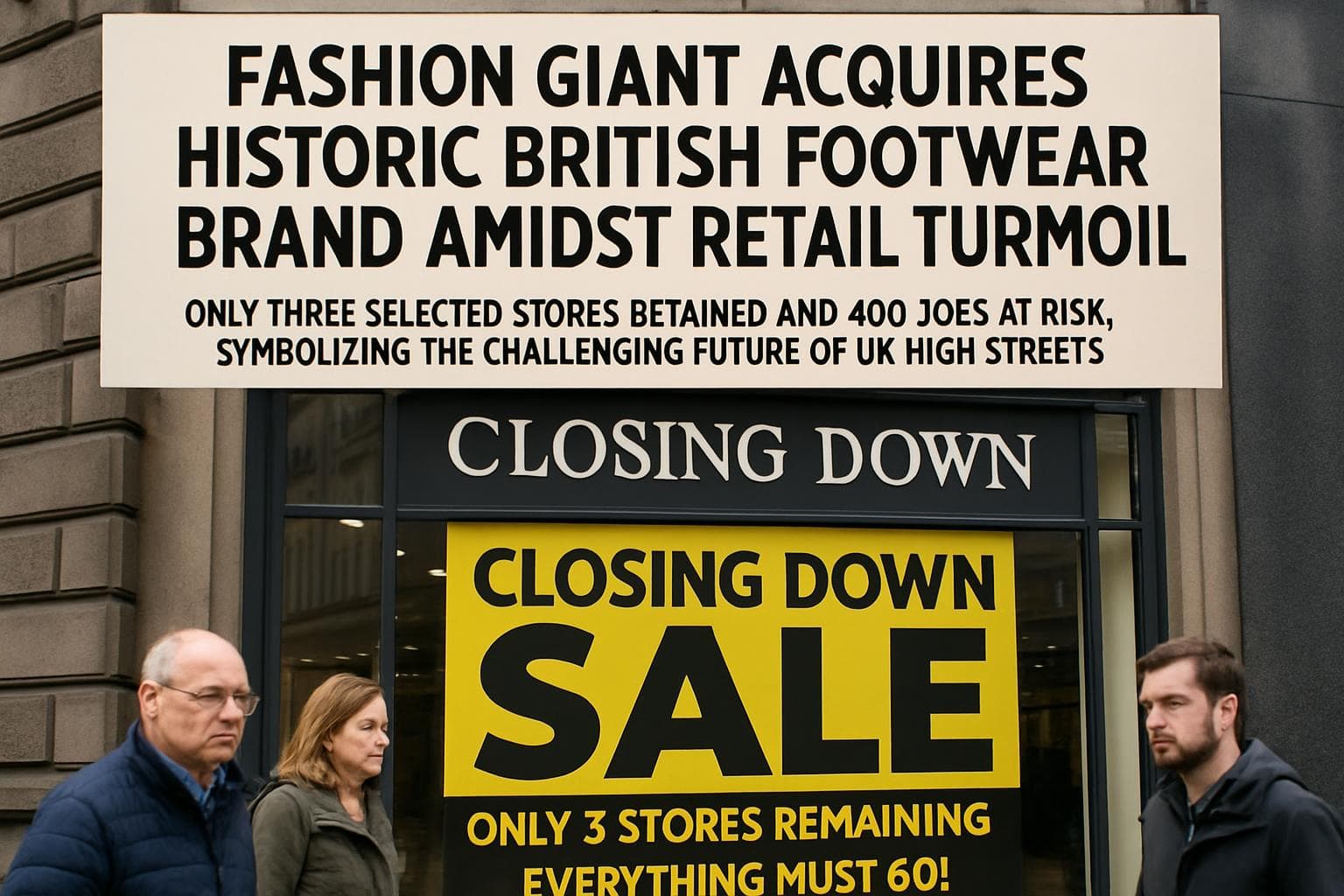
- Next has acquired Russell & Bromley for £3.8 million, saving the brand from administration but putting 400 jobs at risk.
- The acquisition includes only three stores in Chelsea, Mayfair, and Kent, leaving the future of 33 other stores uncertain.
- Russell & Bromley, a 147-year-old British footwear brand, faced financial struggles amid a challenging retail environment.
- Administrators are assessing options for the remaining stores, which will continue to operate temporarily.
- Next aims to leverage its expertise to revitalize Russell & Bromley, focusing on premium footwear and accessories.
In a significant move within the UK retail sector, fashion giant Next has acquired the beleaguered footwear retailer Russell & Bromley for £3.8 million. This acquisition, announced on Wednesday, aims to secure the future of the iconic British brand, which had recently fallen into administration. However, the deal leaves approximately 400 jobs at risk as only three of the brand's 36 stores are included in the purchase.
A Storied Brand Faces Uncertain Future
Founded in 1879, Russell & Bromley has long been a staple of British high streets, known for its premium footwear and accessories. Despite its rich history, the brand has struggled financially in recent years, a plight shared by many in the retail sector due to rising costs and changing consumer habits. The acquisition by Next includes the brand name and £1.3 million worth of existing stock, but only three stores located in Chelsea, Mayfair, and Kent will be retained.
Job Losses and Store Closures Loom
The fate of the remaining 33 stores and nine concessions, which employ around 400 people, remains uncertain. Administrators from Interpath are currently evaluating options for these locations, which will continue to operate temporarily. Will Wright, CEO of Interpath, expressed hope for preserving the brand's legacy of quality craftsmanship while exploring future possibilities for the stores.
Next's Strategic Expansion
Next's acquisition of Russell & Bromley is part of a broader strategy to expand its portfolio of brands. The retailer, which has previously acquired labels like FatFace and Seraphine, aims to leverage its operational expertise to rejuvenate Russell & Bromley. "This acquisition secures the future of a much-loved British footwear brand," Next stated, emphasizing its commitment to supporting the brand's next chapter.
Challenges in the Retail Landscape
The acquisition comes amidst a challenging period for UK retailers, with several brands facing administration due to economic pressures. The Original Factory Shop and Claire's are among those struggling, while others like River Island have announced store closures to avoid collapse. As the retail landscape continues to evolve, Next's strategic moves highlight the ongoing consolidation within the industry.
WHAT THIS MIGHT MEAN
The acquisition of Russell & Bromley by Next could signal a new chapter for the historic brand, provided Next successfully implements its revitalization strategy. However, the potential job losses and store closures underscore the harsh realities of the current retail environment. If Next can stabilize and grow the brand, it may set a precedent for future retail rescues. Conversely, failure to do so could further exacerbate the challenges facing the UK high street. As administrators continue to assess options for the remaining stores, the outcome will likely influence broader trends in retail consolidation and brand preservation.
Related Articles
The Original Factory Shop Enters Administration Amid Economic Struggles
Global Counsel Enters Administration Amid Epstein Link Fallout
Global Counsel Faces Collapse Amidst Epstein Scandal Fallout

Crackdown on Waste Crime: £1.2 Million Fine and New Drone Unit to Combat Illegal Dumping

UK Electric Vehicle Charging Market Faces Transformation Amid New Initiatives and Industry Consolidation
Madonna Celebrates Margate's Artistic Revival and Tracey Emin's Influence
Next Acquires Russell & Bromley Amidst Retail Turmoil
In This Article
 Aya Nakamura| Published
 HIGHLIGHTS
- Next has acquired Russell & Bromley for £3.8 million, saving the brand from administration but putting 400 jobs at risk.
- The acquisition includes only three stores in Chelsea, Mayfair, and Kent, leaving the future of 33 other stores uncertain.
- Russell & Bromley, a 147-year-old British footwear brand, faced financial struggles amid a challenging retail environment.
- Administrators are assessing options for the remaining stores, which will continue to operate temporarily.
- Next aims to leverage its expertise to revitalize Russell & Bromley, focusing on premium footwear and accessories.
In a significant move within the UK retail sector, fashion giant Next has acquired the beleaguered footwear retailer Russell & Bromley for £3.8 million. This acquisition, announced on Wednesday, aims to secure the future of the iconic British brand, which had recently fallen into administration. However, the deal leaves approximately 400 jobs at risk as only three of the brand's 36 stores are included in the purchase.
A Storied Brand Faces Uncertain Future
Founded in 1879, Russell & Bromley has long been a staple of British high streets, known for its premium footwear and accessories. Despite its rich history, the brand has struggled financially in recent years, a plight shared by many in the retail sector due to rising costs and changing consumer habits. The acquisition by Next includes the brand name and £1.3 million worth of existing stock, but only three stores located in Chelsea, Mayfair, and Kent will be retained.
Job Losses and Store Closures Loom
The fate of the remaining 33 stores and nine concessions, which employ around 400 people, remains uncertain. Administrators from Interpath are currently evaluating options for these locations, which will continue to operate temporarily. Will Wright, CEO of Interpath, expressed hope for preserving the brand's legacy of quality craftsmanship while exploring future possibilities for the stores.
Next's Strategic Expansion
Next's acquisition of Russell & Bromley is part of a broader strategy to expand its portfolio of brands. The retailer, which has previously acquired labels like FatFace and Seraphine, aims to leverage its operational expertise to rejuvenate Russell & Bromley. "This acquisition secures the future of a much-loved British footwear brand," Next stated, emphasizing its commitment to supporting the brand's next chapter.
Challenges in the Retail Landscape
The acquisition comes amidst a challenging period for UK retailers, with several brands facing administration due to economic pressures. The Original Factory Shop and Claire's are among those struggling, while others like River Island have announced store closures to avoid collapse. As the retail landscape continues to evolve, Next's strategic moves highlight the ongoing consolidation within the industry.
WHAT THIS MIGHT MEAN
The acquisition of Russell & Bromley by Next could signal a new chapter for the historic brand, provided Next successfully implements its revitalization strategy. However, the potential job losses and store closures underscore the harsh realities of the current retail environment. If Next can stabilize and grow the brand, it may set a precedent for future retail rescues. Conversely, failure to do so could further exacerbate the challenges facing the UK high street. As administrators continue to assess options for the remaining stores, the outcome will likely influence broader trends in retail consolidation and brand preservation.
Related Articles
The Original Factory Shop Enters Administration Amid Economic Struggles
Global Counsel Enters Administration Amid Epstein Link Fallout
Global Counsel Faces Collapse Amidst Epstein Scandal Fallout
Crackdown on Waste Crime: £1.2 Million Fine and New Drone Unit to Combat Illegal Dumping
UK Electric Vehicle Charging Market Faces Transformation Amid New Initiatives and Industry Consolidation
Madonna Celebrates Margate's Artistic Revival and Tracey Emin's Influence