
Resident Doctors Strike Amid NHS Pay Dispute and Flu Surge

In This Article
HIGHLIGHTS
- Resident doctors across England have initiated a five-day strike over pay disputes, marking their 14th walkout since March 2023.
- The strike coincides with a significant flu surge, adding pressure to the NHS, which is already struggling with high patient numbers.
- The British Medical Association (BMA) supports the strike, citing pay erosion and job shortages as key issues, while the government criticizes the timing as damaging.
- Talks between the BMA and the government failed to reach an agreement, with both sides blaming each other for the ongoing crisis.
- The BMA itself faces potential strikes from its clerical staff over similar pay disputes, highlighting internal tensions.
Resident doctors across England have embarked on a five-day strike, intensifying a long-standing pay dispute with the government. This industrial action, which began early Wednesday, marks the 14th walkout since March 2023 and coincides with a severe flu surge, further straining the National Health Service (NHS).
Background and Current Situation
The British Medical Association (BMA), representing 55,000 of the 70,000 resident doctors in England, has been at the forefront of the strike, demanding pay increases and better job conditions. The BMA argues that resident doctors, previously known as junior doctors, have seen their pay fall by 20% in real terms since 2008. Despite last-minute negotiations on Tuesday, no agreement was reached, prompting the strike to proceed.
Health Secretary Wes Streeting criticized the timing of the strike, stating it was designed to inflict maximum damage on the NHS during a critical period. "These strikes are self-indulgent, irresponsible, and dangerous," he remarked, emphasizing the impact on patient safety.
Impact on NHS Services
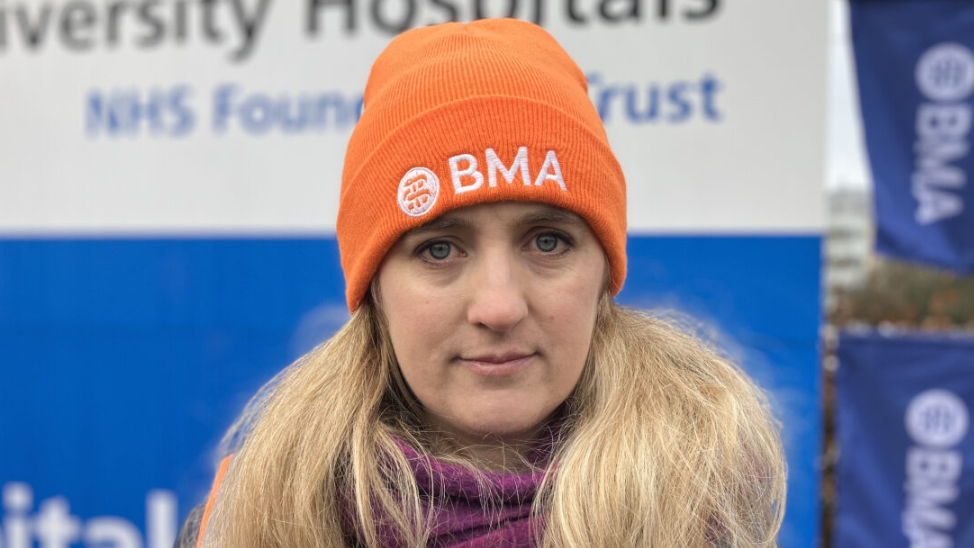
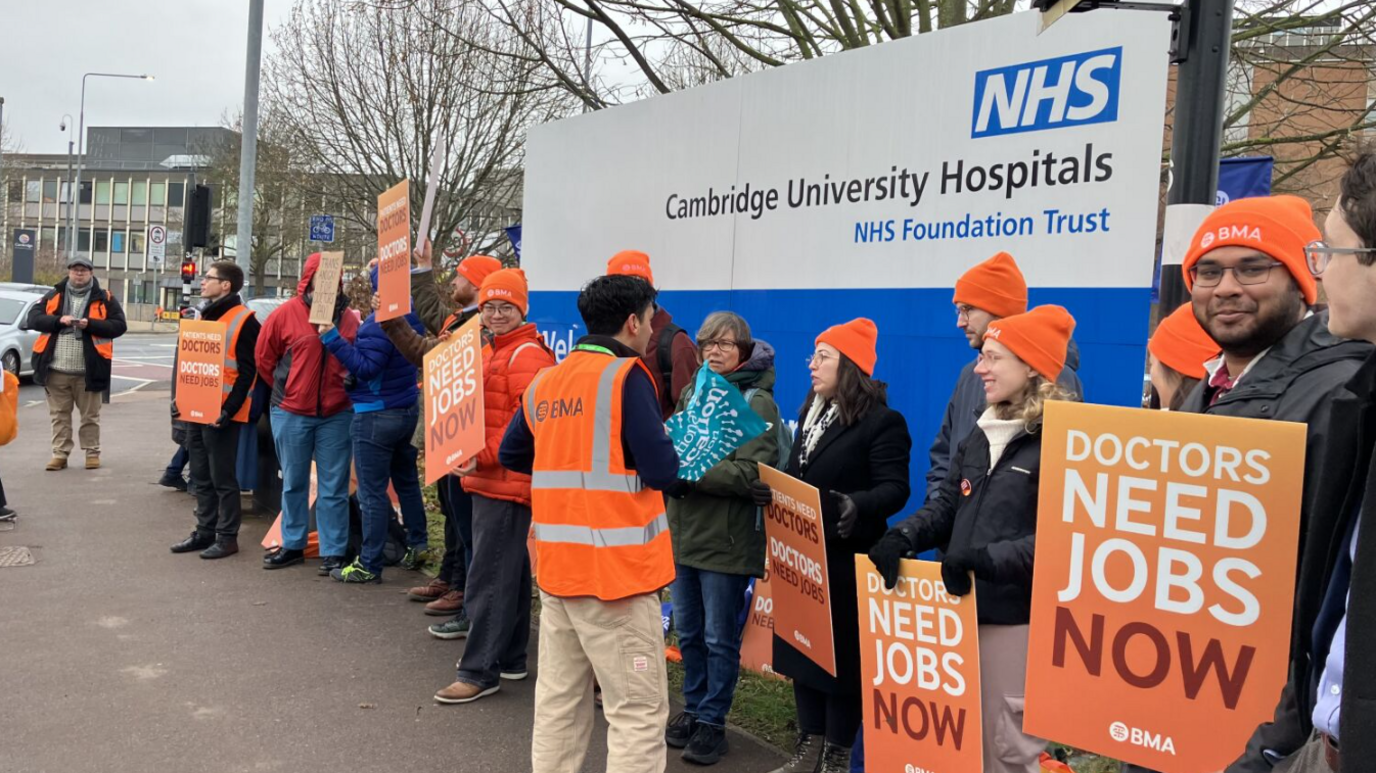
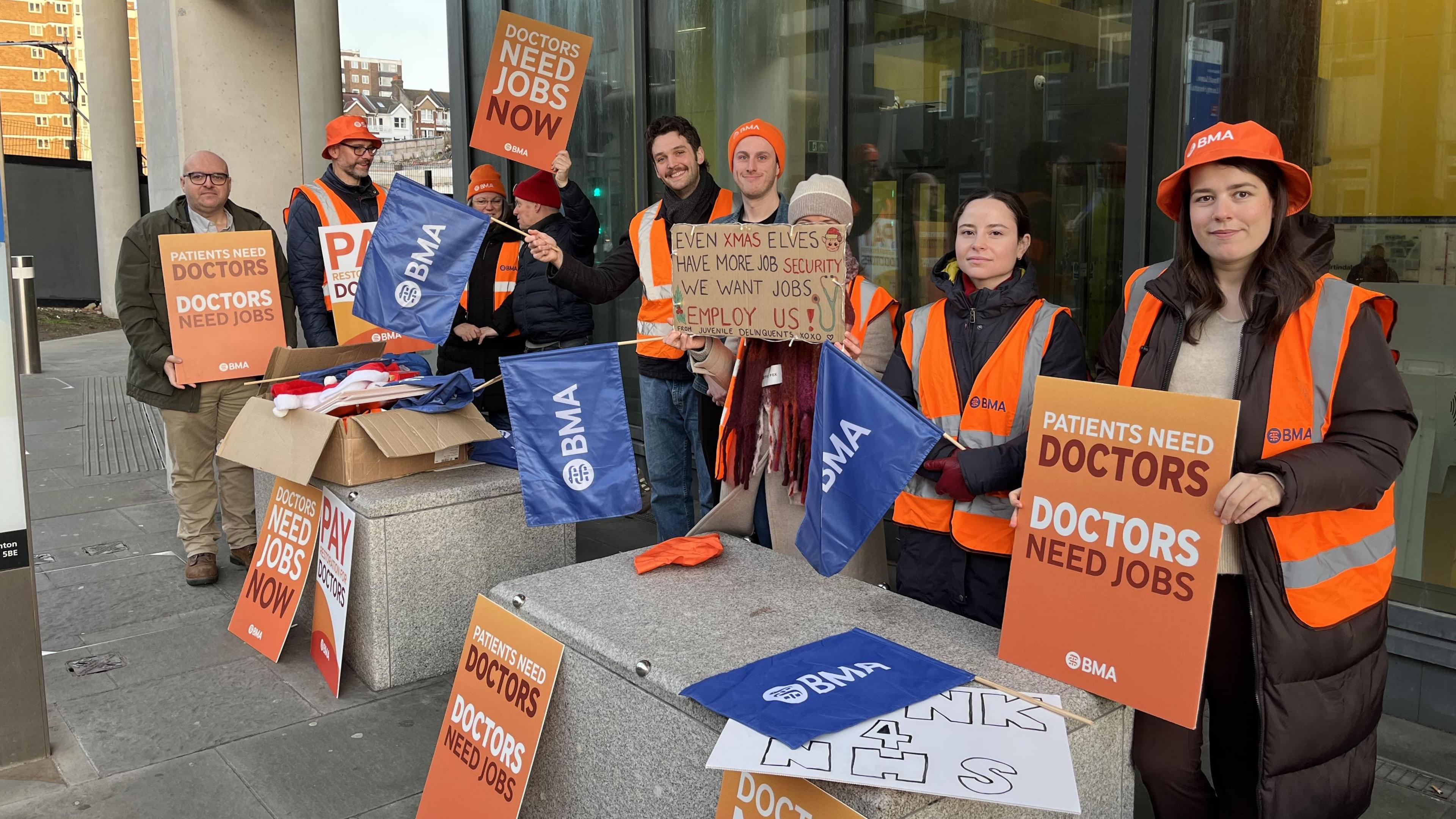
The strike comes as the NHS grapples with a significant increase in flu cases, particularly in regions like the West Midlands, where flu patient numbers have surged by 69%. Hospitals across the country, including Addenbrooke's Hospital in Cambridge and Queen Elizabeth Hospital in Birmingham, have set up picket lines while senior medical staff cover for striking doctors.
Dr. Jessica Sokolov, Midlands medical director for NHS England, highlighted the challenges posed by the flu surge, noting that hospitals are busier than usual. Despite the disruptions, NHS trusts have urged patients to attend appointments unless notified otherwise.
Internal Tensions Within the BMA
Adding to the complexity, the BMA faces potential strikes from its clerical staff over pay disputes. The GMB union, representing 75% of the BMA's internal staff, has criticized the association for offering below-inflation pay rises, calling the situation hypocritical given the BMA's stance on the NHS pay dispute.
Rachel Podolak, BMA's chief executive, defended the organization's position, citing financial constraints while claiming they offer above-market rates for comparable roles.
WHAT THIS MIGHT MEAN
The ongoing strike by resident doctors underscores a deepening crisis within the NHS, exacerbated by the winter flu surge. If unresolved, the dispute could lead to prolonged disruptions, affecting patient care and NHS operations. Experts suggest that independent mediation might be necessary to bridge the gap between the BMA and the government.
Politically, the situation places pressure on the government to address healthcare worker grievances, particularly as the NHS faces increasing demands. The potential for internal strikes within the BMA further complicates the landscape, highlighting broader issues of pay and working conditions across the healthcare sector. As both sides remain entrenched, the prospect of a swift resolution appears uncertain, with significant implications for the future of NHS staffing and patient care.
Images from the Web






Related Articles

Birmingham's Proactive Approach to Measles Outbreak Offers Lessons for North London
Prince William Calls for Action on UK Male Suicide Rates

Saharan Dust to Illuminate UK Skies with Vivid Sunrises and Sunsets

Government Announces £4 Billion Overhaul of SEND Support in England

UK Government Announces Major Overhaul of SEND System with £3.4 Billion Investment

Government Criticized for Mishandling Maccabi Tel Aviv Fan Ban
Resident Doctors Strike Amid NHS Pay Dispute and Flu Surge
In This Article
 Maya Singh| Published
 HIGHLIGHTS
- Resident doctors across England have initiated a five-day strike over pay disputes, marking their 14th walkout since March 2023.
- The strike coincides with a significant flu surge, adding pressure to the NHS, which is already struggling with high patient numbers.
- The British Medical Association (BMA) supports the strike, citing pay erosion and job shortages as key issues, while the government criticizes the timing as damaging.
- Talks between the BMA and the government failed to reach an agreement, with both sides blaming each other for the ongoing crisis.
- The BMA itself faces potential strikes from its clerical staff over similar pay disputes, highlighting internal tensions.
Resident doctors across England have embarked on a five-day strike, intensifying a long-standing pay dispute with the government. This industrial action, which began early Wednesday, marks the 14th walkout since March 2023 and coincides with a severe flu surge, further straining the National Health Service (NHS).
Background and Current Situation
The British Medical Association (BMA), representing 55,000 of the 70,000 resident doctors in England, has been at the forefront of the strike, demanding pay increases and better job conditions. The BMA argues that resident doctors, previously known as junior doctors, have seen their pay fall by 20% in real terms since 2008. Despite last-minute negotiations on Tuesday, no agreement was reached, prompting the strike to proceed.
Health Secretary Wes Streeting criticized the timing of the strike, stating it was designed to inflict maximum damage on the NHS during a critical period. "These strikes are self-indulgent, irresponsible, and dangerous," he remarked, emphasizing the impact on patient safety.
Impact on NHS Services
The strike comes as the NHS grapples with a significant increase in flu cases, particularly in regions like the West Midlands, where flu patient numbers have surged by 69%. Hospitals across the country, including Addenbrooke's Hospital in Cambridge and Queen Elizabeth Hospital in Birmingham, have set up picket lines while senior medical staff cover for striking doctors.
Dr. Jessica Sokolov, Midlands medical director for NHS England, highlighted the challenges posed by the flu surge, noting that hospitals are busier than usual. Despite the disruptions, NHS trusts have urged patients to attend appointments unless notified otherwise.
Internal Tensions Within the BMA
Adding to the complexity, the BMA faces potential strikes from its clerical staff over pay disputes. The GMB union, representing 75% of the BMA's internal staff, has criticized the association for offering below-inflation pay rises, calling the situation hypocritical given the BMA's stance on the NHS pay dispute.
Rachel Podolak, BMA's chief executive, defended the organization's position, citing financial constraints while claiming they offer above-market rates for comparable roles.
WHAT THIS MIGHT MEAN
The ongoing strike by resident doctors underscores a deepening crisis within the NHS, exacerbated by the winter flu surge. If unresolved, the dispute could lead to prolonged disruptions, affecting patient care and NHS operations. Experts suggest that independent mediation might be necessary to bridge the gap between the BMA and the government.
Politically, the situation places pressure on the government to address healthcare worker grievances, particularly as the NHS faces increasing demands. The potential for internal strikes within the BMA further complicates the landscape, highlighting broader issues of pay and working conditions across the healthcare sector. As both sides remain entrenched, the prospect of a swift resolution appears uncertain, with significant implications for the future of NHS staffing and patient care.
Images from the Web
Related Articles
Birmingham's Proactive Approach to Measles Outbreak Offers Lessons for North London
Prince William Calls for Action on UK Male Suicide Rates
Saharan Dust to Illuminate UK Skies with Vivid Sunrises and Sunsets
Government Announces £4 Billion Overhaul of SEND Support in England
UK Government Announces Major Overhaul of SEND System with £3.4 Billion Investment
Government Criticized for Mishandling Maccabi Tel Aviv Fan Ban