
NHS to Proceed with Major Redundancies Amid Budgetary Restructuring
In This Article
HIGHLIGHTS
- The NHS in England will proceed with 18,000 redundancies after a deal with the Treasury allows for budget overspending this year.
- The Treasury rejected a request for an additional £1bn, instead permitting the Department of Health to overspend, impacting future budgets.
- NHS England will be integrated into the Department of Health by 2027, with integrated care boards reducing their workforce by 50%.
- The restructuring aims to cut bureaucracy and save £1bn annually by 2029, funding additional healthcare services like surgeries.
- Concerns have been raised about the impact on staff and the potential negative effects on public health services.
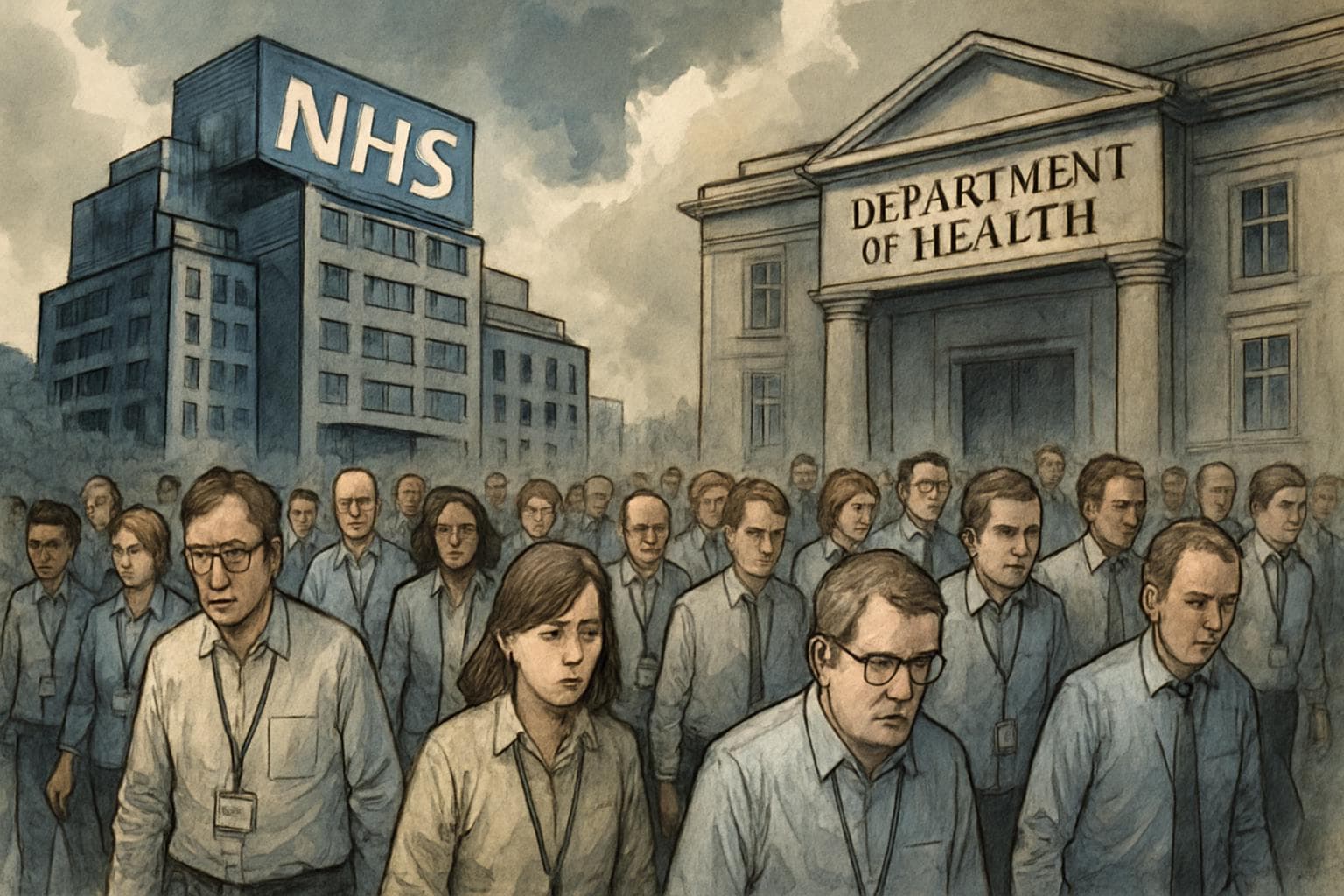
Thousands of NHS staff in England are set to lose their jobs following a compromise between the Department of Health and the Treasury, allowing the health service to overspend its budget this year. This decision comes after the Treasury rejected a plea for an additional £1bn to cover redundancy costs, opting instead to permit budget overspending with future financial implications.
Budgetary Constraints and Restructuring
The NHS will eliminate 18,000 administrative and managerial positions as part of a broader restructuring effort. This move is intended to streamline operations by integrating NHS England into the Department of Health by 2027 and reducing the workforce of integrated care boards by half. The Treasury's decision to allow overspending this year means the Department of Health will face tighter budgets in the future, particularly in 2026-27.
Aims to Reduce Bureaucracy
Health Secretary Wes Streeting emphasized the need to cut bureaucracy, stating that the savings from these redundancies will be reinvested into frontline care. The government projects that reducing administrative costs will save £1bn annually by 2029, potentially funding 116,000 additional surgeries each year. Streeting assured taxpayers that their contributions would be spent wisely to modernize and improve the NHS.
Concerns Over Impact on Services
Despite the intended financial benefits, there are concerns about the impact on public health services. Patricia Marquis from the Royal College of Nursing criticized the redundancies, warning that losing experienced staff could undermine essential health programs and the integration of NHS and social care services. NHS Providers' chief executive, Daniel Elkeles, acknowledged the difficult position for affected staff but described the decision as pragmatic given the financial constraints.
WHAT THIS MIGHT MEAN
The NHS's decision to proceed with significant redundancies amid budgetary constraints could have far-reaching implications for the health service. While the restructuring aims to reduce bureaucracy and improve efficiency, the loss of experienced staff may challenge the delivery of public health services. The integration of NHS England into the Department of Health could streamline operations, but it also risks disrupting established care networks.
Looking ahead, the NHS will need to carefully manage the transition to ensure that frontline services are not adversely affected. The success of this restructuring will depend on the effective reinvestment of savings into patient care and the ability to maintain service quality amid reduced administrative support. As the NHS navigates these changes, the government will face scrutiny over its handling of healthcare funding and the impact on public health outcomes.
Related Articles

NHS Faces Joint Surgery Delays Amid Bone Cement Shortage

UK Government to Reform Asylum Seeker Support and Employment Policies
Persistent Safety Concerns in Nottingham Maternity Services Amidst Calls for Systemic Reform
Nottingham Attacks Inquiry: Families Demand Accountability and Truth

Birmingham's Proactive Approach to Measles Outbreak Offers Lessons for North London

Supreme Court Ruling Expands Compensation for Children Injured at Birth
NHS to Proceed with Major Redundancies Amid Budgetary Restructuring
In This Article
 Ethan Brooks| Published
 HIGHLIGHTS
- The NHS in England will proceed with 18,000 redundancies after a deal with the Treasury allows for budget overspending this year.
- The Treasury rejected a request for an additional £1bn, instead permitting the Department of Health to overspend, impacting future budgets.
- NHS England will be integrated into the Department of Health by 2027, with integrated care boards reducing their workforce by 50%.
- The restructuring aims to cut bureaucracy and save £1bn annually by 2029, funding additional healthcare services like surgeries.
- Concerns have been raised about the impact on staff and the potential negative effects on public health services.
Thousands of NHS staff in England are set to lose their jobs following a compromise between the Department of Health and the Treasury, allowing the health service to overspend its budget this year. This decision comes after the Treasury rejected a plea for an additional £1bn to cover redundancy costs, opting instead to permit budget overspending with future financial implications.
Budgetary Constraints and Restructuring
The NHS will eliminate 18,000 administrative and managerial positions as part of a broader restructuring effort. This move is intended to streamline operations by integrating NHS England into the Department of Health by 2027 and reducing the workforce of integrated care boards by half. The Treasury's decision to allow overspending this year means the Department of Health will face tighter budgets in the future, particularly in 2026-27.
Aims to Reduce Bureaucracy
Health Secretary Wes Streeting emphasized the need to cut bureaucracy, stating that the savings from these redundancies will be reinvested into frontline care. The government projects that reducing administrative costs will save £1bn annually by 2029, potentially funding 116,000 additional surgeries each year. Streeting assured taxpayers that their contributions would be spent wisely to modernize and improve the NHS.
Concerns Over Impact on Services
Despite the intended financial benefits, there are concerns about the impact on public health services. Patricia Marquis from the Royal College of Nursing criticized the redundancies, warning that losing experienced staff could undermine essential health programs and the integration of NHS and social care services. NHS Providers' chief executive, Daniel Elkeles, acknowledged the difficult position for affected staff but described the decision as pragmatic given the financial constraints.
WHAT THIS MIGHT MEAN
The NHS's decision to proceed with significant redundancies amid budgetary constraints could have far-reaching implications for the health service. While the restructuring aims to reduce bureaucracy and improve efficiency, the loss of experienced staff may challenge the delivery of public health services. The integration of NHS England into the Department of Health could streamline operations, but it also risks disrupting established care networks.
Looking ahead, the NHS will need to carefully manage the transition to ensure that frontline services are not adversely affected. The success of this restructuring will depend on the effective reinvestment of savings into patient care and the ability to maintain service quality amid reduced administrative support. As the NHS navigates these changes, the government will face scrutiny over its handling of healthcare funding and the impact on public health outcomes.
Related Articles
NHS Faces Joint Surgery Delays Amid Bone Cement Shortage
UK Government to Reform Asylum Seeker Support and Employment Policies
Persistent Safety Concerns in Nottingham Maternity Services Amidst Calls for Systemic Reform
Nottingham Attacks Inquiry: Families Demand Accountability and Truth
Birmingham's Proactive Approach to Measles Outbreak Offers Lessons for North London
Supreme Court Ruling Expands Compensation for Children Injured at Birth