
Nigel Farage's Reform UK Party Faces Scrutiny Amid Rising Polls and Past Allegations
In This Article
HIGHLIGHTS
- Nigel Farage's Reform UK party is leading in opinion polls, posing a significant challenge to Labour and the Conservatives.
- Farage's past behavior at Dulwich College has resurfaced, with allegations of racism and antisemitism from former classmates.
- Farage issued a "non-apology" for his past conduct, expressing regret only if anyone was genuinely hurt.
- Reform UK has gained control of over 10 town halls in England, raising questions about its readiness to govern.
- Critics, including film-maker Peter Ettedgui, demand a sincere apology and question the influence of Farage's past views on his current political agenda.
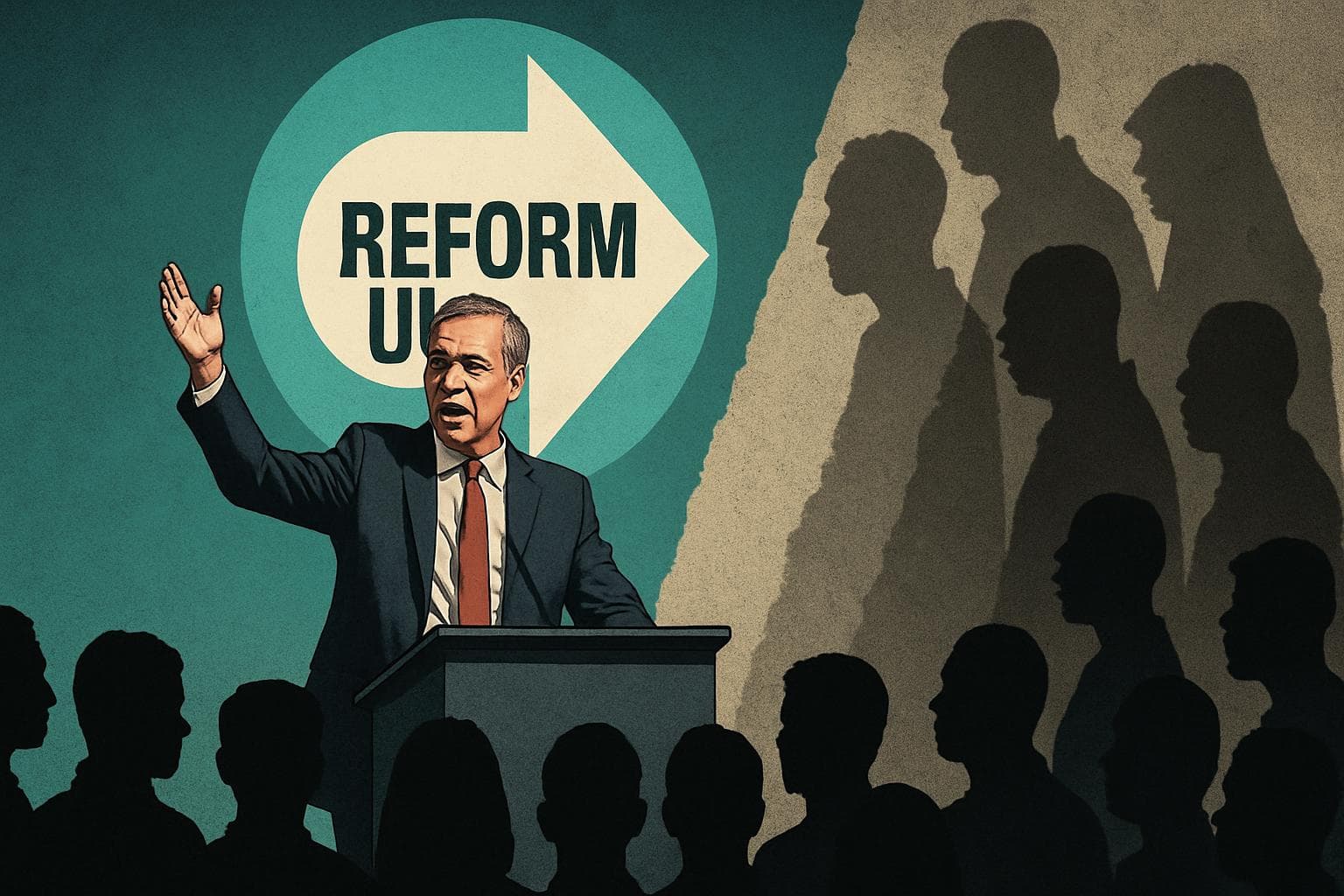
Nigel Farage, leader of the Reform UK party, finds himself at the center of political and personal scrutiny as his party surges ahead in opinion polls, challenging the long-standing dominance of Labour and the Conservatives. Despite this political momentum, Farage's past conduct at Dulwich College, a private school in south London, has come under renewed examination, with allegations of racism and antisemitism casting a shadow over his ambitions.
Reform UK: A Rising Political Force
In recent months, Reform UK has emerged as a formidable political force, with opinion polls indicating a lead over traditional parties. The party, often described as a "people's army," has gained control of more than 10 town halls across England. This newfound influence raises questions about its readiness to govern, as highlighted in a BBC documentary exploring whether Reform is "Ready to Rule."
Allegations from the Past
Farage's past behavior during his school years has resurfaced, with 34 former classmates alleging racist and antisemitic conduct. Among them is Emmy and Bafta-winning film-maker Peter Ettedgui, who recalls Farage's "profoundly offensive conduct" and vocal admiration for fascist leaders. These allegations have prompted calls for Farage to provide a sincere apology and address the impact of his past views on his current political agenda.
The "Non-Apology"
In a recent interview with Laura Kuenssberg, Farage issued what many perceive as a "non-apology," expressing regret only if anyone was genuinely hurt by his actions. "I think there are two people who said they were hurt, and if they genuinely were, then that’s a pity, and I’m sorry," Farage stated. Critics argue that this response falls short of acknowledging the gravity of the allegations and fails to address the concerns of those affected.
Political Implications
As Reform UK continues to gain traction, the party's ability to handle scrutiny and governance challenges remains under the spotlight. The upcoming elections in 2029 will be a critical test of its political viability and Farage's leadership.
WHAT THIS MIGHT MEAN
The trajectory of Reform UK and Nigel Farage's political career will largely depend on how effectively the party can navigate the scrutiny it faces. If Reform UK can maintain its lead in the polls and demonstrate governance competence, it could reshape the UK's political landscape. However, unresolved allegations and Farage's past conduct may hinder his prime ministerial aspirations. Experts suggest that a more comprehensive acknowledgment of past mistakes and a clear articulation of the party's vision could be pivotal in securing public trust and electoral success.
Related Articles
Reform UK to Reinstate Two-Child Benefit Cap Amidst Political Controversy
Starmer Condemns Reform UK's Plan to Repeal Equality Act as Un-British

Reform UK Aims to Reshape Welsh Politics with New Manifesto

Global Counsel Faces Collapse Amidst Epstein Scandal Fallout

Government Announces £4 Billion Overhaul of SEND Support in England

UK Government's SEND Reforms: A Critical Turning Point for Special Education
Nigel Farage's Reform UK Party Faces Scrutiny Amid Rising Polls and Past Allegations
In This Article
 Ethan Brooks| Published
 HIGHLIGHTS
- Nigel Farage's Reform UK party is leading in opinion polls, posing a significant challenge to Labour and the Conservatives.
- Farage's past behavior at Dulwich College has resurfaced, with allegations of racism and antisemitism from former classmates.
- Farage issued a "non-apology" for his past conduct, expressing regret only if anyone was genuinely hurt.
- Reform UK has gained control of over 10 town halls in England, raising questions about its readiness to govern.
- Critics, including film-maker Peter Ettedgui, demand a sincere apology and question the influence of Farage's past views on his current political agenda.
Nigel Farage, leader of the Reform UK party, finds himself at the center of political and personal scrutiny as his party surges ahead in opinion polls, challenging the long-standing dominance of Labour and the Conservatives. Despite this political momentum, Farage's past conduct at Dulwich College, a private school in south London, has come under renewed examination, with allegations of racism and antisemitism casting a shadow over his ambitions.
Reform UK: A Rising Political Force
In recent months, Reform UK has emerged as a formidable political force, with opinion polls indicating a lead over traditional parties. The party, often described as a "people's army," has gained control of more than 10 town halls across England. This newfound influence raises questions about its readiness to govern, as highlighted in a BBC documentary exploring whether Reform is "Ready to Rule."
Allegations from the Past
Farage's past behavior during his school years has resurfaced, with 34 former classmates alleging racist and antisemitic conduct. Among them is Emmy and Bafta-winning film-maker Peter Ettedgui, who recalls Farage's "profoundly offensive conduct" and vocal admiration for fascist leaders. These allegations have prompted calls for Farage to provide a sincere apology and address the impact of his past views on his current political agenda.
The "Non-Apology"
In a recent interview with Laura Kuenssberg, Farage issued what many perceive as a "non-apology," expressing regret only if anyone was genuinely hurt by his actions. "I think there are two people who said they were hurt, and if they genuinely were, then that’s a pity, and I’m sorry," Farage stated. Critics argue that this response falls short of acknowledging the gravity of the allegations and fails to address the concerns of those affected.
Political Implications
As Reform UK continues to gain traction, the party's ability to handle scrutiny and governance challenges remains under the spotlight. The upcoming elections in 2029 will be a critical test of its political viability and Farage's leadership.
WHAT THIS MIGHT MEAN
The trajectory of Reform UK and Nigel Farage's political career will largely depend on how effectively the party can navigate the scrutiny it faces. If Reform UK can maintain its lead in the polls and demonstrate governance competence, it could reshape the UK's political landscape. However, unresolved allegations and Farage's past conduct may hinder his prime ministerial aspirations. Experts suggest that a more comprehensive acknowledgment of past mistakes and a clear articulation of the party's vision could be pivotal in securing public trust and electoral success.
Related Articles
Reform UK to Reinstate Two-Child Benefit Cap Amidst Political Controversy
Starmer Condemns Reform UK's Plan to Repeal Equality Act as Un-British
Reform UK Aims to Reshape Welsh Politics with New Manifesto
Global Counsel Faces Collapse Amidst Epstein Scandal Fallout
Government Announces £4 Billion Overhaul of SEND Support in England
UK Government's SEND Reforms: A Critical Turning Point for Special Education