
Tragic Deaths Highlight Urgent Need for Healthcare Reform in Nigeria
In This Article
HIGHLIGHTS
- The death of Chimamanda Ngozi Adichie's 21-month-old son has sparked calls for urgent healthcare reform in Nigeria, highlighting systemic failures.
- Allegations of medical negligence include claims of excessive sedation and denial of oxygen, leading to cardiac arrest.
- The Lagos State Government has initiated an investigation, while Adichie's family pursues legal action against the hospital.
- Similar cases of alleged negligence, such as a woman dying after surgical scissors were left inside her, have fueled public outrage.
- Nigeria's healthcare system faces challenges like underpaid doctors, poor facilities, and a high doctor-to-patient ratio of 1:9,801.
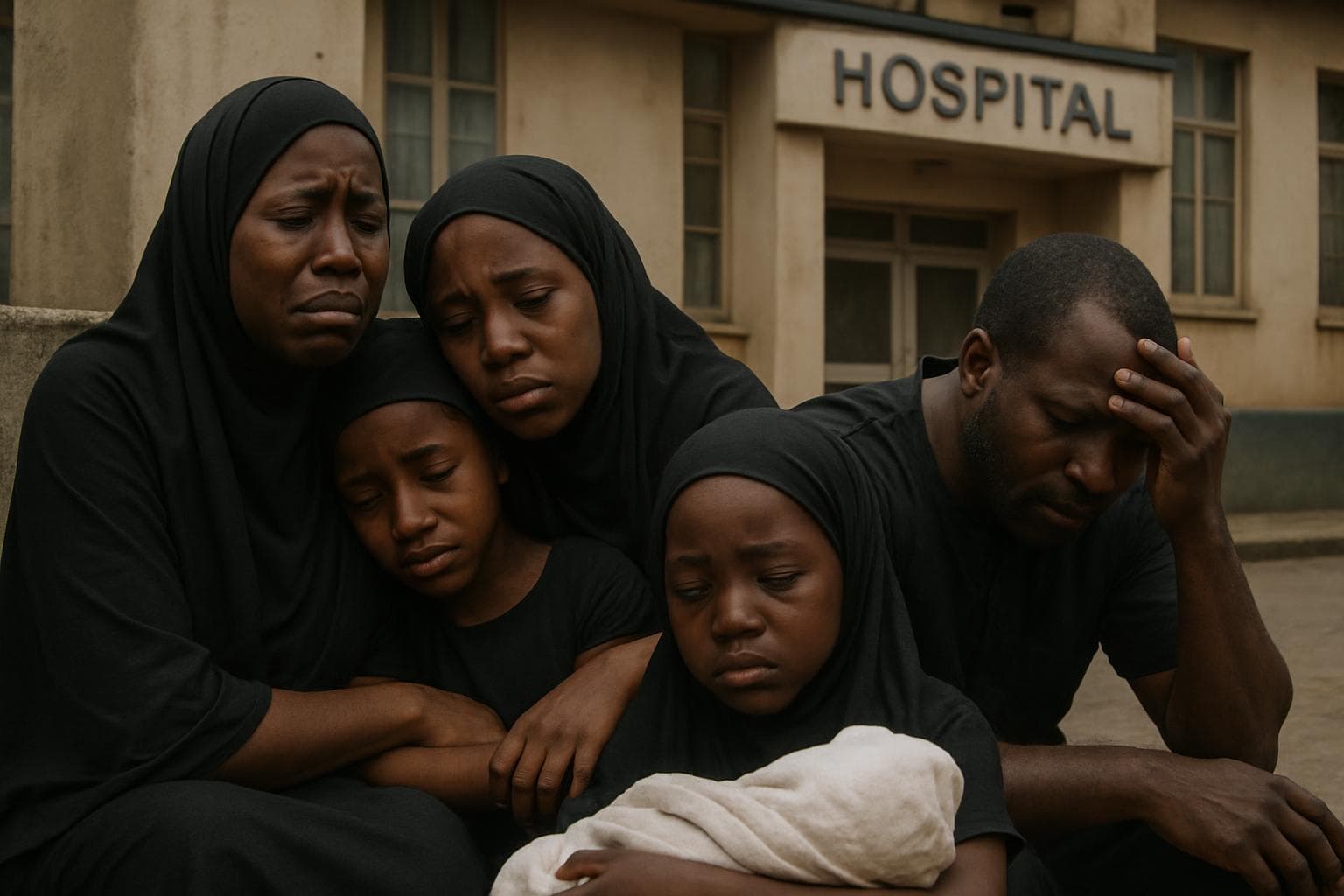
The recent death of Chimamanda Ngozi Adichie's 21-month-old son, Nkanu Nnamdi, has intensified scrutiny on Nigeria's healthcare system, revealing deep-seated issues of medical negligence and inadequate care. The family of the renowned author alleges that their son died after being denied oxygen and excessively sedated at a private hospital in Lagos, leading to cardiac arrest. The hospital, while expressing condolences, denies any wrongdoing, claiming adherence to international standards. In response to the public outcry, the Lagos State Government has launched an investigation into the incident.
This tragic event is not isolated. Just days later, the death of Aisha Umar in Kano, after surgical scissors were allegedly left inside her abdomen during an operation, further fueled public anger. Her family plans to sue the state-run Abubakar Imam Urology Centre for negligence. The Kano State Hospitals Management Board has suspended three personnel involved and initiated a disciplinary investigation.
These high-profile cases have brought to light the broader crisis within Nigeria's healthcare sector. The country has long struggled with underfunded facilities, a shortage of medical personnel, and a doctor-to-patient ratio of 1:9,801. Many Nigerians who can afford it seek medical treatment abroad, leaving those who cannot to face the challenges of a system plagued by inefficiencies and errors.
Dr. Anthea Esege Nwandu, Adichie's sister-in-law and an experienced physician, has called for systemic change, urging the public to demand accountability and transparency. The exodus of medical professionals, with 16,000 doctors leaving Nigeria in the past seven years, exacerbates the situation, leaving the healthcare system stretched thin.
The stories of negligence are numerous. Josephine Obi, a Lagos resident, recounted her father's death in 2021 due to a surgical error at a state-run hospital. Despite an apology from the supervising doctor, the family chose not to pursue legal action, fearing a costly and prolonged legal battle.
WHAT THIS MIGHT MEAN
The tragic deaths of Nkanu Nnamdi and Aisha Umar have reignited calls for comprehensive healthcare reform in Nigeria. The ongoing investigations may lead to policy changes aimed at improving patient safety and holding medical institutions accountable. However, systemic issues like inadequate funding, poor infrastructure, and the brain drain of medical professionals pose significant challenges to reform efforts.
Legal actions, such as those pursued by Adichie's family, could set precedents for future cases, potentially encouraging more victims of medical negligence to seek justice. The public's demand for transparency and accountability may pressure the government to implement stricter regulations and oversight in the healthcare sector.
Ultimately, addressing the root causes of Nigeria's healthcare crisis will require a multifaceted approach, including increased investment in medical infrastructure, better training and retention of healthcare professionals, and a robust regulatory framework to ensure patient safety and trust in the system.
Images from the Web

Related Articles

Anthony Joshua Discharged from Hospital After Fatal Nigeria Car Crash
Alaa Abd El Fattah Retains British Citizenship Amid Social Media Controversy; Anthony Joshua Recovers from Car Crash

Deadly Motorbike Raids in North-West Nigeria Leave Over 30 Dead

Nigerian Villages Devastated by Deadly Jihadist Attack
Deadly Attacks in Nigeria's Kwara State Leave Over 160 Dead

US Airstrikes Target Islamic State in Nigeria Amid Controversy Over Religious Persecution Claims
Tragic Deaths Highlight Urgent Need for Healthcare Reform in Nigeria
In This Article
 Maya Singh| Published
 HIGHLIGHTS
- The death of Chimamanda Ngozi Adichie's 21-month-old son has sparked calls for urgent healthcare reform in Nigeria, highlighting systemic failures.
- Allegations of medical negligence include claims of excessive sedation and denial of oxygen, leading to cardiac arrest.
- The Lagos State Government has initiated an investigation, while Adichie's family pursues legal action against the hospital.
- Similar cases of alleged negligence, such as a woman dying after surgical scissors were left inside her, have fueled public outrage.
- Nigeria's healthcare system faces challenges like underpaid doctors, poor facilities, and a high doctor-to-patient ratio of 1:9,801.
The recent death of Chimamanda Ngozi Adichie's 21-month-old son, Nkanu Nnamdi, has intensified scrutiny on Nigeria's healthcare system, revealing deep-seated issues of medical negligence and inadequate care. The family of the renowned author alleges that their son died after being denied oxygen and excessively sedated at a private hospital in Lagos, leading to cardiac arrest. The hospital, while expressing condolences, denies any wrongdoing, claiming adherence to international standards. In response to the public outcry, the Lagos State Government has launched an investigation into the incident.
This tragic event is not isolated. Just days later, the death of Aisha Umar in Kano, after surgical scissors were allegedly left inside her abdomen during an operation, further fueled public anger. Her family plans to sue the state-run Abubakar Imam Urology Centre for negligence. The Kano State Hospitals Management Board has suspended three personnel involved and initiated a disciplinary investigation.
These high-profile cases have brought to light the broader crisis within Nigeria's healthcare sector. The country has long struggled with underfunded facilities, a shortage of medical personnel, and a doctor-to-patient ratio of 1:9,801. Many Nigerians who can afford it seek medical treatment abroad, leaving those who cannot to face the challenges of a system plagued by inefficiencies and errors.
Dr. Anthea Esege Nwandu, Adichie's sister-in-law and an experienced physician, has called for systemic change, urging the public to demand accountability and transparency. The exodus of medical professionals, with 16,000 doctors leaving Nigeria in the past seven years, exacerbates the situation, leaving the healthcare system stretched thin.
The stories of negligence are numerous. Josephine Obi, a Lagos resident, recounted her father's death in 2021 due to a surgical error at a state-run hospital. Despite an apology from the supervising doctor, the family chose not to pursue legal action, fearing a costly and prolonged legal battle.
WHAT THIS MIGHT MEAN
The tragic deaths of Nkanu Nnamdi and Aisha Umar have reignited calls for comprehensive healthcare reform in Nigeria. The ongoing investigations may lead to policy changes aimed at improving patient safety and holding medical institutions accountable. However, systemic issues like inadequate funding, poor infrastructure, and the brain drain of medical professionals pose significant challenges to reform efforts.
Legal actions, such as those pursued by Adichie's family, could set precedents for future cases, potentially encouraging more victims of medical negligence to seek justice. The public's demand for transparency and accountability may pressure the government to implement stricter regulations and oversight in the healthcare sector.
Ultimately, addressing the root causes of Nigeria's healthcare crisis will require a multifaceted approach, including increased investment in medical infrastructure, better training and retention of healthcare professionals, and a robust regulatory framework to ensure patient safety and trust in the system.
Images from the Web
Related Articles
Anthony Joshua Discharged from Hospital After Fatal Nigeria Car Crash
Alaa Abd El Fattah Retains British Citizenship Amid Social Media Controversy; Anthony Joshua Recovers from Car Crash
Deadly Motorbike Raids in North-West Nigeria Leave Over 30 Dead
Nigerian Villages Devastated by Deadly Jihadist Attack
Deadly Attacks in Nigeria's Kwara State Leave Over 160 Dead
US Airstrikes Target Islamic State in Nigeria Amid Controversy Over Religious Persecution Claims