
US Airstrikes Target Islamic State in Nigeria Amid Controversy Over Religious Persecution Claims
In This Article
HIGHLIGHTS
- The US conducted airstrikes against Islamic State militants in Sokoto, Nigeria, on Christmas Day, coordinated with Nigerian authorities.
- President Trump cited the targeting of Christians by militants as a key reason for the strikes, despite Nigerian officials rejecting a religious framing of the violence.
- The operation marks the first US military intervention in Nigeria under Trump's leadership, following his designation of Nigeria as a "country of particular concern."
- Nigerian Foreign Minister Yusuf Maitama Tuggar emphasized the strikes were part of broader security cooperation and not religiously motivated.
- The US Department of Defense released footage of the strikes, highlighting ongoing military collaboration with Nigeria to combat terrorism.
In a significant military intervention, the United States launched airstrikes against Islamic State militants in north-western Nigeria on Christmas Day. The strikes, carried out in Sokoto state, were coordinated with Nigerian authorities, marking the first such action under President Donald Trump's administration.
Background and Motivation
President Trump announced the strikes on his Truth Social platform, emphasizing the need to combat what he described as the "slaughtering of Christians" by Islamic State militants. This narrative has been a recurring theme in Trump's rhetoric, aligning with claims from some US right-wing circles about religious persecution in Nigeria. However, Nigerian officials, including Foreign Minister Yusuf Maitama Tuggar, have consistently rejected framing the violence as religiously motivated, asserting that extremist groups target people of all faiths.
Operational Details
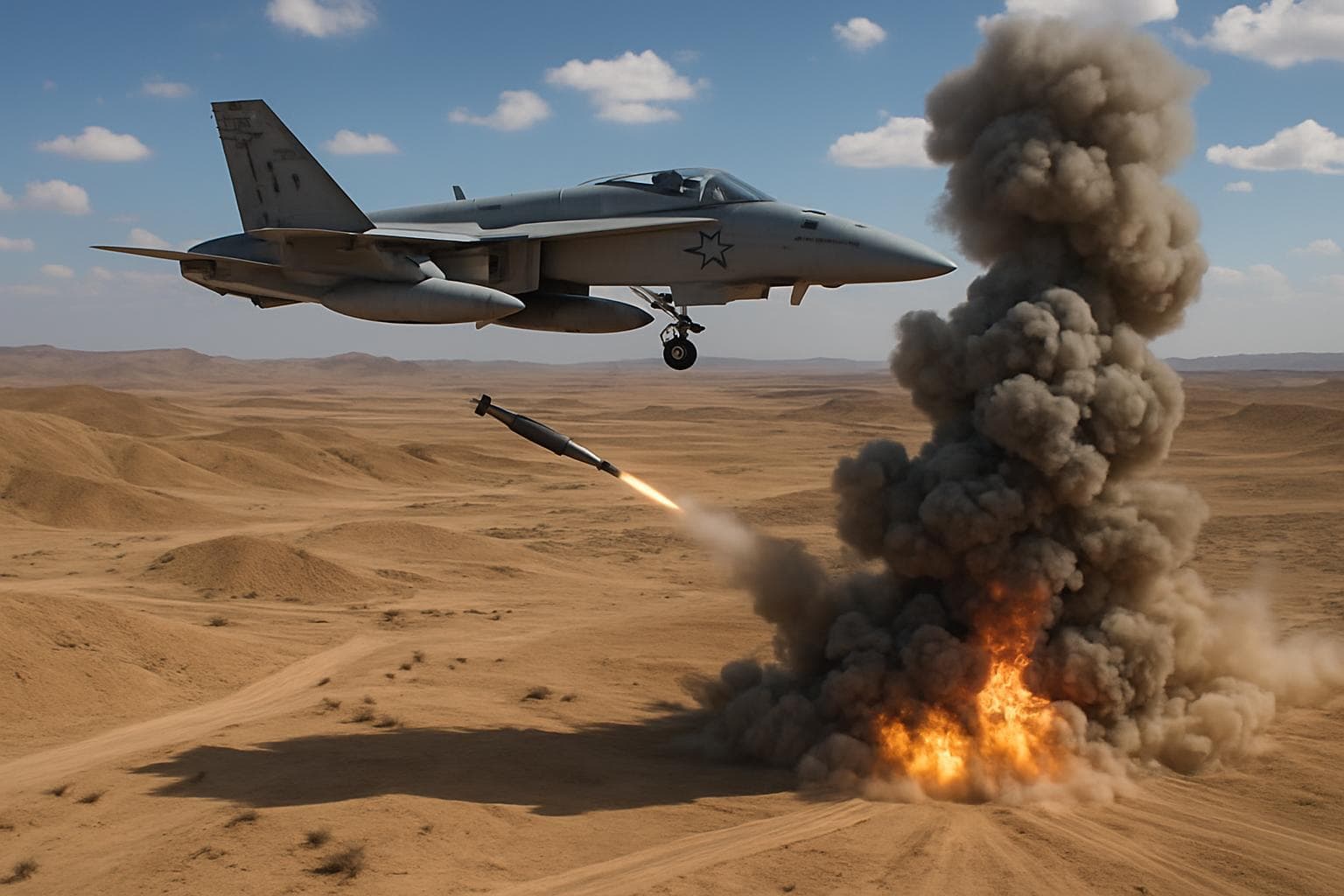
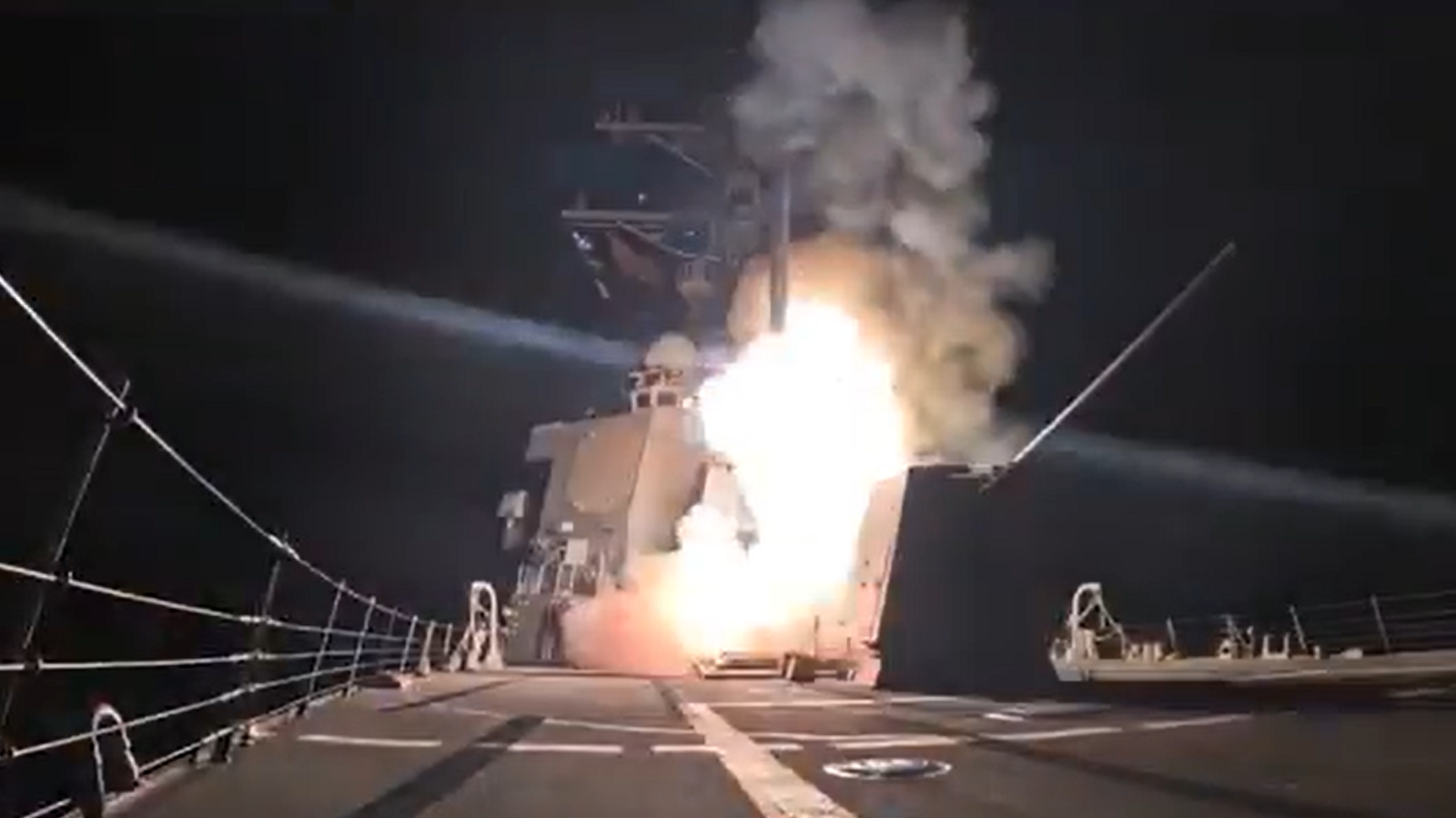
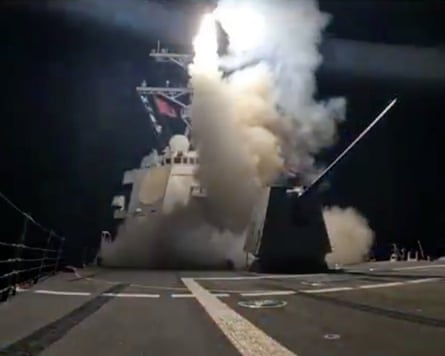
The US Africa Command confirmed the strikes, noting they were executed with precision and in collaboration with Nigerian forces. The operation follows weeks of strategic planning and intelligence sharing between the two nations. The US Department of Defense released a video showing a missile launch, underscoring the military's capability and readiness to address threats in the region.
Reactions and Implications
While the Nigerian government welcomed the cooperation, it maintained that the violence is not solely religious in nature. President Bola Tinubu's administration has reiterated its commitment to religious tolerance and addressing security challenges affecting all citizens. Despite this, Trump's designation of Nigeria as a "country of particular concern" over alleged Christian persecution has fueled debates on the international stage.
WHAT THIS MIGHT MEAN
The recent US airstrikes in Nigeria could have far-reaching implications for both countries' diplomatic and military relations. As the US continues to engage in military operations abroad, questions arise about the long-term strategy and potential for further interventions. Experts suggest that while the strikes may temporarily disrupt militant activities, a sustainable solution requires addressing the underlying socio-economic and political issues in Nigeria.
Politically, Trump's actions may bolster his support among evangelical Christians in the US, who view the intervention as a defense of religious freedom. However, the framing of Nigeria's violence as religious persecution could strain bilateral relations if perceived as oversimplifying a complex security landscape. Moving forward, both nations may need to navigate these tensions carefully to maintain effective cooperation against shared threats.
Images from the Web
Related Articles
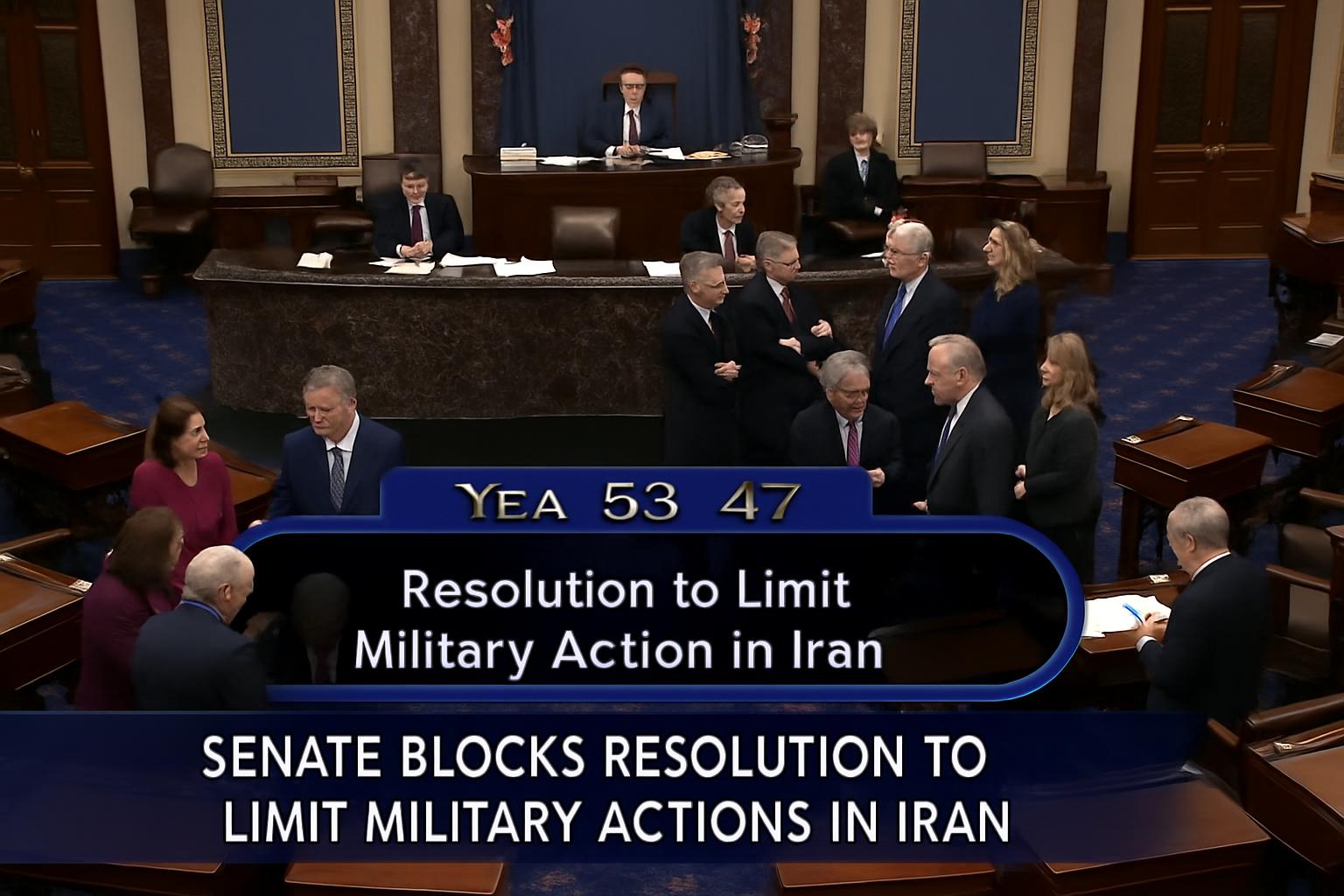
Senate Blocks Resolution to Limit Trump's Military Actions in Iran
Spain's Sánchez Stands Firm Against Trump's Trade Threat Over Iran Stance
Iran Postpones Khamenei Funeral Amid Escalating US-Israeli Strikes
Congress Subpoenas Attorney General Bondi in Epstein Investigation
Cuba Faces Widespread Blackout Amid Deepening Fuel Crisis

UK Faces Dilemmas Amid Iran Conflict and China Spying Allegations
US Airstrikes Target Islamic State in Nigeria Amid Controversy Over Religious Persecution Claims
In This Article
 Ethan Brooks| Published
 HIGHLIGHTS
- The US conducted airstrikes against Islamic State militants in Sokoto, Nigeria, on Christmas Day, coordinated with Nigerian authorities.
- President Trump cited the targeting of Christians by militants as a key reason for the strikes, despite Nigerian officials rejecting a religious framing of the violence.
- The operation marks the first US military intervention in Nigeria under Trump's leadership, following his designation of Nigeria as a "country of particular concern."
- Nigerian Foreign Minister Yusuf Maitama Tuggar emphasized the strikes were part of broader security cooperation and not religiously motivated.
- The US Department of Defense released footage of the strikes, highlighting ongoing military collaboration with Nigeria to combat terrorism.
In a significant military intervention, the United States launched airstrikes against Islamic State militants in north-western Nigeria on Christmas Day. The strikes, carried out in Sokoto state, were coordinated with Nigerian authorities, marking the first such action under President Donald Trump's administration.
Background and Motivation
President Trump announced the strikes on his Truth Social platform, emphasizing the need to combat what he described as the "slaughtering of Christians" by Islamic State militants. This narrative has been a recurring theme in Trump's rhetoric, aligning with claims from some US right-wing circles about religious persecution in Nigeria. However, Nigerian officials, including Foreign Minister Yusuf Maitama Tuggar, have consistently rejected framing the violence as religiously motivated, asserting that extremist groups target people of all faiths.
Operational Details
The US Africa Command confirmed the strikes, noting they were executed with precision and in collaboration with Nigerian forces. The operation follows weeks of strategic planning and intelligence sharing between the two nations. The US Department of Defense released a video showing a missile launch, underscoring the military's capability and readiness to address threats in the region.
Reactions and Implications
While the Nigerian government welcomed the cooperation, it maintained that the violence is not solely religious in nature. President Bola Tinubu's administration has reiterated its commitment to religious tolerance and addressing security challenges affecting all citizens. Despite this, Trump's designation of Nigeria as a "country of particular concern" over alleged Christian persecution has fueled debates on the international stage.
WHAT THIS MIGHT MEAN
The recent US airstrikes in Nigeria could have far-reaching implications for both countries' diplomatic and military relations. As the US continues to engage in military operations abroad, questions arise about the long-term strategy and potential for further interventions. Experts suggest that while the strikes may temporarily disrupt militant activities, a sustainable solution requires addressing the underlying socio-economic and political issues in Nigeria.
Politically, Trump's actions may bolster his support among evangelical Christians in the US, who view the intervention as a defense of religious freedom. However, the framing of Nigeria's violence as religious persecution could strain bilateral relations if perceived as oversimplifying a complex security landscape. Moving forward, both nations may need to navigate these tensions carefully to maintain effective cooperation against shared threats.
Images from the Web
Related Articles
Senate Blocks Resolution to Limit Trump's Military Actions in Iran
Spain's Sánchez Stands Firm Against Trump's Trade Threat Over Iran Stance
Iran Postpones Khamenei Funeral Amid Escalating US-Israeli Strikes
Congress Subpoenas Attorney General Bondi in Epstein Investigation
Cuba Faces Widespread Blackout Amid Deepening Fuel Crisis
UK Faces Dilemmas Amid Iran Conflict and China Spying Allegations