
Northern Lights Dazzle UK and Beyond Amid Intense Geomagnetic Storms
In This Article
HIGHLIGHTS
- The Northern Lights, or Aurora Borealis, were visible across the UK, including Scotland, Northern Ireland, and parts of England and Wales, due to intense geomagnetic storms.
- The phenomenon resulted from a Coronal Mass Ejection (CME), where solar particles interact with Earth's atmospheric gases, creating vibrant colors.
- The Met Office reported "severe geomagnetic storms," with auroras visible as far south as northern Italy.
- The National Oceanic and Atmospheric Administration (NOAA) forecasted that the auroras might extend across Canada and northern US states, possibly reaching further south.
- The geomagnetic storms, the most intense in over two decades, could disrupt satellite operations and GPS communications.
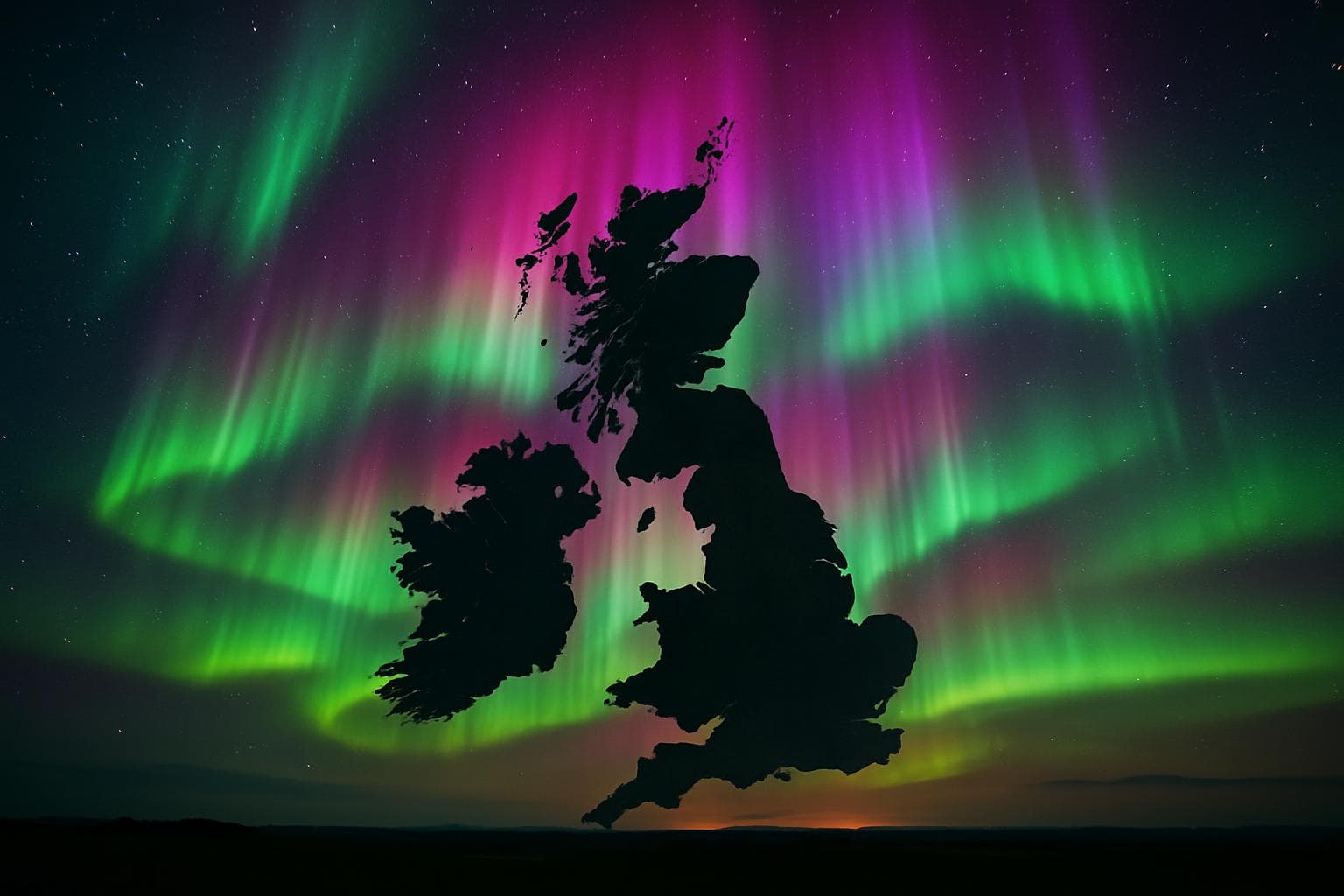
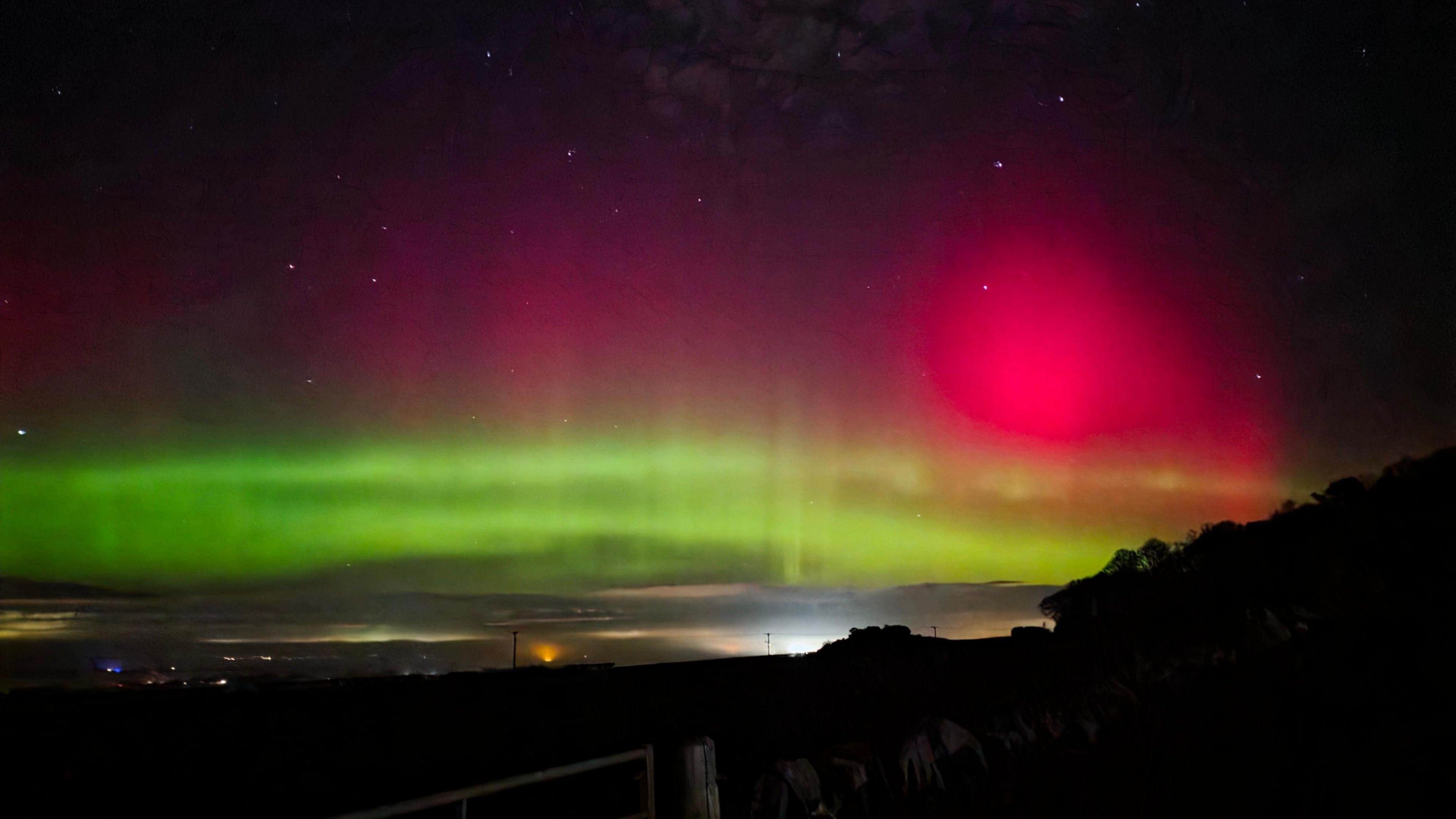
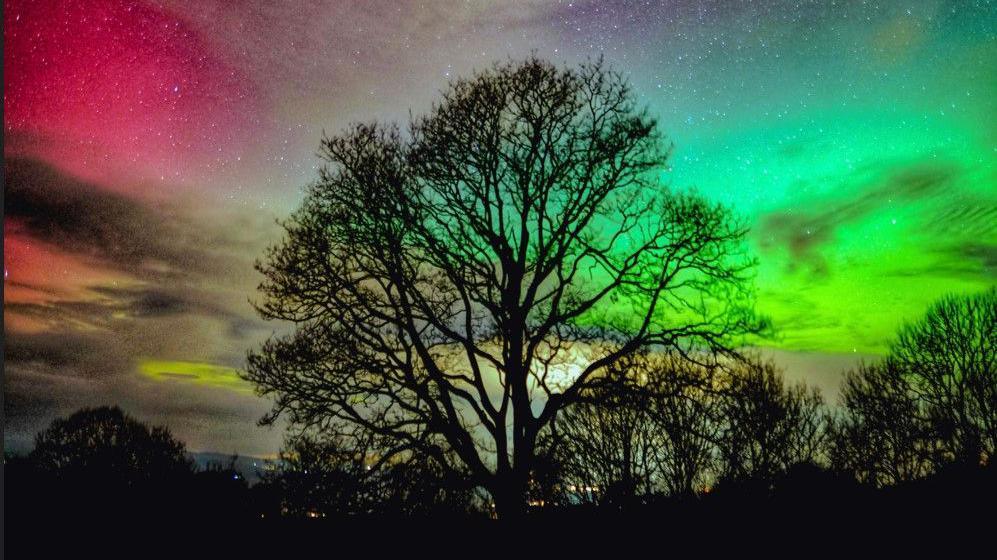
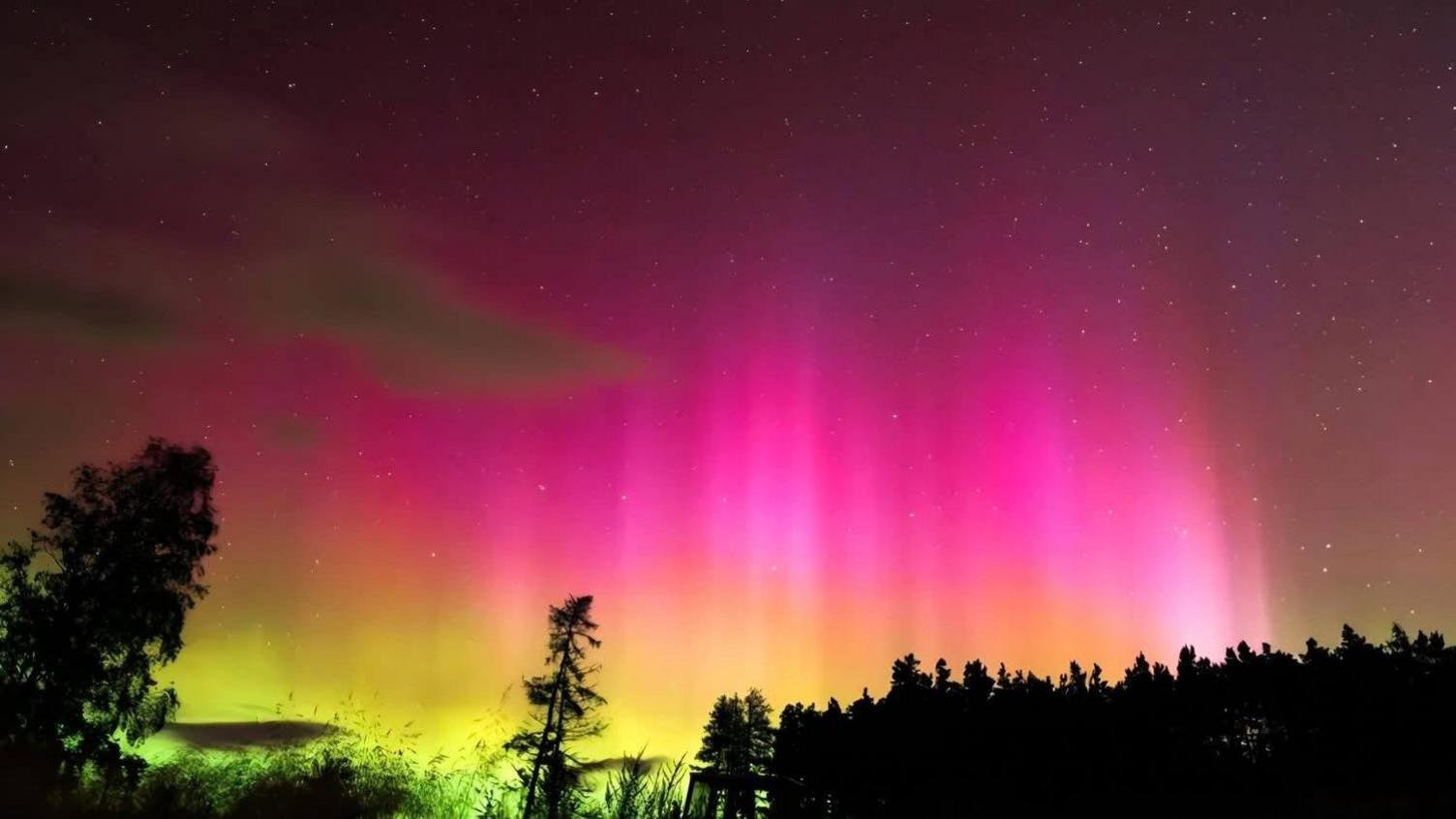
The skies over the UK were illuminated with the vibrant hues of the Northern Lights on Monday evening, a rare spectacle attributed to intense geomagnetic storms. Known scientifically as the Aurora Borealis, this natural light display is typically confined to regions near the Arctic Circle. However, recent solar activity has extended its reach much further south, captivating observers across Scotland, Northern Ireland, and parts of England and Wales.
Geomagnetic Storms and Solar Activity
The Met Office confirmed that the dazzling display was the result of a Coronal Mass Ejection (CME), a significant solar event where the Sun emits large clouds of charged particles. As these particles collide with Earth's atmosphere, they interact with oxygen and nitrogen gases, producing the characteristic green, pink, and purple lights. "Severe geomagnetic storms" were observed, allowing the auroras to be seen as far south as northern Italy, according to the Met Office.
Widespread Visibility and Potential Disruptions
The National Oceanic and Atmospheric Administration (NOAA) also noted that the auroras could be visible across Canada and the northern United States, with potential sightings further south. Shawn Dahl, a service coordinator at NOAA's space weather prediction center, highlighted that such intense geomagnetic activity has not been recorded in over two decades. While the visual spectacle is awe-inspiring, these storms pose risks to satellite operations and GPS communications, as noted by the US Geological Survey.
A Rare and Captivating Display
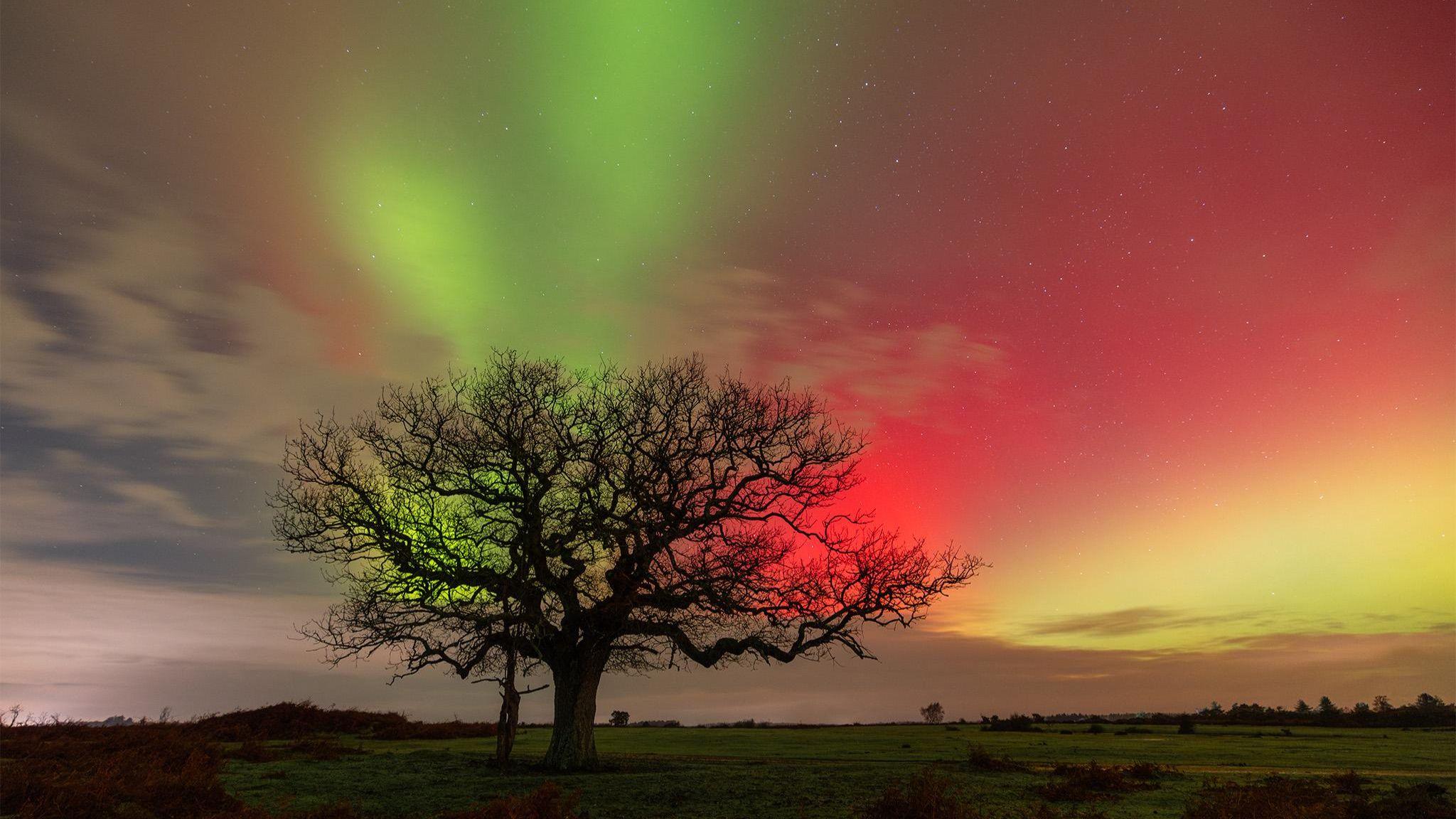
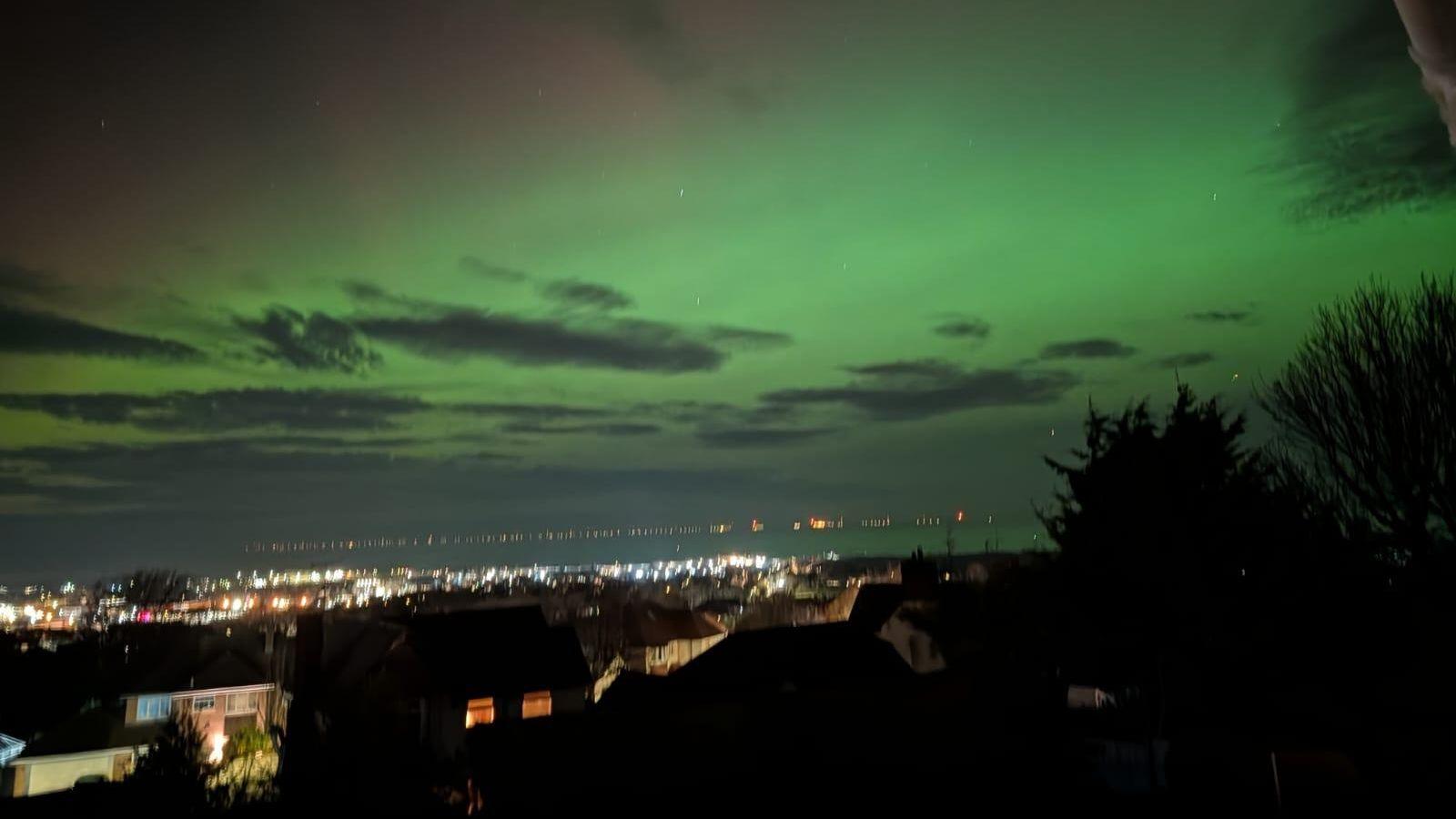
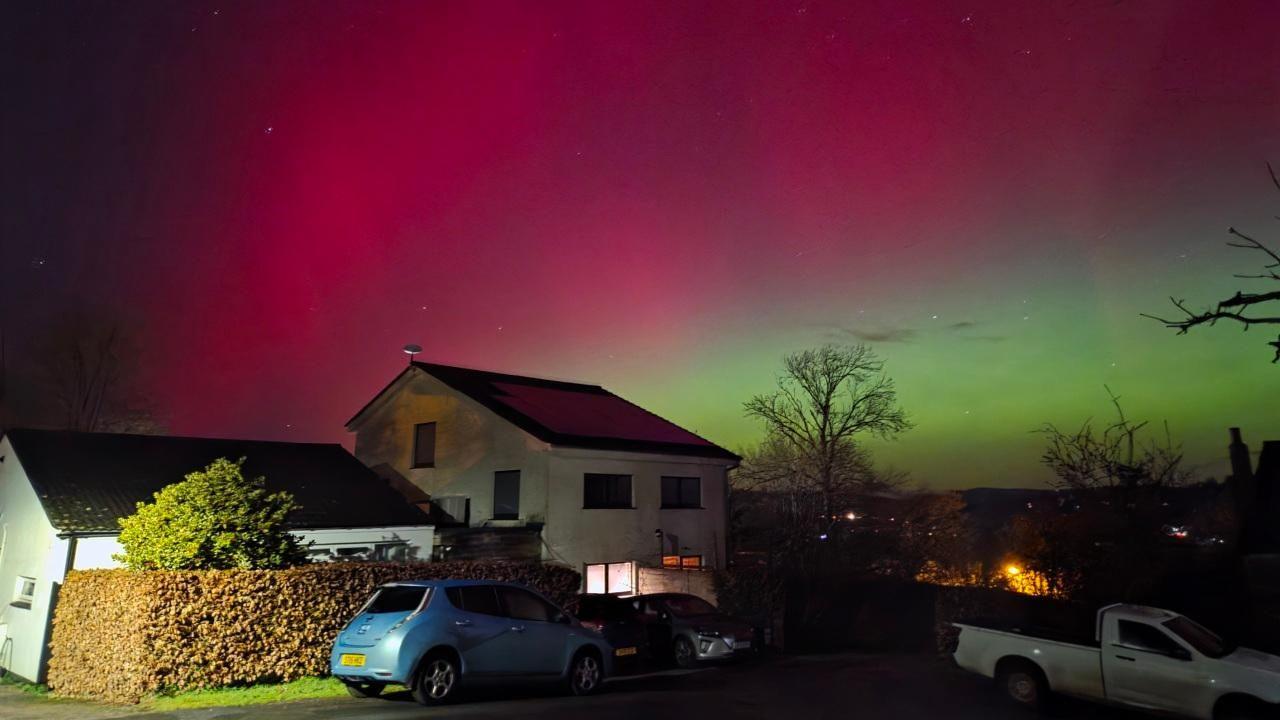
Photographs shared with the BBC captured the breathtaking scenes from various UK locations, including Penmachno in Conwy and Narberth in Pembrokeshire. The Met Office indicated that while the activity is expected to decline, parts of Scotland and Northern Ireland might still witness the auroras on Tuesday.
WHAT THIS MIGHT MEAN
The recent geomagnetic storms have not only provided a rare opportunity for many to witness the Northern Lights but also serve as a reminder of the potential vulnerabilities in our technological infrastructure. As solar activity continues to fluctuate, experts suggest that similar events could become more frequent, necessitating improved monitoring and preparedness to mitigate disruptions. The scientific community remains vigilant, with ongoing research into solar phenomena and their impacts on Earth, ensuring that both the beauty and the challenges of such natural events are well understood.
Images from the Web
Related Articles
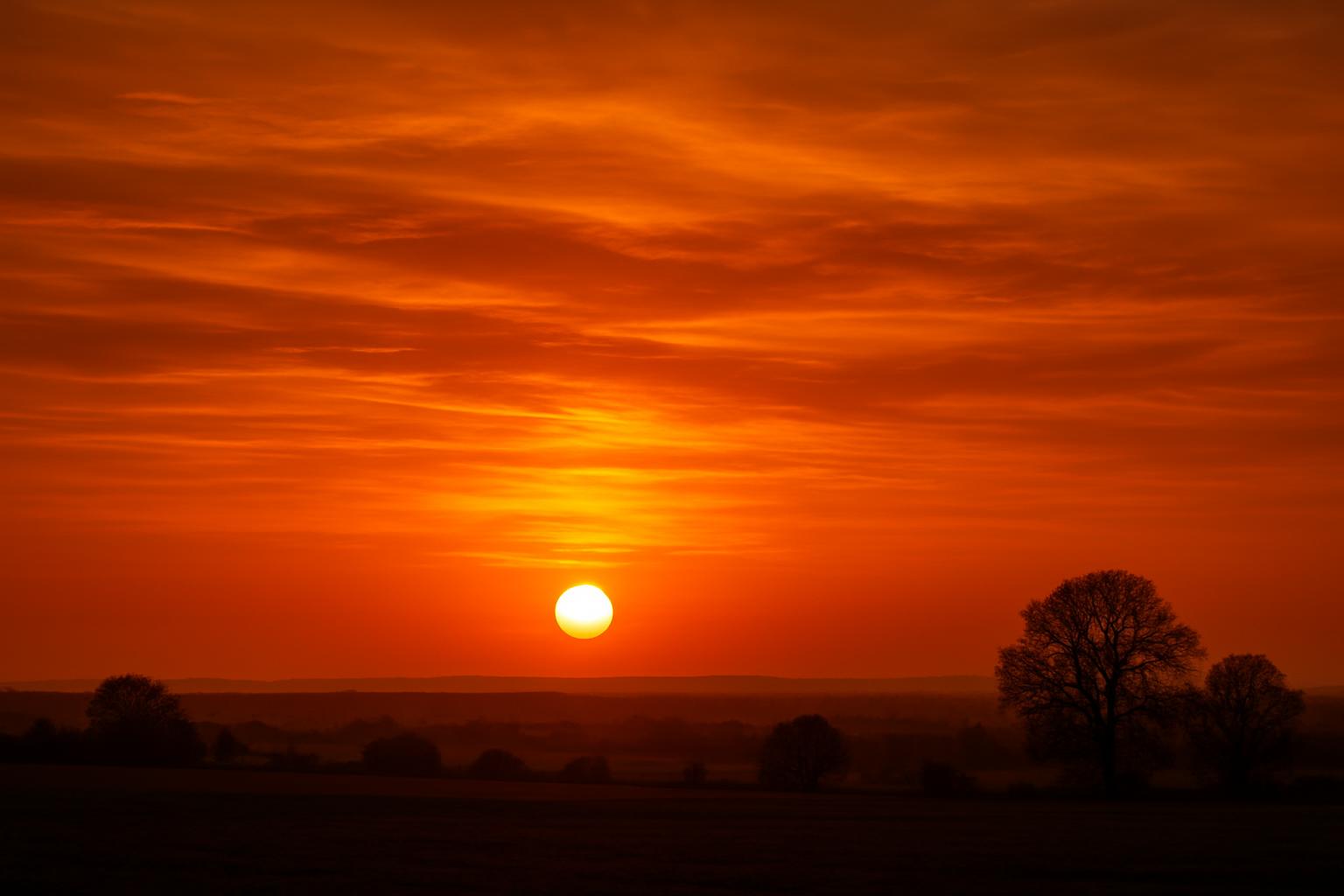
Saharan Dust to Illuminate UK Skies with Vivid Sunrises and Sunsets

Canada and Australia Forge Strategic Partnership Amid Global Uncertainty

UK Faces Dilemmas Amid Iran Conflict and China Spying Allegations

Police Federation Chief Arrested Amid Fraud Investigation

China Sets Lowest GDP Growth Target in Decades Amid Economic Challenges

UK Government to Reform Asylum Seeker Support and Employment Policies
Northern Lights Dazzle UK and Beyond Amid Intense Geomagnetic Storms
In This Article
 Leila Hassan| Published
 HIGHLIGHTS
- The Northern Lights, or Aurora Borealis, were visible across the UK, including Scotland, Northern Ireland, and parts of England and Wales, due to intense geomagnetic storms.
- The phenomenon resulted from a Coronal Mass Ejection (CME), where solar particles interact with Earth's atmospheric gases, creating vibrant colors.
- The Met Office reported "severe geomagnetic storms," with auroras visible as far south as northern Italy.
- The National Oceanic and Atmospheric Administration (NOAA) forecasted that the auroras might extend across Canada and northern US states, possibly reaching further south.
- The geomagnetic storms, the most intense in over two decades, could disrupt satellite operations and GPS communications.
The skies over the UK were illuminated with the vibrant hues of the Northern Lights on Monday evening, a rare spectacle attributed to intense geomagnetic storms. Known scientifically as the Aurora Borealis, this natural light display is typically confined to regions near the Arctic Circle. However, recent solar activity has extended its reach much further south, captivating observers across Scotland, Northern Ireland, and parts of England and Wales.
Geomagnetic Storms and Solar Activity
The Met Office confirmed that the dazzling display was the result of a Coronal Mass Ejection (CME), a significant solar event where the Sun emits large clouds of charged particles. As these particles collide with Earth's atmosphere, they interact with oxygen and nitrogen gases, producing the characteristic green, pink, and purple lights. "Severe geomagnetic storms" were observed, allowing the auroras to be seen as far south as northern Italy, according to the Met Office.
Widespread Visibility and Potential Disruptions
The National Oceanic and Atmospheric Administration (NOAA) also noted that the auroras could be visible across Canada and the northern United States, with potential sightings further south. Shawn Dahl, a service coordinator at NOAA's space weather prediction center, highlighted that such intense geomagnetic activity has not been recorded in over two decades. While the visual spectacle is awe-inspiring, these storms pose risks to satellite operations and GPS communications, as noted by the US Geological Survey.
A Rare and Captivating Display
Photographs shared with the BBC captured the breathtaking scenes from various UK locations, including Penmachno in Conwy and Narberth in Pembrokeshire. The Met Office indicated that while the activity is expected to decline, parts of Scotland and Northern Ireland might still witness the auroras on Tuesday.
WHAT THIS MIGHT MEAN
The recent geomagnetic storms have not only provided a rare opportunity for many to witness the Northern Lights but also serve as a reminder of the potential vulnerabilities in our technological infrastructure. As solar activity continues to fluctuate, experts suggest that similar events could become more frequent, necessitating improved monitoring and preparedness to mitigate disruptions. The scientific community remains vigilant, with ongoing research into solar phenomena and their impacts on Earth, ensuring that both the beauty and the challenges of such natural events are well understood.
Images from the Web
Related Articles
Saharan Dust to Illuminate UK Skies with Vivid Sunrises and Sunsets
Canada and Australia Forge Strategic Partnership Amid Global Uncertainty
UK Faces Dilemmas Amid Iran Conflict and China Spying Allegations
Police Federation Chief Arrested Amid Fraud Investigation
China Sets Lowest GDP Growth Target in Decades Amid Economic Challenges
UK Government to Reform Asylum Seeker Support and Employment Policies