
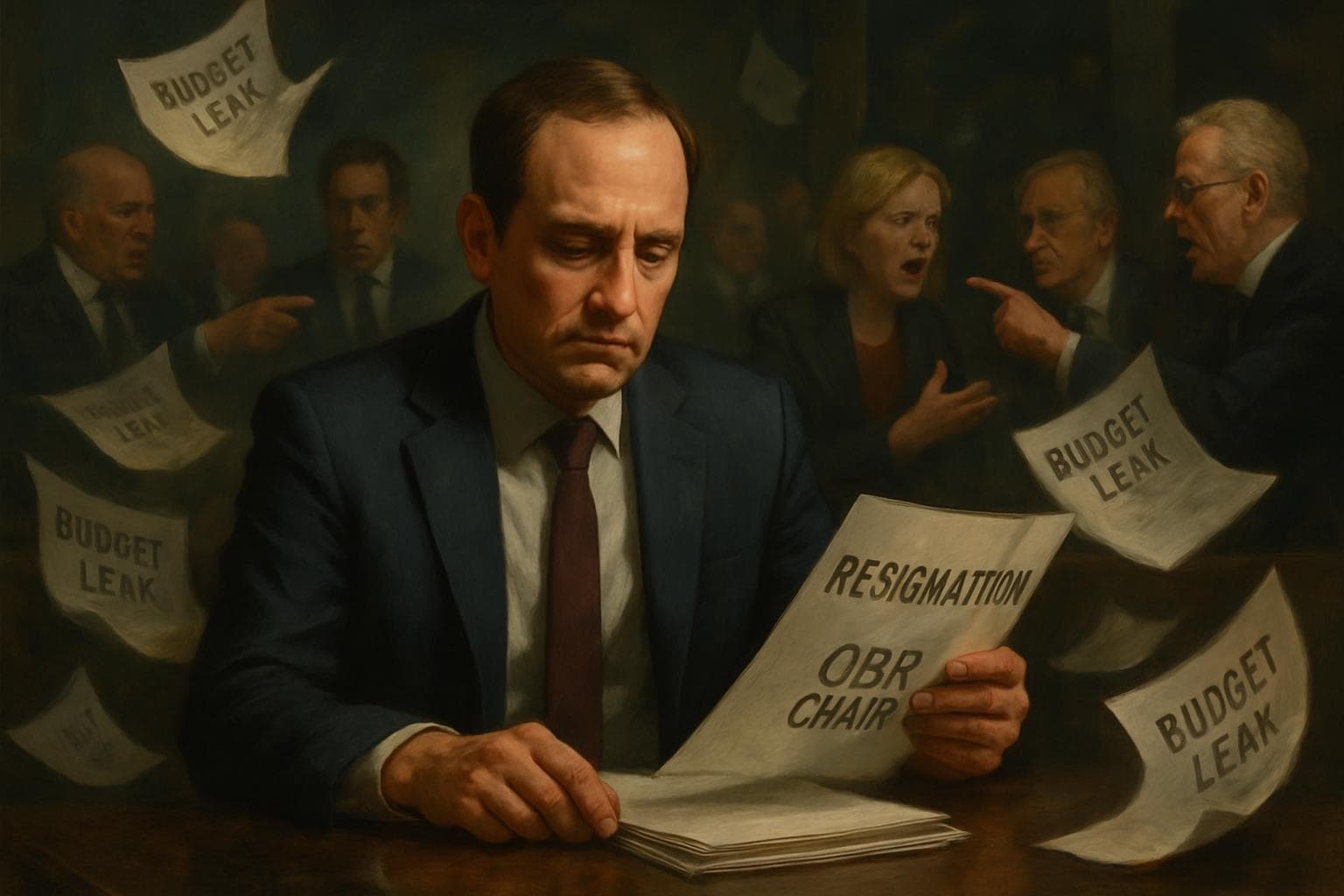
OBR Chair Resigns Amidst Budget Leak Controversy and Political Tensions
In This Article
HIGHLIGHTS
- Richard Hughes resigned as chair of the Office for Budget Responsibility (OBR) following an early release of budget documents, marking the worst failure in the OBR's 15-year history.
- The premature publication revealed key budget measures, including a three-year freeze on income tax and National Insurance thresholds, before the official announcement.
- Chancellor Rachel Reeves faced accusations of misleading the public about the state of public finances, though Prime Minister Keir Starmer defended her actions.
- The OBR's report blamed leadership for the leak and highlighted the need for improved security measures to prevent future breaches.
- The controversy has sparked political tension, with opposition leaders calling for accountability and questioning the government's handling of economic forecasts.
The Office for Budget Responsibility (OBR) has been thrust into the spotlight following the resignation of its chair, Richard Hughes, after an internal inquiry revealed a significant breach in budget document security. The incident, described as the "worst failure" in the OBR's 15-year history, involved the premature release of sensitive economic forecasts, which disrupted Chancellor Rachel Reeves's budget announcement.
Budget Leak Sparks Resignation
Richard Hughes stepped down from his role, taking full responsibility for the inadvertent early publication of the Economic and Fiscal Outlook (EFO) document. The leak, which occurred nearly an hour before Reeves's official budget speech, exposed key measures such as a three-year freeze on income tax and National Insurance thresholds. Hughes expressed his regret in a letter to both the chancellor and the Treasury Select Committee, acknowledging the damage inflicted on the OBR's reputation.
Political Fallout and Accusations
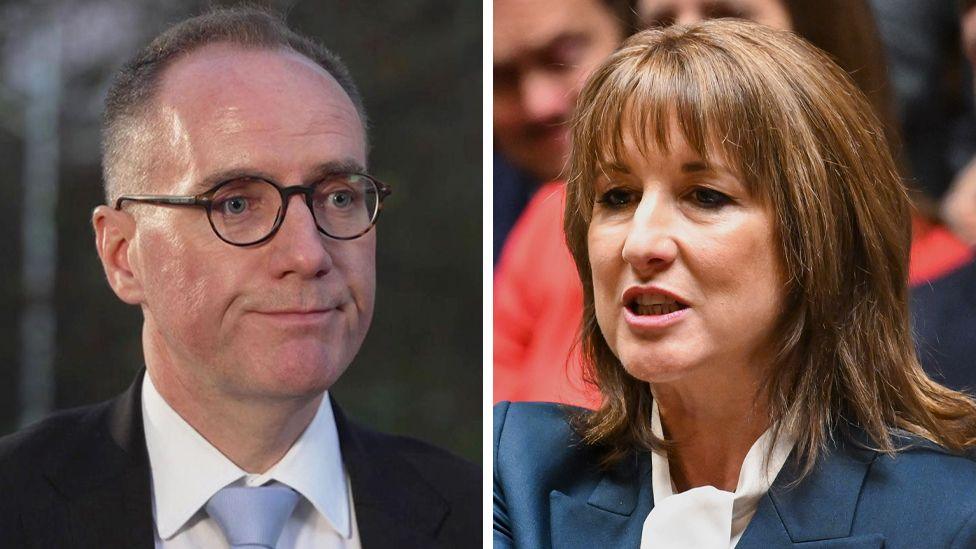
The leak has intensified political tensions, with Chancellor Reeves facing accusations of misleading the public regarding the nation's finances. Critics, including Conservative leader Kemi Badenoch, have accused Reeves of using the OBR's mishap as a "smokescreen" to justify potential tax increases. However, Prime Minister Keir Starmer defended Reeves, emphasizing the government's commitment to maintaining public spending and addressing the cost of living.
Investigation Findings and Recommendations
An investigation led by the OBR's chief of staff, Laura Gardiner, and former National Cyber Security Centre head Ciaran Martin, identified leadership failures as the root cause of the security breach. The report recommended auditing and enhancing the OBR's systems to prevent future incidents. It also highlighted the need for the Treasury and Cabinet Office to improve IT security measures.
Broader Implications and Future Steps
The controversy has prompted calls for greater accountability and transparency in handling economic forecasts. While the resignation of Hughes aims to restore confidence in the OBR, the incident underscores the challenges faced by the government in managing public finances and maintaining trust.
WHAT THIS MIGHT MEAN
The resignation of Richard Hughes and the subsequent fallout from the budget leak could lead to significant changes in how the OBR and the government handle sensitive economic information. The incident may prompt a review of security protocols and a push for greater transparency in fiscal reporting. Politically, the controversy could impact public perception of the government's economic management, potentially influencing voter sentiment ahead of future elections. As the government seeks to navigate these challenges, maintaining public trust and demonstrating fiscal responsibility will be crucial in shaping the UK's economic landscape.
Images from the Web
Related Articles
UK Achieves Record Budget Surplus Amid Calls for Fiscal Policy Reform
Middle East Conflict Drives UK Energy Prices to New Highs
Conservatives Propose Interest Rate Cap on Student Loans Amid Growing Debt Concerns
Reform UK to Reinstate Two-Child Benefit Cap Amidst Political Controversy

UK-Iran Tensions: Starmer Defends Cautious Approach Amid Trump Criticism
Antonia Romeo Appointed as First Female UK Cabinet Secretary Amid Controversy
OBR Chair Resigns Amidst Budget Leak Controversy and Political Tensions
In This Article
 Daniel Rivera| Published
 HIGHLIGHTS
- Richard Hughes resigned as chair of the Office for Budget Responsibility (OBR) following an early release of budget documents, marking the worst failure in the OBR's 15-year history.
- The premature publication revealed key budget measures, including a three-year freeze on income tax and National Insurance thresholds, before the official announcement.
- Chancellor Rachel Reeves faced accusations of misleading the public about the state of public finances, though Prime Minister Keir Starmer defended her actions.
- The OBR's report blamed leadership for the leak and highlighted the need for improved security measures to prevent future breaches.
- The controversy has sparked political tension, with opposition leaders calling for accountability and questioning the government's handling of economic forecasts.
The Office for Budget Responsibility (OBR) has been thrust into the spotlight following the resignation of its chair, Richard Hughes, after an internal inquiry revealed a significant breach in budget document security. The incident, described as the "worst failure" in the OBR's 15-year history, involved the premature release of sensitive economic forecasts, which disrupted Chancellor Rachel Reeves's budget announcement.
Budget Leak Sparks Resignation
Richard Hughes stepped down from his role, taking full responsibility for the inadvertent early publication of the Economic and Fiscal Outlook (EFO) document. The leak, which occurred nearly an hour before Reeves's official budget speech, exposed key measures such as a three-year freeze on income tax and National Insurance thresholds. Hughes expressed his regret in a letter to both the chancellor and the Treasury Select Committee, acknowledging the damage inflicted on the OBR's reputation.
Political Fallout and Accusations
The leak has intensified political tensions, with Chancellor Reeves facing accusations of misleading the public regarding the nation's finances. Critics, including Conservative leader Kemi Badenoch, have accused Reeves of using the OBR's mishap as a "smokescreen" to justify potential tax increases. However, Prime Minister Keir Starmer defended Reeves, emphasizing the government's commitment to maintaining public spending and addressing the cost of living.
Investigation Findings and Recommendations
An investigation led by the OBR's chief of staff, Laura Gardiner, and former National Cyber Security Centre head Ciaran Martin, identified leadership failures as the root cause of the security breach. The report recommended auditing and enhancing the OBR's systems to prevent future incidents. It also highlighted the need for the Treasury and Cabinet Office to improve IT security measures.
Broader Implications and Future Steps
The controversy has prompted calls for greater accountability and transparency in handling economic forecasts. While the resignation of Hughes aims to restore confidence in the OBR, the incident underscores the challenges faced by the government in managing public finances and maintaining trust.
WHAT THIS MIGHT MEAN
The resignation of Richard Hughes and the subsequent fallout from the budget leak could lead to significant changes in how the OBR and the government handle sensitive economic information. The incident may prompt a review of security protocols and a push for greater transparency in fiscal reporting. Politically, the controversy could impact public perception of the government's economic management, potentially influencing voter sentiment ahead of future elections. As the government seeks to navigate these challenges, maintaining public trust and demonstrating fiscal responsibility will be crucial in shaping the UK's economic landscape.
Images from the Web
Related Articles
UK Achieves Record Budget Surplus Amid Calls for Fiscal Policy Reform
Middle East Conflict Drives UK Energy Prices to New Highs
Conservatives Propose Interest Rate Cap on Student Loans Amid Growing Debt Concerns
Reform UK to Reinstate Two-Child Benefit Cap Amidst Political Controversy
UK-Iran Tensions: Starmer Defends Cautious Approach Amid Trump Criticism
Antonia Romeo Appointed as First Female UK Cabinet Secretary Amid Controversy