
Ofgem Raises Energy Price Cap Amidst Rising Household Debt and Cost of Living Concerns
In This Article
HIGHLIGHTS
- Ofgem announced a 0.2% increase in the energy price cap, affecting millions of households in Great Britain starting January.
- The average annual dual fuel bill will rise slightly to £1,758, despite a 4% drop in wholesale energy prices over the past three months.
- UK energy debt has surged to a record £4.4 billion, with nearly 7 million households in debt to their energy suppliers.
- The government is considering measures such as removing VAT from energy bills to alleviate the cost of living crisis.
- Citizens Advice and other charities urge further government action to address high energy costs and household debt.
Millions of households across Great Britain are set to experience a slight increase in their energy bills this winter, following Ofgem's announcement of a 0.2% rise in the energy price cap. This adjustment, effective from January, will see the average annual dual fuel bill increase to £1,758, affecting those on variable tariffs in England, Wales, and Scotland.
Energy Price Cap Details
The price cap, which limits the maximum charge for each unit of gas and electricity, is designed to protect consumers from excessive charges. Despite a 4% reduction in wholesale energy prices over the past three months, the cap has been adjusted upwards, reflecting ongoing volatility in the energy market. Tim Jarvis, Ofgem's director general for markets, emphasized that while energy prices have decreased in real terms, many households may not feel the relief due to persistent high costs.
Rising Energy Debt
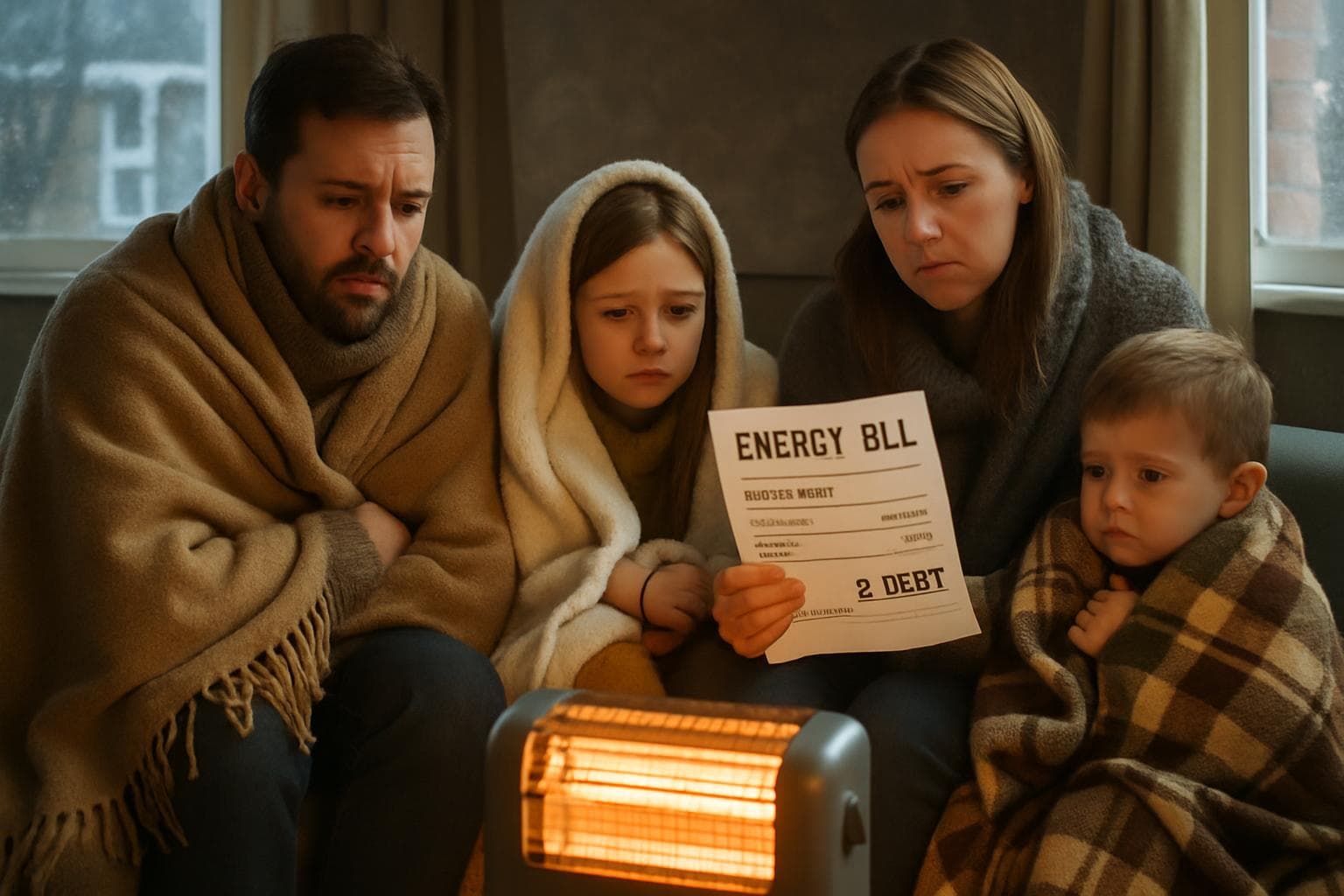
The increase comes amidst a backdrop of escalating energy debt in the UK, which has reached a record £4.4 billion. Nearly 7 million households are currently in debt to their energy suppliers, with the average debt amounting to nearly £1,700. Adam Scorer, chief executive of National Energy Action, highlighted the severe impact on households, noting that many are forced to ration heating and endure cold, damp conditions.
Government and Charitable Responses
In response to the ongoing cost of living crisis, the government is exploring potential relief measures, including the removal of VAT from energy bills, which could reduce annual costs by approximately £80. Energy Minister Martin McCluskey reiterated the government's commitment to long-term solutions through its clean power mission. Meanwhile, charities like Citizens Advice are calling for immediate action to alleviate household energy debt, suggesting the removal of environmental levies from bills.
Expert Opinions and Consumer Advice
Experts, including those from Cornwall Insight, had anticipated a decrease in energy prices, but the unexpected rise underscores the complexity of the current energy landscape. Consumers are advised to explore practical ways to reduce their energy consumption, such as using smart technology and servicing boilers, to mitigate the impact of rising costs.
WHAT THIS MIGHT MEAN
The recent increase in the energy price cap highlights the ongoing challenges faced by households amid the cost of living crisis. As energy debt continues to climb, the government's response in the upcoming budget will be crucial in determining the extent of relief provided to struggling families. Removing VAT from energy bills could offer immediate financial relief, but long-term solutions will require a comprehensive approach to energy policy and infrastructure investment. Experts suggest that addressing the root causes of high energy costs, such as network maintenance and environmental levies, will be essential in stabilizing prices and reducing household debt in the future.
Related Articles

Saharan Dust to Illuminate UK Skies with Vivid Sunrises and Sunsets
Middle East Conflict Drives UK Energy Prices to New Highs
Trump's New Tariff Strategy Sparks Global Trade Uncertainty

Police Federation Chief Arrested Amid Fraud Investigation

Canada and Australia Forge Strategic Partnership Amid Global Uncertainty

UK Government to Reform Asylum Seeker Support and Employment Policies
Ofgem Raises Energy Price Cap Amidst Rising Household Debt and Cost of Living Concerns
In This Article
 Daniel Rivera| Published
 HIGHLIGHTS
- Ofgem announced a 0.2% increase in the energy price cap, affecting millions of households in Great Britain starting January.
- The average annual dual fuel bill will rise slightly to £1,758, despite a 4% drop in wholesale energy prices over the past three months.
- UK energy debt has surged to a record £4.4 billion, with nearly 7 million households in debt to their energy suppliers.
- The government is considering measures such as removing VAT from energy bills to alleviate the cost of living crisis.
- Citizens Advice and other charities urge further government action to address high energy costs and household debt.
Millions of households across Great Britain are set to experience a slight increase in their energy bills this winter, following Ofgem's announcement of a 0.2% rise in the energy price cap. This adjustment, effective from January, will see the average annual dual fuel bill increase to £1,758, affecting those on variable tariffs in England, Wales, and Scotland.
Energy Price Cap Details
The price cap, which limits the maximum charge for each unit of gas and electricity, is designed to protect consumers from excessive charges. Despite a 4% reduction in wholesale energy prices over the past three months, the cap has been adjusted upwards, reflecting ongoing volatility in the energy market. Tim Jarvis, Ofgem's director general for markets, emphasized that while energy prices have decreased in real terms, many households may not feel the relief due to persistent high costs.
Rising Energy Debt
The increase comes amidst a backdrop of escalating energy debt in the UK, which has reached a record £4.4 billion. Nearly 7 million households are currently in debt to their energy suppliers, with the average debt amounting to nearly £1,700. Adam Scorer, chief executive of National Energy Action, highlighted the severe impact on households, noting that many are forced to ration heating and endure cold, damp conditions.
Government and Charitable Responses
In response to the ongoing cost of living crisis, the government is exploring potential relief measures, including the removal of VAT from energy bills, which could reduce annual costs by approximately £80. Energy Minister Martin McCluskey reiterated the government's commitment to long-term solutions through its clean power mission. Meanwhile, charities like Citizens Advice are calling for immediate action to alleviate household energy debt, suggesting the removal of environmental levies from bills.
Expert Opinions and Consumer Advice
Experts, including those from Cornwall Insight, had anticipated a decrease in energy prices, but the unexpected rise underscores the complexity of the current energy landscape. Consumers are advised to explore practical ways to reduce their energy consumption, such as using smart technology and servicing boilers, to mitigate the impact of rising costs.
WHAT THIS MIGHT MEAN
The recent increase in the energy price cap highlights the ongoing challenges faced by households amid the cost of living crisis. As energy debt continues to climb, the government's response in the upcoming budget will be crucial in determining the extent of relief provided to struggling families. Removing VAT from energy bills could offer immediate financial relief, but long-term solutions will require a comprehensive approach to energy policy and infrastructure investment. Experts suggest that addressing the root causes of high energy costs, such as network maintenance and environmental levies, will be essential in stabilizing prices and reducing household debt in the future.
Related Articles
Saharan Dust to Illuminate UK Skies with Vivid Sunrises and Sunsets
Middle East Conflict Drives UK Energy Prices to New Highs
Trump's New Tariff Strategy Sparks Global Trade Uncertainty
Police Federation Chief Arrested Amid Fraud Investigation
Canada and Australia Forge Strategic Partnership Amid Global Uncertainty
UK Government to Reform Asylum Seeker Support and Employment Policies