
Calls for Overhaul of Domestic Abuse Screening Tool Amid Rising Concerns
In This Article
HIGHLIGHTS
- The Dash questionnaire, a key tool for assessing domestic abuse risk, is under scrutiny for failing to identify high-risk victims accurately.
- Safeguarding Minister Jess Phillips acknowledged the tool's flaws and is reviewing the system, but changes won't happen immediately.
- Families of victims who were not classified as high risk are considering legal action against institutions they believe failed their loved ones.
- Studies reveal that a significant number of high-risk victims were previously assessed as low or medium risk using the Dash tool.
- The Home Office is reviewing how agencies handle domestic abuse cases as part of a broader strategy to combat violence against women.
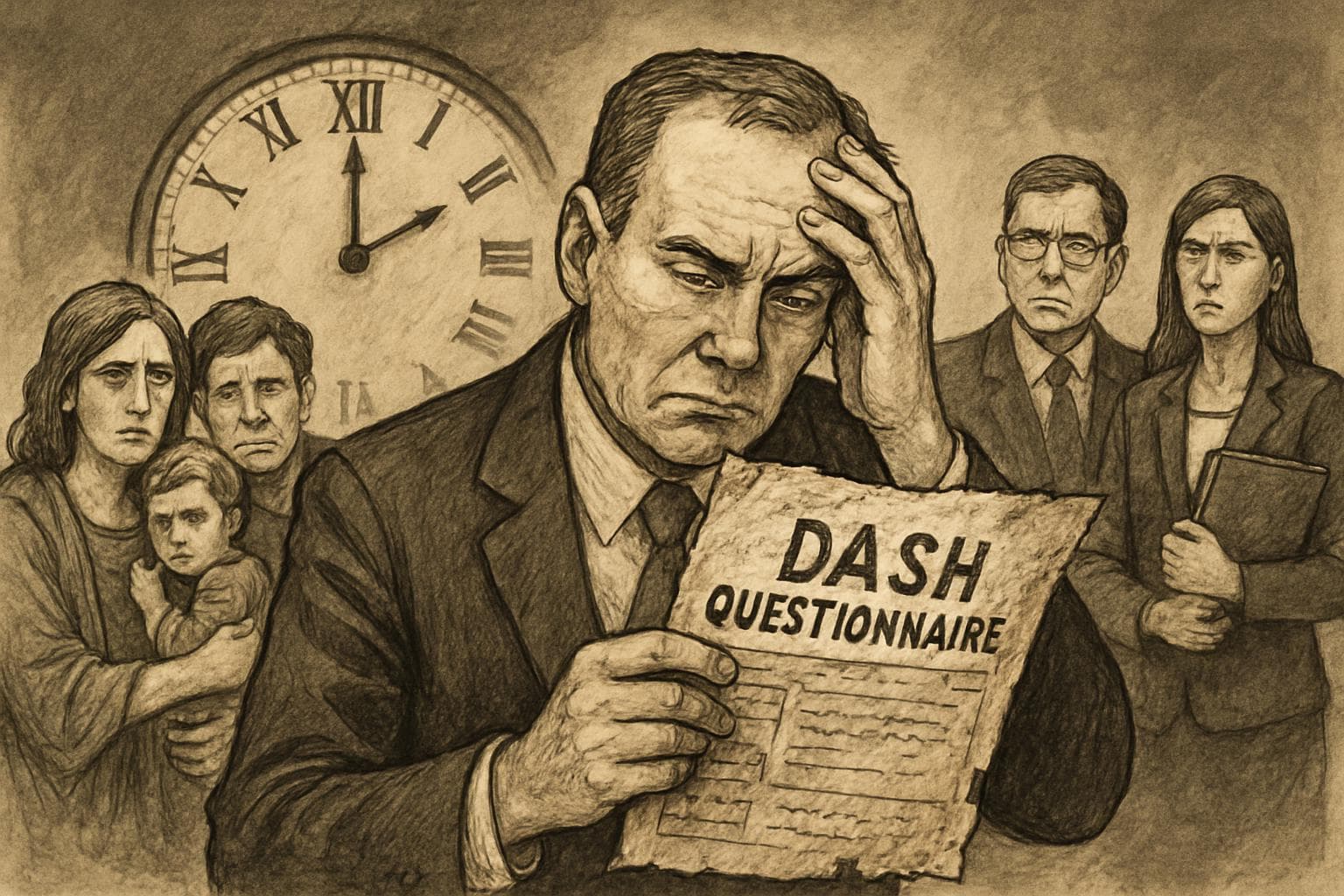
The Dash questionnaire, a widely used tool for assessing the risk of domestic abuse victims, is facing mounting criticism for its inability to accurately identify those at high risk. Safeguarding Minister Jess Phillips has admitted that the tool, which has been in use since 2009, has "obvious problems" and requires replacement. However, she cautioned that changes to the system would not occur overnight.
Concerns Over Effectiveness
The Dash (Domestic Abuse, Stalking, Harassment, and Honour-Based Violence) questionnaire consists of 27 questions designed to evaluate the risk level of victims. Despite its widespread use by police, social services, and healthcare workers across the UK, academics and sector professionals have raised concerns about its reliability. Studies, including one from the London School of Economics, have shown that nearly 90% of repeat violence cases involved victims previously classified as standard or medium risk by the Dash tool.
Legal Actions and Personal Tragedies
Families of women who were murdered after being misclassified by the Dash tool are now exploring legal action against the institutions they believe failed them. Lawyer Matthew Jury emphasized that these are not just statistics but preventable tragedies that devastate families. Nour Norris, whose sister and niece were killed in 2018, shared that their risk was downgraded to a "tick-box exercise," highlighting the tool's inadequacies.
Government Response and Future Plans
In response to these concerns, the Home Office is reviewing how all agencies handle domestic abuse cases, including risk assessments. This review is part of a broader strategy to tackle violence against women and girls, expected to be published in the autumn. Jess Phillips stressed that while the Dash tool is flawed, any risk assessment tool's effectiveness depends on the practitioner's understanding of dynamic risk factors.
WHAT THIS MIGHT MEAN
The ongoing review of the Dash questionnaire and related systems could lead to significant changes in how domestic abuse cases are assessed and managed in the UK. If a more effective tool is developed, it could improve the identification and protection of high-risk victims, potentially reducing domestic homicides. However, the transition to a new system may face challenges, including training practitioners and ensuring consistent implementation across agencies. Legal actions by victims' families could also prompt quicker reforms and accountability within institutions. As the government prepares to release its strategy on violence against women, the effectiveness of these measures will be closely scrutinized by both the public and professionals in the sector.
Related Articles

Police Federation Chief Arrested Amid Fraud Investigation

UK Government to Reform Asylum Seeker Support and Employment Policies

Canada and Australia Forge Strategic Partnership Amid Global Uncertainty
Middle East Conflict Drives UK Energy Prices to New Highs

UK Faces Dilemmas Amid Iran Conflict and China Spying Allegations

UK Reinforces Military Presence in Cyprus Amid Middle East Tensions
Calls for Overhaul of Domestic Abuse Screening Tool Amid Rising Concerns
In This Article
 Sofia Romano| Published
 HIGHLIGHTS
- The Dash questionnaire, a key tool for assessing domestic abuse risk, is under scrutiny for failing to identify high-risk victims accurately.
- Safeguarding Minister Jess Phillips acknowledged the tool's flaws and is reviewing the system, but changes won't happen immediately.
- Families of victims who were not classified as high risk are considering legal action against institutions they believe failed their loved ones.
- Studies reveal that a significant number of high-risk victims were previously assessed as low or medium risk using the Dash tool.
- The Home Office is reviewing how agencies handle domestic abuse cases as part of a broader strategy to combat violence against women.
The Dash questionnaire, a widely used tool for assessing the risk of domestic abuse victims, is facing mounting criticism for its inability to accurately identify those at high risk. Safeguarding Minister Jess Phillips has admitted that the tool, which has been in use since 2009, has "obvious problems" and requires replacement. However, she cautioned that changes to the system would not occur overnight.
Concerns Over Effectiveness
The Dash (Domestic Abuse, Stalking, Harassment, and Honour-Based Violence) questionnaire consists of 27 questions designed to evaluate the risk level of victims. Despite its widespread use by police, social services, and healthcare workers across the UK, academics and sector professionals have raised concerns about its reliability. Studies, including one from the London School of Economics, have shown that nearly 90% of repeat violence cases involved victims previously classified as standard or medium risk by the Dash tool.
Legal Actions and Personal Tragedies
Families of women who were murdered after being misclassified by the Dash tool are now exploring legal action against the institutions they believe failed them. Lawyer Matthew Jury emphasized that these are not just statistics but preventable tragedies that devastate families. Nour Norris, whose sister and niece were killed in 2018, shared that their risk was downgraded to a "tick-box exercise," highlighting the tool's inadequacies.
Government Response and Future Plans
In response to these concerns, the Home Office is reviewing how all agencies handle domestic abuse cases, including risk assessments. This review is part of a broader strategy to tackle violence against women and girls, expected to be published in the autumn. Jess Phillips stressed that while the Dash tool is flawed, any risk assessment tool's effectiveness depends on the practitioner's understanding of dynamic risk factors.
WHAT THIS MIGHT MEAN
The ongoing review of the Dash questionnaire and related systems could lead to significant changes in how domestic abuse cases are assessed and managed in the UK. If a more effective tool is developed, it could improve the identification and protection of high-risk victims, potentially reducing domestic homicides. However, the transition to a new system may face challenges, including training practitioners and ensuring consistent implementation across agencies. Legal actions by victims' families could also prompt quicker reforms and accountability within institutions. As the government prepares to release its strategy on violence against women, the effectiveness of these measures will be closely scrutinized by both the public and professionals in the sector.
Related Articles
Police Federation Chief Arrested Amid Fraud Investigation
UK Government to Reform Asylum Seeker Support and Employment Policies
Canada and Australia Forge Strategic Partnership Amid Global Uncertainty
Middle East Conflict Drives UK Energy Prices to New Highs
UK Faces Dilemmas Amid Iran Conflict and China Spying Allegations
UK Reinforces Military Presence in Cyprus Amid Middle East Tensions