
Tragedy in Patagonia: Hikers Demand Accountability After Deadly Snowstorm
In This Article
HIGHLIGHTS
- Five hikers died in a snowstorm in Chile's Torres del Paine National Park on November 17, sparking criticism over the emergency response.
- Survivors, including Robyn Lewis and Emily Dong, expressed anger at the lack of timely warnings and inadequate safety measures.
- The storm brought winds of 190 km/h and temperatures felt like -20°C, leading to hypothermia deaths.
- Survivors are demanding accountability from Chile's government, Conaf, Las Torres hotel, and Vertice travel agency.
- The absence of park rangers due to mandatory voting and locked shelters exacerbated the crisis.
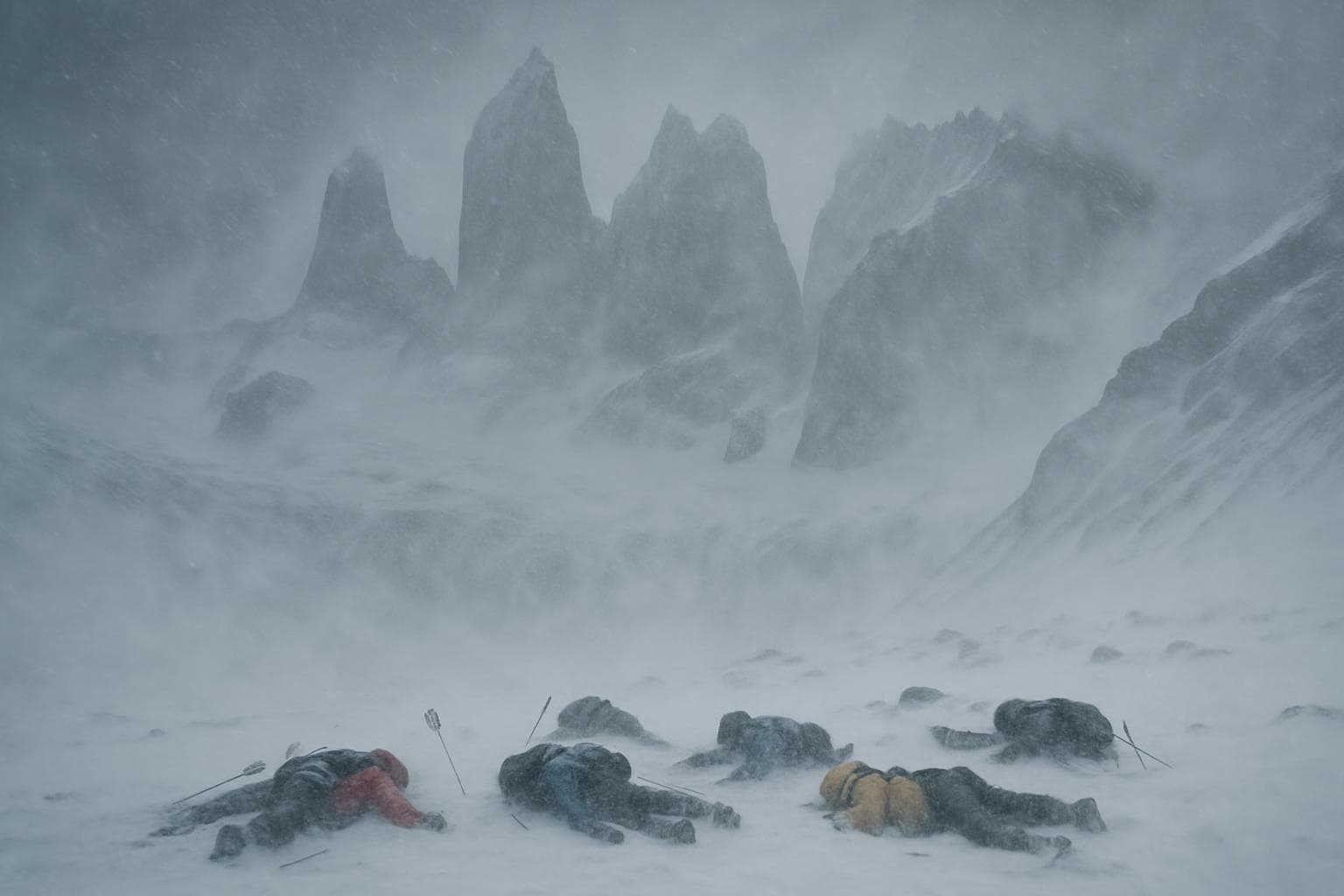
A devastating snowstorm in Chile's Torres del Paine National Park has left five hikers dead and sparked widespread criticism over the handling of the emergency. Survivors of the November 17 storm, which brought winds of 190 km/h and temperatures that felt like -20°C, are demanding answers from authorities and travel operators.
Survivors' Anguish and Criticism
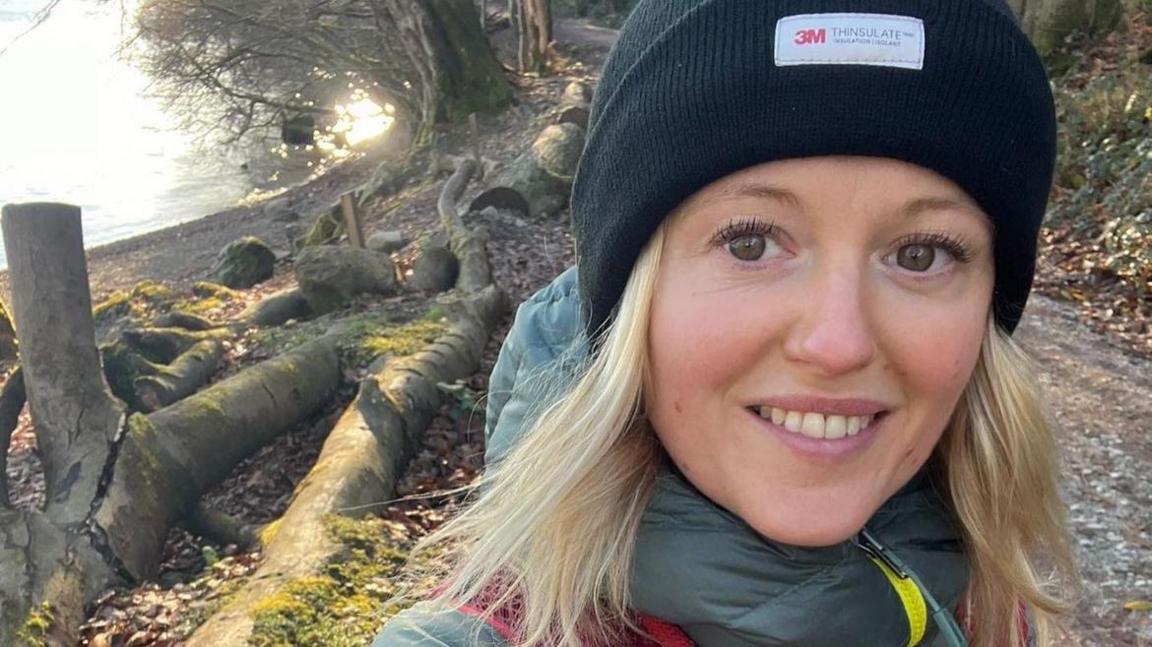
Robyn Lewis, an Australian survivor, voiced her frustration over the slow response from the Chilean government, the National Forestry Corporation (Conaf), and travel operators Las Torres hotel and Vertice. "The lack of care demonstrated was really upsetting," Lewis told the BBC, highlighting the absence of timely warnings despite poor weather forecasts.
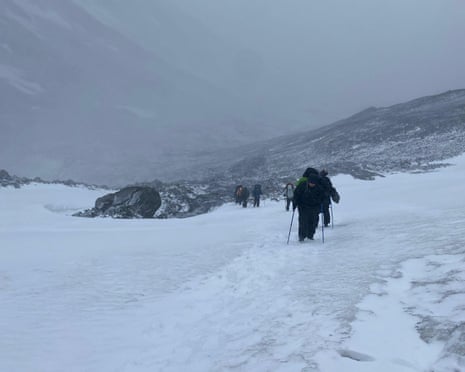
Emily Dong, another survivor from Sydney, recounted the harrowing experience of crawling across ice sheets under the relentless storm. "We feared for our lives," she said, describing how the group was misled about available shelters, which were found locked.
Communication Failures and Emergency Response
The storm claimed the lives of a British woman, a German couple, and a Mexican couple, all succumbing to hypothermia. Survivors criticized the absence of park rangers, who were unavailable due to mandatory voting in Chile's presidential election. Mauricio Ruiz, Conaf's regional director, acknowledged the communication failures that may have contributed to the tragedy.
Las Torres and Vertice have expressed their condolences and are cooperating with the ongoing investigation. Vertice clarified that most tourists embarked on self-managed hikes, and the company was not responsible for guiding them. Both companies have pledged to assist authorities in reviewing safety protocols.
Calls for Improved Safety Measures
The survivors, including more than 50 individuals, are now calling for significant changes to ensure hiker safety in the future. They argue that the park should have been closed given the severe weather conditions and the absence of rangers.
WHAT THIS MIGHT MEAN
The tragic events in Torres del Paine National Park could lead to significant changes in how hiking safety is managed in Chile. Authorities may face pressure to enhance communication systems and ensure that accurate weather warnings are disseminated promptly. The incident could also prompt a review of park management policies, particularly regarding ranger availability and shelter accessibility. As the investigation unfolds, there may be legal and political ramifications for the entities involved, potentially leading to stricter regulations and improved safety protocols for hikers in the region.
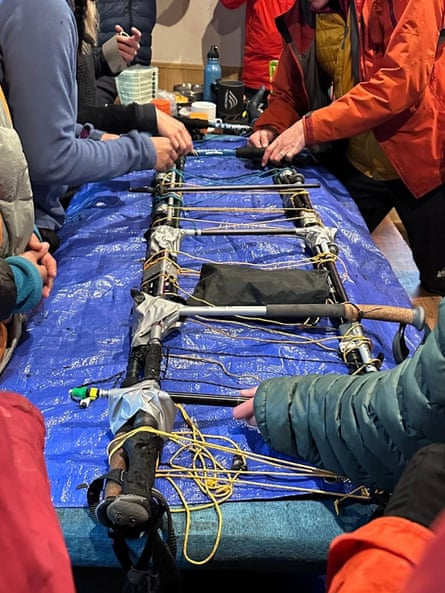
Images from the Web
Related Articles

UK Faces Persistent Flooding Amid Record Wet Winter

Canada Calls for De-escalation Amid US-Israel Strikes on Iran

Iranian Students Lead Major Protests Amid Rising US-Iran Tensions

Robert Carlyle Joins Line of Duty for Thrilling Seventh Series
Inside the Dark Web: How Investigator Greg Squire Rescues Children from Abuse

Gisèle Pelicot: A Journey from Horror to Advocacy in France's Largest Rape Trial
Tragedy in Patagonia: Hikers Demand Accountability After Deadly Snowstorm
In This Article
 Leila Hassan| Published
 HIGHLIGHTS
- Five hikers died in a snowstorm in Chile's Torres del Paine National Park on November 17, sparking criticism over the emergency response.
- Survivors, including Robyn Lewis and Emily Dong, expressed anger at the lack of timely warnings and inadequate safety measures.
- The storm brought winds of 190 km/h and temperatures felt like -20°C, leading to hypothermia deaths.
- Survivors are demanding accountability from Chile's government, Conaf, Las Torres hotel, and Vertice travel agency.
- The absence of park rangers due to mandatory voting and locked shelters exacerbated the crisis.
A devastating snowstorm in Chile's Torres del Paine National Park has left five hikers dead and sparked widespread criticism over the handling of the emergency. Survivors of the November 17 storm, which brought winds of 190 km/h and temperatures that felt like -20°C, are demanding answers from authorities and travel operators.
Survivors' Anguish and Criticism
Robyn Lewis, an Australian survivor, voiced her frustration over the slow response from the Chilean government, the National Forestry Corporation (Conaf), and travel operators Las Torres hotel and Vertice. "The lack of care demonstrated was really upsetting," Lewis told the BBC, highlighting the absence of timely warnings despite poor weather forecasts.
Emily Dong, another survivor from Sydney, recounted the harrowing experience of crawling across ice sheets under the relentless storm. "We feared for our lives," she said, describing how the group was misled about available shelters, which were found locked.
Communication Failures and Emergency Response
The storm claimed the lives of a British woman, a German couple, and a Mexican couple, all succumbing to hypothermia. Survivors criticized the absence of park rangers, who were unavailable due to mandatory voting in Chile's presidential election. Mauricio Ruiz, Conaf's regional director, acknowledged the communication failures that may have contributed to the tragedy.
Las Torres and Vertice have expressed their condolences and are cooperating with the ongoing investigation. Vertice clarified that most tourists embarked on self-managed hikes, and the company was not responsible for guiding them. Both companies have pledged to assist authorities in reviewing safety protocols.
Calls for Improved Safety Measures
The survivors, including more than 50 individuals, are now calling for significant changes to ensure hiker safety in the future. They argue that the park should have been closed given the severe weather conditions and the absence of rangers.
WHAT THIS MIGHT MEAN
The tragic events in Torres del Paine National Park could lead to significant changes in how hiking safety is managed in Chile. Authorities may face pressure to enhance communication systems and ensure that accurate weather warnings are disseminated promptly. The incident could also prompt a review of park management policies, particularly regarding ranger availability and shelter accessibility. As the investigation unfolds, there may be legal and political ramifications for the entities involved, potentially leading to stricter regulations and improved safety protocols for hikers in the region.
Images from the Web
Related Articles
UK Faces Persistent Flooding Amid Record Wet Winter
Canada Calls for De-escalation Amid US-Israel Strikes on Iran
Iranian Students Lead Major Protests Amid Rising US-Iran Tensions
Robert Carlyle Joins Line of Duty for Thrilling Seventh Series
Inside the Dark Web: How Investigator Greg Squire Rescues Children from Abuse
Gisèle Pelicot: A Journey from Horror to Advocacy in France's Largest Rape Trial