
Pauline Hanson Suspended from Senate Over Controversial Burqa Stunt
In This Article
HIGHLIGHTS
- Pauline Hanson was suspended from the Australian Senate for a week after wearing a burqa in protest, aiming to push for a ban on the garment.
- The Senate passed a censure motion against Hanson, condemning her actions as disrespectful to Muslim Australians and intended to vilify based on religion.
- Hanson's stunt was widely criticized by fellow senators, including Penny Wong and Mehreen Faruqi, who accused her of perpetuating racism.
- This incident marks the second time Hanson has worn a burqa in parliament, previously doing so in 2017 to advocate for a national ban.
- Hanson's actions have sparked debates on religious discrimination and the role of national security in legislative decisions.
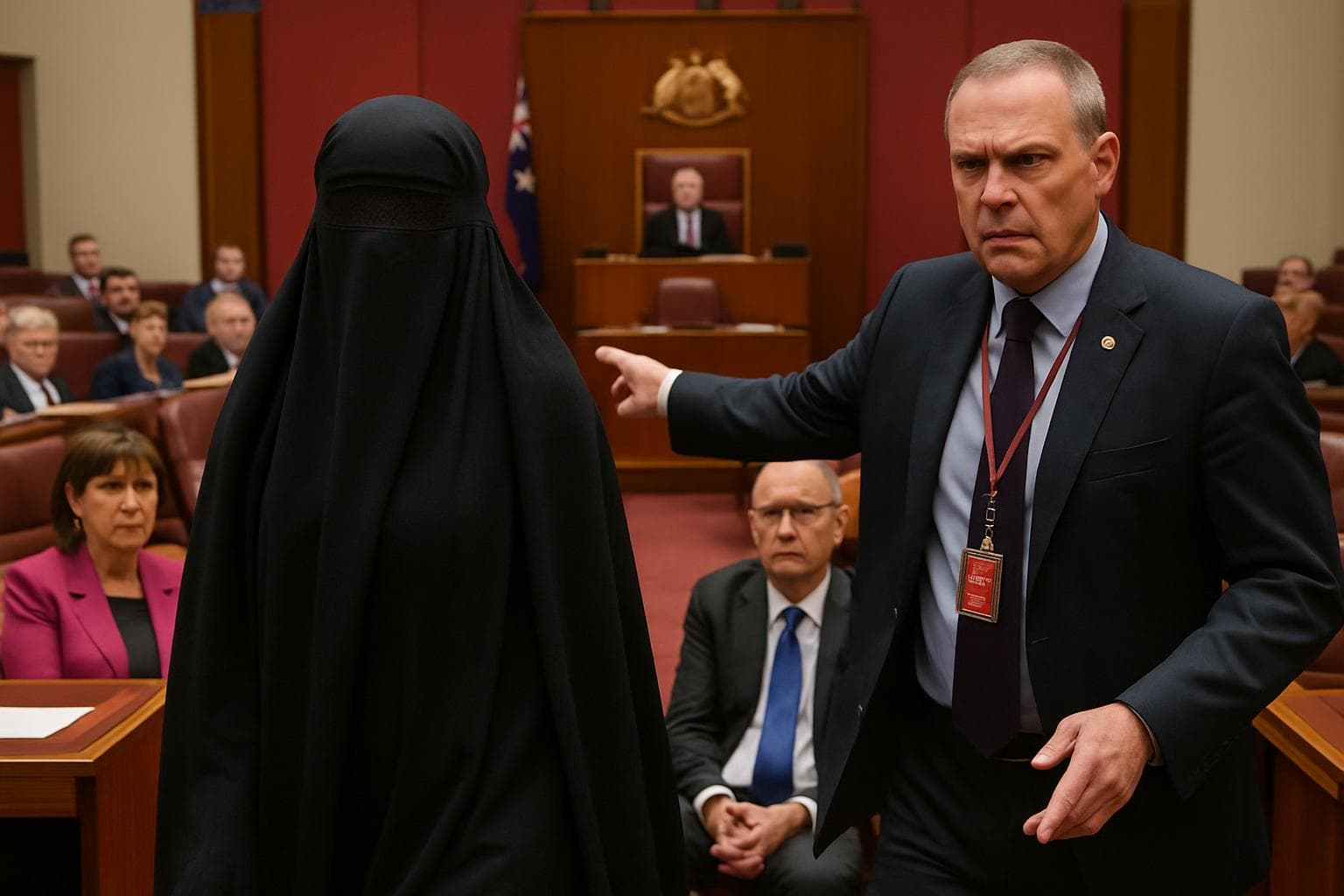
Pauline Hanson, leader of Australia's One Nation party, has been suspended from the Senate for a week following a controversial protest involving the wearing of a burqa. The Queensland senator, known for her anti-immigration stance, donned the garment in an attempt to push for a ban on full-face coverings, a policy she has long championed. This move, however, was met with widespread condemnation from her parliamentary colleagues.
Senate Condemnation and Censure
On Monday, Hanson's actions led to a formal censure motion, which passed with a significant majority of 55 votes to five. The motion criticized her for intending to vilify and mock people based on their religion, specifically targeting Muslim Australians. Foreign Minister Penny Wong, who spearheaded the censure, accused Hanson of parading prejudice as protest, a sentiment echoed by many in the chamber.
Historical Context and Reactions
This is not the first time Hanson has used the burqa as a symbol of protest. In 2017, she similarly wore the garment in parliament, sparking outrage and accusations of disrespect towards the Islamic community. Mehreen Faruqi, a Muslim Greens senator, labeled Hanson's recent actions as blatant racism, while independent senator Fatima Payman called the stunt disgraceful.
Broader Implications and National Security Debate
Hanson defended her actions by framing the burqa as a national security issue, drawing parallels to the requirement for removing helmets in banks. Despite her claims, she failed to cite specific safety incidents linked to the burqa. Critics argue that such stunts exacerbate existing safety risks for Muslim women and deepen societal divides.
WHAT THIS MIGHT MEAN
Hanson's suspension and the subsequent censure motion highlight the ongoing tensions within Australian politics regarding religious freedom and national security. The incident may prompt further discussions on the balance between individual rights and public safety, potentially influencing future legislative proposals. Experts suggest that Hanson's actions could lead to increased scrutiny of political rhetoric and its impact on minority communities. As the debate continues, the Australian Senate faces the challenge of addressing these complex issues while maintaining respect and inclusivity within its proceedings.
Related Articles
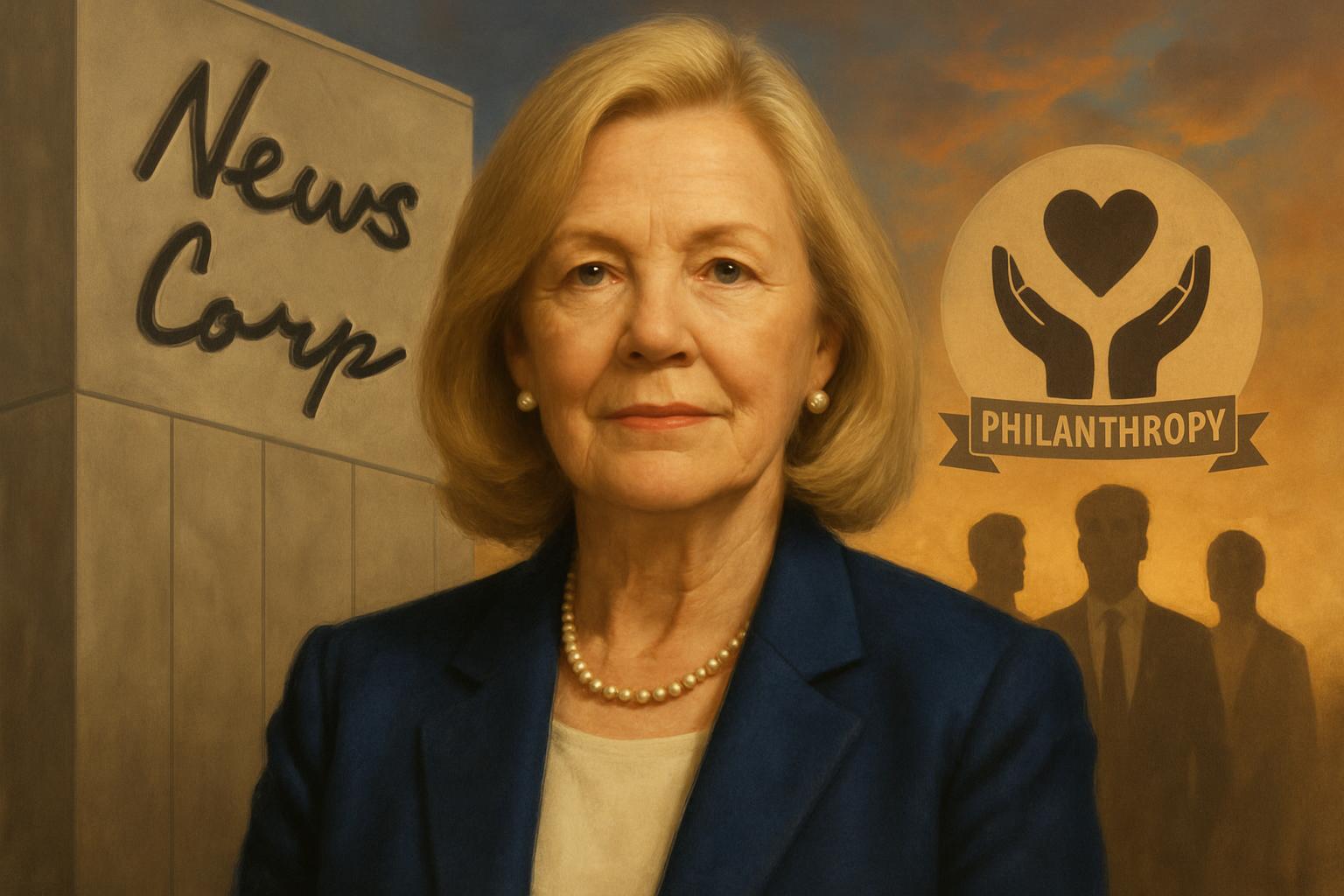
Anna Murdoch-Mann: Influential Figure in Media and Philanthropy Dies at 81
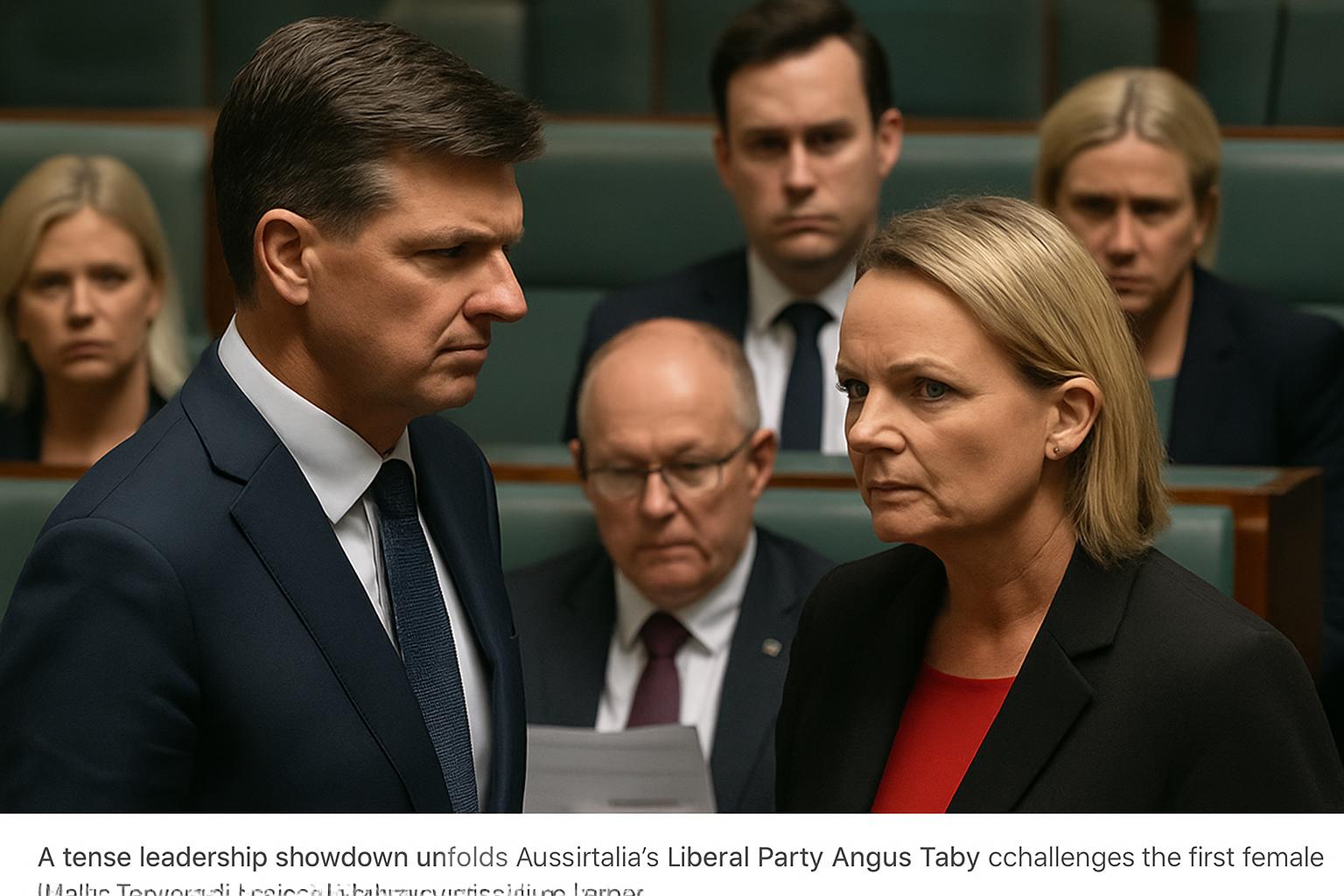
Angus Taylor Challenges Sussan Ley for Leadership of Australia's Liberal Party
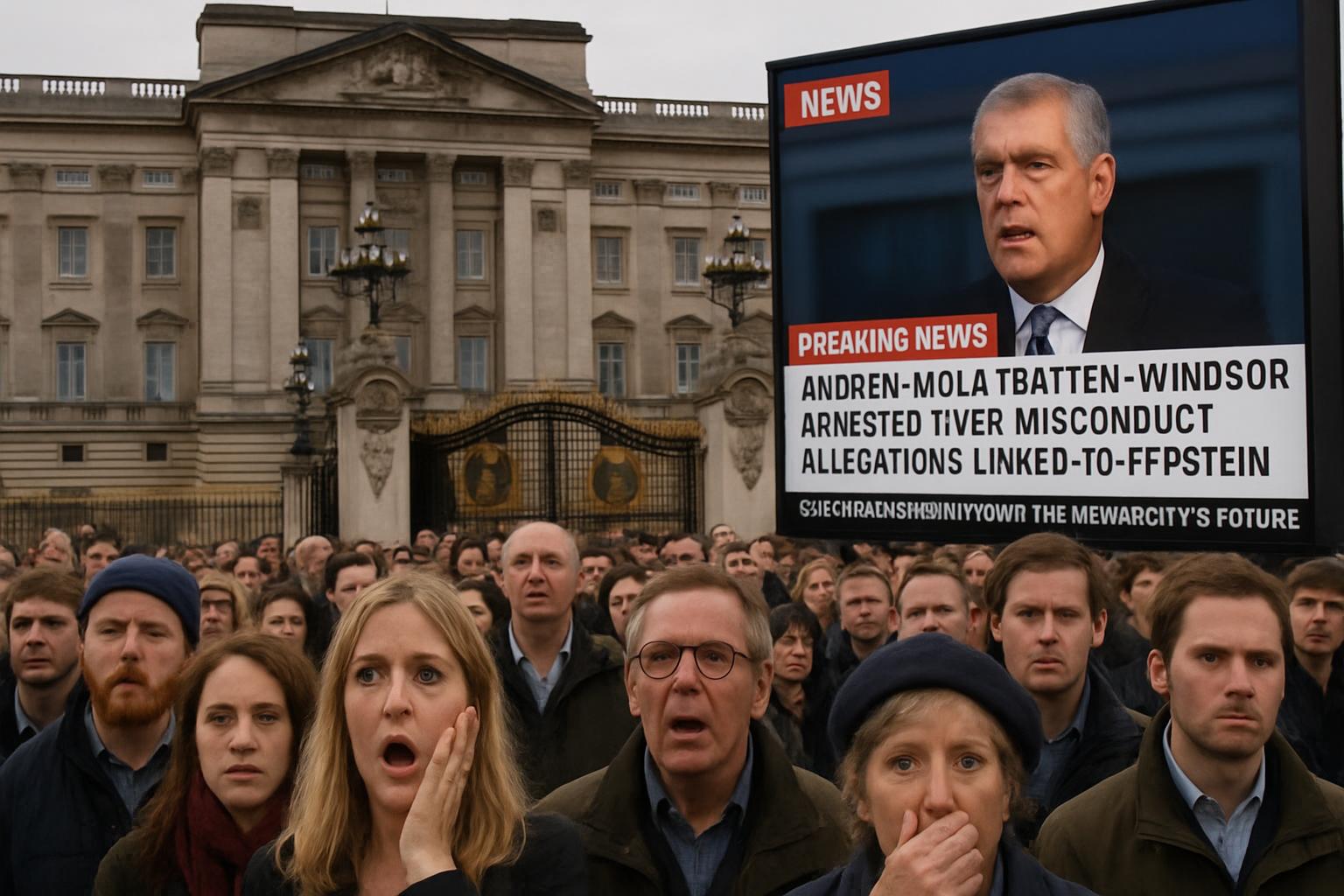
Prince Andrew's Arrest Raises Questions About Royal Succession and Monarchy's Future
New UK Entry Rules for Dual Nationals Spark Outcry

Canada and Australia Forge Strategic Partnership Amid Global Uncertainty
Canada Calls for De-escalation Amid US-Israel Strikes on Iran
Pauline Hanson Suspended from Senate Over Controversial Burqa Stunt
In This Article
 Ethan Brooks| Published
 HIGHLIGHTS
- Pauline Hanson was suspended from the Australian Senate for a week after wearing a burqa in protest, aiming to push for a ban on the garment.
- The Senate passed a censure motion against Hanson, condemning her actions as disrespectful to Muslim Australians and intended to vilify based on religion.
- Hanson's stunt was widely criticized by fellow senators, including Penny Wong and Mehreen Faruqi, who accused her of perpetuating racism.
- This incident marks the second time Hanson has worn a burqa in parliament, previously doing so in 2017 to advocate for a national ban.
- Hanson's actions have sparked debates on religious discrimination and the role of national security in legislative decisions.
Pauline Hanson, leader of Australia's One Nation party, has been suspended from the Senate for a week following a controversial protest involving the wearing of a burqa. The Queensland senator, known for her anti-immigration stance, donned the garment in an attempt to push for a ban on full-face coverings, a policy she has long championed. This move, however, was met with widespread condemnation from her parliamentary colleagues.
Senate Condemnation and Censure
On Monday, Hanson's actions led to a formal censure motion, which passed with a significant majority of 55 votes to five. The motion criticized her for intending to vilify and mock people based on their religion, specifically targeting Muslim Australians. Foreign Minister Penny Wong, who spearheaded the censure, accused Hanson of parading prejudice as protest, a sentiment echoed by many in the chamber.
Historical Context and Reactions
This is not the first time Hanson has used the burqa as a symbol of protest. In 2017, she similarly wore the garment in parliament, sparking outrage and accusations of disrespect towards the Islamic community. Mehreen Faruqi, a Muslim Greens senator, labeled Hanson's recent actions as blatant racism, while independent senator Fatima Payman called the stunt disgraceful.
Broader Implications and National Security Debate
Hanson defended her actions by framing the burqa as a national security issue, drawing parallels to the requirement for removing helmets in banks. Despite her claims, she failed to cite specific safety incidents linked to the burqa. Critics argue that such stunts exacerbate existing safety risks for Muslim women and deepen societal divides.
WHAT THIS MIGHT MEAN
Hanson's suspension and the subsequent censure motion highlight the ongoing tensions within Australian politics regarding religious freedom and national security. The incident may prompt further discussions on the balance between individual rights and public safety, potentially influencing future legislative proposals. Experts suggest that Hanson's actions could lead to increased scrutiny of political rhetoric and its impact on minority communities. As the debate continues, the Australian Senate faces the challenge of addressing these complex issues while maintaining respect and inclusivity within its proceedings.
Related Articles
Anna Murdoch-Mann: Influential Figure in Media and Philanthropy Dies at 81
Angus Taylor Challenges Sussan Ley for Leadership of Australia's Liberal Party
Prince Andrew's Arrest Raises Questions About Royal Succession and Monarchy's Future
New UK Entry Rules for Dual Nationals Spark Outcry
Canada and Australia Forge Strategic Partnership Amid Global Uncertainty
Canada Calls for De-escalation Amid US-Israel Strikes on Iran