
Peruvian Woman Faces Death Penalty for Alleged Drug Smuggling in Bali
In This Article
HIGHLIGHTS
- A Peruvian woman, identified as N.S., was arrested in Bali on August 12 for allegedly smuggling cocaine and ecstasy worth $70,000.
- The drugs were concealed in her underwear and a sex toy, with a total of 1.4kg of cocaine and 43 ecstasy pills discovered.
- N.S. claimed she was paid $19,000 to transport the drugs by someone she met on the dark web in April.
- If convicted under Indonesia's strict narcotics laws, she could face the death penalty, although executions have been halted since 2017.
- Indonesia is known for its severe drug laws, with many traffickers on death row, including foreign nationals.
A 42-year-old Peruvian woman, identified only by her initials N.S., has been arrested in Bali for allegedly attempting to smuggle a substantial quantity of cocaine and ecstasy into the Indonesian island. The drugs, valued at approximately $70,000, were reportedly concealed in her underwear and a sex toy, according to Bali police.
Suspicious Behavior Leads to Arrest
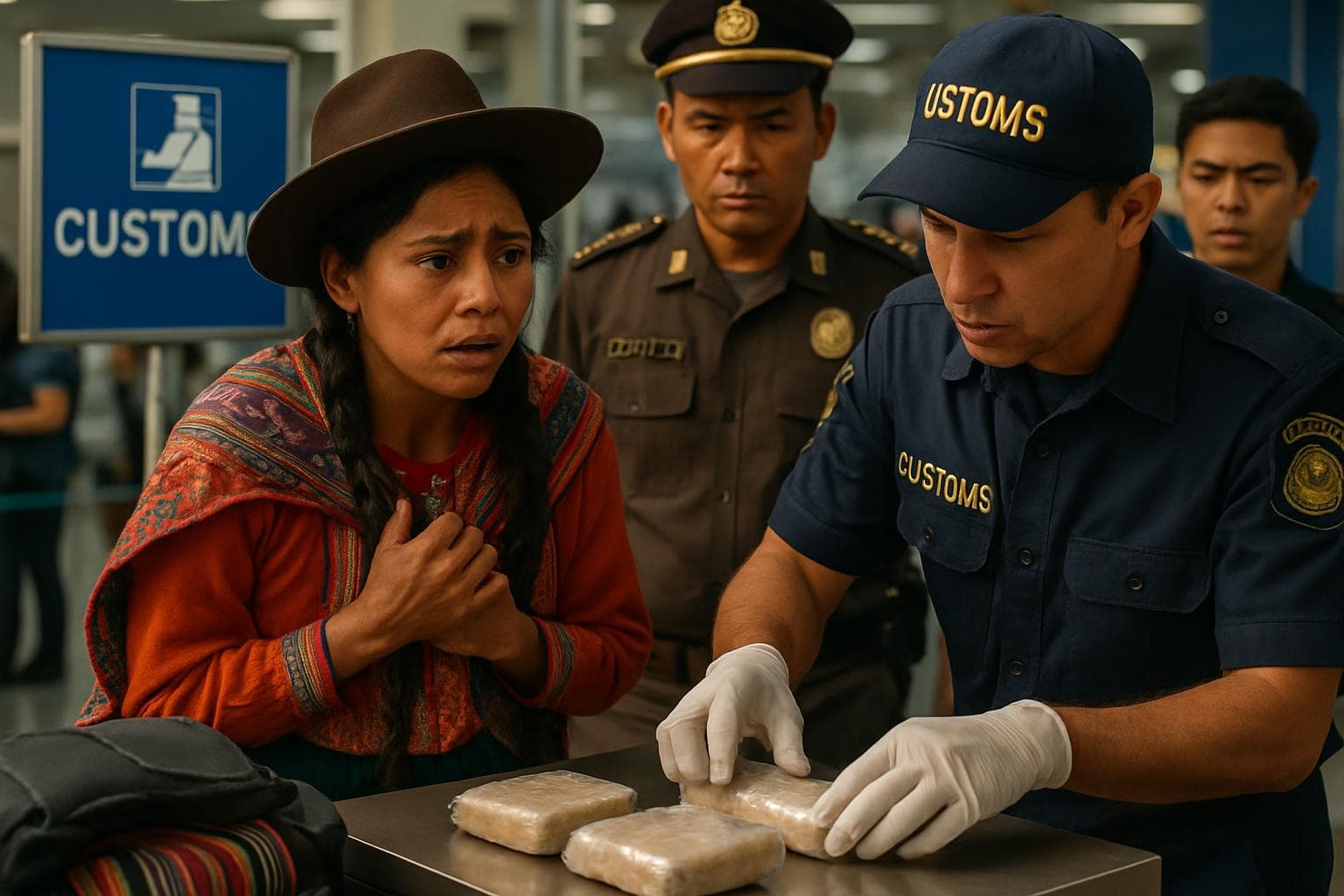
N.S. arrived at Bali's international airport on August 12, traveling from Barcelona with a stopover in Doha. Her behavior aroused suspicion among customs officials, prompting a thorough search. Radiant, the director of Bali police's narcotics unit, revealed that 1.4kg of cocaine and 43 ecstasy pills were found hidden in six plastic packages wrapped in black duct tape and inserted into her body.
Dark Web Connection and Legal Consequences
During police questioning, N.S. confessed to being paid $19,000 to transport the drugs by an individual she met on the dark web in April. She now faces charges under Indonesia's stringent narcotics laws, which could result in the death penalty if she is found guilty. Although Indonesia has not carried out executions since 2017, the country remains notorious for its harsh drug laws, with numerous traffickers, including foreigners, on death row.
A History of Severe Drug Penalties
Indonesia's uncompromising stance on drug trafficking is well-documented. Last month, three British nationals narrowly avoided the death penalty after being convicted of smuggling cocaine disguised as dessert packets. Similarly, a 46-year-old Argentine woman was sentenced to seven years in prison for smuggling cocaine wrapped in a condom. The last executions in Indonesia occurred in 2016, involving both local and foreign drug convicts.
WHAT THIS MIGHT MEAN
The arrest of N.S. highlights the ongoing issue of international drug trafficking and the severe penalties imposed by countries like Indonesia. If convicted, her case could reignite discussions on the use of the death penalty for drug-related offenses, especially given the temporary halt on executions since 2017. Legal experts may debate whether Indonesia will maintain its moratorium or resume executions in response to increasing drug smuggling attempts. Additionally, this case underscores the growing role of the dark web in facilitating international drug deals, posing significant challenges for law enforcement agencies worldwide.
Related Articles

Spain's Rail Network Faces Intense Scrutiny After Dual Tragedies

Cambodia's Crackdown on Scam Operations Intensifies Amid International Pressure

Spain Reels from Dual Train Disasters Amid Safety Concerns
US Supreme Court Ruling Sparks Trade Uncertainty in Asia and Beyond

Hamas Leadership Vote Amidst Critical Crossroads for the Movement

Global Counsel Faces Collapse Amidst Epstein Scandal Fallout
Peruvian Woman Faces Death Penalty for Alleged Drug Smuggling in Bali
In This Article
 Sofia Romano| Published
 HIGHLIGHTS
- A Peruvian woman, identified as N.S., was arrested in Bali on August 12 for allegedly smuggling cocaine and ecstasy worth $70,000.
- The drugs were concealed in her underwear and a sex toy, with a total of 1.4kg of cocaine and 43 ecstasy pills discovered.
- N.S. claimed she was paid $19,000 to transport the drugs by someone she met on the dark web in April.
- If convicted under Indonesia's strict narcotics laws, she could face the death penalty, although executions have been halted since 2017.
- Indonesia is known for its severe drug laws, with many traffickers on death row, including foreign nationals.
A 42-year-old Peruvian woman, identified only by her initials N.S., has been arrested in Bali for allegedly attempting to smuggle a substantial quantity of cocaine and ecstasy into the Indonesian island. The drugs, valued at approximately $70,000, were reportedly concealed in her underwear and a sex toy, according to Bali police.
Suspicious Behavior Leads to Arrest
N.S. arrived at Bali's international airport on August 12, traveling from Barcelona with a stopover in Doha. Her behavior aroused suspicion among customs officials, prompting a thorough search. Radiant, the director of Bali police's narcotics unit, revealed that 1.4kg of cocaine and 43 ecstasy pills were found hidden in six plastic packages wrapped in black duct tape and inserted into her body.
Dark Web Connection and Legal Consequences
During police questioning, N.S. confessed to being paid $19,000 to transport the drugs by an individual she met on the dark web in April. She now faces charges under Indonesia's stringent narcotics laws, which could result in the death penalty if she is found guilty. Although Indonesia has not carried out executions since 2017, the country remains notorious for its harsh drug laws, with numerous traffickers, including foreigners, on death row.
A History of Severe Drug Penalties
Indonesia's uncompromising stance on drug trafficking is well-documented. Last month, three British nationals narrowly avoided the death penalty after being convicted of smuggling cocaine disguised as dessert packets. Similarly, a 46-year-old Argentine woman was sentenced to seven years in prison for smuggling cocaine wrapped in a condom. The last executions in Indonesia occurred in 2016, involving both local and foreign drug convicts.
WHAT THIS MIGHT MEAN
The arrest of N.S. highlights the ongoing issue of international drug trafficking and the severe penalties imposed by countries like Indonesia. If convicted, her case could reignite discussions on the use of the death penalty for drug-related offenses, especially given the temporary halt on executions since 2017. Legal experts may debate whether Indonesia will maintain its moratorium or resume executions in response to increasing drug smuggling attempts. Additionally, this case underscores the growing role of the dark web in facilitating international drug deals, posing significant challenges for law enforcement agencies worldwide.
Related Articles
Spain's Rail Network Faces Intense Scrutiny After Dual Tragedies
Cambodia's Crackdown on Scam Operations Intensifies Amid International Pressure
Spain Reels from Dual Train Disasters Amid Safety Concerns
US Supreme Court Ruling Sparks Trade Uncertainty in Asia and Beyond
Hamas Leadership Vote Amidst Critical Crossroads for the Movement
Global Counsel Faces Collapse Amidst Epstein Scandal Fallout