
Spain's Rail Network Faces Intense Scrutiny After Dual Tragedies
In This Article
HIGHLIGHTS
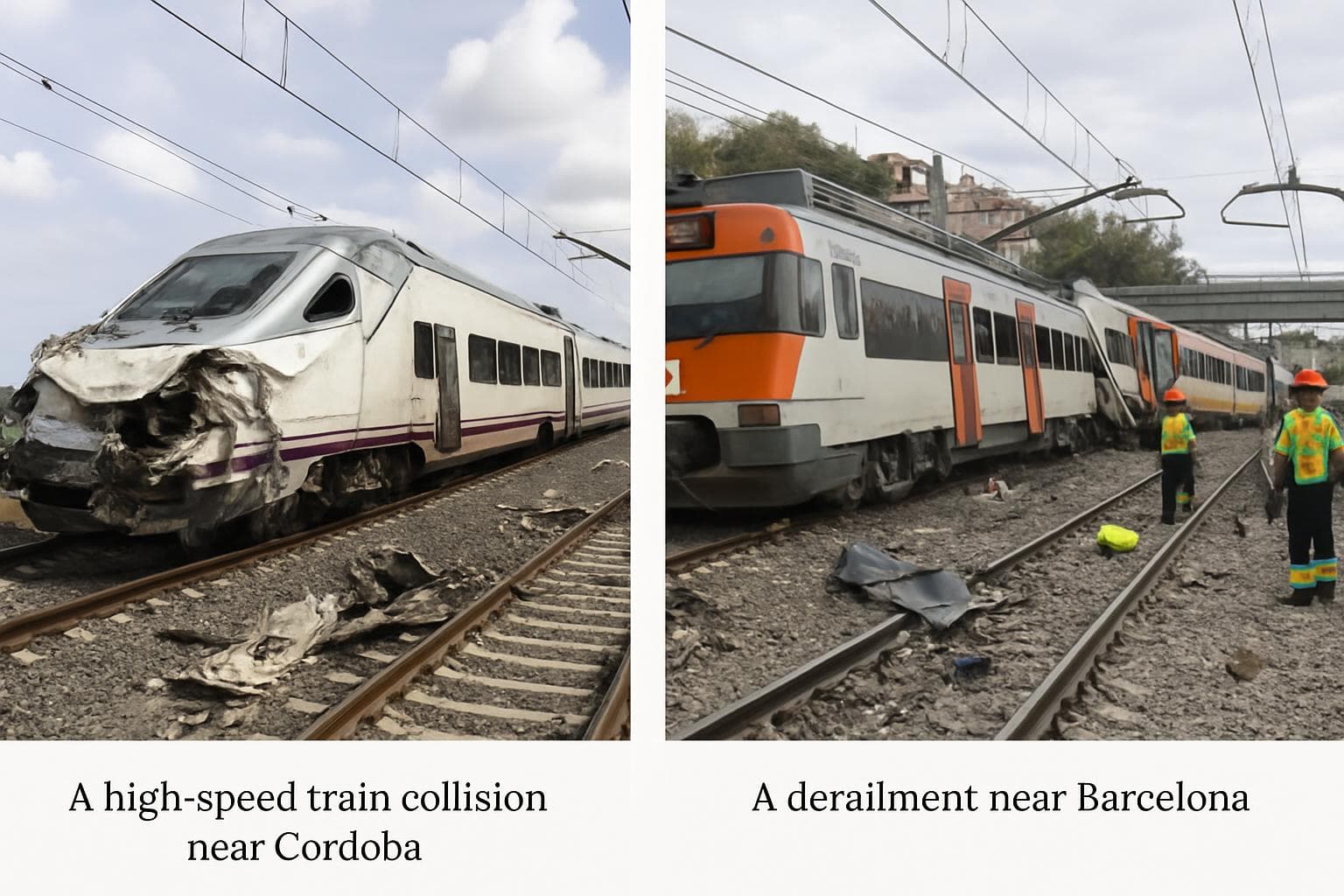
- A high-speed train collision near Córdoba resulted in at least 43 fatalities and 152 injuries, marking Spain's worst rail disaster in over a decade.
- A second train accident occurred near Barcelona when a wall collapsed onto the tracks, killing a trainee driver and injuring 41 others.
- The Spanish train drivers' union has called for an indefinite strike, citing the "constant deterioration of the rail network" and demanding safety assurances.
- Investigations are ongoing, with a focus on potential infrastructure failures and the role of heavy rainfall in the Barcelona incident.
- Spain's transport minister emphasized that the two accidents were unrelated, but opposition parties are pressuring the government over railway safety.
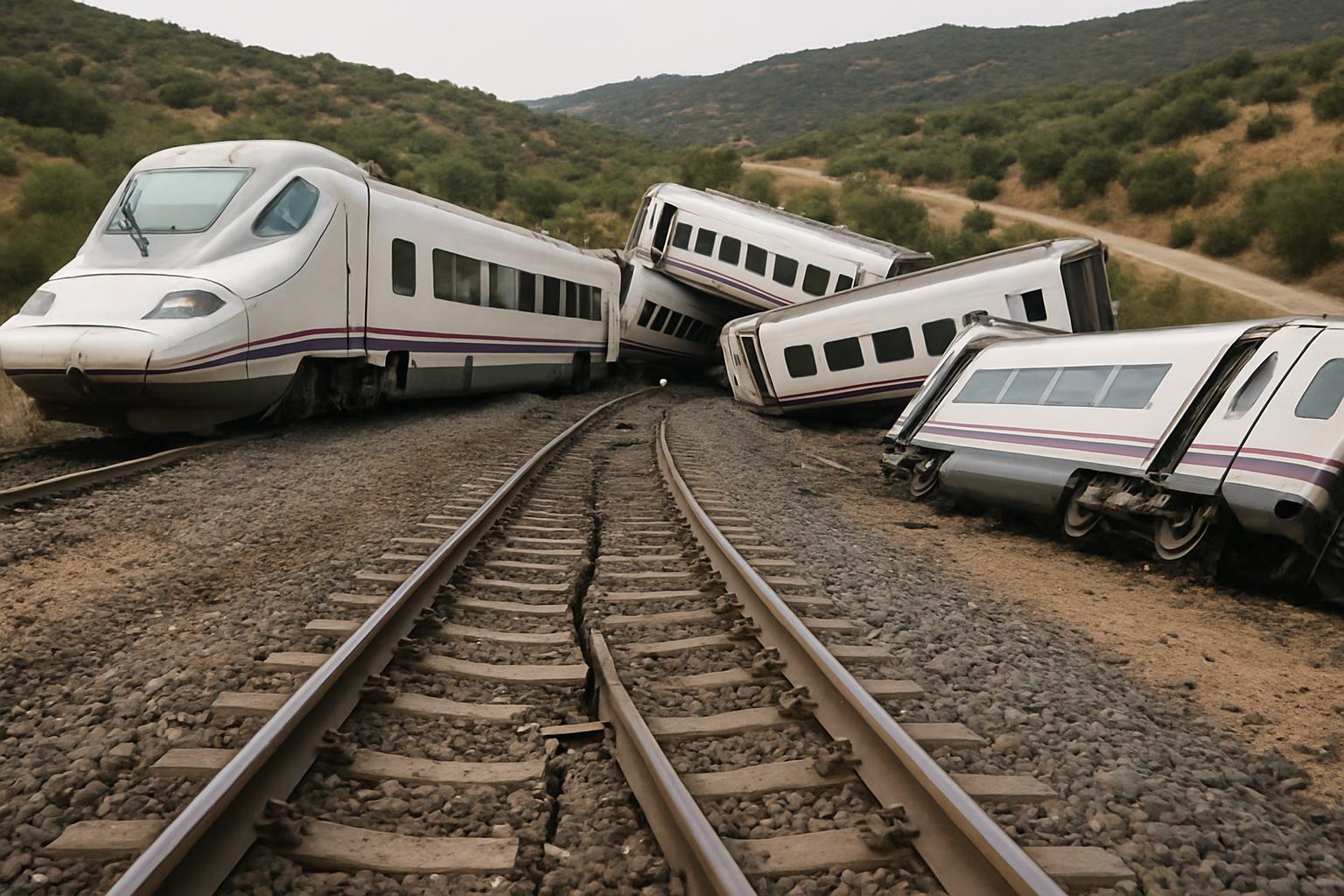
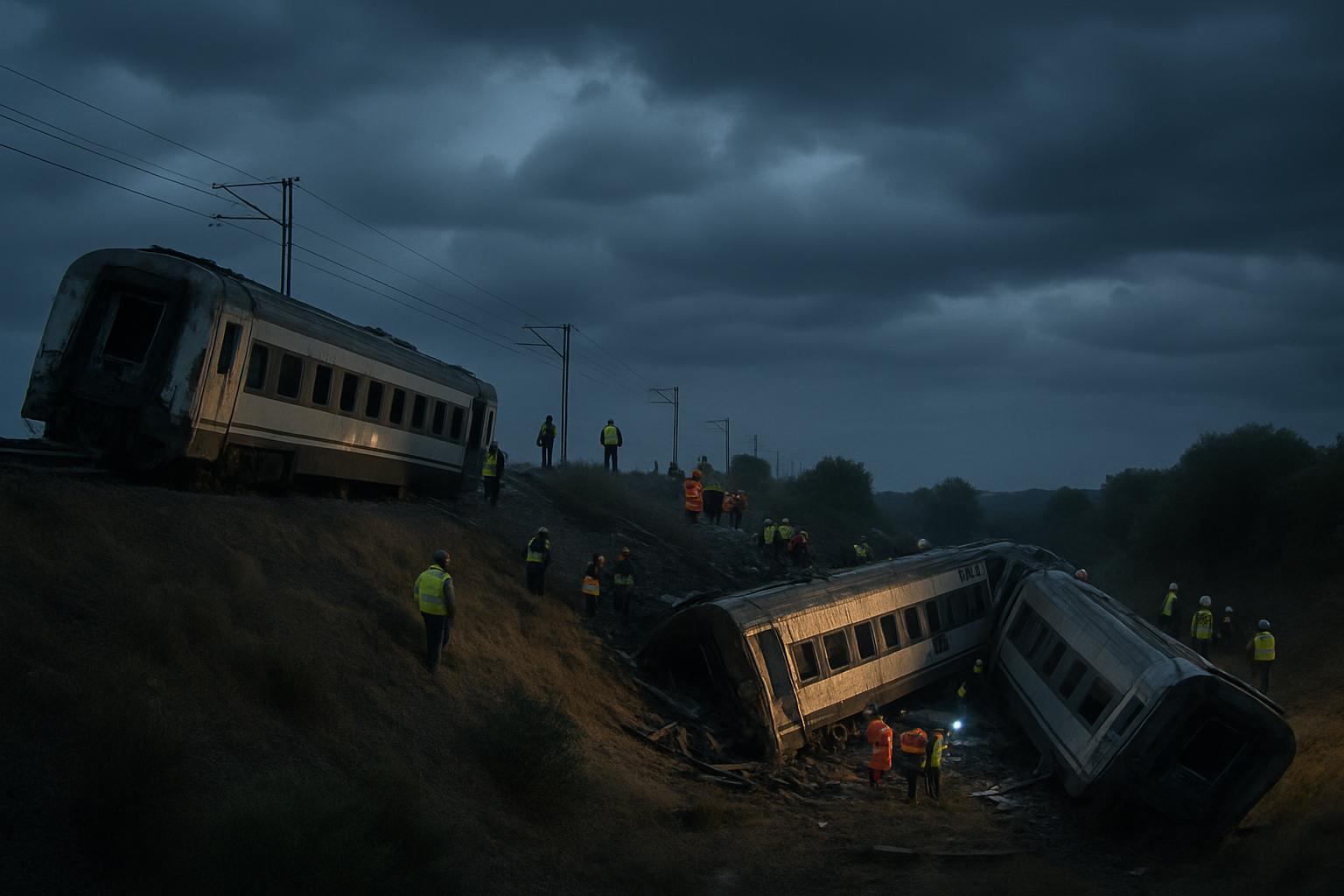
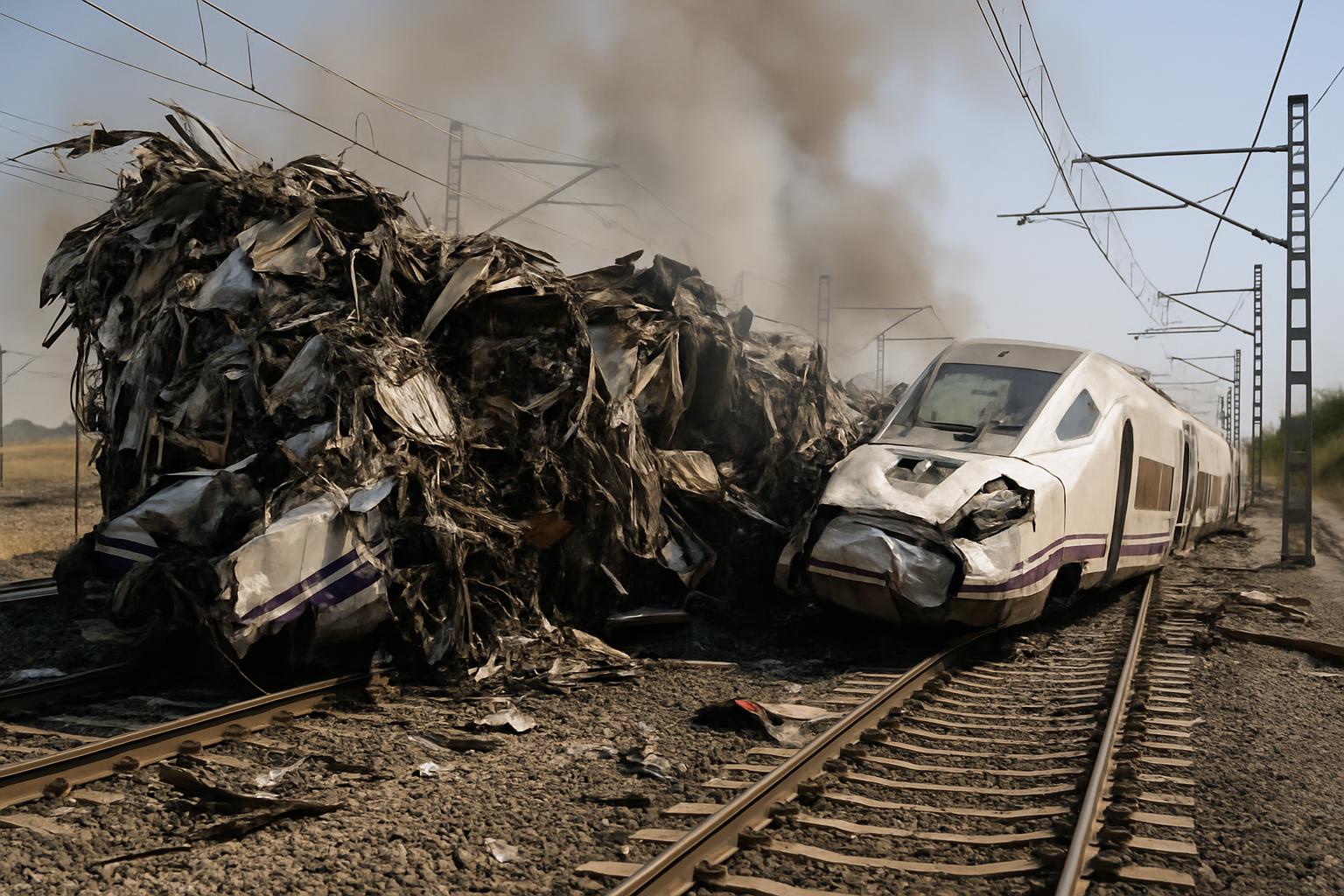
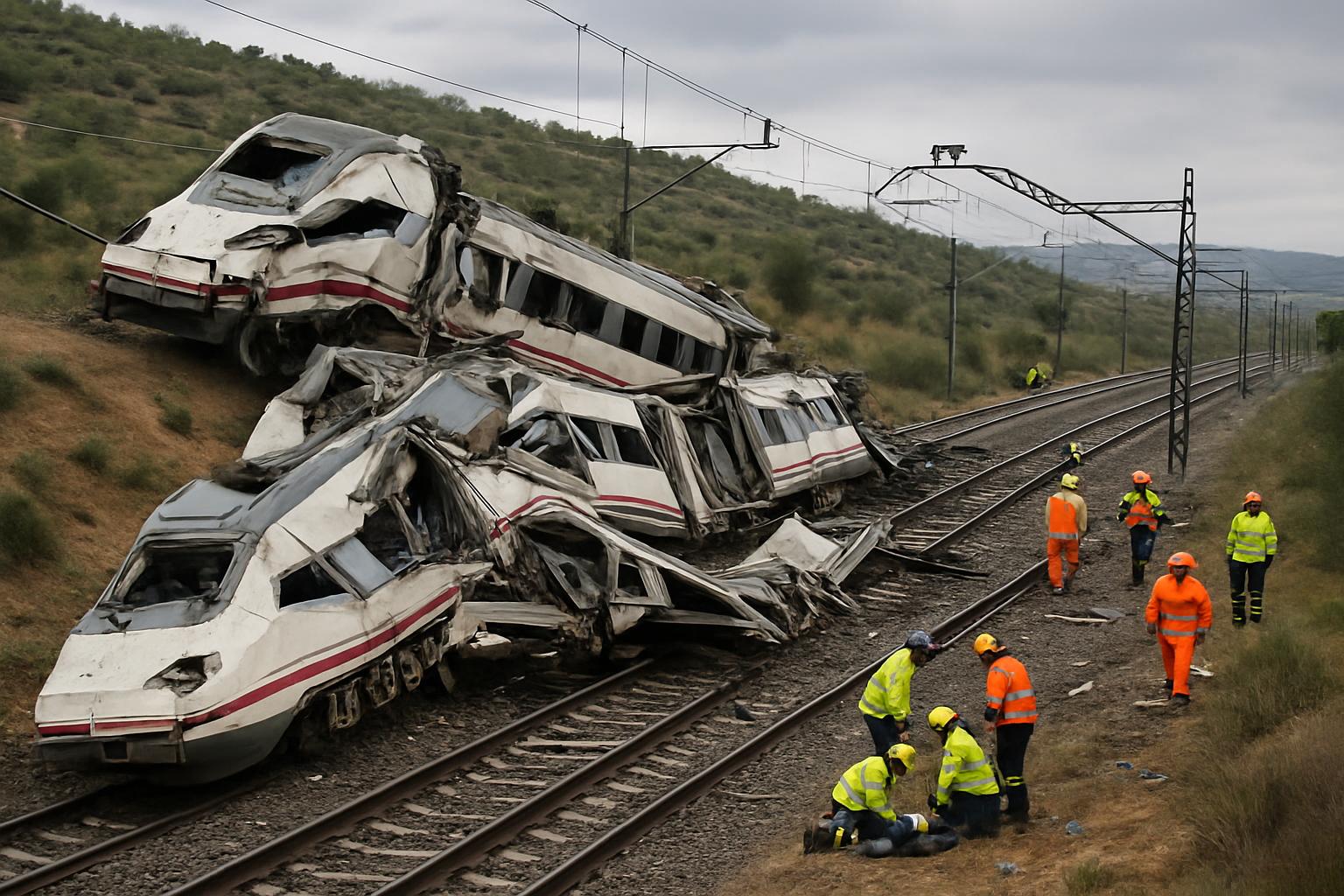
Spain's rail network is under intense scrutiny following two tragic train accidents within days, raising serious concerns about railway safety and infrastructure. The first incident, a high-speed train collision near Córdoba, resulted in the deaths of at least 43 people and injured 152 others, making it the country's deadliest rail disaster in over a decade. The collision occurred on a straight section of track, and investigators are examining a possible gap in the rail as a contributing factor.
Córdoba Tragedy: A Community in Mourning
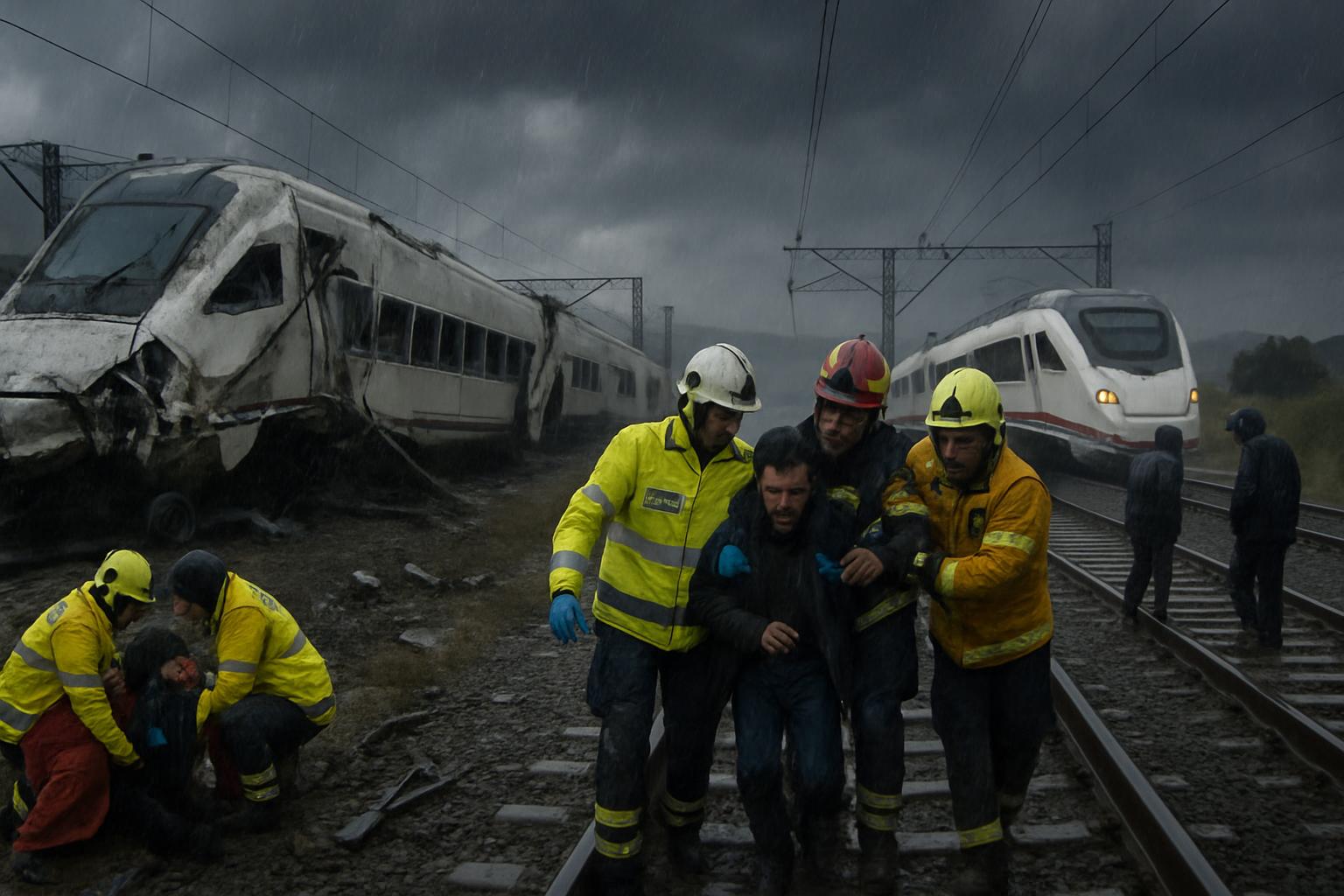
The collision near Córdoba has left families and communities in shock. Eduardo Morán, a doctor at Córdoba's Reina Sofía Hospital, described the overwhelming influx of casualties, noting that the hospital was prepared for even more victims. Among those who perished was María del Carmen Abril, a beloved teacher who had just celebrated her 50th birthday with friends. Her death has left loved ones grappling with a profound sense of loss.
Barcelona Derailment: Infrastructure Under Question
Just days later, a second accident occurred near Barcelona when a retaining wall collapsed onto the tracks, derailing a local train. The incident claimed the life of 27-year-old trainee driver Fernando Huerta and injured 41 passengers, five critically. Heavy rainfall is believed to have contributed to the wall's collapse, prompting a temporary shutdown of the region's rail network and causing widespread disruption.
Union Calls for Strike Amid Safety Concerns
In response to these incidents, Spain's largest train drivers' union, Semaf, has called for an indefinite strike. The union is demanding accountability and urgent measures to address what it describes as the "constant deterioration of the rail network." The union's statement highlights the need for improved safety protocols and infrastructure maintenance.
Government Response and Political Pressure
Spain's transport minister, Óscar Puente, has stated that the two accidents are "completely unrelated." However, opposition parties are using the tragedies to criticize the government's handling of railway safety, urging for comprehensive reviews and reforms. The focus is now on ensuring that Spain's rail network, including its high-speed AVE lines and regional services, meets the highest safety standards.
WHAT THIS MIGHT MEAN
The recent train accidents in Spain could lead to significant changes in the country's railway policies. If investigations reveal infrastructure failures, the government may face increased pressure to invest in upgrades and maintenance. The train drivers' strike could disrupt services nationwide, prompting negotiations between the union and authorities to address safety concerns. Politically, the opposition may continue to leverage these incidents to challenge the current administration, potentially influencing future transport policies and funding allocations. As the investigations unfold, the focus will remain on preventing such tragedies and ensuring passenger safety across Spain's rail network.
Images from the Web



Related Articles
Fractured Rail Suspected in Deadly Spanish Train Collision
Spain Reels from Dual Train Disasters Amid Safety Concerns
Spain Mourns as Investigation Begins into Deadly Train Crash
Spain's Worst Rail Disaster in Over a Decade: What We Know So Far
Tragedy Strikes as High-Speed Train Collision in Spain Claims 39 Lives
Judge Criticizes Costly Private Jet Extradition of TikTok Influencer
Spain's Rail Network Faces Intense Scrutiny After Dual Tragedies
In This Article
 Sofia Romano| Published
 HIGHLIGHTS
- A high-speed train collision near Córdoba resulted in at least 43 fatalities and 152 injuries, marking Spain's worst rail disaster in over a decade.
- A second train accident occurred near Barcelona when a wall collapsed onto the tracks, killing a trainee driver and injuring 41 others.
- The Spanish train drivers' union has called for an indefinite strike, citing the "constant deterioration of the rail network" and demanding safety assurances.
- Investigations are ongoing, with a focus on potential infrastructure failures and the role of heavy rainfall in the Barcelona incident.
- Spain's transport minister emphasized that the two accidents were unrelated, but opposition parties are pressuring the government over railway safety.
Spain's rail network is under intense scrutiny following two tragic train accidents within days, raising serious concerns about railway safety and infrastructure. The first incident, a high-speed train collision near Córdoba, resulted in the deaths of at least 43 people and injured 152 others, making it the country's deadliest rail disaster in over a decade. The collision occurred on a straight section of track, and investigators are examining a possible gap in the rail as a contributing factor.
Córdoba Tragedy: A Community in Mourning
The collision near Córdoba has left families and communities in shock. Eduardo Morán, a doctor at Córdoba's Reina Sofía Hospital, described the overwhelming influx of casualties, noting that the hospital was prepared for even more victims. Among those who perished was María del Carmen Abril, a beloved teacher who had just celebrated her 50th birthday with friends. Her death has left loved ones grappling with a profound sense of loss.
Barcelona Derailment: Infrastructure Under Question
Just days later, a second accident occurred near Barcelona when a retaining wall collapsed onto the tracks, derailing a local train. The incident claimed the life of 27-year-old trainee driver Fernando Huerta and injured 41 passengers, five critically. Heavy rainfall is believed to have contributed to the wall's collapse, prompting a temporary shutdown of the region's rail network and causing widespread disruption.
Union Calls for Strike Amid Safety Concerns
In response to these incidents, Spain's largest train drivers' union, Semaf, has called for an indefinite strike. The union is demanding accountability and urgent measures to address what it describes as the "constant deterioration of the rail network." The union's statement highlights the need for improved safety protocols and infrastructure maintenance.
Government Response and Political Pressure
Spain's transport minister, Óscar Puente, has stated that the two accidents are "completely unrelated." However, opposition parties are using the tragedies to criticize the government's handling of railway safety, urging for comprehensive reviews and reforms. The focus is now on ensuring that Spain's rail network, including its high-speed AVE lines and regional services, meets the highest safety standards.
WHAT THIS MIGHT MEAN
The recent train accidents in Spain could lead to significant changes in the country's railway policies. If investigations reveal infrastructure failures, the government may face increased pressure to invest in upgrades and maintenance. The train drivers' strike could disrupt services nationwide, prompting negotiations between the union and authorities to address safety concerns. Politically, the opposition may continue to leverage these incidents to challenge the current administration, potentially influencing future transport policies and funding allocations. As the investigations unfold, the focus will remain on preventing such tragedies and ensuring passenger safety across Spain's rail network.
Images from the Web
Related Articles
Fractured Rail Suspected in Deadly Spanish Train Collision
Spain Reels from Dual Train Disasters Amid Safety Concerns
Spain Mourns as Investigation Begins into Deadly Train Crash
Spain's Worst Rail Disaster in Over a Decade: What We Know So Far
Tragedy Strikes as High-Speed Train Collision in Spain Claims 39 Lives
Judge Criticizes Costly Private Jet Extradition of TikTok Influencer