
Fractured Rail Suspected in Deadly Spanish Train Collision
In This Article
HIGHLIGHTS
- A fractured rail track is suspected to have caused the deadly train collision in Adamuz, Spain, killing 45 people.
- The Rail Accidents Investigation Commission (CIAF) found notches on the wheels of the derailed Iryo train, indicating prior rail damage.
- Spanish Transport Minister Óscar Puente stated the fracture likely occurred shortly before the derailment, making it undetectable.
- The train drivers' union, Semaf, announced a three-day strike to demand improved railway safety measures.
- Opposition parties criticized the government's response, highlighting concerns over Spain's rail infrastructure.
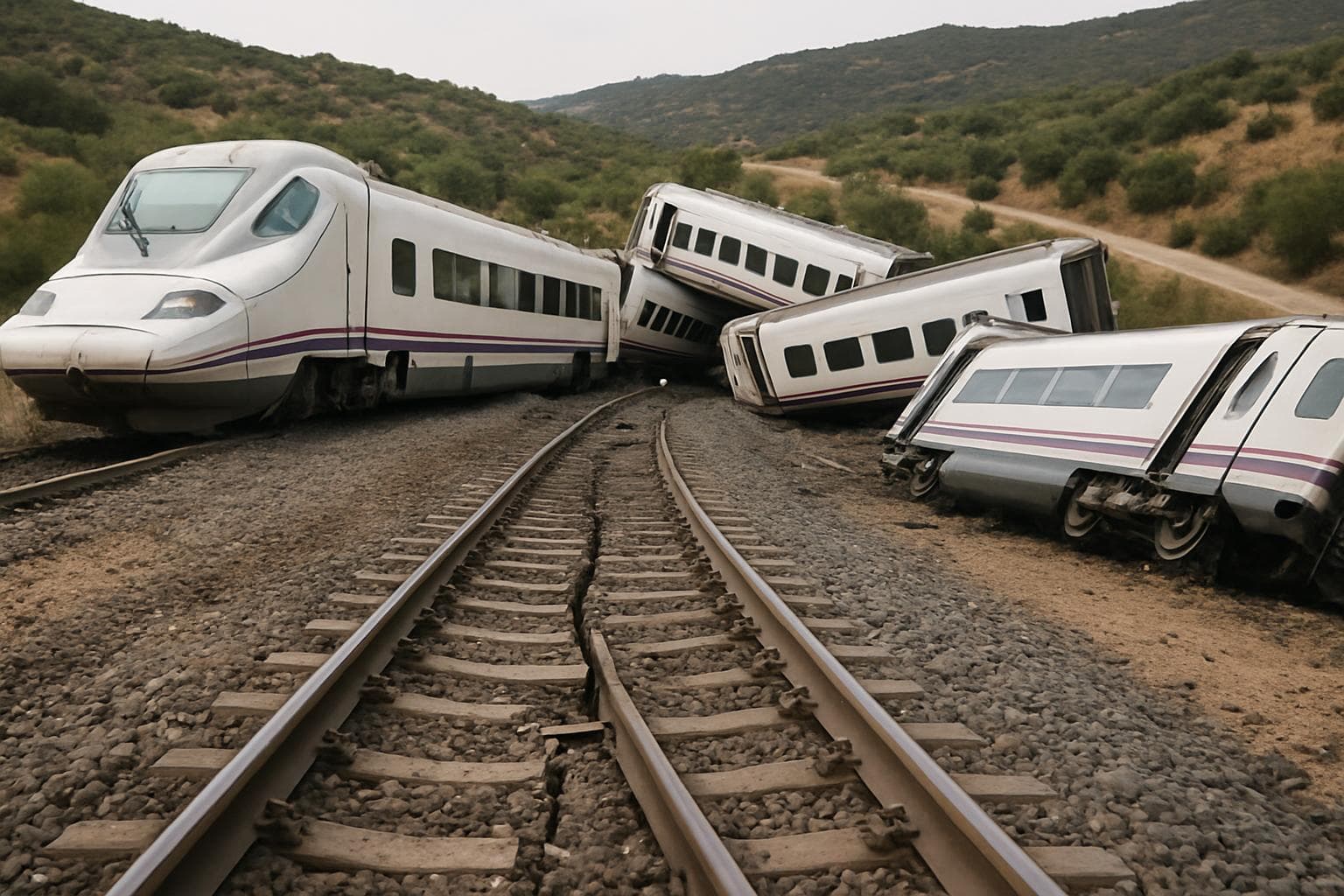
A fractured rail track is believed to have caused the tragic train collision near Adamuz, Spain, which resulted in the deaths of 45 people and left dozens injured. The incident, which occurred last Sunday, involved a high-speed train operated by the private company Iryo that derailed and collided with an oncoming Renfe train.
Investigation Findings
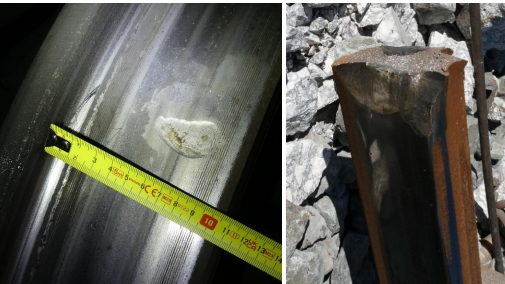
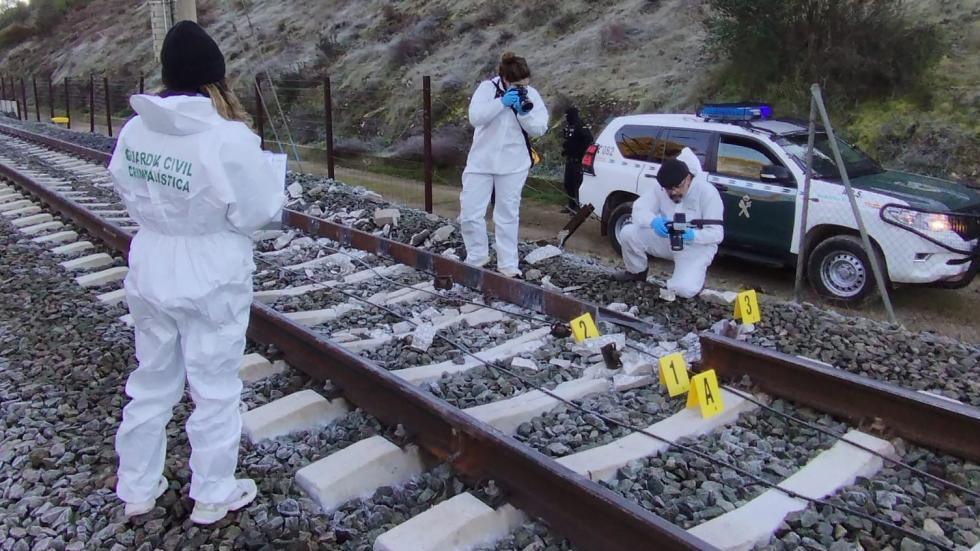
The Rail Accidents Investigation Commission (CIAF) released a preliminary report indicating that the fracture in the rail likely existed before the Iryo train passed over it. Notches found on the wheels of the Iryo train's front carriages suggest an impact with a damaged rail section. The report noted that the fracture caused a discontinuity in the track, leading to the derailment of the train's rear carriages.
Spanish Transport Minister Óscar Puente emphasized that the fracture likely occurred in the hours leading up to the accident, rendering it undetectable. He also mentioned the possibility of a manufacturing defect in the rail, which is under investigation.
Union Response and Political Repercussions
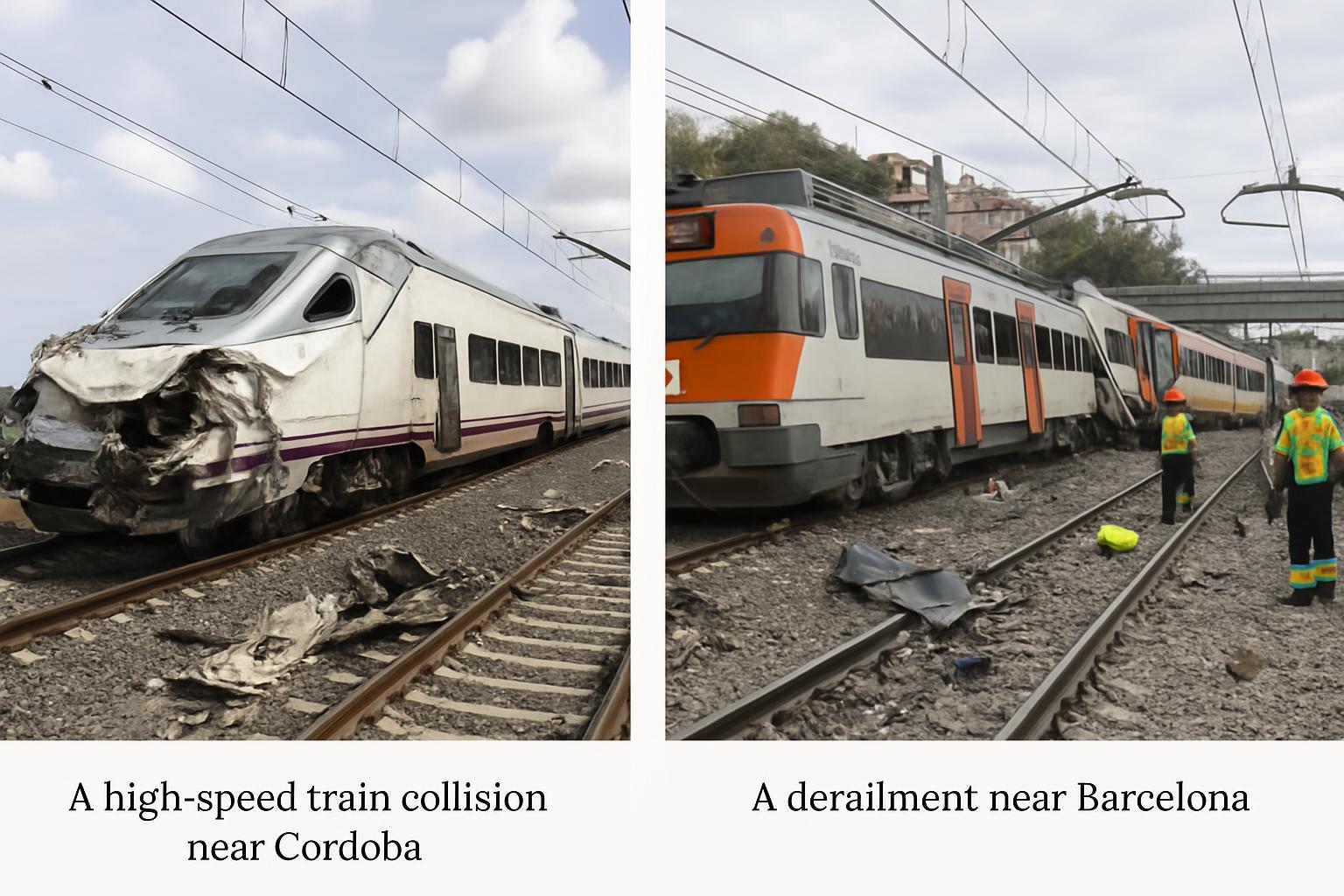
In response to the Adamuz disaster and a subsequent train accident in Catalonia, the train drivers' union, Semaf, announced a three-day strike in February. The union demands enhanced safety measures to protect rail workers and passengers, stating that industrial action is necessary to restore safety standards.
The tragedy has sparked political controversy, with opposition parties criticizing the government's handling of the situation. Alberto Núñez Feijóo, leader of the conservative People’s Party, accused the socialist-led coalition government of a chaotic response and inadequate transparency, questioning the state of Spain's rail infrastructure.
WHAT THIS MIGHT MEAN
As investigations continue, the focus will be on determining the precise cause of the rail fracture and implementing measures to prevent future incidents. The outcome of the CIAF's detailed analysis could lead to significant changes in rail safety protocols and infrastructure maintenance.
The planned strike by train drivers underscores the urgency of addressing safety concerns within Spain's railway system. If the government fails to respond effectively, it may face increased pressure from unions and the public, potentially impacting political stability.
The situation also highlights the broader challenge of maintaining and upgrading rail infrastructure in the face of increasing demand for high-speed travel. Ensuring the safety and reliability of the railway system will be crucial for Spain's transportation network and public confidence.
Images from the Web
Related Articles
Spain's Rail Network Faces Intense Scrutiny After Dual Tragedies
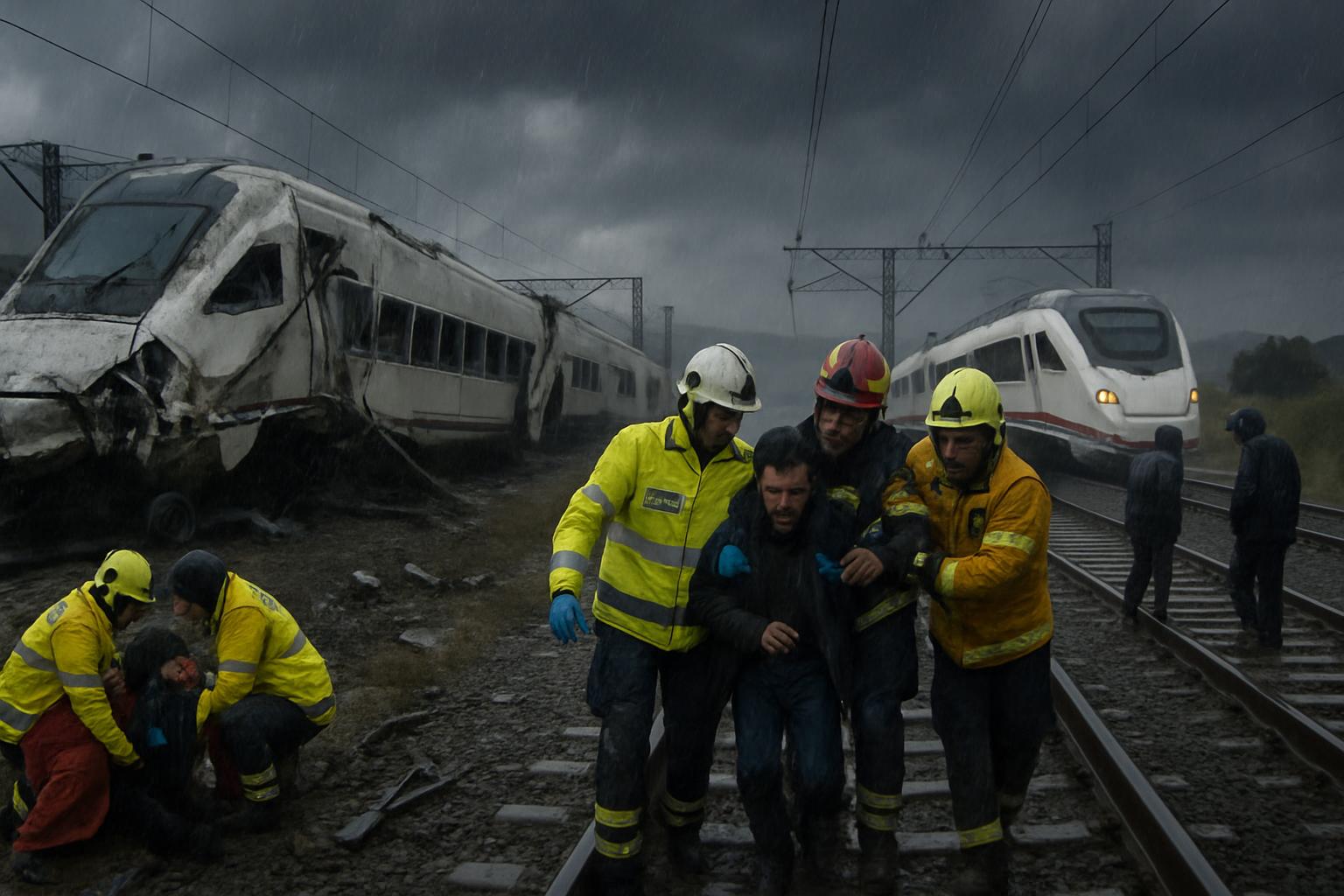
Spain Reels from Dual Train Disasters Amid Safety Concerns
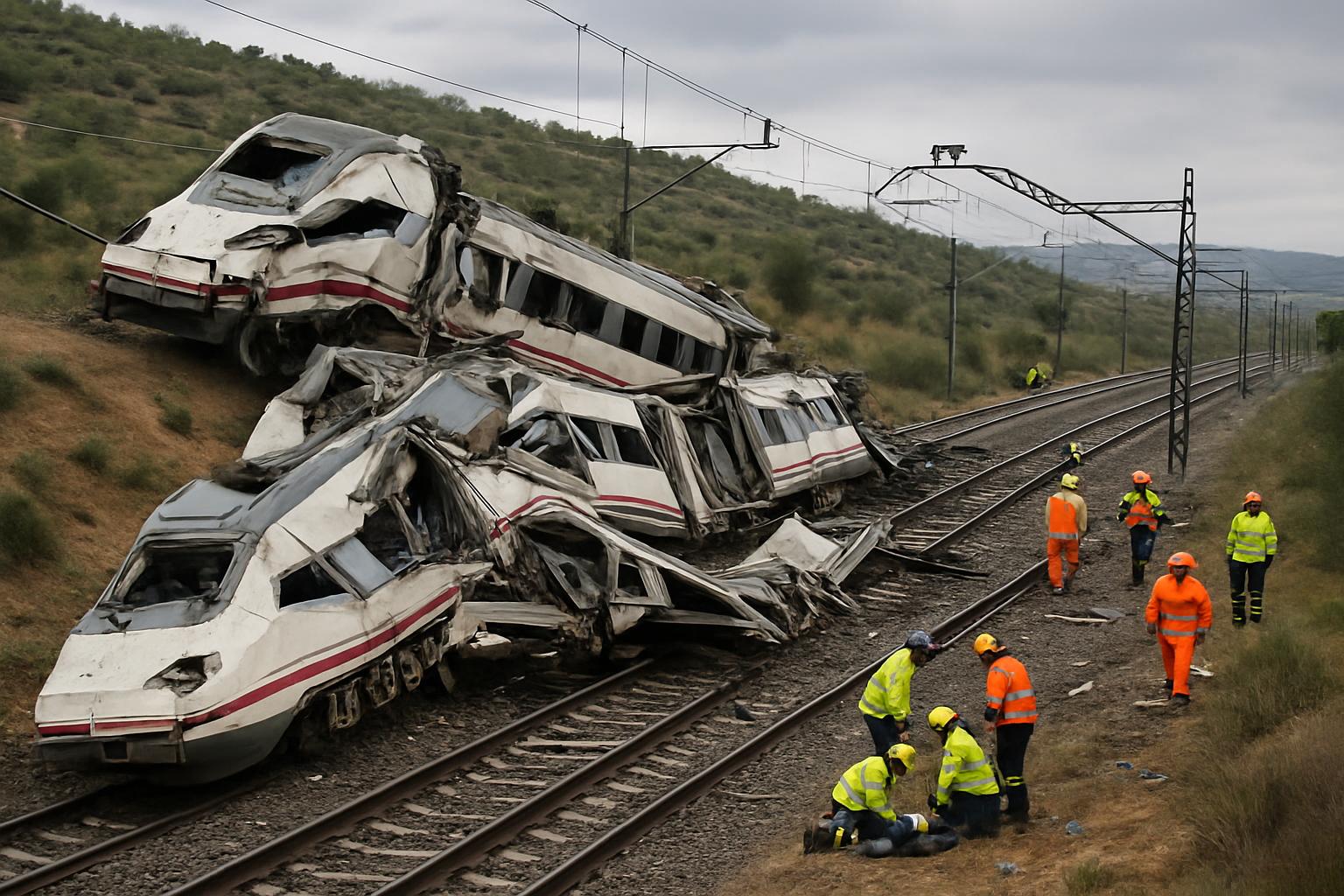
Tragedy Strikes as High-Speed Train Collision in Spain Claims 39 Lives
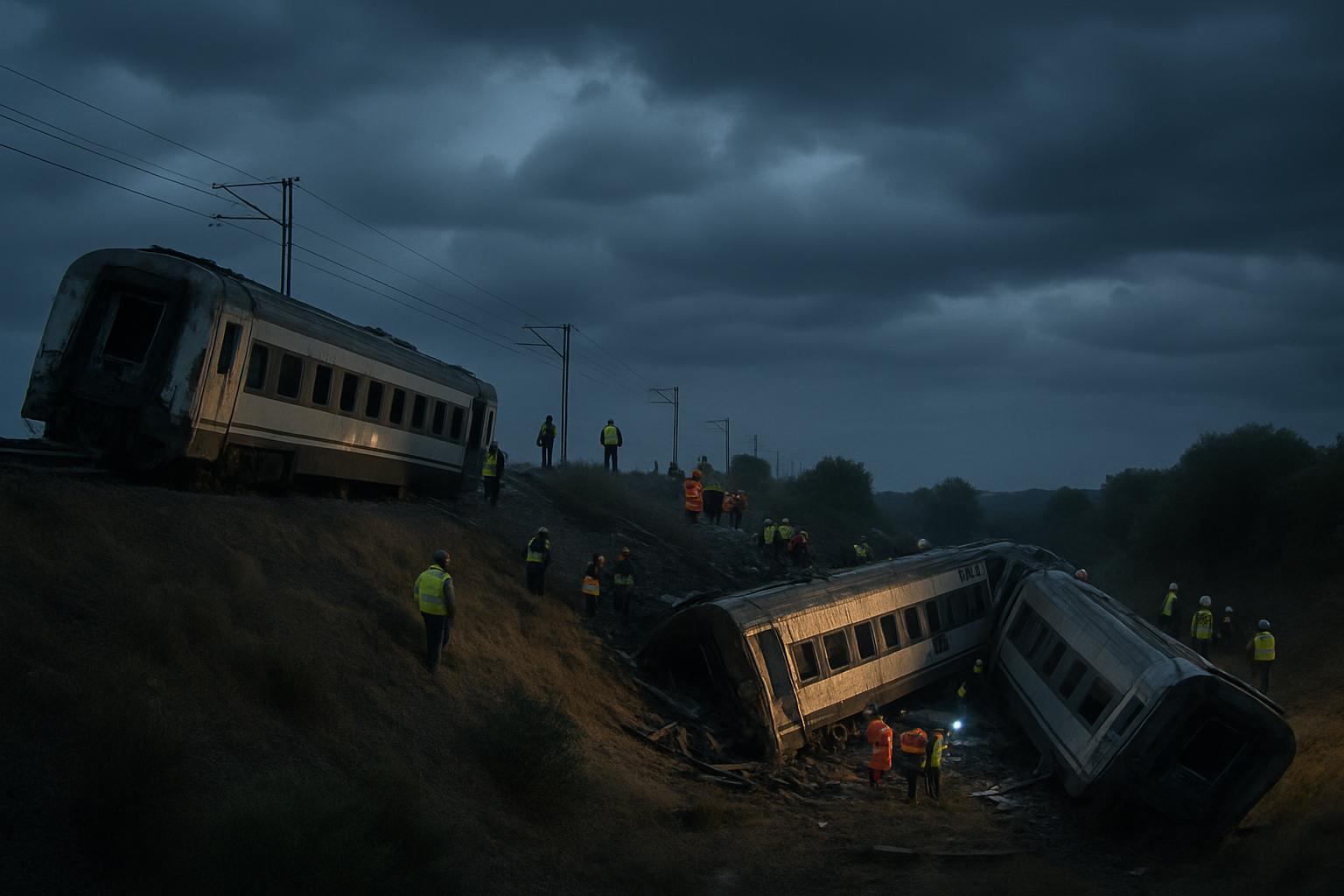
Spain Mourns as Investigation Begins into Deadly Train Crash
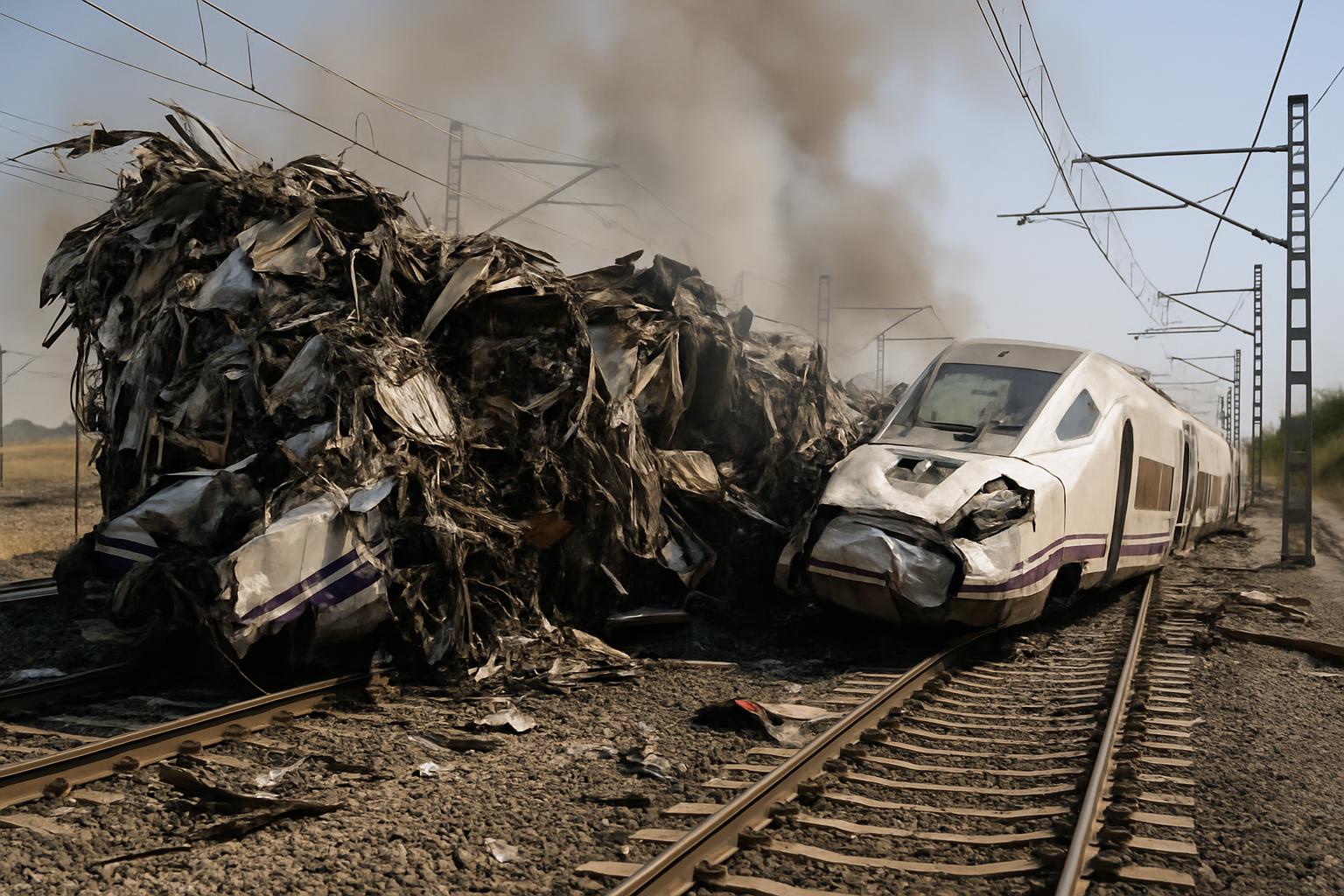
Spain's Worst Rail Disaster in Over a Decade: What We Know So Far

Judge Criticizes Costly Private Jet Extradition of TikTok Influencer
Fractured Rail Suspected in Deadly Spanish Train Collision
In This Article
 Sofia Romano| Published
 HIGHLIGHTS
- A fractured rail track is suspected to have caused the deadly train collision in Adamuz, Spain, killing 45 people.
- The Rail Accidents Investigation Commission (CIAF) found notches on the wheels of the derailed Iryo train, indicating prior rail damage.
- Spanish Transport Minister Óscar Puente stated the fracture likely occurred shortly before the derailment, making it undetectable.
- The train drivers' union, Semaf, announced a three-day strike to demand improved railway safety measures.
- Opposition parties criticized the government's response, highlighting concerns over Spain's rail infrastructure.
A fractured rail track is believed to have caused the tragic train collision near Adamuz, Spain, which resulted in the deaths of 45 people and left dozens injured. The incident, which occurred last Sunday, involved a high-speed train operated by the private company Iryo that derailed and collided with an oncoming Renfe train.
Investigation Findings
The Rail Accidents Investigation Commission (CIAF) released a preliminary report indicating that the fracture in the rail likely existed before the Iryo train passed over it. Notches found on the wheels of the Iryo train's front carriages suggest an impact with a damaged rail section. The report noted that the fracture caused a discontinuity in the track, leading to the derailment of the train's rear carriages.
Spanish Transport Minister Óscar Puente emphasized that the fracture likely occurred in the hours leading up to the accident, rendering it undetectable. He also mentioned the possibility of a manufacturing defect in the rail, which is under investigation.
Union Response and Political Repercussions
In response to the Adamuz disaster and a subsequent train accident in Catalonia, the train drivers' union, Semaf, announced a three-day strike in February. The union demands enhanced safety measures to protect rail workers and passengers, stating that industrial action is necessary to restore safety standards.
The tragedy has sparked political controversy, with opposition parties criticizing the government's handling of the situation. Alberto Núñez Feijóo, leader of the conservative People’s Party, accused the socialist-led coalition government of a chaotic response and inadequate transparency, questioning the state of Spain's rail infrastructure.
WHAT THIS MIGHT MEAN
As investigations continue, the focus will be on determining the precise cause of the rail fracture and implementing measures to prevent future incidents. The outcome of the CIAF's detailed analysis could lead to significant changes in rail safety protocols and infrastructure maintenance.
The planned strike by train drivers underscores the urgency of addressing safety concerns within Spain's railway system. If the government fails to respond effectively, it may face increased pressure from unions and the public, potentially impacting political stability.
The situation also highlights the broader challenge of maintaining and upgrading rail infrastructure in the face of increasing demand for high-speed travel. Ensuring the safety and reliability of the railway system will be crucial for Spain's transportation network and public confidence.
Images from the Web
Related Articles
Spain's Rail Network Faces Intense Scrutiny After Dual Tragedies
Spain Reels from Dual Train Disasters Amid Safety Concerns
Tragedy Strikes as High-Speed Train Collision in Spain Claims 39 Lives
Spain Mourns as Investigation Begins into Deadly Train Crash
Spain's Worst Rail Disaster in Over a Decade: What We Know So Far
Judge Criticizes Costly Private Jet Extradition of TikTok Influencer