
Spain's Worst Rail Disaster in Over a Decade: What We Know So Far
In This Article
HIGHLIGHTS
- At least 40 people have died and dozens more were injured after two high-speed trains collided near Córdoba, Spain, marking the worst rail disaster in over a decade.
- The crash involved a Málaga-Madrid train and a Madrid-Huelva train, with the latter bearing the brunt of the impact.
- An investigation is underway to determine the cause, with officials ruling out excessive speed or human error as likely factors.
- Prime Minister Pedro Sánchez declared a three-day mourning period and vowed to uncover the cause of the crash.
- Rescue operations are ongoing, with heavy machinery needed to access parts of the wreckage and identify remaining victims.
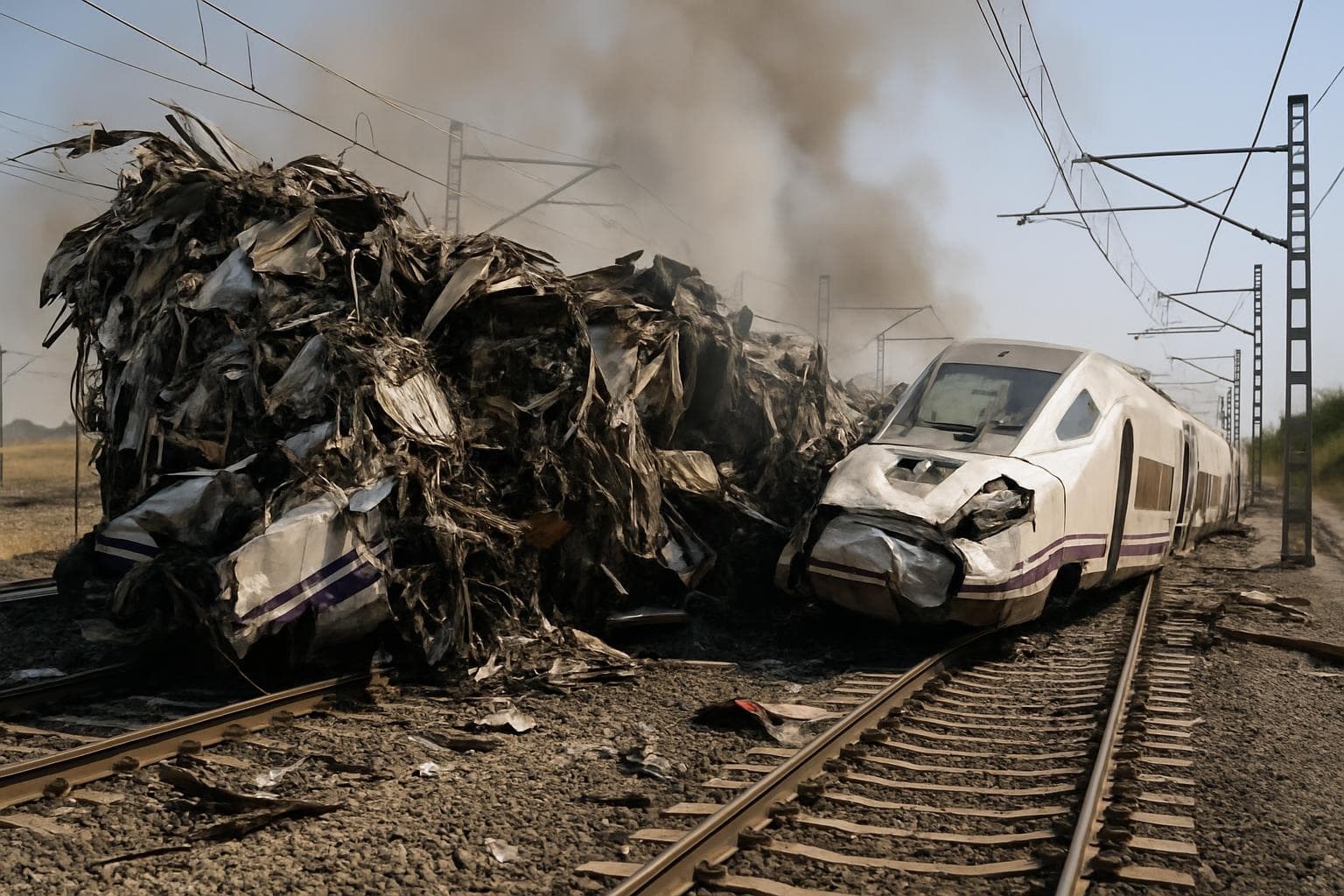
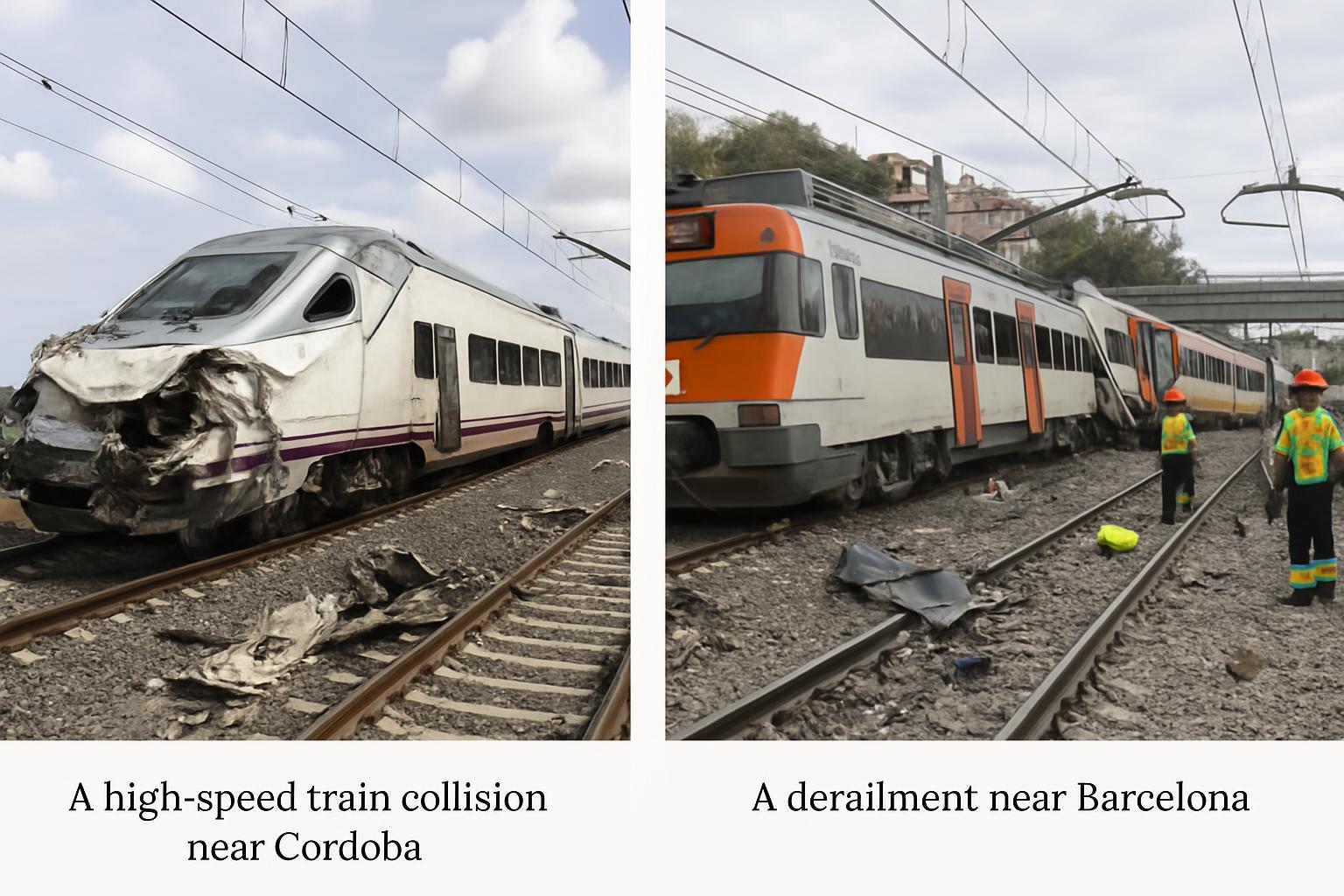
In a tragic incident that has shaken Spain, at least 40 people have lost their lives, and dozens more have been injured following a catastrophic collision between two high-speed trains near Córdoba. This marks the country's most severe rail disaster in over ten years. The collision occurred on Sunday evening around 19:45 local time, involving a train traveling from Málaga to Madrid and another heading from Madrid to Huelva.
Details of the Collision
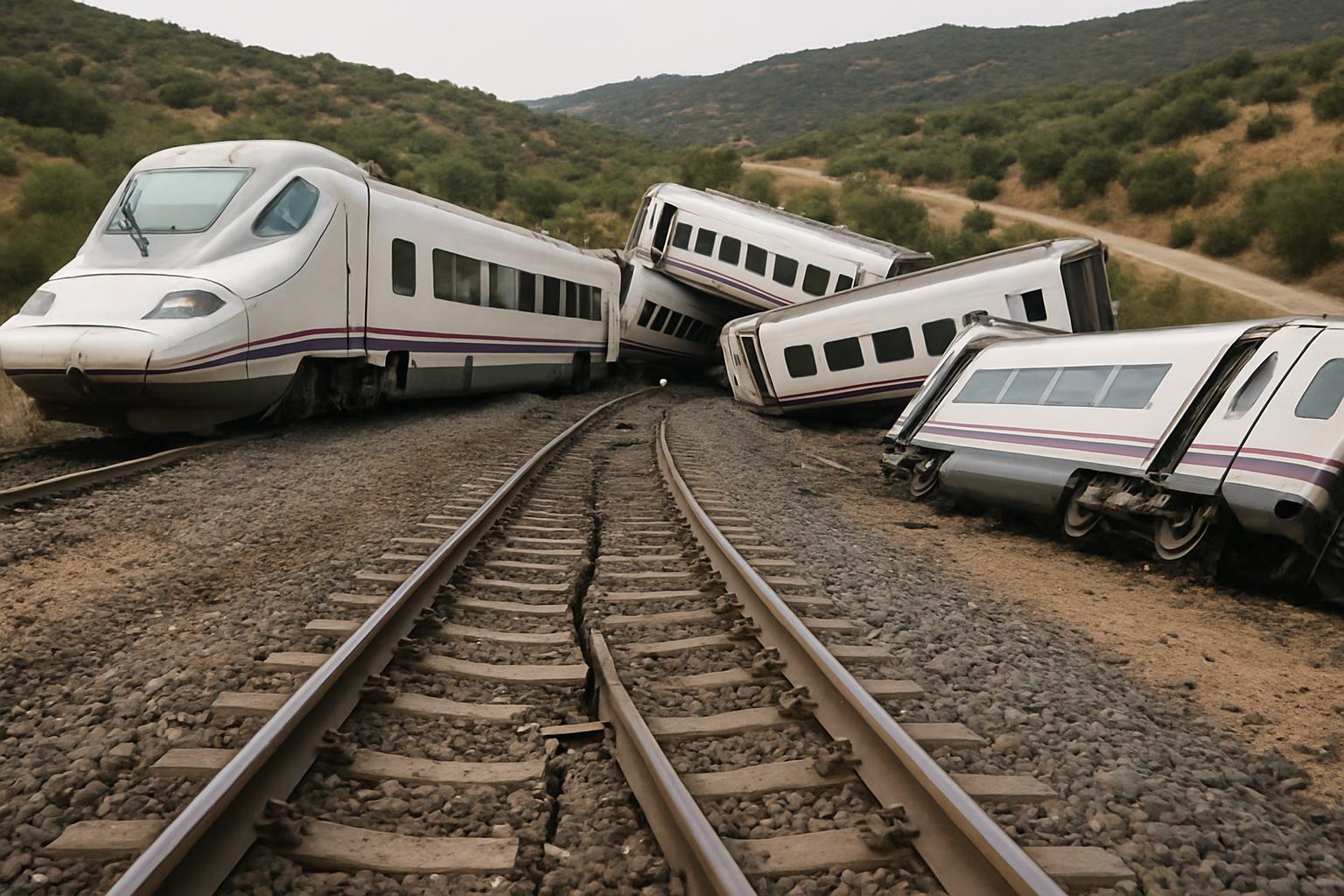
The crash took place near the town of Adamuz, approximately 20 miles northeast of Córdoba. The Málaga-Madrid train derailed and crossed onto the opposite track, colliding with the oncoming Madrid-Huelva train. The impact was devastating, particularly for the front carriages of the Huelva-bound train, which were forced into an embankment. The collision site, described as remote and challenging to access, has complicated rescue efforts.
Investigation and Response
Spain's Transport Minister, Óscar Puente, described the crash as "extremely strange," noting that experts are baffled by the incident. Initial investigations have ruled out excessive speed or human error, suggesting a mechanical fault or infrastructure issue as possible causes. Prime Minister Pedro Sánchez, who visited the scene, has announced a three-day mourning period and pledged to uncover the cause of the disaster. He expressed gratitude to emergency workers for their efforts in such a challenging situation.
Human Impact and Rescue Efforts
The collision has left a profound impact on those involved. María Vidal, a passenger on the Madrid-bound train, recounted the chaos and fear as the trains collided, describing it as feeling "like an earthquake." Rescue teams continue to work tirelessly, with heavy machinery required to lift parts of the wreckage and access trapped individuals. Francisco Carmona, head of firefighters in Córdoba, highlighted the difficulty of the operation, noting the twisted metal and the need to remove deceased individuals to reach survivors.
WHAT THIS MIGHT MEAN
As the investigation unfolds, authorities will focus on identifying the exact cause of the derailment and collision. The findings could have significant implications for Spain's rail safety protocols and infrastructure investment. If mechanical or infrastructure failures are confirmed, it may prompt a reevaluation of maintenance practices and safety systems across the country's rail network. Politically, the incident could lead to increased scrutiny of government oversight and funding for public transportation. As Spain mourns, the nation will be watching closely for answers and assurances that such a tragedy will not occur again.
Related Articles
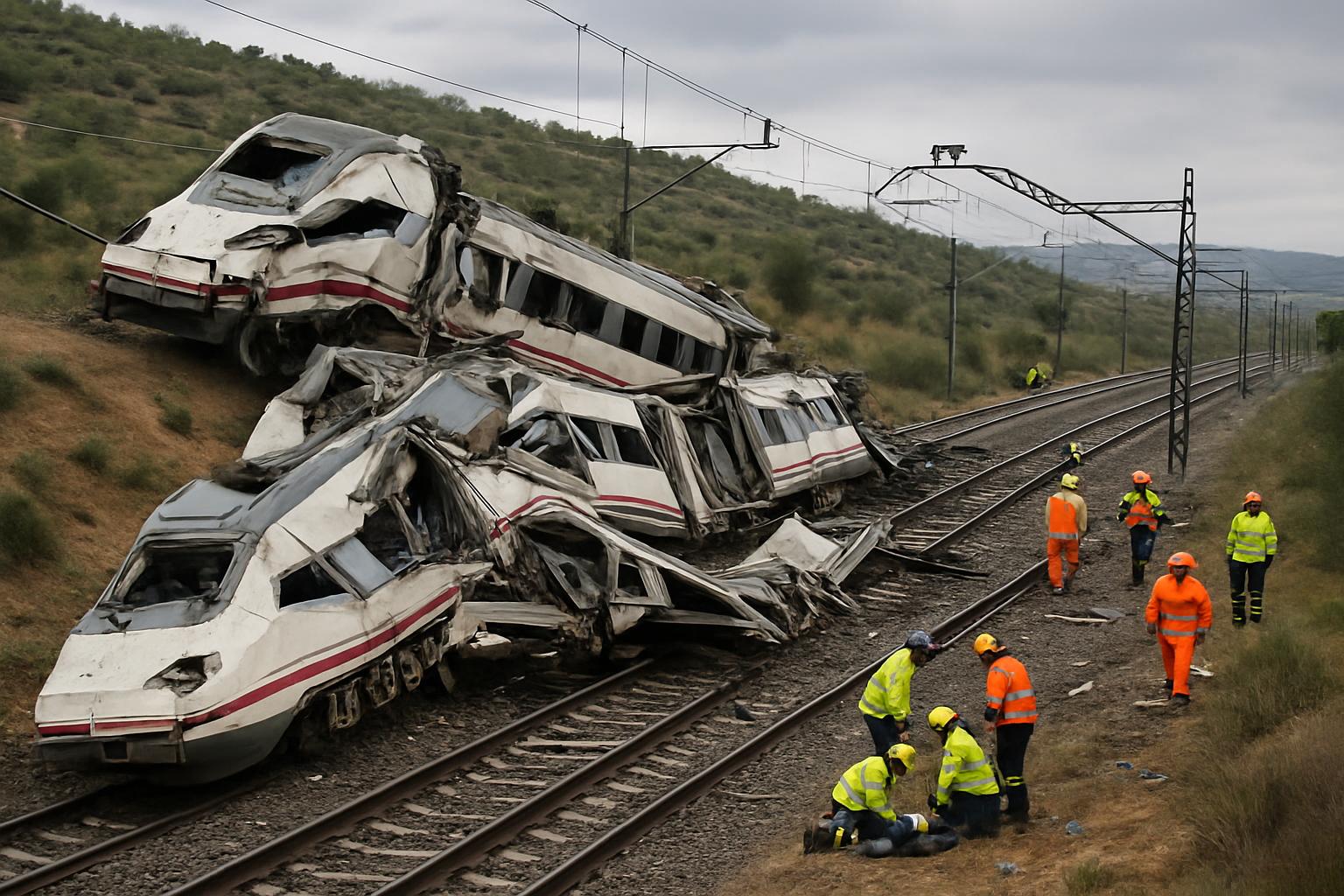
Tragedy Strikes as High-Speed Train Collision in Spain Claims 39 Lives
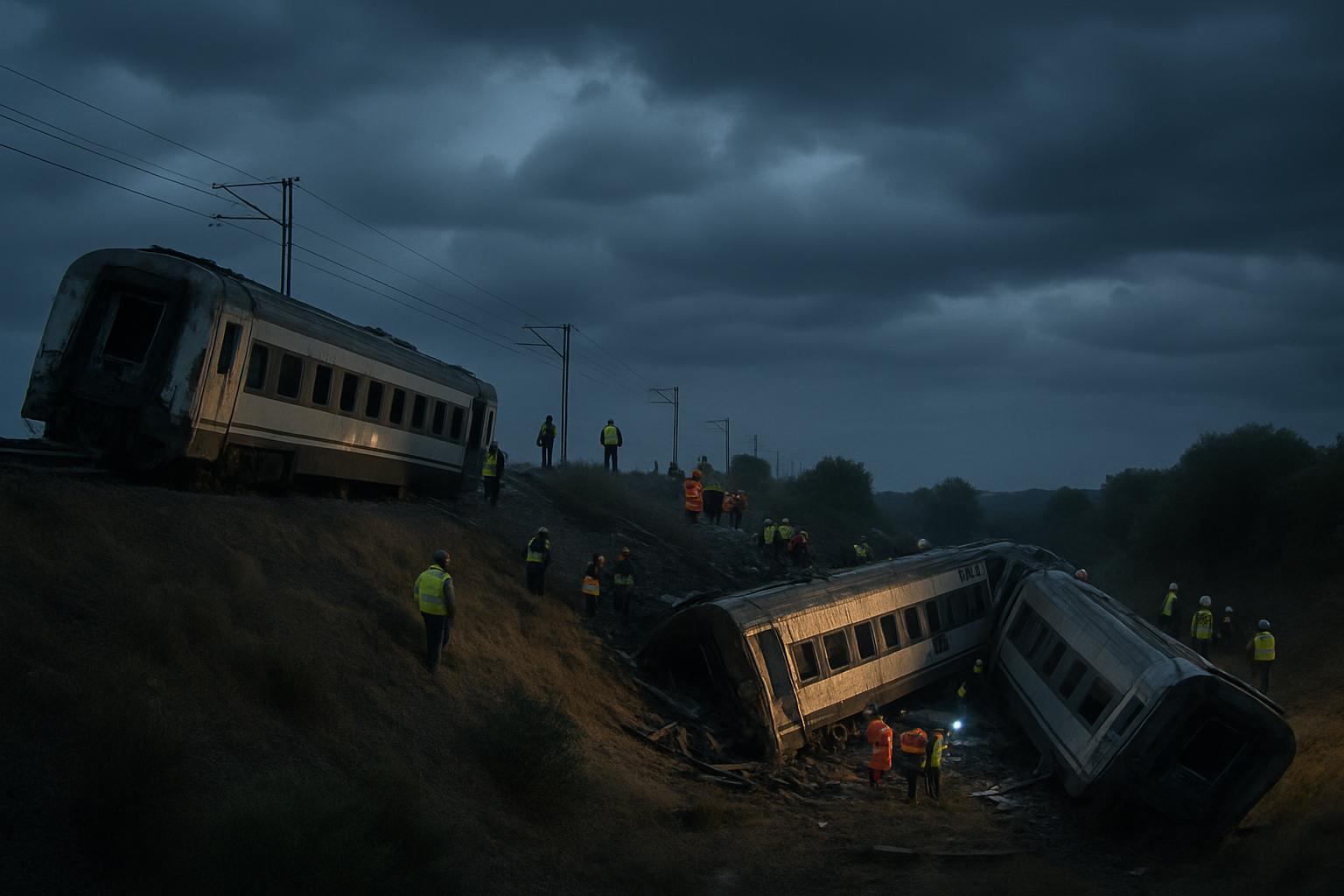
Spain Mourns as Investigation Begins into Deadly Train Crash
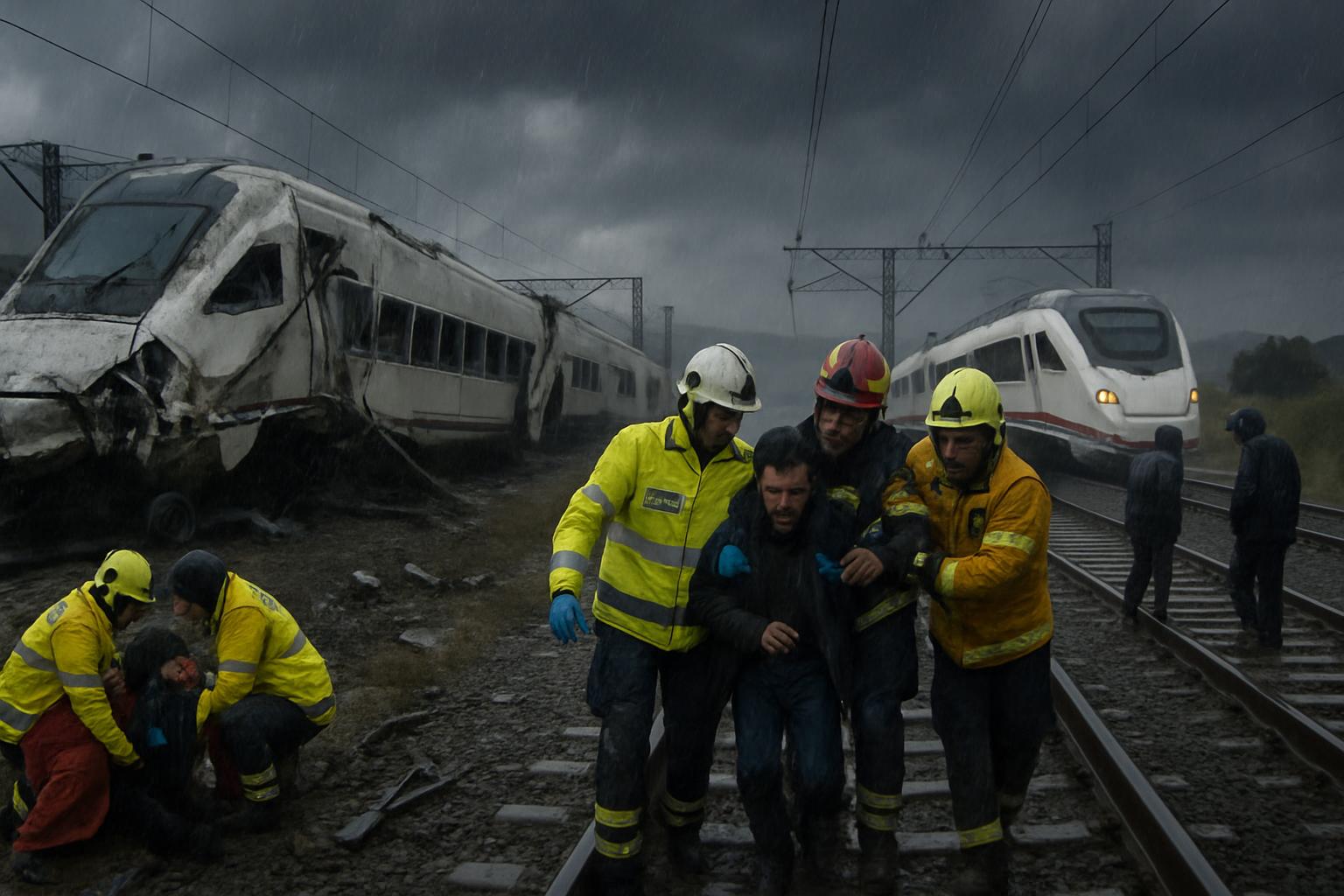
Spain Reels from Dual Train Disasters Amid Safety Concerns

Spain's Landmark Decree to Regularise Half a Million Undocumented Migrants
Spain's Rail Network Faces Intense Scrutiny After Dual Tragedies
Fractured Rail Suspected in Deadly Spanish Train Collision
Spain's Worst Rail Disaster in Over a Decade: What We Know So Far
In This Article
 Leila Hassan| Published
 HIGHLIGHTS
- At least 40 people have died and dozens more were injured after two high-speed trains collided near Córdoba, Spain, marking the worst rail disaster in over a decade.
- The crash involved a Málaga-Madrid train and a Madrid-Huelva train, with the latter bearing the brunt of the impact.
- An investigation is underway to determine the cause, with officials ruling out excessive speed or human error as likely factors.
- Prime Minister Pedro Sánchez declared a three-day mourning period and vowed to uncover the cause of the crash.
- Rescue operations are ongoing, with heavy machinery needed to access parts of the wreckage and identify remaining victims.
In a tragic incident that has shaken Spain, at least 40 people have lost their lives, and dozens more have been injured following a catastrophic collision between two high-speed trains near Córdoba. This marks the country's most severe rail disaster in over ten years. The collision occurred on Sunday evening around 19:45 local time, involving a train traveling from Málaga to Madrid and another heading from Madrid to Huelva.
Details of the Collision
The crash took place near the town of Adamuz, approximately 20 miles northeast of Córdoba. The Málaga-Madrid train derailed and crossed onto the opposite track, colliding with the oncoming Madrid-Huelva train. The impact was devastating, particularly for the front carriages of the Huelva-bound train, which were forced into an embankment. The collision site, described as remote and challenging to access, has complicated rescue efforts.
Investigation and Response
Spain's Transport Minister, Óscar Puente, described the crash as "extremely strange," noting that experts are baffled by the incident. Initial investigations have ruled out excessive speed or human error, suggesting a mechanical fault or infrastructure issue as possible causes. Prime Minister Pedro Sánchez, who visited the scene, has announced a three-day mourning period and pledged to uncover the cause of the disaster. He expressed gratitude to emergency workers for their efforts in such a challenging situation.
Human Impact and Rescue Efforts
The collision has left a profound impact on those involved. María Vidal, a passenger on the Madrid-bound train, recounted the chaos and fear as the trains collided, describing it as feeling "like an earthquake." Rescue teams continue to work tirelessly, with heavy machinery required to lift parts of the wreckage and access trapped individuals. Francisco Carmona, head of firefighters in Córdoba, highlighted the difficulty of the operation, noting the twisted metal and the need to remove deceased individuals to reach survivors.
WHAT THIS MIGHT MEAN
As the investigation unfolds, authorities will focus on identifying the exact cause of the derailment and collision. The findings could have significant implications for Spain's rail safety protocols and infrastructure investment. If mechanical or infrastructure failures are confirmed, it may prompt a reevaluation of maintenance practices and safety systems across the country's rail network. Politically, the incident could lead to increased scrutiny of government oversight and funding for public transportation. As Spain mourns, the nation will be watching closely for answers and assurances that such a tragedy will not occur again.
Related Articles
Tragedy Strikes as High-Speed Train Collision in Spain Claims 39 Lives
Spain Mourns as Investigation Begins into Deadly Train Crash
Spain Reels from Dual Train Disasters Amid Safety Concerns
Spain's Landmark Decree to Regularise Half a Million Undocumented Migrants
Spain's Rail Network Faces Intense Scrutiny After Dual Tragedies
Fractured Rail Suspected in Deadly Spanish Train Collision