
Peter Mandelson Issues Apology Over Jeffrey Epstein Association
In This Article
HIGHLIGHTS
- Peter Mandelson issued a personal apology for maintaining a friendship with Jeffrey Epstein after his conviction.
- Mandelson was dismissed as the UK ambassador to the US following revelations of his supportive emails to Epstein.
- In a BBC interview, Mandelson initially did not apologize, citing ignorance of Epstein's crimes due to lies.
- Mandelson later expressed regret for believing Epstein over his victims, acknowledging their voices were not heard.
- The apology followed public backlash and criticism from political figures and commentators.
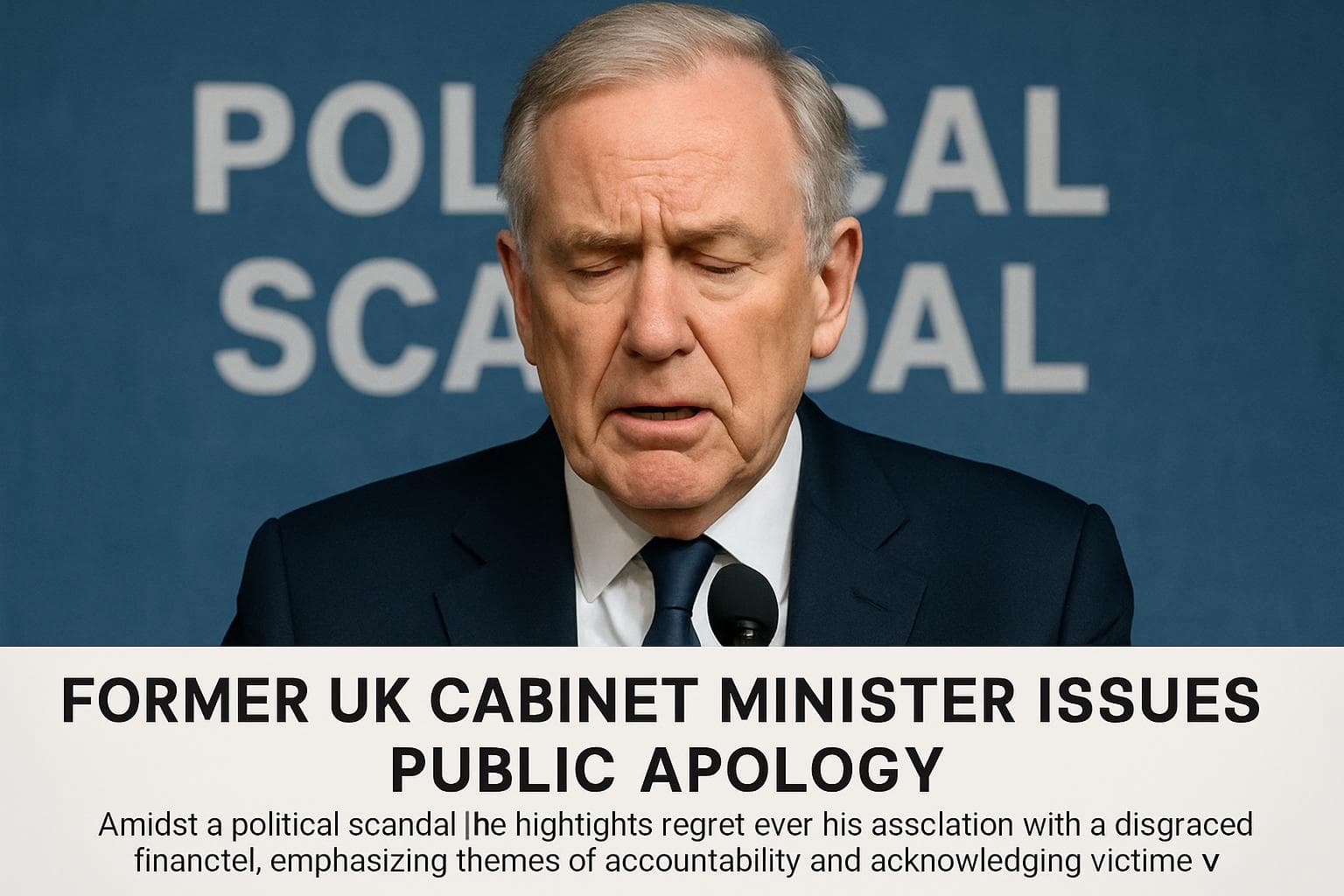
Former UK cabinet minister Peter Mandelson has publicly apologized for his continued association with convicted sex offender Jeffrey Epstein, following a wave of criticism and his dismissal as the UK ambassador to the United States. Mandelson's apology marks a significant reversal from his earlier stance during a BBC interview where he refrained from expressing regret.
Background and Initial Reactions
The controversy surrounding Mandelson erupted after emails surfaced, revealing his supportive correspondence with Epstein post-conviction. In 2008, Epstein was sentenced to 18 months in prison after pleading guilty to charges including soliciting minors for prostitution. Despite this, Mandelson maintained contact, advising Epstein to challenge his conviction. This association led to Mandelson's removal from his diplomatic post last September, with Downing Street citing "new information" as the reason.
Public Apology and Acknowledgment
In a statement to BBC Newsnight, Mandelson extended an "unequivocal" apology to Epstein's victims, acknowledging his error in judgment. "I was wrong to believe him following his conviction and to continue my association with him afterwards," he stated. Mandelson emphasized that he was not complicit in Epstein's crimes, attributing his ignorance to the lies Epstein propagated.
Criticism and Political Fallout
Mandelson's initial reluctance to apologize during his BBC interview drew sharp criticism from political figures and commentators. Labour peer Baroness Kennedy described his lack of initial remorse as "shocking," while other ministers labeled his interview performance as "horrendous." Mandelson defended his actions by asserting that his sexual orientation kept him distanced from Epstein's illicit activities, a claim met with skepticism.
Victims' Voices and Public Backlash
The apology came amid growing public backlash, with many emphasizing the importance of acknowledging the victims' experiences. Mandelson admitted, "His victims did know what he was doing, their voices were not heard and I am truly sorry I was amongst those who believed him over them."
WHAT THIS MIGHT MEAN
The fallout from Mandelson's association with Epstein could have lasting implications for his political career and public image. His apology, while a step towards accountability, may not fully mitigate the damage caused by his earlier reluctance to acknowledge the victims' suffering. Politically, this incident underscores the importance of transparency and accountability, particularly for public figures. Moving forward, there may be increased scrutiny on the relationships and associations of political leaders, especially those involving controversial figures. The case also highlights the broader societal need to prioritize and amplify the voices of victims in similar scandals.
Related Articles

UK Faces Dilemmas Amid Iran Conflict and China Spying Allegations

Diplomatic Tensions Rise as Trump Criticizes Starmer's Iran Policy
Prince Andrew's Ties to Epstein Under Scrutiny Amid Calls for Inquiry

Breakthrough Drug Offers Hope for Children with Severe Epilepsy

Iran Postpones Khamenei Funeral Amid Escalating US-Israeli Strikes
China Sets Lowest GDP Growth Target in Decades Amid Economic Challenges
Peter Mandelson Issues Apology Over Jeffrey Epstein Association
In This Article
 Ethan Brooks| Published
 HIGHLIGHTS
- Peter Mandelson issued a personal apology for maintaining a friendship with Jeffrey Epstein after his conviction.
- Mandelson was dismissed as the UK ambassador to the US following revelations of his supportive emails to Epstein.
- In a BBC interview, Mandelson initially did not apologize, citing ignorance of Epstein's crimes due to lies.
- Mandelson later expressed regret for believing Epstein over his victims, acknowledging their voices were not heard.
- The apology followed public backlash and criticism from political figures and commentators.
Former UK cabinet minister Peter Mandelson has publicly apologized for his continued association with convicted sex offender Jeffrey Epstein, following a wave of criticism and his dismissal as the UK ambassador to the United States. Mandelson's apology marks a significant reversal from his earlier stance during a BBC interview where he refrained from expressing regret.
Background and Initial Reactions
The controversy surrounding Mandelson erupted after emails surfaced, revealing his supportive correspondence with Epstein post-conviction. In 2008, Epstein was sentenced to 18 months in prison after pleading guilty to charges including soliciting minors for prostitution. Despite this, Mandelson maintained contact, advising Epstein to challenge his conviction. This association led to Mandelson's removal from his diplomatic post last September, with Downing Street citing "new information" as the reason.
Public Apology and Acknowledgment
In a statement to BBC Newsnight, Mandelson extended an "unequivocal" apology to Epstein's victims, acknowledging his error in judgment. "I was wrong to believe him following his conviction and to continue my association with him afterwards," he stated. Mandelson emphasized that he was not complicit in Epstein's crimes, attributing his ignorance to the lies Epstein propagated.
Criticism and Political Fallout
Mandelson's initial reluctance to apologize during his BBC interview drew sharp criticism from political figures and commentators. Labour peer Baroness Kennedy described his lack of initial remorse as "shocking," while other ministers labeled his interview performance as "horrendous." Mandelson defended his actions by asserting that his sexual orientation kept him distanced from Epstein's illicit activities, a claim met with skepticism.
Victims' Voices and Public Backlash
The apology came amid growing public backlash, with many emphasizing the importance of acknowledging the victims' experiences. Mandelson admitted, "His victims did know what he was doing, their voices were not heard and I am truly sorry I was amongst those who believed him over them."
WHAT THIS MIGHT MEAN
The fallout from Mandelson's association with Epstein could have lasting implications for his political career and public image. His apology, while a step towards accountability, may not fully mitigate the damage caused by his earlier reluctance to acknowledge the victims' suffering. Politically, this incident underscores the importance of transparency and accountability, particularly for public figures. Moving forward, there may be increased scrutiny on the relationships and associations of political leaders, especially those involving controversial figures. The case also highlights the broader societal need to prioritize and amplify the voices of victims in similar scandals.
Related Articles
UK Faces Dilemmas Amid Iran Conflict and China Spying Allegations
Diplomatic Tensions Rise as Trump Criticizes Starmer's Iran Policy
Prince Andrew's Ties to Epstein Under Scrutiny Amid Calls for Inquiry
Breakthrough Drug Offers Hope for Children with Severe Epilepsy
Iran Postpones Khamenei Funeral Amid Escalating US-Israeli Strikes
China Sets Lowest GDP Growth Target in Decades Amid Economic Challenges