
Pro-Palestinian Protests Disrupt Edinburgh Fringe Event as First Minister Labels Gaza Situation 'Genocide'
In This Article
HIGHLIGHTS
- First Minister John Swinney's Edinburgh Fringe event was disrupted by pro-Palestinian protesters demanding an end to arms funding.
- Swinney described the situation in Gaza as "genocide," marking the first time he used this term publicly.
- The Scottish government faces criticism for indirectly supporting arms companies through apprenticeships.
- Swinney defended the government's actions, emphasizing strict assessments and efforts to diversify company activities.
- The protests reflect ongoing tensions over the Israel-Palestine conflict and calls for international intervention.
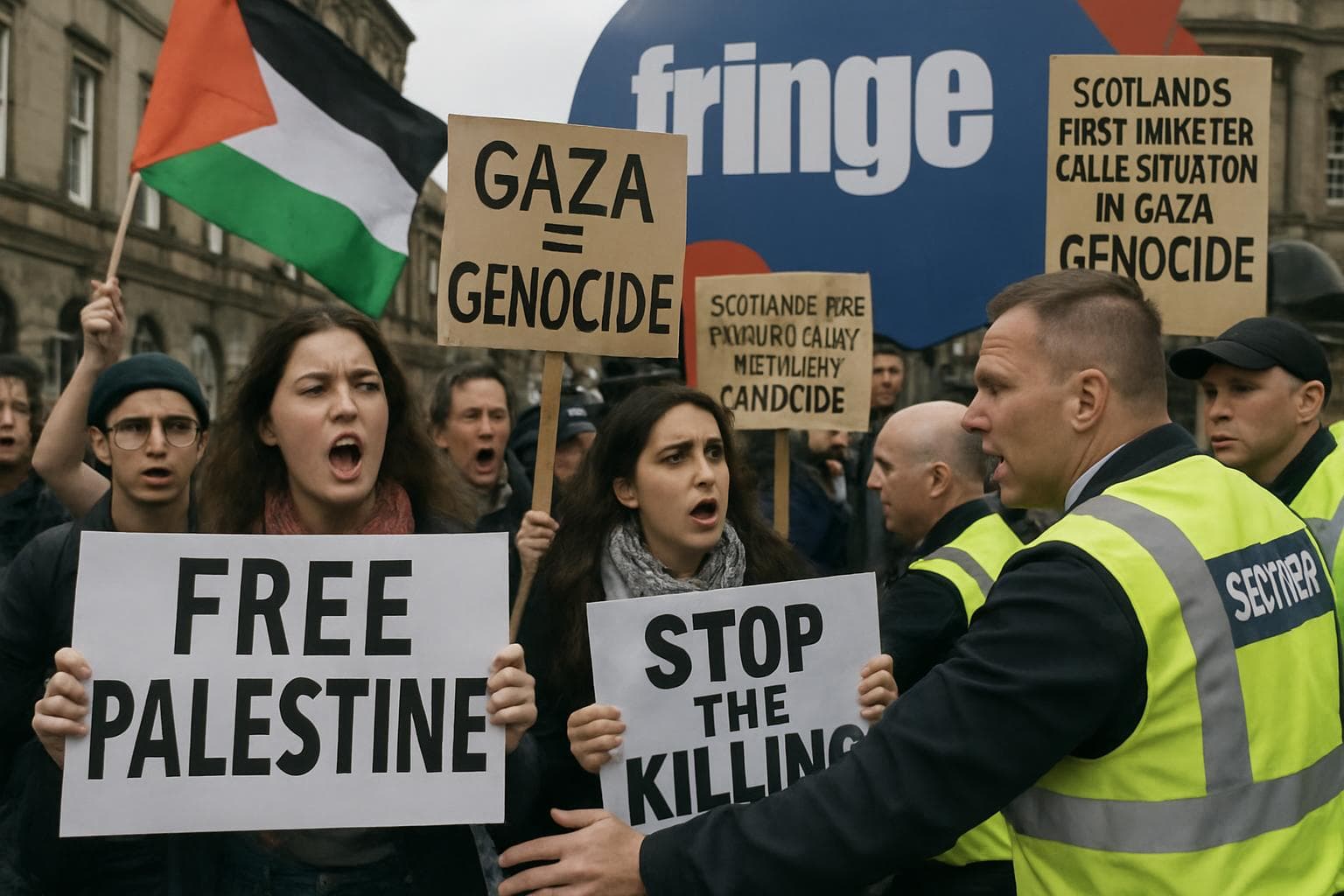
An Edinburgh Fringe Festival event featuring Scotland's First Minister, John Swinney, was repeatedly disrupted by pro-Palestinian protesters. The event, held at the Stand comedy venue, was intended to be a discussion on "life, art, politics, and Scotland's future," but quickly turned into a platform for political dissent. Protesters interrupted Swinney's interview with comedian Susan Morrison, demanding an end to Scottish government funding for arms companies.
Swinney, who has been vocal about the Israel-Palestine conflict, described the situation in Gaza as "genocide" for the first time. "It's quite clear that there is a genocide in Palestine – it can't be disputed," he told journalists after the event. His comments align with those of Sinn Féin's Michelle O'Neill, who previously labeled Israel's actions as "state terrorism."
The Scottish government has faced criticism for its economic agency, Scottish Enterprise, which funds apprenticeships at firms involved in arms manufacturing. While the government does not directly fund munitions production, Swinney defended the practice, stating that the agency conducts "the strictest assessments imaginable" to ensure public funds are used appropriately. He emphasized efforts to help companies diversify their activities away from defense industries.
The protests at the Fringe event underscore the heightened tensions surrounding the Israel-Palestine conflict. Protesters held signs spelling "genocide" and clashed with Swinney's security team, who prevented them from reaching the stage. The disruptions occurred just days after Swinney's speech at the Edinburgh festivals, where he championed freedom of expression and robust debate.
WHAT THIS MIGHT MEAN
The disruption at the Edinburgh Fringe highlights the growing pressure on political leaders to take a definitive stance on the Israel-Palestine conflict. Swinney's use of the term "genocide" may prompt further debate within the Scottish National Party and could influence the UK government's position on the issue. As international scrutiny intensifies, the Scottish government's funding practices related to arms companies may face increased examination. The protests also reflect broader public sentiment and could lead to more significant calls for policy changes regarding arms funding and international intervention in the conflict.
Related Articles

UK Faces Dilemmas Amid Iran Conflict and China Spying Allegations

Tragedy Strikes County Armagh: Three Dead in Multi-Vehicle Collision
Prince Andrew's Ties to Epstein Under Scrutiny Amid Calls for Inquiry
Government Criticized for Mishandling Maccabi Tel Aviv Fan Ban
Middle East Conflict Drives UK Energy Prices to New Highs
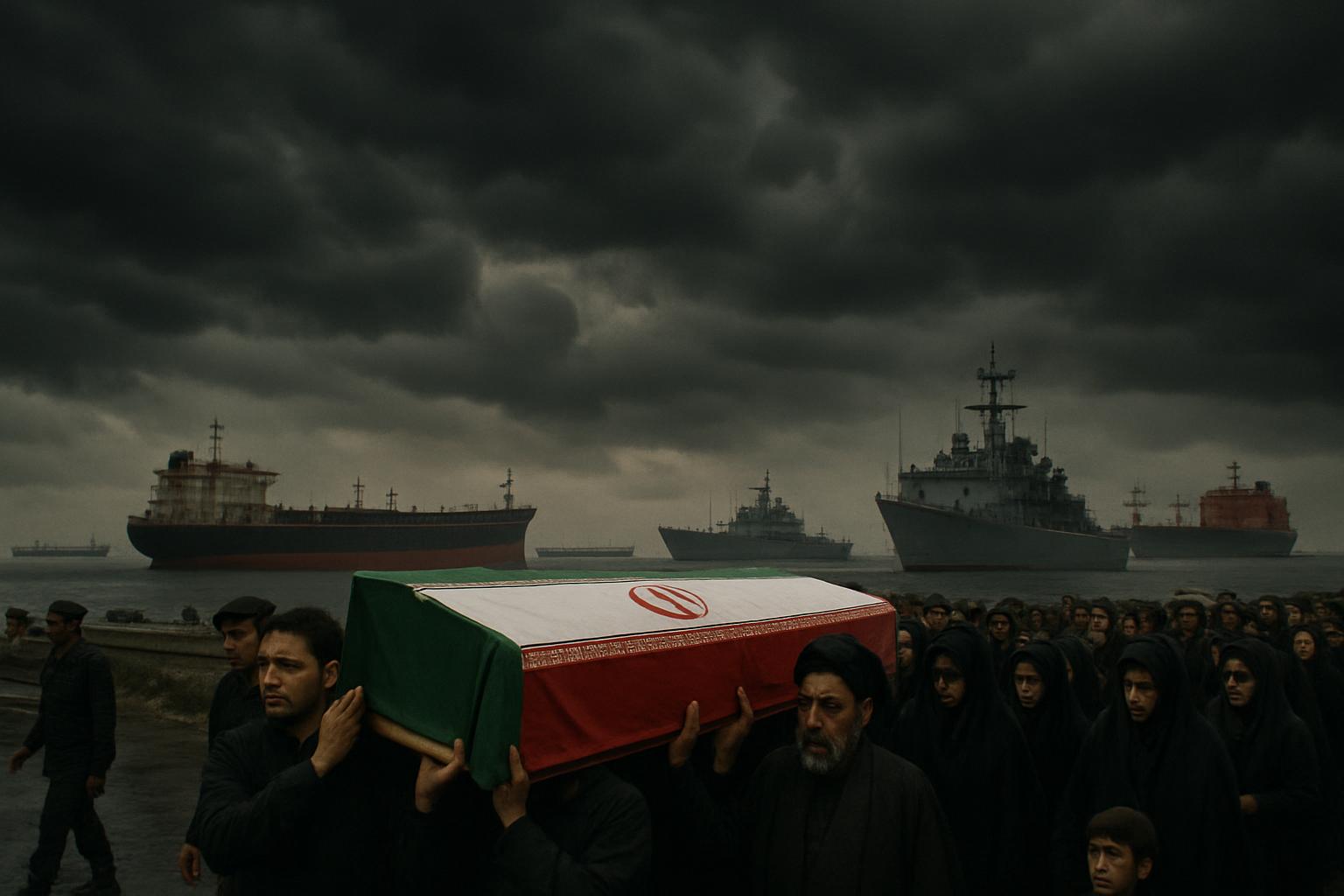
Iran Postpones Khamenei Funeral Amid Escalating US-Israeli Strikes
Pro-Palestinian Protests Disrupt Edinburgh Fringe Event as First Minister Labels Gaza Situation 'Genocide'
In This Article
 Ethan Brooks| Published
 HIGHLIGHTS
- First Minister John Swinney's Edinburgh Fringe event was disrupted by pro-Palestinian protesters demanding an end to arms funding.
- Swinney described the situation in Gaza as "genocide," marking the first time he used this term publicly.
- The Scottish government faces criticism for indirectly supporting arms companies through apprenticeships.
- Swinney defended the government's actions, emphasizing strict assessments and efforts to diversify company activities.
- The protests reflect ongoing tensions over the Israel-Palestine conflict and calls for international intervention.
An Edinburgh Fringe Festival event featuring Scotland's First Minister, John Swinney, was repeatedly disrupted by pro-Palestinian protesters. The event, held at the Stand comedy venue, was intended to be a discussion on "life, art, politics, and Scotland's future," but quickly turned into a platform for political dissent. Protesters interrupted Swinney's interview with comedian Susan Morrison, demanding an end to Scottish government funding for arms companies.
Swinney, who has been vocal about the Israel-Palestine conflict, described the situation in Gaza as "genocide" for the first time. "It's quite clear that there is a genocide in Palestine – it can't be disputed," he told journalists after the event. His comments align with those of Sinn Féin's Michelle O'Neill, who previously labeled Israel's actions as "state terrorism."
The Scottish government has faced criticism for its economic agency, Scottish Enterprise, which funds apprenticeships at firms involved in arms manufacturing. While the government does not directly fund munitions production, Swinney defended the practice, stating that the agency conducts "the strictest assessments imaginable" to ensure public funds are used appropriately. He emphasized efforts to help companies diversify their activities away from defense industries.
The protests at the Fringe event underscore the heightened tensions surrounding the Israel-Palestine conflict. Protesters held signs spelling "genocide" and clashed with Swinney's security team, who prevented them from reaching the stage. The disruptions occurred just days after Swinney's speech at the Edinburgh festivals, where he championed freedom of expression and robust debate.
WHAT THIS MIGHT MEAN
The disruption at the Edinburgh Fringe highlights the growing pressure on political leaders to take a definitive stance on the Israel-Palestine conflict. Swinney's use of the term "genocide" may prompt further debate within the Scottish National Party and could influence the UK government's position on the issue. As international scrutiny intensifies, the Scottish government's funding practices related to arms companies may face increased examination. The protests also reflect broader public sentiment and could lead to more significant calls for policy changes regarding arms funding and international intervention in the conflict.
Related Articles
UK Faces Dilemmas Amid Iran Conflict and China Spying Allegations
Tragedy Strikes County Armagh: Three Dead in Multi-Vehicle Collision
Prince Andrew's Ties to Epstein Under Scrutiny Amid Calls for Inquiry
Government Criticized for Mishandling Maccabi Tel Aviv Fan Ban
Middle East Conflict Drives UK Energy Prices to New Highs
Iran Postpones Khamenei Funeral Amid Escalating US-Israeli Strikes