
Tensions Rise as Protests Erupt Over Asylum Seeker Housing in England

In This Article
HIGHLIGHTS
- Fifteen arrests were made during protests outside hotels housing asylum seekers across England, with clashes occurring in London and Newcastle.
- The Home Office plans to end the use of hotels for asylum seekers by 2029, aiming to save £1 billion annually.
- In London, the protest at the Thistle City Barbican Hotel saw anti-migrant groups and counter-demonstrators, with nine arrests for breaching Public Order Act conditions.
- Former Labour leader Jeremy Corbyn supported the counter-protest organized by Stand Up to Racism, which outnumbered the anti-hotel protesters.
- Greater Manchester Police reported peaceful demonstrations in Manchester, with only two arrests for theft and obstructing an arrest.
Protests against the use of hotels to house asylum seekers have led to multiple arrests across England, highlighting the ongoing tensions surrounding immigration policies. Demonstrations took place in London, Newcastle, and Manchester, with anti-migrant groups clashing with counter-demonstrators advocating for the rights of asylum seekers.
Protests and Arrests Across England
In London, the Thistle City Barbican Hotel became the focal point of protests on Saturday. Anti-migrant demonstrators, rallying under the banner "Thistle Barbican needs to go - locals say no," were met by a larger counter-protest organized by Stand Up to Racism. The Metropolitan Police reported nine arrests, primarily for breaching Public Order Act conditions. Former Labour leader Jeremy Corbyn, MP for Islington North, supported the counter-protest, emphasizing the need to welcome asylum seekers.
Newcastle also witnessed tensions outside The New Bridge Hotel, resulting in four arrests. Meanwhile, in Manchester, a march organized by Britain First saw around 1,500 participants, with a counter-demonstration by Stand Up to Racism attracting about 250 people. Greater Manchester Police confirmed that the demonstrations were largely peaceful, with only two arrests made.
Government's Response and Future Plans
The Home Office has announced plans to phase out the use of hotels for asylum seekers by 2029, a move expected to save £1 billion annually. Home Secretary Yvette Cooper expressed intentions to streamline the appeals process and increase deportations, aiming to restore order to the asylum system. These changes are anticipated to begin in the autumn.
Voices from the Protests
The protests have drawn diverse voices, with some participants expressing solidarity with asylum seekers. Sarah Bailey, a retired local resident, emphasized the importance of showing support to those seeking safety. "I want people to feel safe," said Pat Prendergast, a 21-year-old counter-protester. "We want people here."
WHAT THIS MIGHT MEAN
The government's decision to end the use of hotels for asylum seekers by 2029 could significantly impact the current asylum system. Experts suggest that while the move may alleviate financial burdens, it could also strain alternative accommodation solutions. The proposed fast-tracking of appeals and increased deportations may face legal challenges and public scrutiny, potentially affecting the timeline of these reforms.
Politically, the protests underscore the deep divisions within the UK regarding immigration policies. As the government seeks to balance public opinion and humanitarian obligations, the situation remains fluid. Continued dialogue and engagement with local communities and advocacy groups will be crucial in navigating these complex issues.
Related Articles

UK Government to Reform Asylum Seeker Support and Employment Policies

Labour MP's Husband Arrested in UK-China Espionage Probe

UK Faces Dilemmas Amid Iran Conflict and China Spying Allegations

UK Reinforces Military Presence in Cyprus Amid Middle East Tensions

UK-Iran Tensions: Starmer Defends Cautious Approach Amid Trump Criticism
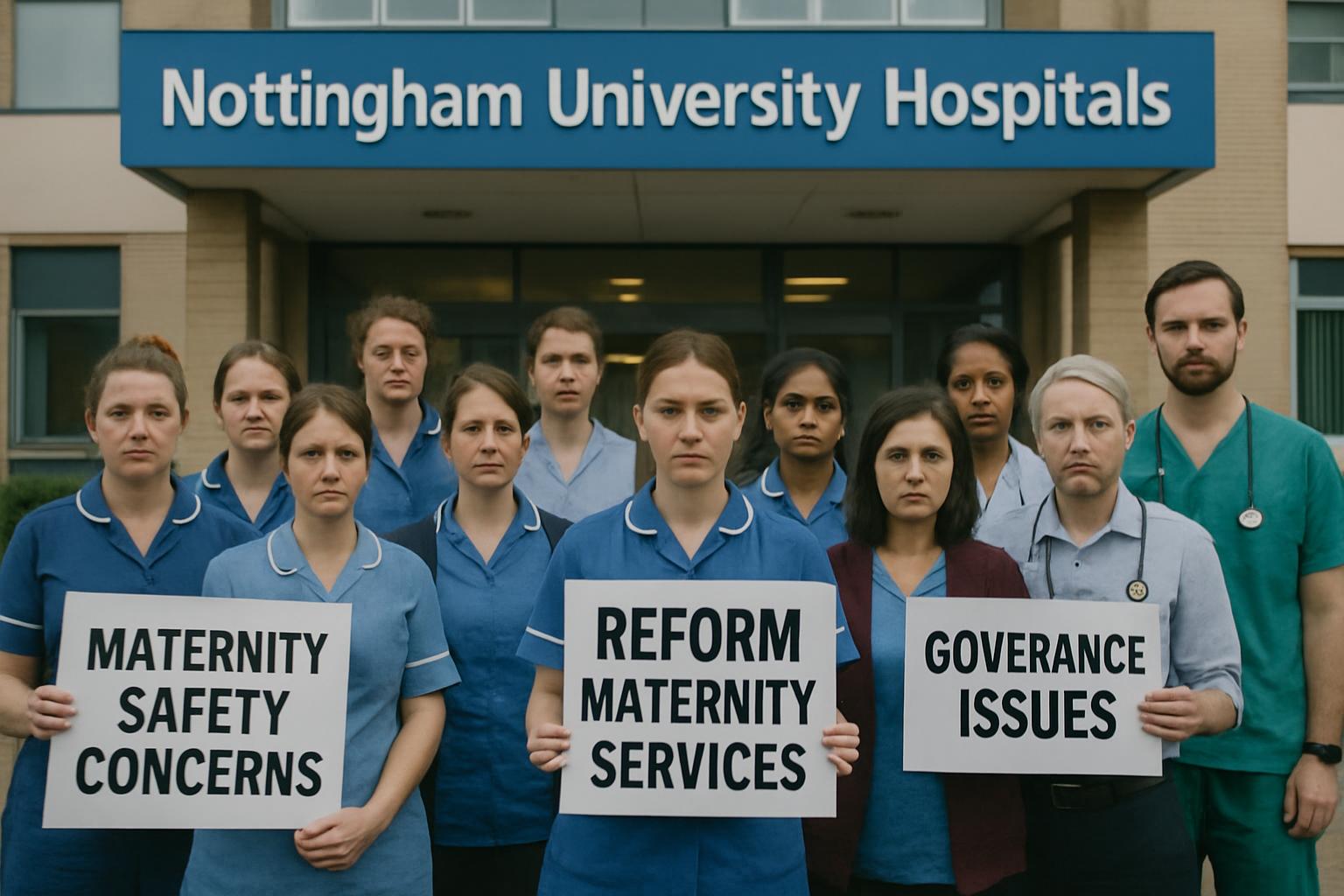
Persistent Safety Concerns in Nottingham Maternity Services Amidst Calls for Systemic Reform
Tensions Rise as Protests Erupt Over Asylum Seeker Housing in England
In This Article
 Ethan Brooks| Published
 HIGHLIGHTS
- Fifteen arrests were made during protests outside hotels housing asylum seekers across England, with clashes occurring in London and Newcastle.
- The Home Office plans to end the use of hotels for asylum seekers by 2029, aiming to save £1 billion annually.
- In London, the protest at the Thistle City Barbican Hotel saw anti-migrant groups and counter-demonstrators, with nine arrests for breaching Public Order Act conditions.
- Former Labour leader Jeremy Corbyn supported the counter-protest organized by Stand Up to Racism, which outnumbered the anti-hotel protesters.
- Greater Manchester Police reported peaceful demonstrations in Manchester, with only two arrests for theft and obstructing an arrest.
Protests against the use of hotels to house asylum seekers have led to multiple arrests across England, highlighting the ongoing tensions surrounding immigration policies. Demonstrations took place in London, Newcastle, and Manchester, with anti-migrant groups clashing with counter-demonstrators advocating for the rights of asylum seekers.
Protests and Arrests Across England
In London, the Thistle City Barbican Hotel became the focal point of protests on Saturday. Anti-migrant demonstrators, rallying under the banner "Thistle Barbican needs to go - locals say no," were met by a larger counter-protest organized by Stand Up to Racism. The Metropolitan Police reported nine arrests, primarily for breaching Public Order Act conditions. Former Labour leader Jeremy Corbyn, MP for Islington North, supported the counter-protest, emphasizing the need to welcome asylum seekers.
Newcastle also witnessed tensions outside The New Bridge Hotel, resulting in four arrests. Meanwhile, in Manchester, a march organized by Britain First saw around 1,500 participants, with a counter-demonstration by Stand Up to Racism attracting about 250 people. Greater Manchester Police confirmed that the demonstrations were largely peaceful, with only two arrests made.
Government's Response and Future Plans
The Home Office has announced plans to phase out the use of hotels for asylum seekers by 2029, a move expected to save £1 billion annually. Home Secretary Yvette Cooper expressed intentions to streamline the appeals process and increase deportations, aiming to restore order to the asylum system. These changes are anticipated to begin in the autumn.
Voices from the Protests
The protests have drawn diverse voices, with some participants expressing solidarity with asylum seekers. Sarah Bailey, a retired local resident, emphasized the importance of showing support to those seeking safety. "I want people to feel safe," said Pat Prendergast, a 21-year-old counter-protester. "We want people here."
WHAT THIS MIGHT MEAN
The government's decision to end the use of hotels for asylum seekers by 2029 could significantly impact the current asylum system. Experts suggest that while the move may alleviate financial burdens, it could also strain alternative accommodation solutions. The proposed fast-tracking of appeals and increased deportations may face legal challenges and public scrutiny, potentially affecting the timeline of these reforms.
Politically, the protests underscore the deep divisions within the UK regarding immigration policies. As the government seeks to balance public opinion and humanitarian obligations, the situation remains fluid. Continued dialogue and engagement with local communities and advocacy groups will be crucial in navigating these complex issues.
Related Articles
UK Government to Reform Asylum Seeker Support and Employment Policies
Labour MP's Husband Arrested in UK-China Espionage Probe
UK Faces Dilemmas Amid Iran Conflict and China Spying Allegations
UK Reinforces Military Presence in Cyprus Amid Middle East Tensions
UK-Iran Tensions: Starmer Defends Cautious Approach Amid Trump Criticism
Persistent Safety Concerns in Nottingham Maternity Services Amidst Calls for Systemic Reform