
Radioactive Wasp Nest Found at South Carolina Nuclear Site Raises Safety Concerns
In This Article
HIGHLIGHTS
- A radioactive wasp nest was discovered at the Savannah River Site in South Carolina, with radiation levels exceeding federal limits by ten times.
- The contamination is attributed to "onsite legacy radioactive contamination" from the site's history in nuclear weapons production.
- The Department of Energy confirmed no environmental or public impact, and no wasps were found in the nest.
- Environmental groups have criticized the lack of transparency regarding the source of the contamination.
- The Savannah River Site, operational since the 1950s, now focuses on nuclear materials management and environmental cleanup.
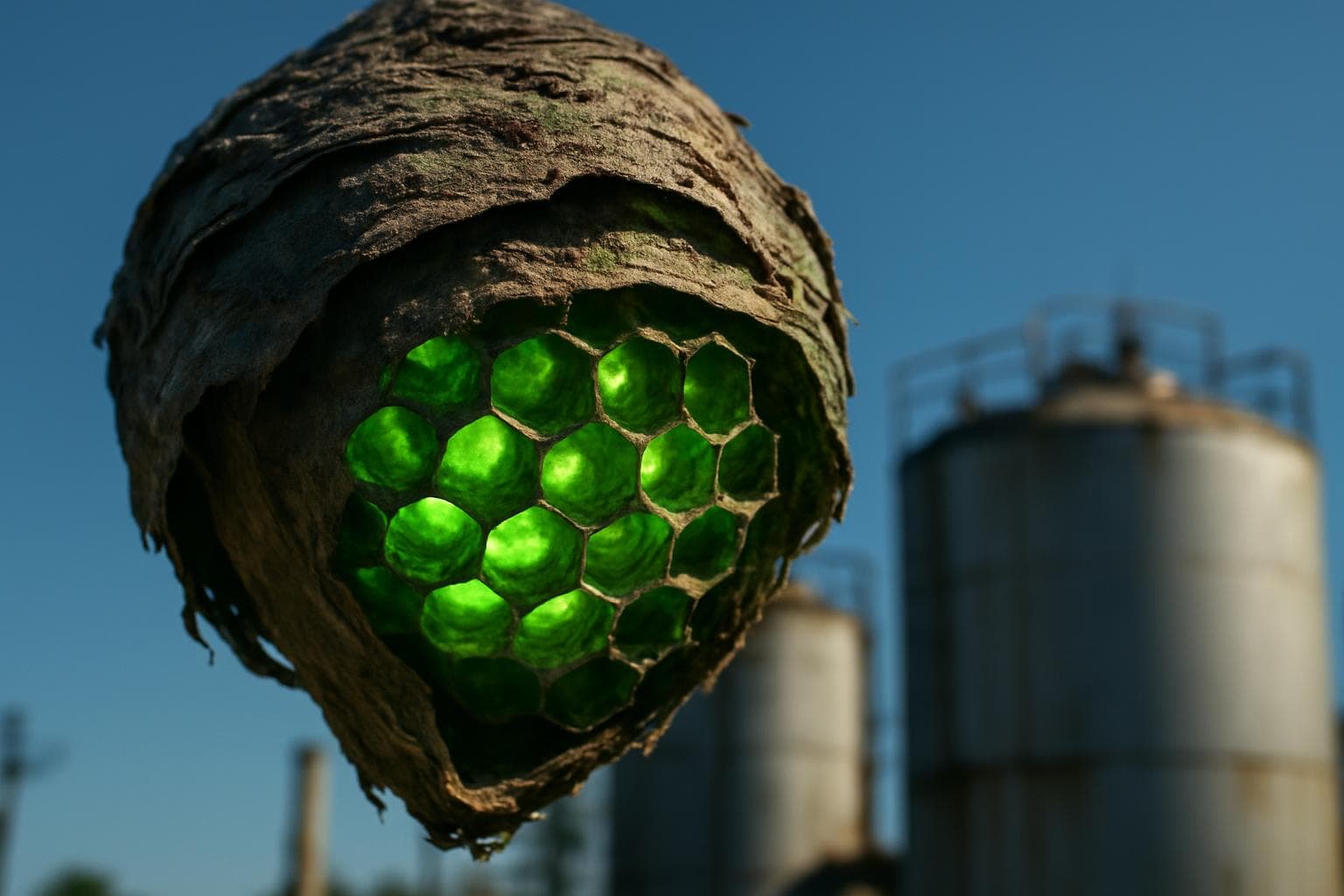
A radioactive wasp nest has been discovered at the Savannah River Site (SRS) in South Carolina, a facility historically linked to nuclear weapons production. The nest, found on July 3, exhibited radiation levels more than ten times the federal safety limits, according to a report by the U.S. Department of Energy released on July 22.
Discovery and Immediate Response
The nest was located near tanks used for storing liquid nuclear waste. Upon discovery, it was promptly sprayed and disposed of as radiological waste, following standard procedures. The Department of Energy assured that the contamination stemmed from "onsite legacy radioactive contamination" and was not due to any current leak or loss of contamination control. Importantly, no wasps were present in the nest, and the area showed no further contamination, ensuring no risk to workers or the public.
Historical Context and Current Operations
The Savannah River Site, established in the early 1950s, was initially focused on producing plutonium and tritium for nuclear weapons during the Cold War. Since 1992, its operations have shifted towards environmental cleanup and nuclear materials management. The site spans 310 square miles and contains numerous underground tanks, some of which are still in use today.
Public and Environmental Concerns
Despite assurances from the Department of Energy, environmental watchdogs, including the Savannah River Site Watch, have expressed dissatisfaction with the transparency of the investigation. Tom Clements, the group's executive director, voiced concerns about the unexplained origins of the radioactive contamination and potential risks from the waste tanks.
WHAT THIS MIGHT MEAN
The discovery of the radioactive wasp nest at the Savannah River Site underscores ongoing challenges in managing legacy radioactive contamination. Moving forward, increased transparency and communication from the Department of Energy could help alleviate public concerns. The incident may prompt further scrutiny of the site's safety protocols and environmental impact assessments. As the facility continues its focus on nuclear materials management and environmental cleanup, maintaining rigorous monitoring and reporting standards will be crucial to ensuring public trust and environmental safety.

Radioactive Wasp Nest Found at South Carolina Nuclear Site Raises Safety Concerns
In This Article
 Leila Hassan| Published
 HIGHLIGHTS
- A radioactive wasp nest was discovered at the Savannah River Site in South Carolina, with radiation levels exceeding federal limits by ten times.
- The contamination is attributed to "onsite legacy radioactive contamination" from the site's history in nuclear weapons production.
- The Department of Energy confirmed no environmental or public impact, and no wasps were found in the nest.
- Environmental groups have criticized the lack of transparency regarding the source of the contamination.
- The Savannah River Site, operational since the 1950s, now focuses on nuclear materials management and environmental cleanup.
A radioactive wasp nest has been discovered at the Savannah River Site (SRS) in South Carolina, a facility historically linked to nuclear weapons production. The nest, found on July 3, exhibited radiation levels more than ten times the federal safety limits, according to a report by the U.S. Department of Energy released on July 22.
Discovery and Immediate Response
The nest was located near tanks used for storing liquid nuclear waste. Upon discovery, it was promptly sprayed and disposed of as radiological waste, following standard procedures. The Department of Energy assured that the contamination stemmed from "onsite legacy radioactive contamination" and was not due to any current leak or loss of contamination control. Importantly, no wasps were present in the nest, and the area showed no further contamination, ensuring no risk to workers or the public.
Historical Context and Current Operations
The Savannah River Site, established in the early 1950s, was initially focused on producing plutonium and tritium for nuclear weapons during the Cold War. Since 1992, its operations have shifted towards environmental cleanup and nuclear materials management. The site spans 310 square miles and contains numerous underground tanks, some of which are still in use today.
Public and Environmental Concerns
Despite assurances from the Department of Energy, environmental watchdogs, including the Savannah River Site Watch, have expressed dissatisfaction with the transparency of the investigation. Tom Clements, the group's executive director, voiced concerns about the unexplained origins of the radioactive contamination and potential risks from the waste tanks.
WHAT THIS MIGHT MEAN
The discovery of the radioactive wasp nest at the Savannah River Site underscores ongoing challenges in managing legacy radioactive contamination. Moving forward, increased transparency and communication from the Department of Energy could help alleviate public concerns. The incident may prompt further scrutiny of the site's safety protocols and environmental impact assessments. As the facility continues its focus on nuclear materials management and environmental cleanup, maintaining rigorous monitoring and reporting standards will be crucial to ensuring public trust and environmental safety.