
Measles Outbreak in South Carolina Threatens US Elimination Status Amid Rising Vaccine Hesitancy
In This Article
HIGHLIGHTS
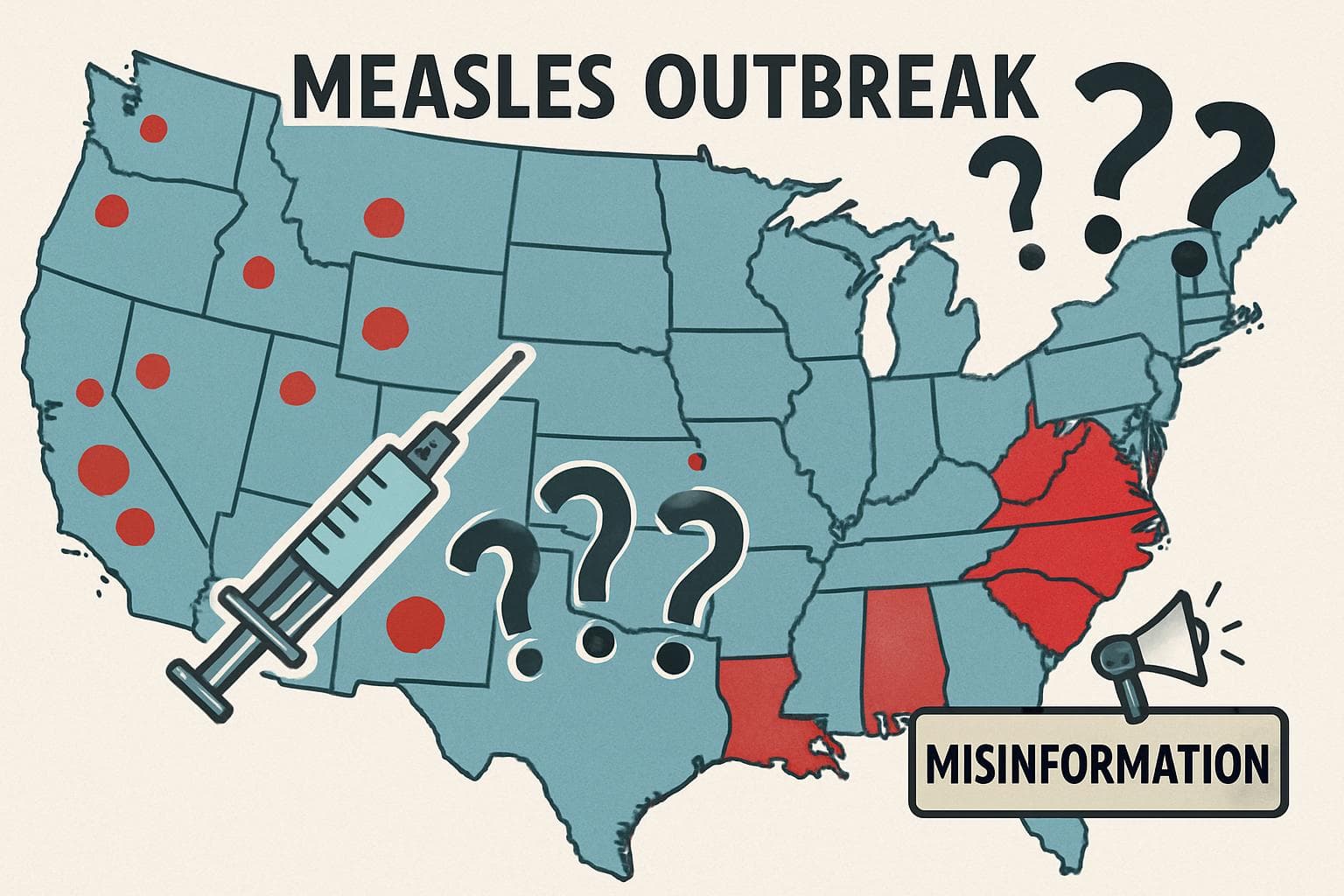
- South Carolina reports 664 measles cases, with outbreaks spreading to North Carolina, Ohio, and Washington.
- The US risks losing its measles elimination status due to rising cases and vaccine hesitancy.
- Health Secretary Robert F Kennedy Jr's vaccine skepticism contributes to misinformation and declining vaccination rates.
- Measles outbreaks highlight the potential resurgence of other vaccine-preventable diseases like polio and rubella.
- Achieving herd immunity requires a 95% vaccination rate, but current rates are falling short.
The United States is facing a significant public health challenge as a measles outbreak in South Carolina has surged to 664 cases, raising concerns about the nation's ability to maintain its measles elimination status. The outbreak, which began in Texas a year ago, has now spread to several states, including North Carolina, Ohio, and Washington, with similar situations unfolding in Arizona and Utah.
Rising Cases and Quarantine Measures
In South Carolina, the outbreak has led to over 500 individuals, including students from 15 schools, being placed under quarantine. The epicenter of the outbreak is Spartanburg, a town with a population of approximately 39,000. The virus has also affected two universities, Clemson and Anderson, where dozens of students are currently in quarantine. Measles, known for its high contagion rate, can infect up to 90% of unvaccinated individuals exposed to the virus.
Vaccine Hesitancy and Public Health Concerns
The resurgence of measles in the US is partly attributed to growing vaccine hesitancy, fueled by misinformation. Health Secretary Robert F Kennedy Jr, a known vaccine skeptic, has been criticized for downplaying the severity of measles and promoting unproven treatments. His stance has been linked to declining vaccination rates, which are crucial for achieving herd immunity. The MMR vaccine, which is 97% effective, requires a 95% vaccination rate to prevent outbreaks, but current rates are falling short.
Broader Implications for Public Health
Experts warn that the measles outbreak could signal the return of other vaccine-preventable diseases such as polio and rubella. Katherine Wells, director of public health in Lubbock, expressed concerns that low vaccination rates could lead to more frequent outbreaks. James Alwine, a virologist from the University of Pennsylvania, echoed these sentiments, stating that measles serves as a "bellwether" for the potential resurgence of other infectious diseases.
The Role of Misinformation
The spread of misinformation about vaccines has been exacerbated by figures like Kennedy, who have linked the MMR vaccine to autism despite scientific evidence to the contrary. Rob Davidson, an emergency physician, emphasized the danger of such misinformation, especially given Kennedy's influential position in public health.
WHAT THIS MIGHT MEAN
The current measles outbreak in South Carolina and other states poses a significant threat to public health in the US. If vaccination rates continue to decline, the country may face a resurgence of other preventable diseases, straining healthcare systems and endangering vulnerable populations. Public health officials must address vaccine hesitancy and misinformation to prevent further outbreaks. The situation underscores the need for robust public health campaigns and policies to ensure high vaccination coverage and protect against future health crises.
Related Articles

Iran Postpones Khamenei Funeral Amid Escalating US-Israeli Strikes

US-Iran Tensions Escalate Amid Renewed Nuclear Talks and Protests

Rising Tensions: Trump's Dual Approach to Iran's Nuclear Challenge

Canada Calls for De-escalation Amid US-Israel Strikes on Iran

Iranian Students Lead Major Protests Amid Rising US-Iran Tensions
Israeli Airstrikes in Lebanon's Bekaa Valley Leave 10 Dead Amid Rising Tensions
Measles Outbreak in South Carolina Threatens US Elimination Status Amid Rising Vaccine Hesitancy
In This Article
 Ethan Brooks| Published
 HIGHLIGHTS
- South Carolina reports 664 measles cases, with outbreaks spreading to North Carolina, Ohio, and Washington.
- The US risks losing its measles elimination status due to rising cases and vaccine hesitancy.
- Health Secretary Robert F Kennedy Jr's vaccine skepticism contributes to misinformation and declining vaccination rates.
- Measles outbreaks highlight the potential resurgence of other vaccine-preventable diseases like polio and rubella.
- Achieving herd immunity requires a 95% vaccination rate, but current rates are falling short.
The United States is facing a significant public health challenge as a measles outbreak in South Carolina has surged to 664 cases, raising concerns about the nation's ability to maintain its measles elimination status. The outbreak, which began in Texas a year ago, has now spread to several states, including North Carolina, Ohio, and Washington, with similar situations unfolding in Arizona and Utah.
Rising Cases and Quarantine Measures
In South Carolina, the outbreak has led to over 500 individuals, including students from 15 schools, being placed under quarantine. The epicenter of the outbreak is Spartanburg, a town with a population of approximately 39,000. The virus has also affected two universities, Clemson and Anderson, where dozens of students are currently in quarantine. Measles, known for its high contagion rate, can infect up to 90% of unvaccinated individuals exposed to the virus.
Vaccine Hesitancy and Public Health Concerns
The resurgence of measles in the US is partly attributed to growing vaccine hesitancy, fueled by misinformation. Health Secretary Robert F Kennedy Jr, a known vaccine skeptic, has been criticized for downplaying the severity of measles and promoting unproven treatments. His stance has been linked to declining vaccination rates, which are crucial for achieving herd immunity. The MMR vaccine, which is 97% effective, requires a 95% vaccination rate to prevent outbreaks, but current rates are falling short.
Broader Implications for Public Health
Experts warn that the measles outbreak could signal the return of other vaccine-preventable diseases such as polio and rubella. Katherine Wells, director of public health in Lubbock, expressed concerns that low vaccination rates could lead to more frequent outbreaks. James Alwine, a virologist from the University of Pennsylvania, echoed these sentiments, stating that measles serves as a "bellwether" for the potential resurgence of other infectious diseases.
The Role of Misinformation
The spread of misinformation about vaccines has been exacerbated by figures like Kennedy, who have linked the MMR vaccine to autism despite scientific evidence to the contrary. Rob Davidson, an emergency physician, emphasized the danger of such misinformation, especially given Kennedy's influential position in public health.
WHAT THIS MIGHT MEAN
The current measles outbreak in South Carolina and other states poses a significant threat to public health in the US. If vaccination rates continue to decline, the country may face a resurgence of other preventable diseases, straining healthcare systems and endangering vulnerable populations. Public health officials must address vaccine hesitancy and misinformation to prevent further outbreaks. The situation underscores the need for robust public health campaigns and policies to ensure high vaccination coverage and protect against future health crises.
Related Articles
Iran Postpones Khamenei Funeral Amid Escalating US-Israeli Strikes
US-Iran Tensions Escalate Amid Renewed Nuclear Talks and Protests
Rising Tensions: Trump's Dual Approach to Iran's Nuclear Challenge
Canada Calls for De-escalation Amid US-Israel Strikes on Iran
Iranian Students Lead Major Protests Amid Rising US-Iran Tensions
Israeli Airstrikes in Lebanon's Bekaa Valley Leave 10 Dead Amid Rising Tensions