
Republican States Deploy National Guard to DC Amidst Controversial Federal Crackdown
In This Article
HIGHLIGHTS
- Three Republican-led states are deploying National Guard troops to Washington, DC, following President Trump's call for increased federal presence.
- West Virginia, South Carolina, and Ohio will send a total of 650-750 troops to support the existing 800 National Guard members in DC.
- Trump declared a "public safety emergency," citing lawlessness, but local officials and residents dispute these claims.
- Crime statistics from the Metropolitan Police Department indicate a significant drop in violent crime and homicides in DC.
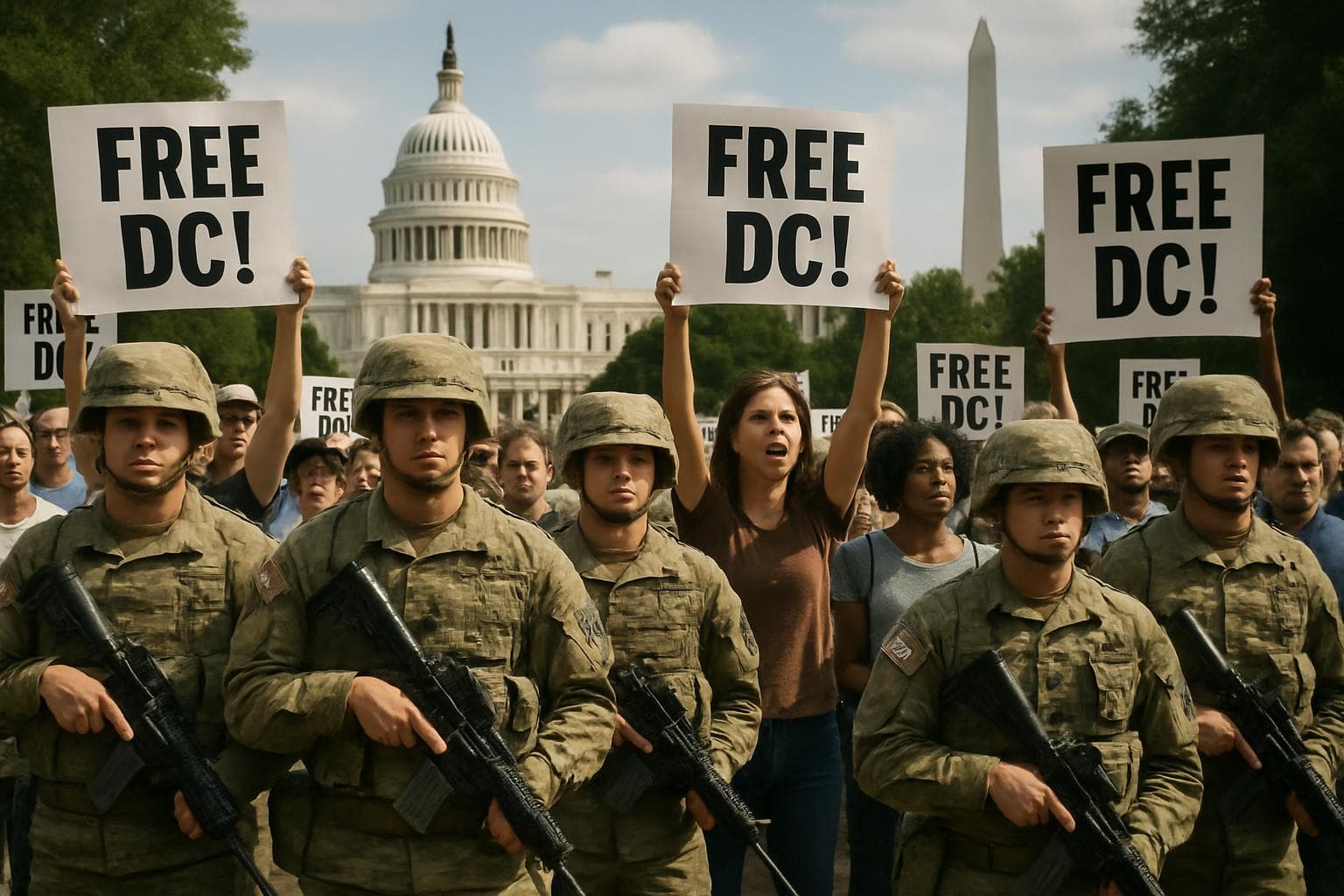
- Protests erupted in Washington, DC, with residents expressing frustration over federal intervention and chanting "Free DC!"
In a move that has sparked widespread debate, three Republican-led states are deploying hundreds of National Guard troops to Washington, DC, as part of President Donald Trump's intensified federal crackdown on crime in the nation's capital. West Virginia, South Carolina, and Ohio have committed to sending a combined total of 650-750 troops to bolster the 800 National Guard members already stationed in the city.
Federal Intervention and Local Discontent
The decision follows President Trump's declaration of a "public safety emergency," citing what he described as rampant lawlessness in Washington, DC. However, local officials, including Mayor Muriel Bowser, have challenged these assertions, pointing to data from the Metropolitan Police Department that shows a 32% drop in homicides and a 26% decrease in overall violent crime since 2023. Despite these statistics, Trump has continued to push for increased federal control, temporarily taking over the city's police department and ordering the removal of homeless encampments.
Protests and Public Response
The federal intervention has not been without controversy. Residents of Washington, DC, a city that overwhelmingly supported Vice President Kamala Harris in the 2024 election, have expressed frustration with the increased military presence. Over the weekend, peaceful protests erupted, with marchers gathering in Dupont Circle and chanting "Free DC!" as they made their way through the streets. The demonstrations reflect a broader discontent with the Trump administration's approach to law enforcement in the city.
Legal Challenges and Political Implications
The Trump administration's efforts to federalize local policing have faced legal hurdles. A recent attempt to replace Washington's police chief with a federal appointee was met with a challenge in federal court, resulting in a ruling that allowed the current chief to remain in charge. Despite these setbacks, the administration continues to pursue its agenda, with a White House official stating that the deployment of additional National Guard troops is necessary to "protect federal assets" and "deter crime."
WHAT THIS MIGHT MEAN
The deployment of National Guard troops to Washington, DC, raises significant questions about the balance of power between federal and local authorities. Legal experts suggest that continued federal intervention could lead to further court challenges, particularly if the administration attempts to extend its control over local law enforcement. Politically, the move may galvanize opposition in Democratic strongholds, potentially influencing voter sentiment in upcoming elections. As the situation unfolds, the effectiveness of the federal crackdown in addressing crime and public safety concerns will likely be scrutinized, with implications for both local governance and national policy.
Related Articles
Spain's Sánchez Stands Firm Against Trump's Trade Threat Over Iran Stance

Tech Giants Pledge to Cover AI Data Center Energy Costs Amid Rising Electricity Concerns
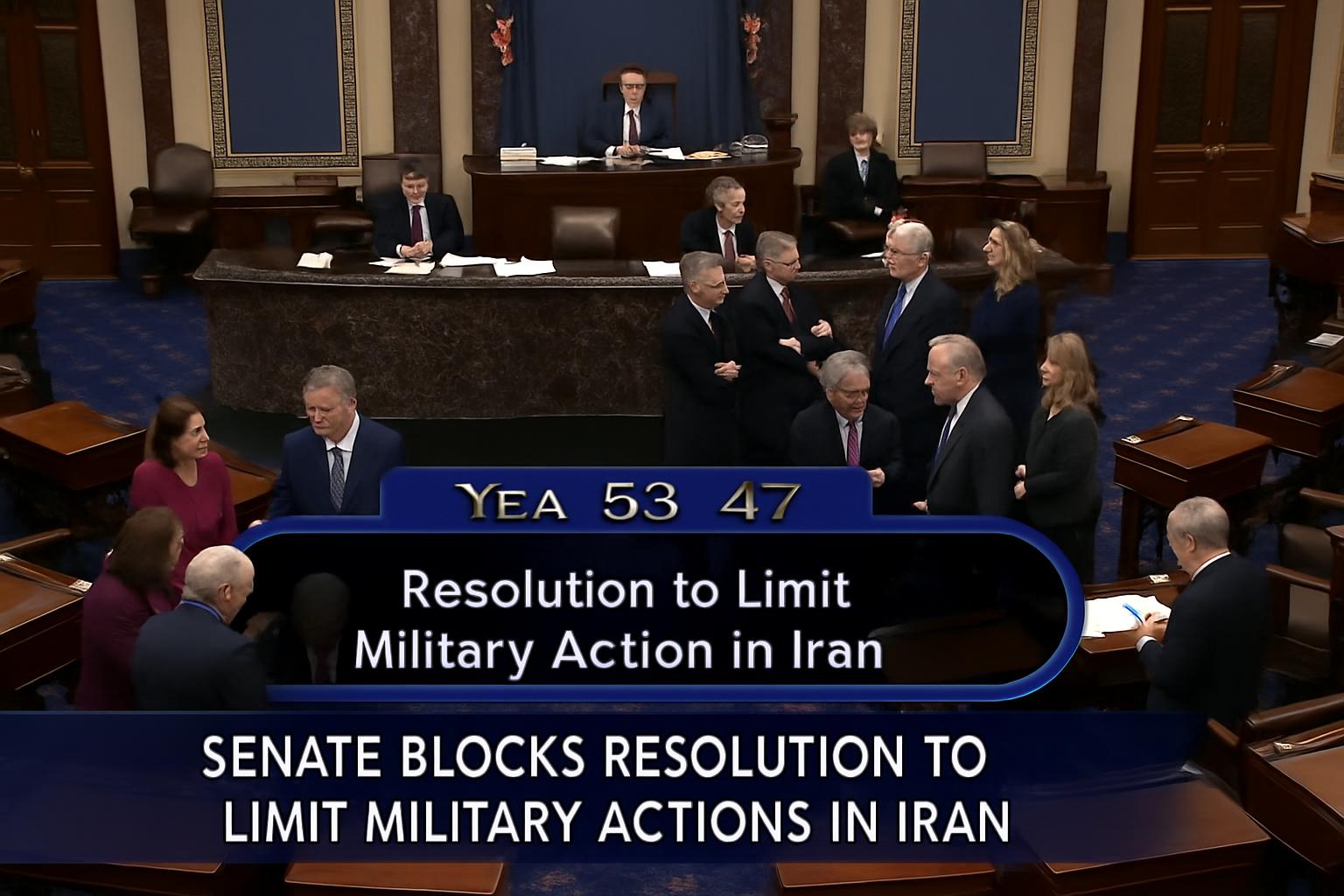
Senate Blocks Resolution to Limit Trump's Military Actions in Iran
US-Iran Tensions Escalate Amid Renewed Nuclear Talks and Protests

Greenland Politely Declines Trump's Hospital Ship Offer Amid Healthcare Debate
Congress Subpoenas Attorney General Bondi in Epstein Investigation
Republican States Deploy National Guard to DC Amidst Controversial Federal Crackdown
In This Article
 Ethan Brooks| Published
 HIGHLIGHTS
- Three Republican-led states are deploying National Guard troops to Washington, DC, following President Trump's call for increased federal presence.
- West Virginia, South Carolina, and Ohio will send a total of 650-750 troops to support the existing 800 National Guard members in DC.
- Trump declared a "public safety emergency," citing lawlessness, but local officials and residents dispute these claims.
- Crime statistics from the Metropolitan Police Department indicate a significant drop in violent crime and homicides in DC.
- Protests erupted in Washington, DC, with residents expressing frustration over federal intervention and chanting "Free DC!"
In a move that has sparked widespread debate, three Republican-led states are deploying hundreds of National Guard troops to Washington, DC, as part of President Donald Trump's intensified federal crackdown on crime in the nation's capital. West Virginia, South Carolina, and Ohio have committed to sending a combined total of 650-750 troops to bolster the 800 National Guard members already stationed in the city.
Federal Intervention and Local Discontent
The decision follows President Trump's declaration of a "public safety emergency," citing what he described as rampant lawlessness in Washington, DC. However, local officials, including Mayor Muriel Bowser, have challenged these assertions, pointing to data from the Metropolitan Police Department that shows a 32% drop in homicides and a 26% decrease in overall violent crime since 2023. Despite these statistics, Trump has continued to push for increased federal control, temporarily taking over the city's police department and ordering the removal of homeless encampments.
Protests and Public Response
The federal intervention has not been without controversy. Residents of Washington, DC, a city that overwhelmingly supported Vice President Kamala Harris in the 2024 election, have expressed frustration with the increased military presence. Over the weekend, peaceful protests erupted, with marchers gathering in Dupont Circle and chanting "Free DC!" as they made their way through the streets. The demonstrations reflect a broader discontent with the Trump administration's approach to law enforcement in the city.
Legal Challenges and Political Implications
The Trump administration's efforts to federalize local policing have faced legal hurdles. A recent attempt to replace Washington's police chief with a federal appointee was met with a challenge in federal court, resulting in a ruling that allowed the current chief to remain in charge. Despite these setbacks, the administration continues to pursue its agenda, with a White House official stating that the deployment of additional National Guard troops is necessary to "protect federal assets" and "deter crime."
WHAT THIS MIGHT MEAN
The deployment of National Guard troops to Washington, DC, raises significant questions about the balance of power between federal and local authorities. Legal experts suggest that continued federal intervention could lead to further court challenges, particularly if the administration attempts to extend its control over local law enforcement. Politically, the move may galvanize opposition in Democratic strongholds, potentially influencing voter sentiment in upcoming elections. As the situation unfolds, the effectiveness of the federal crackdown in addressing crime and public safety concerns will likely be scrutinized, with implications for both local governance and national policy.
Related Articles
Spain's Sánchez Stands Firm Against Trump's Trade Threat Over Iran Stance
Tech Giants Pledge to Cover AI Data Center Energy Costs Amid Rising Electricity Concerns
Senate Blocks Resolution to Limit Trump's Military Actions in Iran
US-Iran Tensions Escalate Amid Renewed Nuclear Talks and Protests
Greenland Politely Declines Trump's Hospital Ship Offer Amid Healthcare Debate
Congress Subpoenas Attorney General Bondi in Epstein Investigation