
RAF Brize Norton Break-In Leads to Arrests and Calls for Proscription of Palestine Action
In This Article
HIGHLIGHTS
- Four individuals were arrested on terrorism charges following a break-in at RAF Brize Norton, claimed by Palestine Action.
- The UK government plans to proscribe Palestine Action, making membership and support illegal under anti-terror laws.
- The incident involved damage to two Voyager aircraft, but did not disrupt any planned military operations.
- Home Secretary Yvette Cooper emphasized the importance of national security and condemned the group's actions.
- The arrests and proposed proscription have sparked debate over the distinction between protest and terrorism.
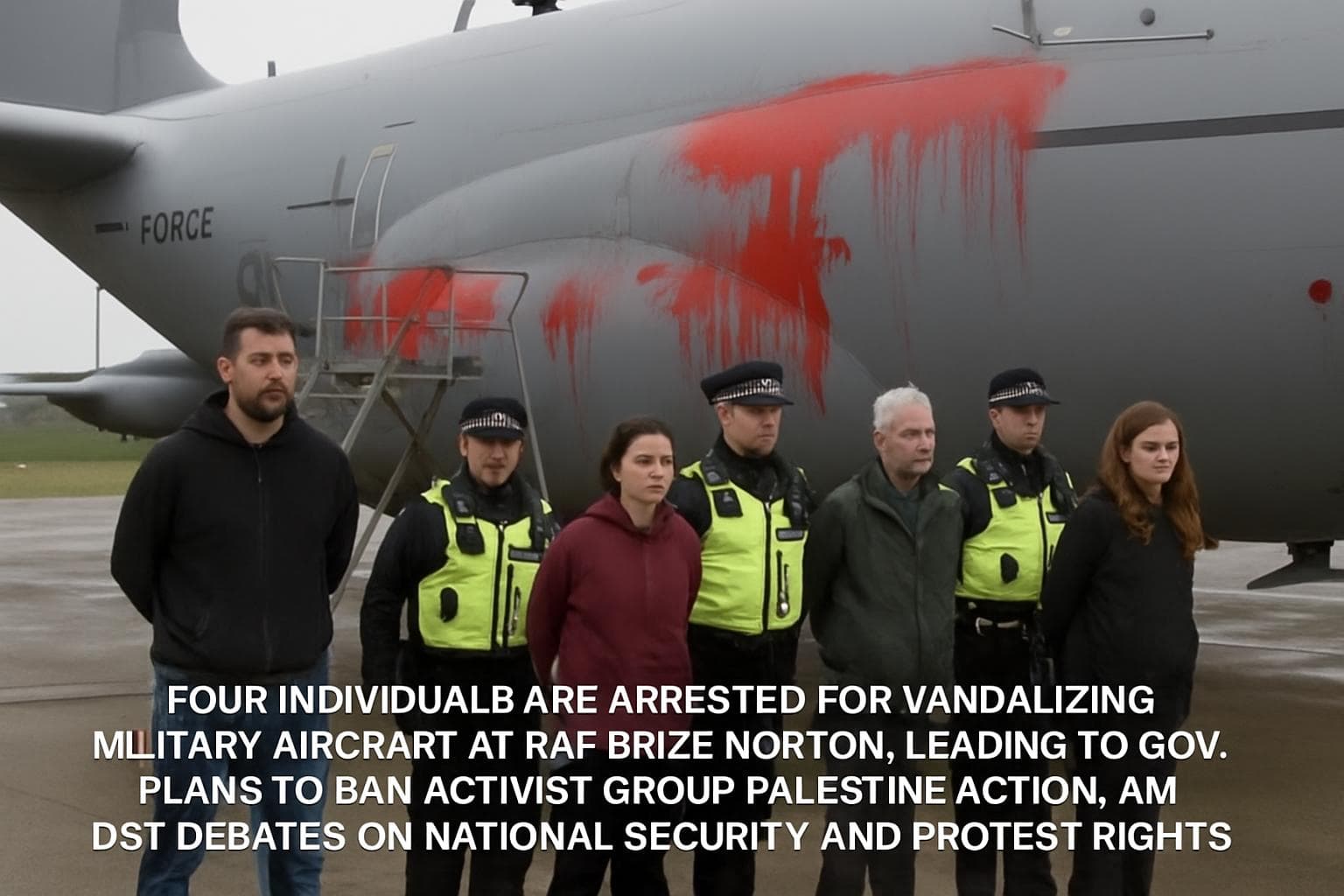
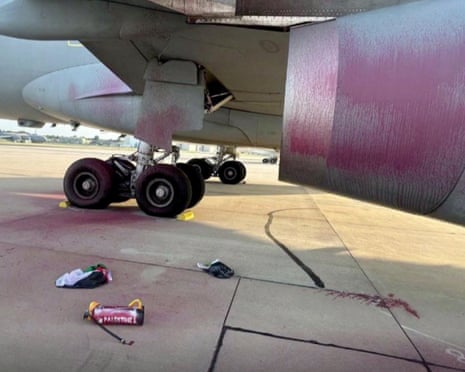
In a significant security breach at RAF Brize Norton, four individuals have been arrested on suspicion of terrorism-related offenses. The arrests follow an incident where military aircraft were vandalized in an action claimed by the activist group Palestine Action. The group, known for its pro-Palestinian protests, reportedly used repurposed fire extinguishers to spray paint on two Voyager aircraft, causing damage but not disrupting military operations.
Arrests and Legal Context
Counter-terrorism police from the South East arrested a 29-year-old woman and two men, aged 36 and 24, on charges related to the commission, preparation, or instigation of acts of terrorism. A 41-year-old woman was also detained on suspicion of assisting an offender. These arrests took place in Newbury, Berkshire, and London, and all suspects remain in custody as investigations continue.
Government Response and Proscription Plans
In response to the incident, Home Secretary Yvette Cooper announced plans to proscribe Palestine Action under anti-terrorism laws. If approved by Parliament, this would render membership and support for the group illegal. Cooper highlighted the group's history of targeting various institutions and emphasized the government's commitment to safeguarding national security.
Security Concerns and Political Reactions
The break-in has raised concerns about the security measures at RAF Brize Norton, a key hub for UK strategic air transport. Defence Secretary John Healey has ordered a comprehensive review of security protocols at all UK military bases. Prime Minister Sir Keir Starmer condemned the incident as an "act of vandalism," while some MPs, including Diane Abbott, criticized the government's approach, arguing it conflates protest with terrorism.
Palestine Action's Stance
Palestine Action defended its actions as non-violent protest against the UK's military involvement with Israel. The group criticized the arrests as a crackdown on legitimate dissent and pointed to historical precedents of similar actions not resulting in proscription.
WHAT THIS MIGHT MEAN
The proposed proscription of Palestine Action could set a precedent for how activist groups are treated under UK anti-terror laws. If Parliament approves the measure, it may lead to increased scrutiny of other protest groups, potentially stifling dissent. Legal experts and civil rights advocates are likely to debate the balance between national security and the right to protest. Meanwhile, the security review ordered by the Defence Secretary could result in enhanced measures at military bases, aiming to prevent future breaches. The outcome of these developments will be closely watched by both domestic and international observers.
Images from the Web
Related Articles

UK Faces Dilemmas Amid Iran Conflict and China Spying Allegations

Labour MP's Husband Arrested in UK-China Espionage Probe
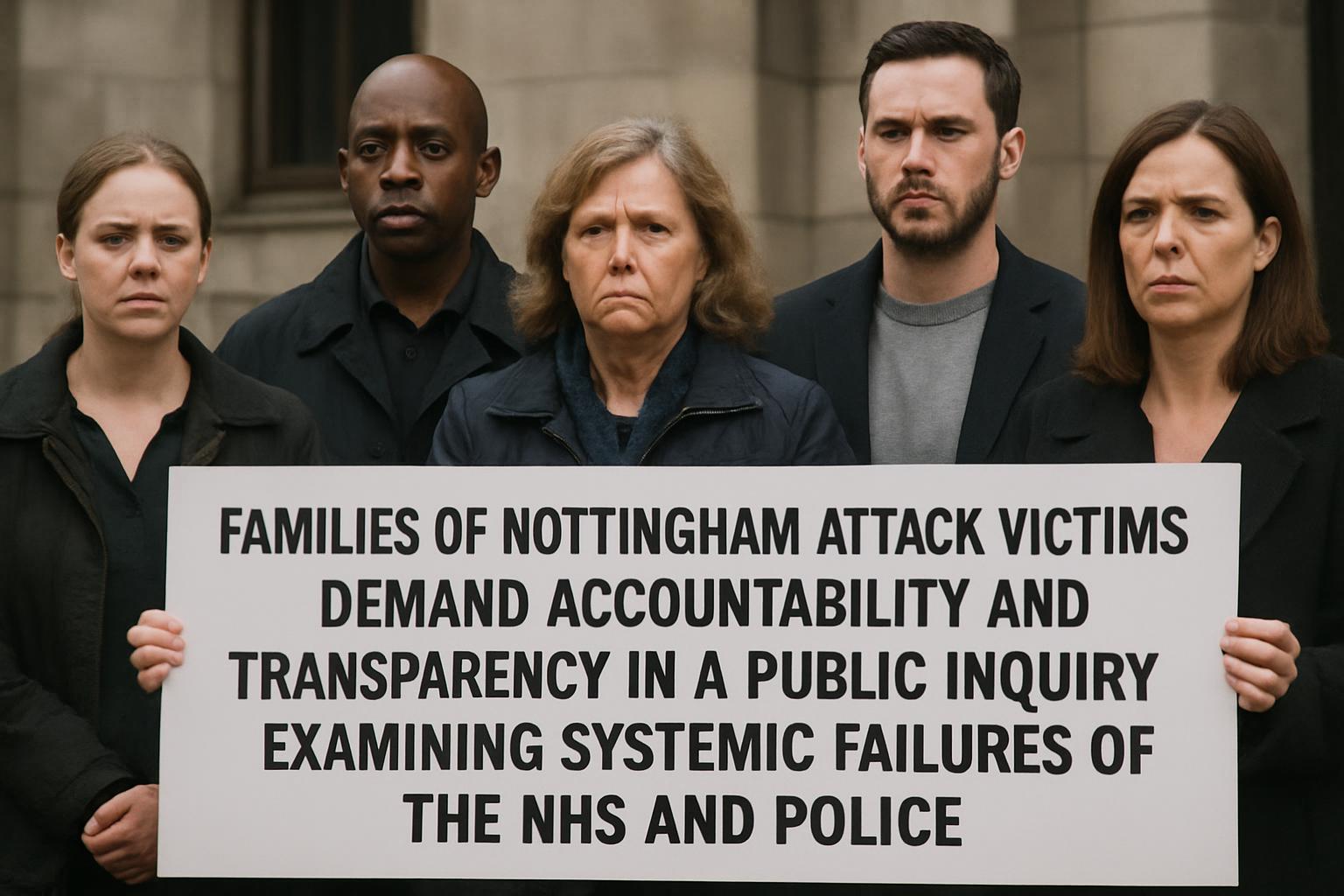
Nottingham Attacks Inquiry: Families Demand Accountability and Truth
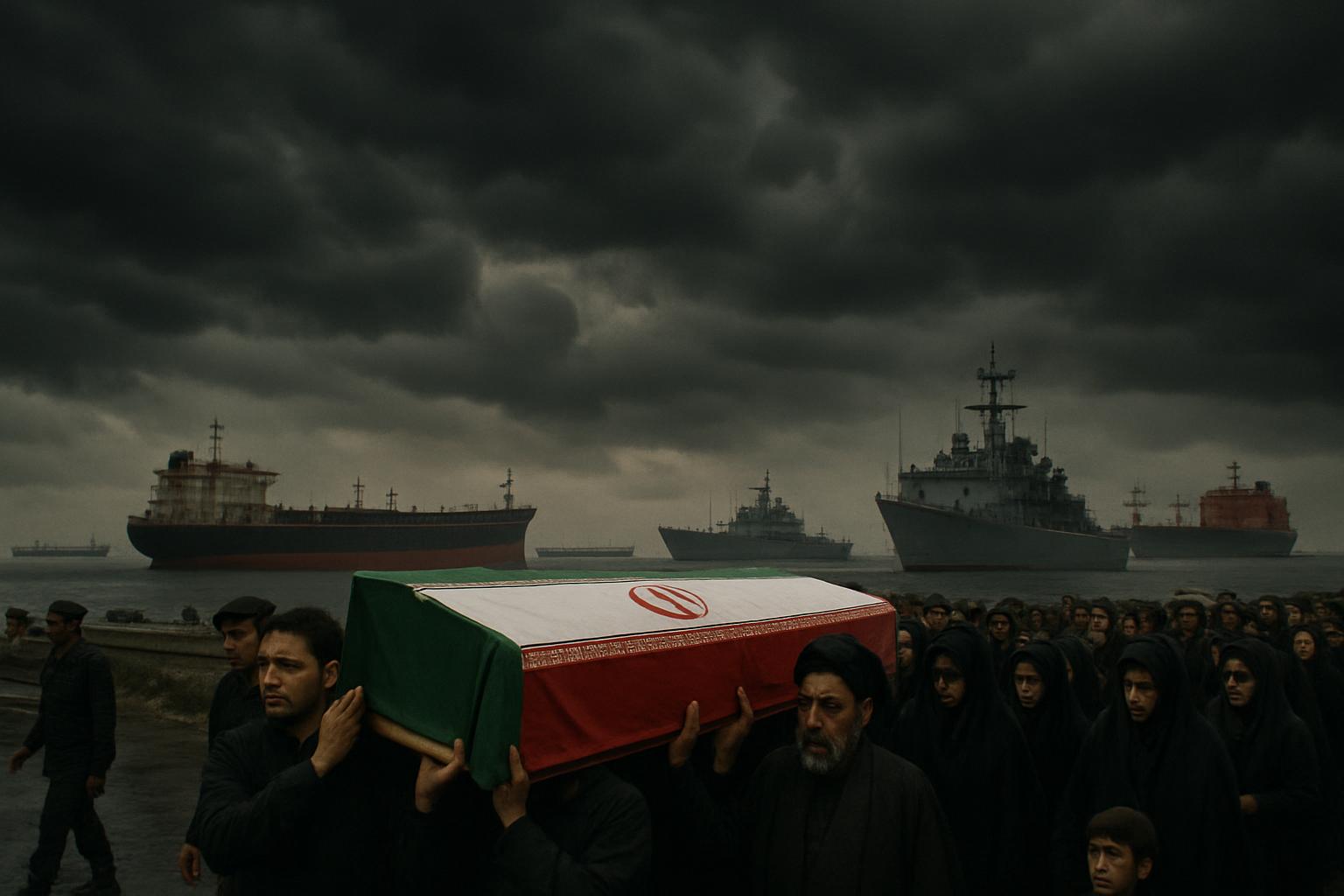
Iran Postpones Khamenei Funeral Amid Escalating US-Israeli Strikes

Bafta Film Awards 2026: A Night of Glamour and Identity Challenges
UK Police Intensify Investigation into Andrew Mountbatten-Windsor Amid Misconduct Allegations
RAF Brize Norton Break-In Leads to Arrests and Calls for Proscription of Palestine Action
In This Article
 Ethan Brooks| Published
 HIGHLIGHTS
- Four individuals were arrested on terrorism charges following a break-in at RAF Brize Norton, claimed by Palestine Action.
- The UK government plans to proscribe Palestine Action, making membership and support illegal under anti-terror laws.
- The incident involved damage to two Voyager aircraft, but did not disrupt any planned military operations.
- Home Secretary Yvette Cooper emphasized the importance of national security and condemned the group's actions.
- The arrests and proposed proscription have sparked debate over the distinction between protest and terrorism.
In a significant security breach at RAF Brize Norton, four individuals have been arrested on suspicion of terrorism-related offenses. The arrests follow an incident where military aircraft were vandalized in an action claimed by the activist group Palestine Action. The group, known for its pro-Palestinian protests, reportedly used repurposed fire extinguishers to spray paint on two Voyager aircraft, causing damage but not disrupting military operations.
Arrests and Legal Context
Counter-terrorism police from the South East arrested a 29-year-old woman and two men, aged 36 and 24, on charges related to the commission, preparation, or instigation of acts of terrorism. A 41-year-old woman was also detained on suspicion of assisting an offender. These arrests took place in Newbury, Berkshire, and London, and all suspects remain in custody as investigations continue.
Government Response and Proscription Plans
In response to the incident, Home Secretary Yvette Cooper announced plans to proscribe Palestine Action under anti-terrorism laws. If approved by Parliament, this would render membership and support for the group illegal. Cooper highlighted the group's history of targeting various institutions and emphasized the government's commitment to safeguarding national security.
Security Concerns and Political Reactions
The break-in has raised concerns about the security measures at RAF Brize Norton, a key hub for UK strategic air transport. Defence Secretary John Healey has ordered a comprehensive review of security protocols at all UK military bases. Prime Minister Sir Keir Starmer condemned the incident as an "act of vandalism," while some MPs, including Diane Abbott, criticized the government's approach, arguing it conflates protest with terrorism.
Palestine Action's Stance
Palestine Action defended its actions as non-violent protest against the UK's military involvement with Israel. The group criticized the arrests as a crackdown on legitimate dissent and pointed to historical precedents of similar actions not resulting in proscription.
WHAT THIS MIGHT MEAN
The proposed proscription of Palestine Action could set a precedent for how activist groups are treated under UK anti-terror laws. If Parliament approves the measure, it may lead to increased scrutiny of other protest groups, potentially stifling dissent. Legal experts and civil rights advocates are likely to debate the balance between national security and the right to protest. Meanwhile, the security review ordered by the Defence Secretary could result in enhanced measures at military bases, aiming to prevent future breaches. The outcome of these developments will be closely watched by both domestic and international observers.
Images from the Web
Related Articles
UK Faces Dilemmas Amid Iran Conflict and China Spying Allegations
Labour MP's Husband Arrested in UK-China Espionage Probe
Nottingham Attacks Inquiry: Families Demand Accountability and Truth
Iran Postpones Khamenei Funeral Amid Escalating US-Israeli Strikes
Bafta Film Awards 2026: A Night of Glamour and Identity Challenges
UK Police Intensify Investigation into Andrew Mountbatten-Windsor Amid Misconduct Allegations