
Rail Safety Concerns Rise as Landslide Monitoring Equipment Faces Scrutiny
In This Article
HIGHLIGHTS
- An investigation revealed that current landslide monitoring equipment may fail to detect sudden earth movements, risking railway safety.
- The Avanti West Coast train derailment on 3 November in Cumbria was linked to a landslip, with four passengers sustaining minor injuries.
- Network Rail plans to invest nearly £100 million in earthworks and drainage over the next four years to enhance safety amid extreme weather conditions.
- The Rail Accident Investigation Branch (RAIB) has urged Network Rail to improve sensor technology to better detect potential landslides.
- The incident highlights the increasing challenges posed by climate change on rail infrastructure.
In the wake of a recent train derailment in Cumbria, the reliability of landslide monitoring equipment on the UK's railways has come under intense scrutiny. An investigation by the Rail Accident Investigation Branch (RAIB) has revealed that current sensor technology may not effectively detect sudden earth movements, posing a significant risk to railway safety.
Incident Overview
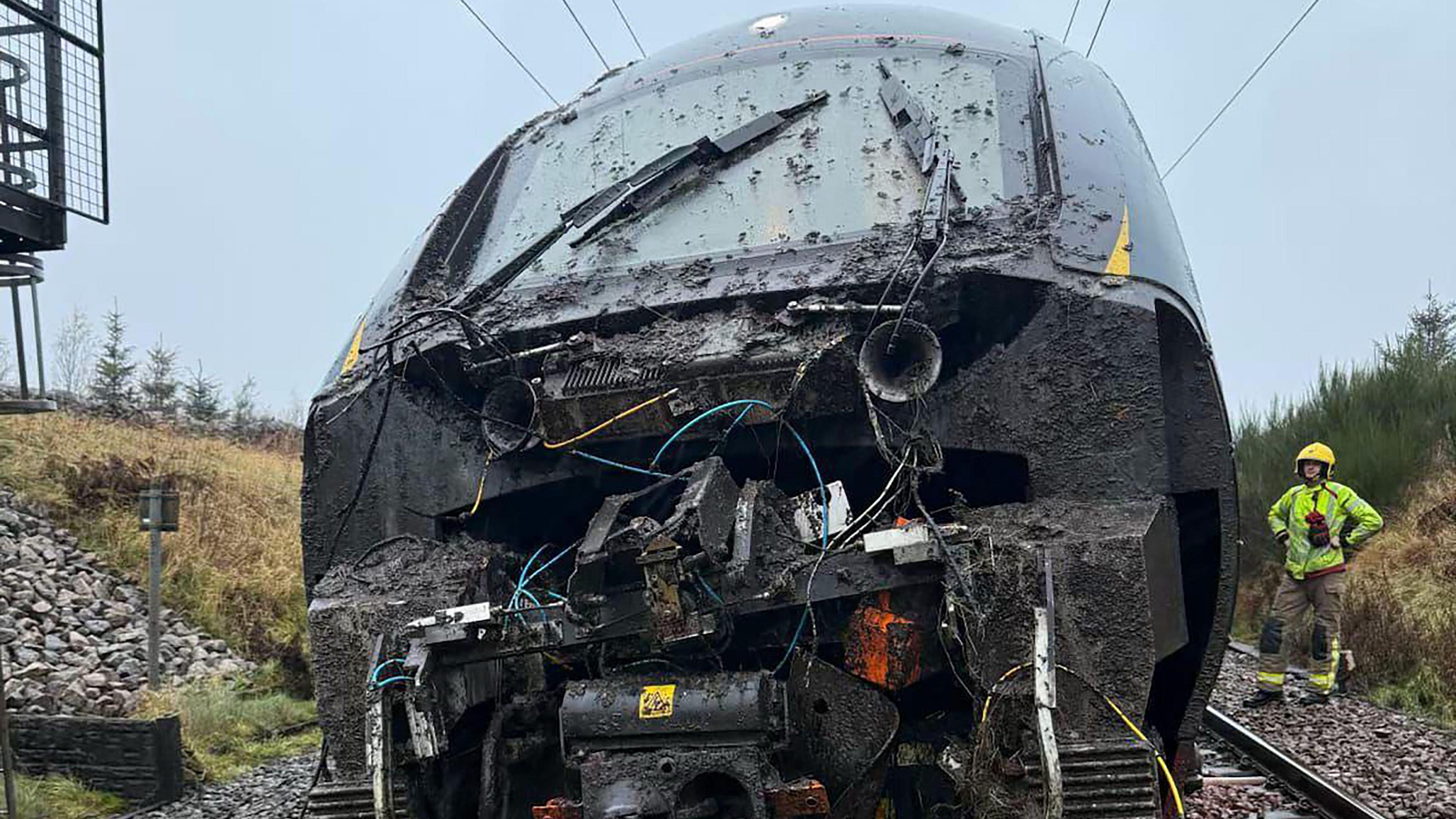
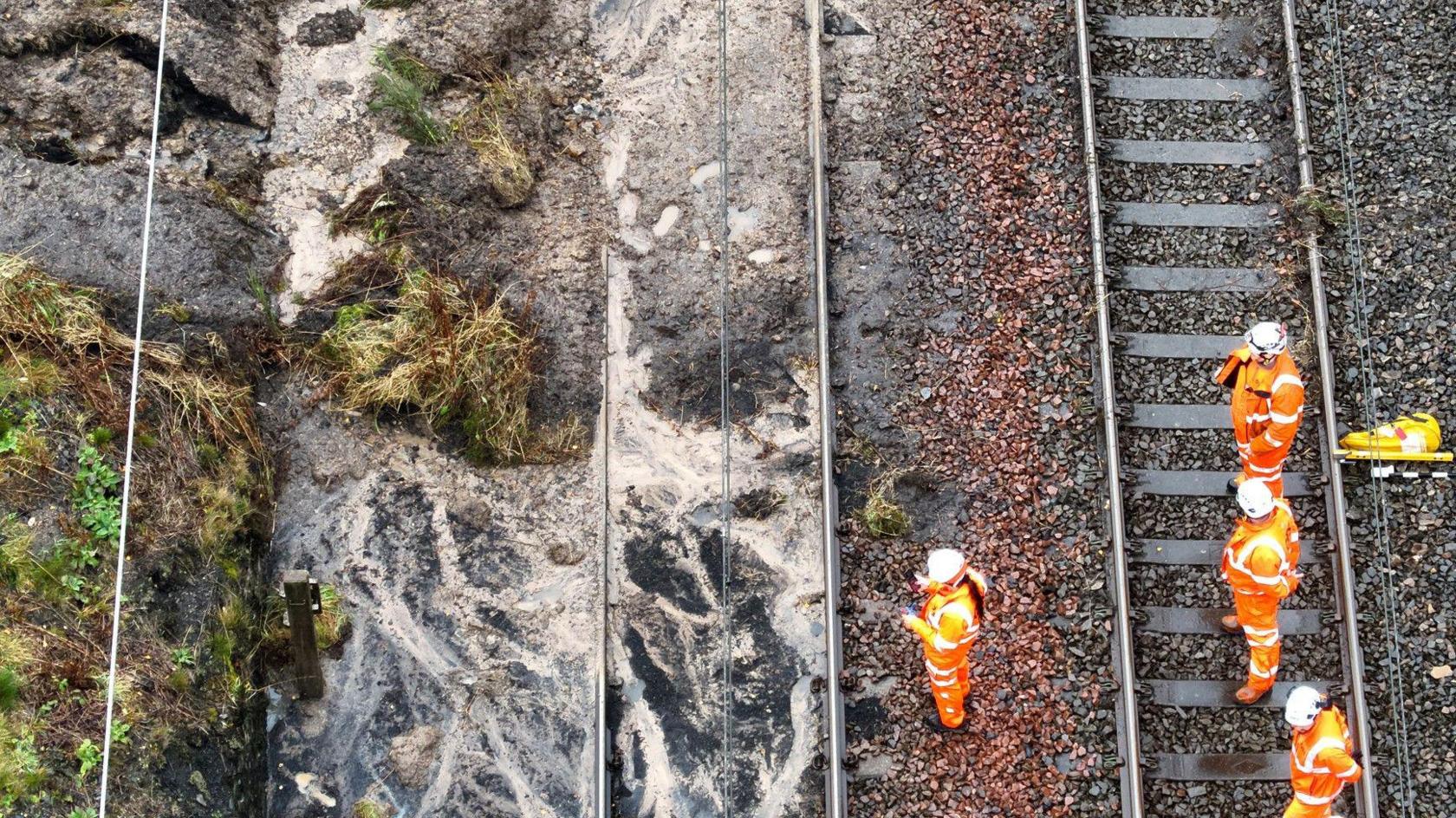
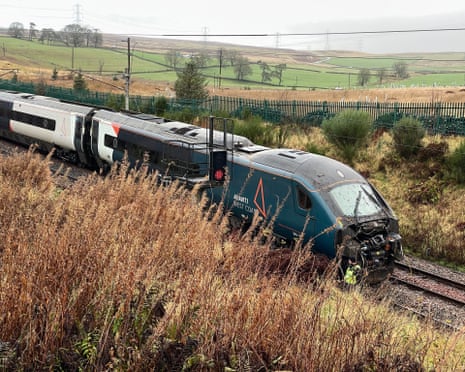
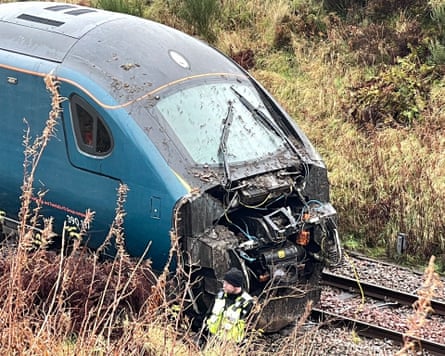
On 3 November, an Avanti West Coast train traveling from Glasgow to London derailed near Shap, Cumbria, after hitting debris washed onto the tracks by heavy rain. The train, carrying 87 passengers, remained upright, and only four individuals sustained minor injuries. The derailment was attributed to a landslip, with initial investigations indicating that the monitoring sensors failed to transmit alerts due to being buried in debris.
Challenges in Monitoring
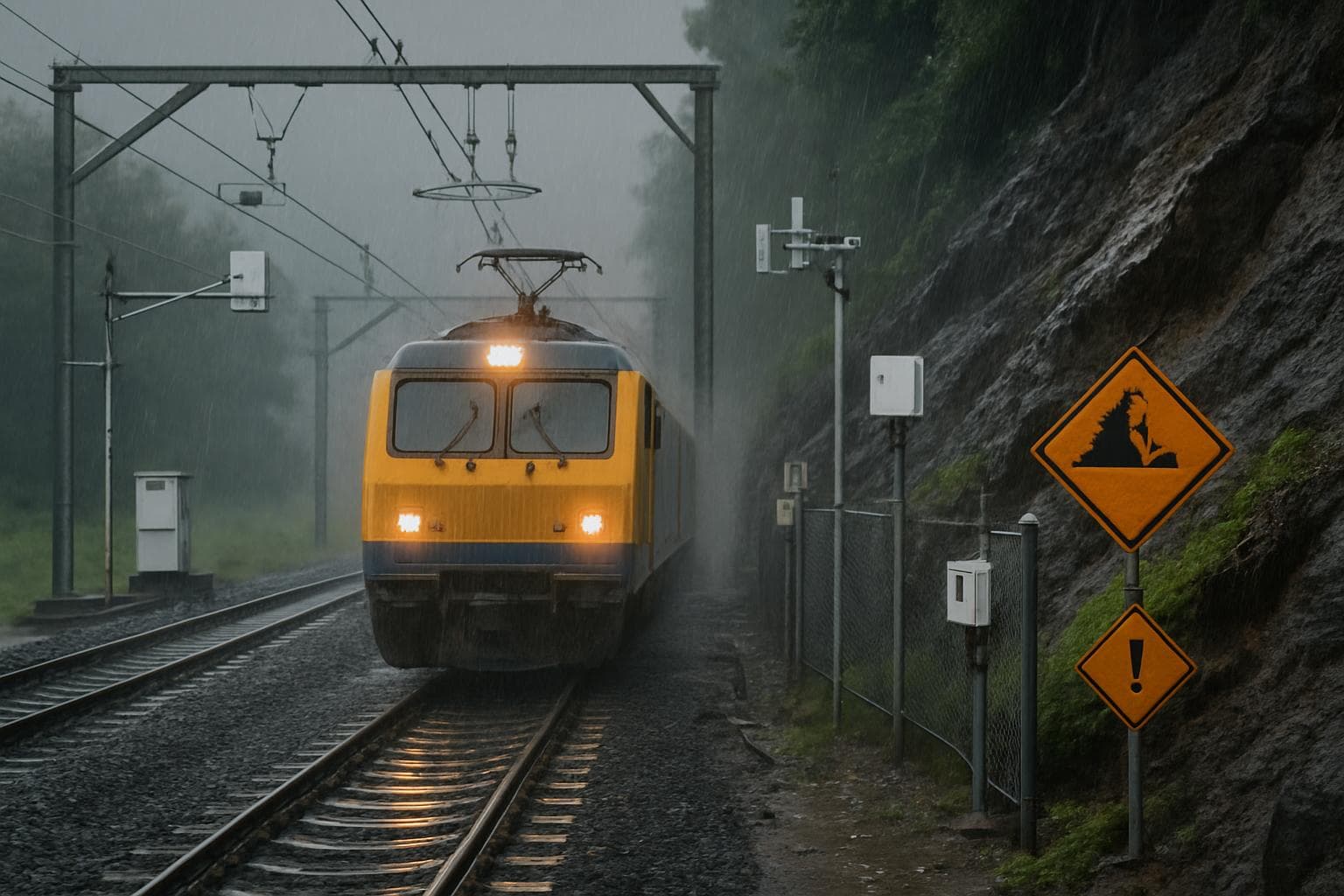
The RAIB's findings have prompted an urgent safety warning to the rail industry. The report highlighted that the line-side monitoring equipment, managed by Network Rail, may not detect slope failures under certain conditions, particularly during extreme weather events. This revelation underscores the growing challenges faced by rail infrastructure due to climate change.
Network Rail's Response
In response to the RAIB's report, Network Rail has committed to enhancing its monitoring systems. A spokesperson stated, "We have one of the safest railways in the world, and the safety of passengers and our colleagues remains our first priority." The organization plans to invest nearly £100 million over the next four years in earthworks and drainage improvements across north-west England to bolster railway safety during adverse weather.
Historical Context
This incident echoes the tragic 2020 Stonehaven derailment in Aberdeenshire, Scotland, where a landslide caused by heavy rain led to the deaths of three people. Such events highlight the urgent need for improved monitoring and infrastructure resilience as extreme weather becomes more frequent.
WHAT THIS MIGHT MEAN
The recent findings by the RAIB could lead to significant changes in how rail safety is managed in the UK. Network Rail's planned investment in infrastructure improvements is a positive step, but the effectiveness of these measures will depend on the successful integration of advanced sensor technology. Experts suggest that ongoing collaboration between rail operators and technology providers will be crucial in developing robust solutions to mitigate the risks posed by climate change. As the industry adapts to these challenges, passenger safety remains the paramount concern.
Images from the Web
Related Articles

Saharan Dust to Illuminate UK Skies with Vivid Sunrises and Sunsets

Avalanche Risks Surge Amidst Extreme Weather Conditions in California and Europe

Breakthrough Drug Offers Hope for Children with Severe Epilepsy

Labour MP's Husband Arrested in UK-China Espionage Probe

Bafta Film Awards 2023: A Night of Glamour, Talent, and Fashion Statements

Nottingham Attacks Inquiry: Families Demand Accountability and Truth
Rail Safety Concerns Rise as Landslide Monitoring Equipment Faces Scrutiny
In This Article
 Leila Hassan| Published
 HIGHLIGHTS
- An investigation revealed that current landslide monitoring equipment may fail to detect sudden earth movements, risking railway safety.
- The Avanti West Coast train derailment on 3 November in Cumbria was linked to a landslip, with four passengers sustaining minor injuries.
- Network Rail plans to invest nearly £100 million in earthworks and drainage over the next four years to enhance safety amid extreme weather conditions.
- The Rail Accident Investigation Branch (RAIB) has urged Network Rail to improve sensor technology to better detect potential landslides.
- The incident highlights the increasing challenges posed by climate change on rail infrastructure.
In the wake of a recent train derailment in Cumbria, the reliability of landslide monitoring equipment on the UK's railways has come under intense scrutiny. An investigation by the Rail Accident Investigation Branch (RAIB) has revealed that current sensor technology may not effectively detect sudden earth movements, posing a significant risk to railway safety.
Incident Overview
On 3 November, an Avanti West Coast train traveling from Glasgow to London derailed near Shap, Cumbria, after hitting debris washed onto the tracks by heavy rain. The train, carrying 87 passengers, remained upright, and only four individuals sustained minor injuries. The derailment was attributed to a landslip, with initial investigations indicating that the monitoring sensors failed to transmit alerts due to being buried in debris.
Challenges in Monitoring
The RAIB's findings have prompted an urgent safety warning to the rail industry. The report highlighted that the line-side monitoring equipment, managed by Network Rail, may not detect slope failures under certain conditions, particularly during extreme weather events. This revelation underscores the growing challenges faced by rail infrastructure due to climate change.
Network Rail's Response
In response to the RAIB's report, Network Rail has committed to enhancing its monitoring systems. A spokesperson stated, "We have one of the safest railways in the world, and the safety of passengers and our colleagues remains our first priority." The organization plans to invest nearly £100 million over the next four years in earthworks and drainage improvements across north-west England to bolster railway safety during adverse weather.
Historical Context
This incident echoes the tragic 2020 Stonehaven derailment in Aberdeenshire, Scotland, where a landslide caused by heavy rain led to the deaths of three people. Such events highlight the urgent need for improved monitoring and infrastructure resilience as extreme weather becomes more frequent.
WHAT THIS MIGHT MEAN
The recent findings by the RAIB could lead to significant changes in how rail safety is managed in the UK. Network Rail's planned investment in infrastructure improvements is a positive step, but the effectiveness of these measures will depend on the successful integration of advanced sensor technology. Experts suggest that ongoing collaboration between rail operators and technology providers will be crucial in developing robust solutions to mitigate the risks posed by climate change. As the industry adapts to these challenges, passenger safety remains the paramount concern.
Images from the Web
Related Articles
Saharan Dust to Illuminate UK Skies with Vivid Sunrises and Sunsets
Avalanche Risks Surge Amidst Extreme Weather Conditions in California and Europe
Breakthrough Drug Offers Hope for Children with Severe Epilepsy
Labour MP's Husband Arrested in UK-China Espionage Probe
Bafta Film Awards 2023: A Night of Glamour, Talent, and Fashion Statements
Nottingham Attacks Inquiry: Families Demand Accountability and Truth