
Rare Angel Shark Filmed in Cardigan Bay Sparks Conservation Debate

In This Article
HIGHLIGHTS
- A critically endangered angel shark was filmed in Cardigan Bay, marking the first sighting since 2021.
- The footage was captured by the Wildlife Trust of South and West Wales as part of a biodiversity monitoring project.
- The sighting coincides with discussions in the UK government about banning bottom trawling in marine protected areas.
- Angel sharks face threats from habitat loss and commercial fishing, particularly bottom trawling.
- Conservationists urge stronger protections for marine habitats to prevent the disappearance of species like the angel shark.
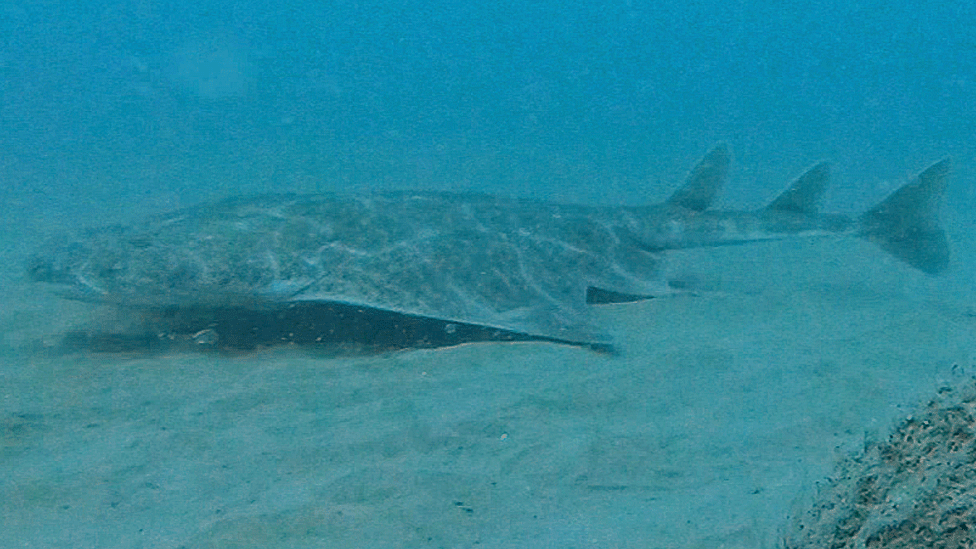
A critically endangered angel shark has been captured on camera in Cardigan Bay, Wales, for the first time in over two years, offering a rare glimpse into the life of a species on the brink of extinction. The footage, recorded by the Wildlife Trust of South and West Wales (WTSWW), highlights the urgent need for enhanced marine conservation efforts.
A Rare Sighting
The angel shark, known for its unique flat body and camouflaging abilities, was filmed as part of a project aimed at monitoring biodiversity in the region. Dr. Sarah Perry, a marine conservation and research manager at WTSWW, expressed her excitement over the discovery, stating, "We were thrilled to record an angel shark in Cardigan Bay, a rare and exciting encounter." The last recorded sighting in the area was in 2021.
Conservation Concerns
Angel sharks are listed as critically endangered on the International Union for Conservation of Nature (IUCN) red list, with populations declining due to habitat loss and commercial fishing practices like bottom trawling. This industrial method involves dragging heavy nets across the sea floor, posing a significant threat to species that dwell near the ocean bed.
Legislative Discussions
The sighting comes at a pivotal moment as the UK government and the Senedd debate a potential ban on bottom trawling in marine protected areas (MPAs). Despite having 139 designated MPAs, many remain vulnerable to destructive activities such as trawling and dredging. Environmental groups, including the Wildlife Trusts, are advocating for a full ban to safeguard marine habitats and prevent the disappearance of species like the angel shark.
Public Involvement
The UK government has opened a public consultation on the proposed ban, inviting citizens to voice their opinions. Conservationists emphasize the importance of public participation in shaping policies that could protect fragile marine ecosystems and ensure the survival of endangered species.
WHAT THIS MIGHT MEAN
The recent sighting of the angel shark in Cardigan Bay underscores the critical need for immediate conservation measures. Should the UK government implement a ban on bottom trawling in marine protected areas, it could set a precedent for stronger environmental protections across the country. However, without decisive action, species like the angel shark may continue to face existential threats. Experts suggest that public engagement and awareness are crucial in driving policy changes that prioritize the preservation of marine biodiversity.
Images from the Web
Related Articles

Labour MP's Husband Arrested in UK-China Espionage Probe

Sisters Tragically Drown at Eryri National Park's Watkin Path

Prince Andrew's Ties to Epstein Under Scrutiny Amid Calls for Inquiry

Government Criticized for Mishandling Maccabi Tel Aviv Fan Ban

Prince Andrew's Arrest Intensifies Scrutiny on Royal Succession and Prince William's Future Role

Police Federation Chief Arrested Amid Fraud Investigation
Rare Angel Shark Filmed in Cardigan Bay Sparks Conservation Debate
In This Article
 Ethan Brooks| Published
 HIGHLIGHTS
- A critically endangered angel shark was filmed in Cardigan Bay, marking the first sighting since 2021.
- The footage was captured by the Wildlife Trust of South and West Wales as part of a biodiversity monitoring project.
- The sighting coincides with discussions in the UK government about banning bottom trawling in marine protected areas.
- Angel sharks face threats from habitat loss and commercial fishing, particularly bottom trawling.
- Conservationists urge stronger protections for marine habitats to prevent the disappearance of species like the angel shark.
A critically endangered angel shark has been captured on camera in Cardigan Bay, Wales, for the first time in over two years, offering a rare glimpse into the life of a species on the brink of extinction. The footage, recorded by the Wildlife Trust of South and West Wales (WTSWW), highlights the urgent need for enhanced marine conservation efforts.
A Rare Sighting
The angel shark, known for its unique flat body and camouflaging abilities, was filmed as part of a project aimed at monitoring biodiversity in the region. Dr. Sarah Perry, a marine conservation and research manager at WTSWW, expressed her excitement over the discovery, stating, "We were thrilled to record an angel shark in Cardigan Bay, a rare and exciting encounter." The last recorded sighting in the area was in 2021.
Conservation Concerns
Angel sharks are listed as critically endangered on the International Union for Conservation of Nature (IUCN) red list, with populations declining due to habitat loss and commercial fishing practices like bottom trawling. This industrial method involves dragging heavy nets across the sea floor, posing a significant threat to species that dwell near the ocean bed.
Legislative Discussions
The sighting comes at a pivotal moment as the UK government and the Senedd debate a potential ban on bottom trawling in marine protected areas (MPAs). Despite having 139 designated MPAs, many remain vulnerable to destructive activities such as trawling and dredging. Environmental groups, including the Wildlife Trusts, are advocating for a full ban to safeguard marine habitats and prevent the disappearance of species like the angel shark.
Public Involvement
The UK government has opened a public consultation on the proposed ban, inviting citizens to voice their opinions. Conservationists emphasize the importance of public participation in shaping policies that could protect fragile marine ecosystems and ensure the survival of endangered species.
WHAT THIS MIGHT MEAN
The recent sighting of the angel shark in Cardigan Bay underscores the critical need for immediate conservation measures. Should the UK government implement a ban on bottom trawling in marine protected areas, it could set a precedent for stronger environmental protections across the country. However, without decisive action, species like the angel shark may continue to face existential threats. Experts suggest that public engagement and awareness are crucial in driving policy changes that prioritize the preservation of marine biodiversity.
Images from the Web
Related Articles
Labour MP's Husband Arrested in UK-China Espionage Probe
Sisters Tragically Drown at Eryri National Park's Watkin Path
Prince Andrew's Ties to Epstein Under Scrutiny Amid Calls for Inquiry
Government Criticized for Mishandling Maccabi Tel Aviv Fan Ban
Prince Andrew's Arrest Intensifies Scrutiny on Royal Succession and Prince William's Future Role
Police Federation Chief Arrested Amid Fraud Investigation