
Red Squirrels Thrive in Scotland Thanks to Citizen Science and Rewilding Efforts
In This Article
HIGHLIGHTS
- Red squirrels have made a significant comeback in Aberdeen and the Highlands due to dedicated conservation efforts.
- Citizen scientists and volunteers have played a crucial role in eradicating grey squirrels in Aberdeen, aiding the red squirrel's resurgence.
- The rewilding charity Trees for Life has successfully expanded red squirrel habitats across the Highlands, enhancing biodiversity.
- Innovative methods, including live-trapping and feeder boxes, have been instrumental in monitoring and controlling squirrel populations.
- Conservationists are exploring new methods, such as oral contraceptives, to further control grey squirrel populations.
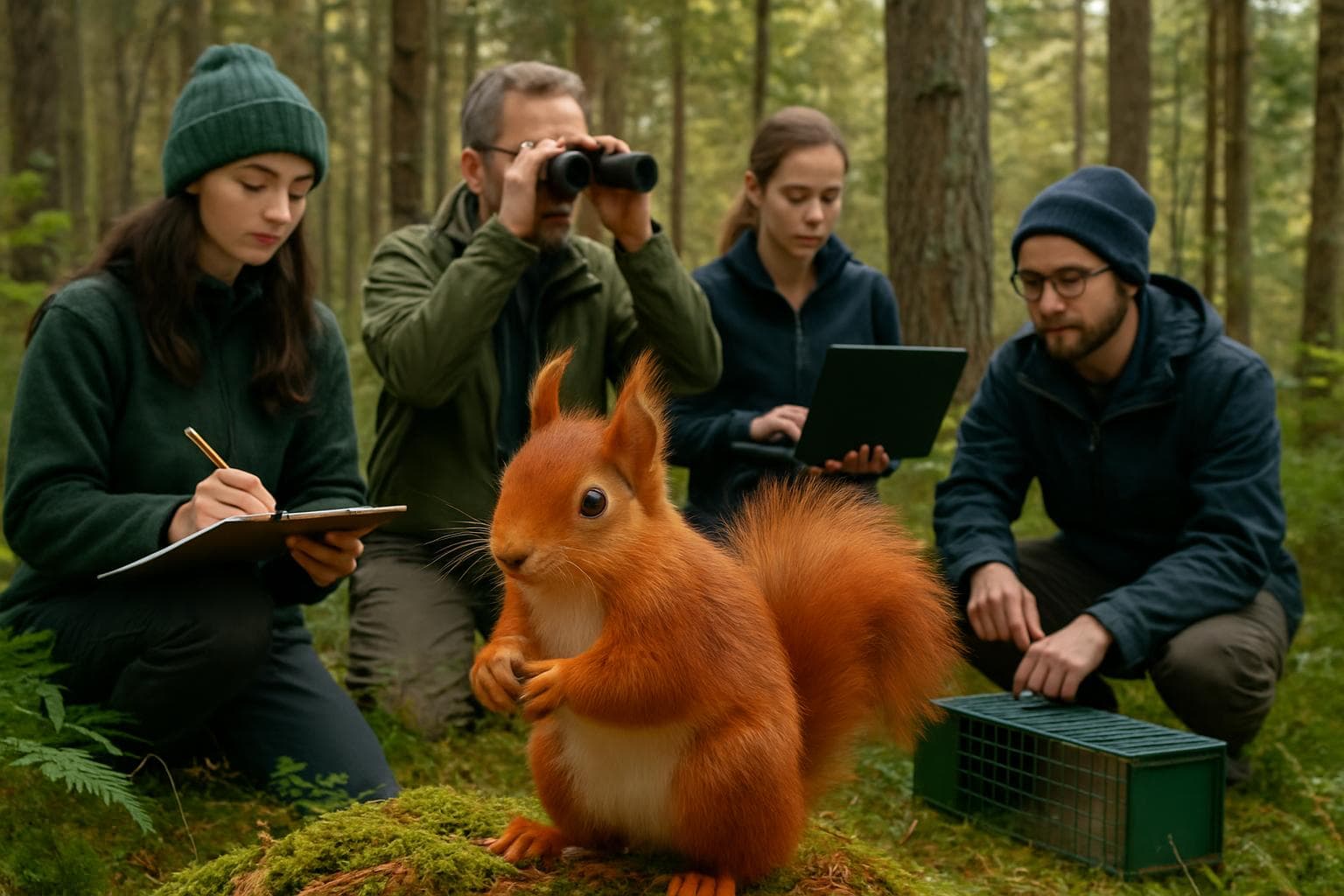
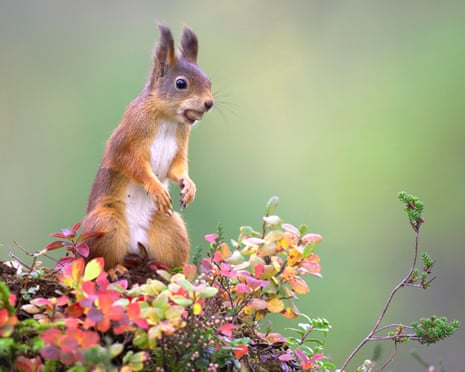
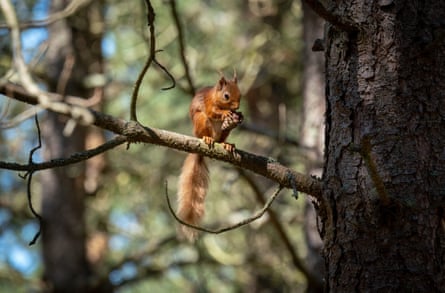
Red squirrels, once on the brink of disappearing from parts of Scotland, are experiencing a remarkable resurgence thanks to concerted conservation efforts. In Aberdeen, a dedicated group of volunteers has been instrumental in nearly eradicating the invasive grey squirrel, allowing the native red population to flourish. This achievement is part of a broader initiative led by Saving Scotland's Red Squirrels (SSRS), a partnership project spearheaded by the Scottish Wildlife Trust.
Citizen Science in Action
Since 2009, citizen scientists in Aberdeen have been pivotal in reversing the decline of red squirrels. Naomi Bentley, a former teacher and current outreach officer for SSRS, highlights the crucial role of over 30 volunteers who collect data and monitor squirrel populations. "It's people's love of nature - citizen science," Bentley remarked, emphasizing the community's commitment to conservation.
The invasive grey squirrel, originally from North America, poses a significant threat to red squirrels by outcompeting them for resources and spreading a deadly pox. However, through live-trapping and humane control measures, the grey population has been significantly reduced, allowing red squirrels to reclaim their habitat.
Rewilding Success in the Highlands
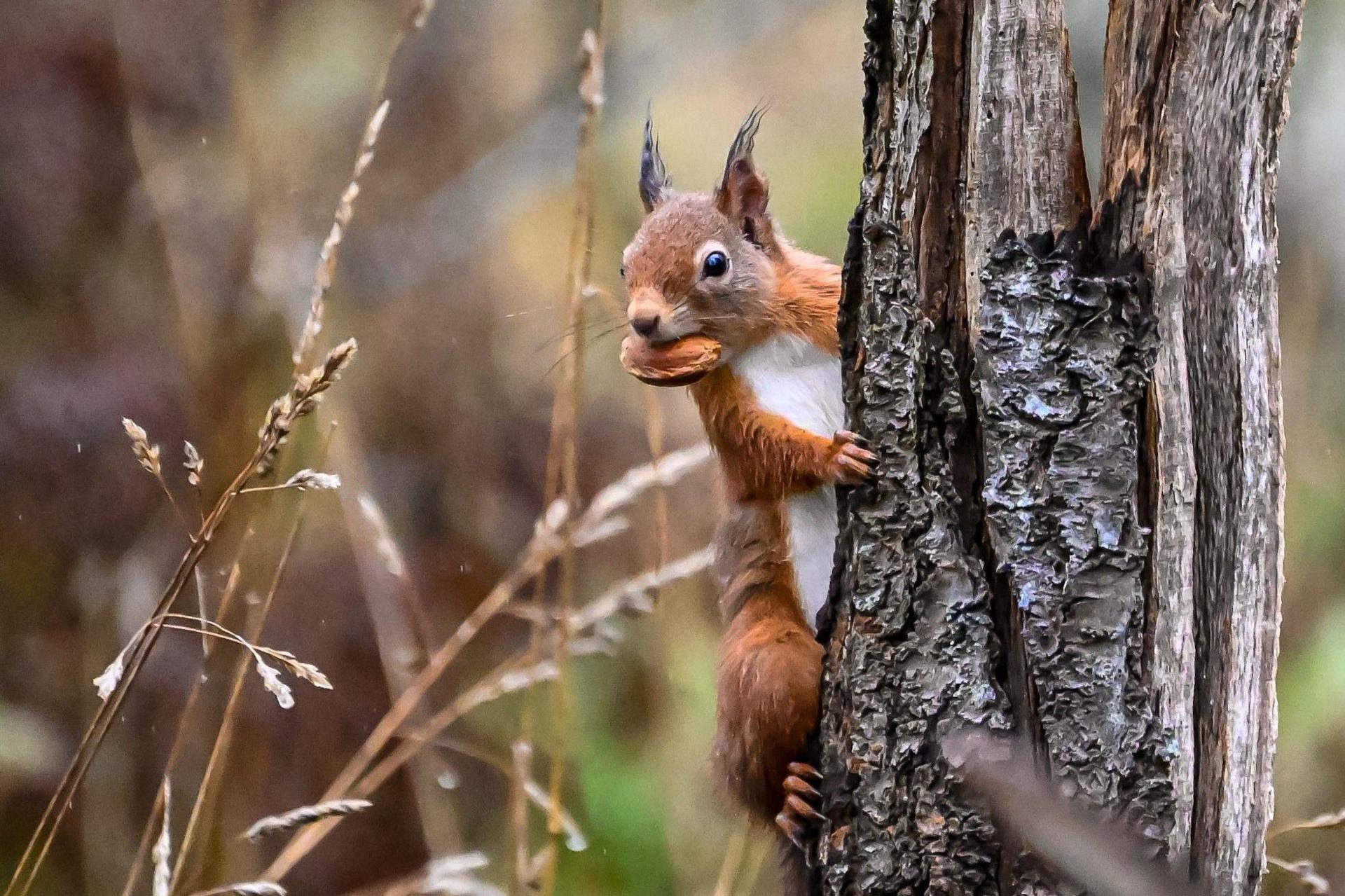
Meanwhile, in the Highlands, the rewilding charity Trees for Life has successfully expanded the range of red squirrels by more than a quarter over the past decade. This initiative has established thriving new habitats from Ullapool to Morvern, offering hope for the long-term survival of Scotland's beloved red squirrels. Becky Priestley, project manager at Trees for Life, hailed the project as a "rewilding success story."
The charity's efforts are part of a broader Missing Species programme, which aims to reintroduce other keystone species to the region. By relocating red squirrels to safe havens and providing supplementary food, the project ensures their survival and promotes forest regeneration.
Innovative Conservation Strategies
Innovative strategies have been crucial in these conservation efforts. In Aberdeen, feeder boxes equipped with sticky pads collect hair samples, allowing for precise monitoring of squirrel populations. Recent data indicates a significant increase in red squirrel sightings, with over 1,500 confirmed samples between July and September.
Additionally, researchers are exploring the use of oral contraceptives to control grey squirrel populations. This method, initially tested on rats, shows promise in reducing grey numbers and mitigating their impact on red squirrels.
WHAT THIS MIGHT MEAN
The continued success of red squirrel conservation efforts in Scotland could serve as a model for similar initiatives across the UK and beyond. As citizen science and innovative methods prove effective, other regions may adopt these strategies to combat invasive species and restore native wildlife.
However, challenges remain, particularly in controlling grey squirrel populations and preventing the spread of squirrel pox. The development of effective oral contraceptives could be a game-changer in this regard, potentially leading to a more sustainable balance between native and invasive species.
As these projects progress, the collaboration between conservationists, volunteers, and researchers will be crucial in ensuring the long-term survival of red squirrels and the broader biodiversity of Scotland's ecosystems.
Images from the Web
Related Articles

Breakthrough Drug Offers Hope for Children with Severe Epilepsy

Saharan Dust to Illuminate UK Skies with Vivid Sunrises and Sunsets

St Francis of Assisi's Bones Draw Global Pilgrims to Italy

Trump Raises Import Tariffs to 15% After Supreme Court Setback

Arrest of Andrew Mountbatten-Windsor Captured in Iconic Photograph

Avalanche Risks Surge Amidst Extreme Weather Conditions in California and Europe
Red Squirrels Thrive in Scotland Thanks to Citizen Science and Rewilding Efforts
In This Article
 Leila Hassan| Published
 HIGHLIGHTS
- Red squirrels have made a significant comeback in Aberdeen and the Highlands due to dedicated conservation efforts.
- Citizen scientists and volunteers have played a crucial role in eradicating grey squirrels in Aberdeen, aiding the red squirrel's resurgence.
- The rewilding charity Trees for Life has successfully expanded red squirrel habitats across the Highlands, enhancing biodiversity.
- Innovative methods, including live-trapping and feeder boxes, have been instrumental in monitoring and controlling squirrel populations.
- Conservationists are exploring new methods, such as oral contraceptives, to further control grey squirrel populations.
Red squirrels, once on the brink of disappearing from parts of Scotland, are experiencing a remarkable resurgence thanks to concerted conservation efforts. In Aberdeen, a dedicated group of volunteers has been instrumental in nearly eradicating the invasive grey squirrel, allowing the native red population to flourish. This achievement is part of a broader initiative led by Saving Scotland's Red Squirrels (SSRS), a partnership project spearheaded by the Scottish Wildlife Trust.
Citizen Science in Action
Since 2009, citizen scientists in Aberdeen have been pivotal in reversing the decline of red squirrels. Naomi Bentley, a former teacher and current outreach officer for SSRS, highlights the crucial role of over 30 volunteers who collect data and monitor squirrel populations. "It's people's love of nature - citizen science," Bentley remarked, emphasizing the community's commitment to conservation.
The invasive grey squirrel, originally from North America, poses a significant threat to red squirrels by outcompeting them for resources and spreading a deadly pox. However, through live-trapping and humane control measures, the grey population has been significantly reduced, allowing red squirrels to reclaim their habitat.
Rewilding Success in the Highlands
Meanwhile, in the Highlands, the rewilding charity Trees for Life has successfully expanded the range of red squirrels by more than a quarter over the past decade. This initiative has established thriving new habitats from Ullapool to Morvern, offering hope for the long-term survival of Scotland's beloved red squirrels. Becky Priestley, project manager at Trees for Life, hailed the project as a "rewilding success story."
The charity's efforts are part of a broader Missing Species programme, which aims to reintroduce other keystone species to the region. By relocating red squirrels to safe havens and providing supplementary food, the project ensures their survival and promotes forest regeneration.
Innovative Conservation Strategies
Innovative strategies have been crucial in these conservation efforts. In Aberdeen, feeder boxes equipped with sticky pads collect hair samples, allowing for precise monitoring of squirrel populations. Recent data indicates a significant increase in red squirrel sightings, with over 1,500 confirmed samples between July and September.
Additionally, researchers are exploring the use of oral contraceptives to control grey squirrel populations. This method, initially tested on rats, shows promise in reducing grey numbers and mitigating their impact on red squirrels.
WHAT THIS MIGHT MEAN
The continued success of red squirrel conservation efforts in Scotland could serve as a model for similar initiatives across the UK and beyond. As citizen science and innovative methods prove effective, other regions may adopt these strategies to combat invasive species and restore native wildlife.
However, challenges remain, particularly in controlling grey squirrel populations and preventing the spread of squirrel pox. The development of effective oral contraceptives could be a game-changer in this regard, potentially leading to a more sustainable balance between native and invasive species.
As these projects progress, the collaboration between conservationists, volunteers, and researchers will be crucial in ensuring the long-term survival of red squirrels and the broader biodiversity of Scotland's ecosystems.
Images from the Web
Related Articles
Breakthrough Drug Offers Hope for Children with Severe Epilepsy
Saharan Dust to Illuminate UK Skies with Vivid Sunrises and Sunsets
St Francis of Assisi's Bones Draw Global Pilgrims to Italy
Trump Raises Import Tariffs to 15% After Supreme Court Setback
Arrest of Andrew Mountbatten-Windsor Captured in Iconic Photograph
Avalanche Risks Surge Amidst Extreme Weather Conditions in California and Europe