
RedBird Capital Withdraws £500m Bid for Telegraph, Leaving Future Uncertain
In This Article
HIGHLIGHTS
- RedBird Capital has withdrawn its £500m bid for the Telegraph Media Group, citing negative press and regulatory scrutiny concerns.
- The Telegraph's future remains uncertain as the £500m asking price has deterred other potential buyers, including Sir Paul Marshall and Lord Saatchi.
- The UK government had planned to review the bid due to foreign investment regulations, with Culture Secretary Lisa Nandy expected to make an announcement.
- RedBird's withdrawal follows internal opposition from the Telegraph newsroom and concerns over its links to Chinese and Gulf investors.
- The Telegraph Media Group, currently controlled by RedBird IMI, must now seek new buyers amid ongoing financial and regulatory challenges.
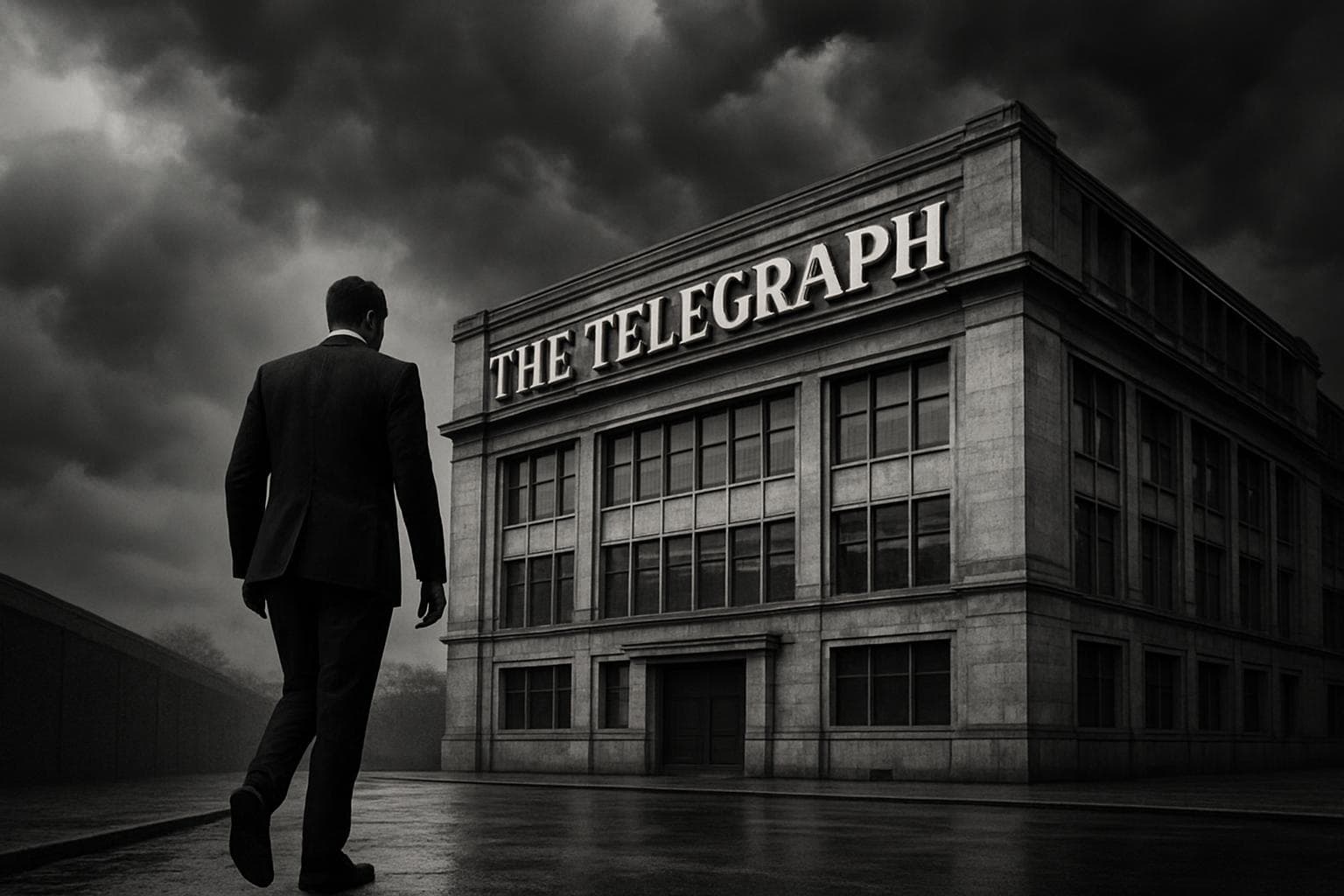
The future of the Telegraph Media Group hangs in the balance after RedBird Capital withdrew its £500m bid to acquire the Daily and Sunday Telegraph. The decision comes amid regulatory scrutiny and internal opposition from the Telegraph newsroom, which has raised concerns over RedBird's links to foreign investors, including those from China and the Gulf.
Regulatory Hurdles and Internal Opposition
RedBird Capital, a private equity firm led by Gerry Cardinale, had structured a deal to comply with UK regulations limiting foreign state ownership in media. The bid, which would have reduced the UAE's International Media Investments (IMI) stake to 15%, faced potential review by the UK government. Culture Secretary Lisa Nandy was expected to announce whether the bid would proceed and if it would be scrutinized by Ofcom and the competition watchdog.
Despite assurances from RedBird that the bid would pass regulatory checks, internal opposition from the Telegraph newsroom intensified. Former editor Charles Moore and ex-Spectator chief Fraser Nelson were among those calling for an investigation into RedBird's foreign ties. The newsroom's resistance culminated in a series of critical articles, further complicating the acquisition process.
Financial and Market Challenges
The Telegraph Media Group, currently under the control of RedBird IMI, has struggled to find a buyer willing to meet its £500m valuation. The high asking price has deterred potential suitors, including GB News investor Sir Paul Marshall and Lord Saatchi, who previously made a £350m offer. Media analyst Alex DeGroote noted the need for a market recalibration of the Telegraph's value, suggesting that only RedBird's association with IMI justified the initial price.
Future Prospects and Potential Buyers
With RedBird's withdrawal, the Telegraph must restart the sale process, which could attract renewed interest from previous bidders. The involvement of Lord Rothermere in the RedBird bid indicates potential interest from the Daily Mail proprietor in future consortiums. Meanwhile, the Telegraph's editorial team, led by Chris Evans, remains committed to finding owners who prioritize journalism and investment in the publication.
WHAT THIS MIGHT MEAN
The withdrawal of RedBird Capital's bid leaves the Telegraph Media Group in a precarious position, with its future ownership uncertain. The £500m asking price remains a significant barrier, suggesting that a reassessment of the Telegraph's market value may be necessary to attract viable buyers. The UK government's regulatory stance on foreign investment in media could further complicate future bids, potentially deterring international investors.
As the Telegraph seeks new buyers, the involvement of domestic media figures like Sir Paul Marshall and Lord Rothermere could provide a more stable ownership structure. However, any new bid will likely face scrutiny from both regulators and the Telegraph's editorial team, emphasizing the need for transparency and alignment with journalistic values.
Ultimately, the Telegraph's ability to secure a buyer who shares its vision for the future will be crucial in navigating the challenges posed by financial constraints and regulatory oversight.
Related Articles

UK Faces Dilemmas Amid Iran Conflict and China Spying Allegations
Labour MP's Husband Arrested in UK-China Espionage Probe
Prince Andrew's Ties to Epstein Under Scrutiny Amid Calls for Inquiry
Government Criticized for Mishandling Maccabi Tel Aviv Fan Ban
Prince Andrew's Arrest Intensifies Scrutiny on Royal Succession and Prince William's Future Role

Government Announces £4 Billion Overhaul of SEND Support in England
RedBird Capital Withdraws £500m Bid for Telegraph, Leaving Future Uncertain
In This Article
 Ethan Brooks| Published
 HIGHLIGHTS
- RedBird Capital has withdrawn its £500m bid for the Telegraph Media Group, citing negative press and regulatory scrutiny concerns.
- The Telegraph's future remains uncertain as the £500m asking price has deterred other potential buyers, including Sir Paul Marshall and Lord Saatchi.
- The UK government had planned to review the bid due to foreign investment regulations, with Culture Secretary Lisa Nandy expected to make an announcement.
- RedBird's withdrawal follows internal opposition from the Telegraph newsroom and concerns over its links to Chinese and Gulf investors.
- The Telegraph Media Group, currently controlled by RedBird IMI, must now seek new buyers amid ongoing financial and regulatory challenges.
The future of the Telegraph Media Group hangs in the balance after RedBird Capital withdrew its £500m bid to acquire the Daily and Sunday Telegraph. The decision comes amid regulatory scrutiny and internal opposition from the Telegraph newsroom, which has raised concerns over RedBird's links to foreign investors, including those from China and the Gulf.
Regulatory Hurdles and Internal Opposition
RedBird Capital, a private equity firm led by Gerry Cardinale, had structured a deal to comply with UK regulations limiting foreign state ownership in media. The bid, which would have reduced the UAE's International Media Investments (IMI) stake to 15%, faced potential review by the UK government. Culture Secretary Lisa Nandy was expected to announce whether the bid would proceed and if it would be scrutinized by Ofcom and the competition watchdog.
Despite assurances from RedBird that the bid would pass regulatory checks, internal opposition from the Telegraph newsroom intensified. Former editor Charles Moore and ex-Spectator chief Fraser Nelson were among those calling for an investigation into RedBird's foreign ties. The newsroom's resistance culminated in a series of critical articles, further complicating the acquisition process.
Financial and Market Challenges
The Telegraph Media Group, currently under the control of RedBird IMI, has struggled to find a buyer willing to meet its £500m valuation. The high asking price has deterred potential suitors, including GB News investor Sir Paul Marshall and Lord Saatchi, who previously made a £350m offer. Media analyst Alex DeGroote noted the need for a market recalibration of the Telegraph's value, suggesting that only RedBird's association with IMI justified the initial price.
Future Prospects and Potential Buyers
With RedBird's withdrawal, the Telegraph must restart the sale process, which could attract renewed interest from previous bidders. The involvement of Lord Rothermere in the RedBird bid indicates potential interest from the Daily Mail proprietor in future consortiums. Meanwhile, the Telegraph's editorial team, led by Chris Evans, remains committed to finding owners who prioritize journalism and investment in the publication.
WHAT THIS MIGHT MEAN
The withdrawal of RedBird Capital's bid leaves the Telegraph Media Group in a precarious position, with its future ownership uncertain. The £500m asking price remains a significant barrier, suggesting that a reassessment of the Telegraph's market value may be necessary to attract viable buyers. The UK government's regulatory stance on foreign investment in media could further complicate future bids, potentially deterring international investors.
As the Telegraph seeks new buyers, the involvement of domestic media figures like Sir Paul Marshall and Lord Rothermere could provide a more stable ownership structure. However, any new bid will likely face scrutiny from both regulators and the Telegraph's editorial team, emphasizing the need for transparency and alignment with journalistic values.
Ultimately, the Telegraph's ability to secure a buyer who shares its vision for the future will be crucial in navigating the challenges posed by financial constraints and regulatory oversight.
Related Articles
UK Faces Dilemmas Amid Iran Conflict and China Spying Allegations
Labour MP's Husband Arrested in UK-China Espionage Probe
Prince Andrew's Ties to Epstein Under Scrutiny Amid Calls for Inquiry
Government Criticized for Mishandling Maccabi Tel Aviv Fan Ban
Prince Andrew's Arrest Intensifies Scrutiny on Royal Succession and Prince William's Future Role
Government Announces £4 Billion Overhaul of SEND Support in England