
Reform UK Faces Turmoil Over Council Tax and Financial Mismanagement
In This Article
HIGHLIGHTS
- David Taylor, a Reform UK councillor in Worcestershire, resigned over plans to raise council tax amid financial instability.
- Worcestershire County Council faces potential bankruptcy with a £600m debt and is seeking a 10% council tax hike.
- Kent County Council, led by Reform UK, is accused of fabricating £40m in net zero savings from non-existent projects.
- Labour MP Polly Billington criticized Kent's council leader for misleading claims about financial savings.
- Both councils are under scrutiny for financial mismanagement and questionable policy decisions.
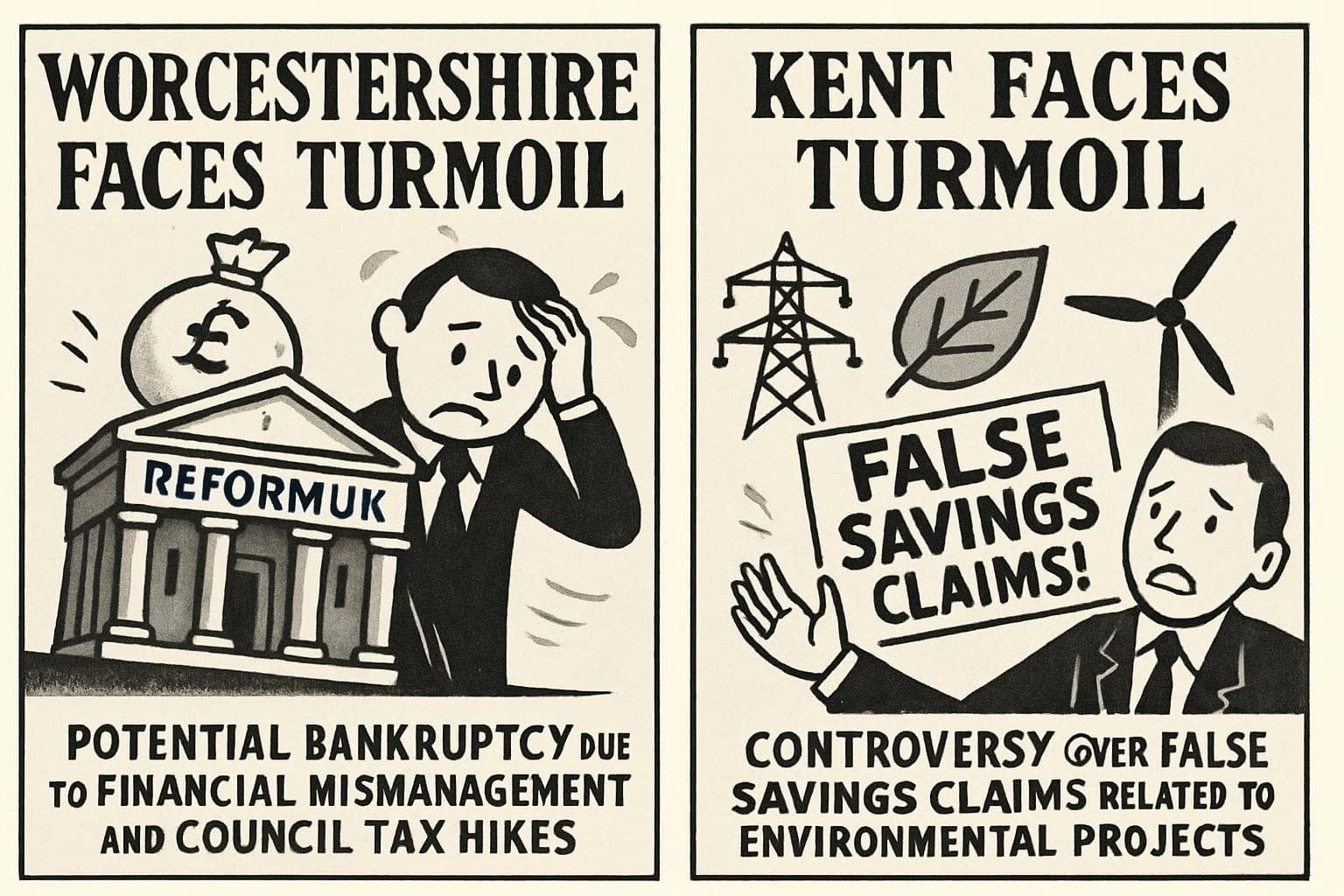
Reform UK is grappling with significant challenges as two of its councils face intense scrutiny over financial decisions and management. In Worcestershire, councillor David Taylor has resigned from the party, citing disagreements over a proposed council tax increase. Meanwhile, Kent County Council is embroiled in controversy over alleged fabricated savings.
Worcestershire's Financial Crisis
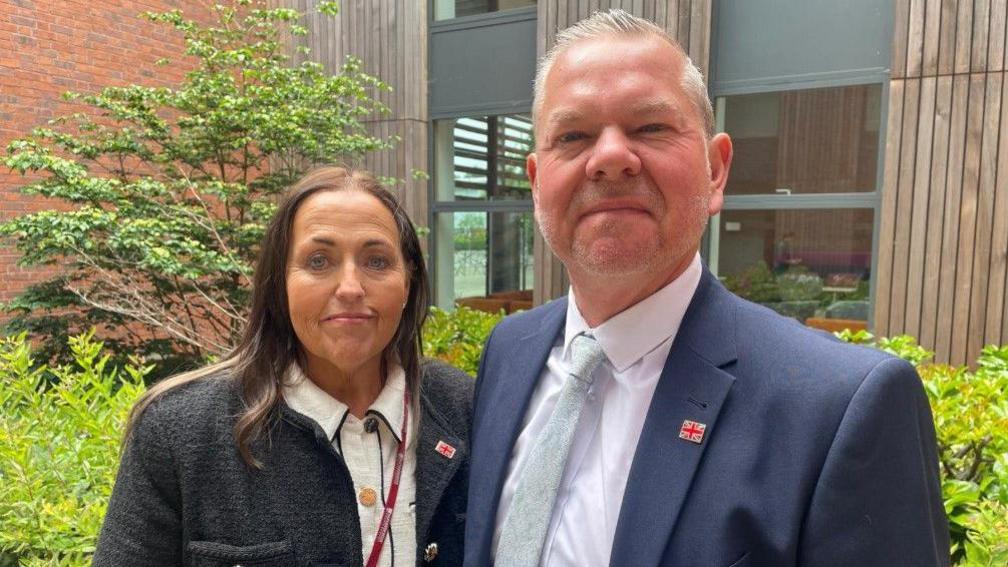
David Taylor, representing Redditch East, announced his departure from Reform UK, choosing to serve as an independent councillor. His decision follows Worcestershire County Council's warning of "effective bankruptcy" and its application to the government for permission to raise council tax by up to 10% starting April. Taylor criticized the council's financial management, highlighting its £600m debt and describing it as a "failing council." He expressed concern for constituents who are financially strained, stating, "What will happen is they're going to pay more and receive less."
The council's leader, Jo Monk, acknowledged the financial turmoil, suggesting a Section 114 notice might be issued, effectively declaring bankruptcy. Richard Tice, Reform UK's deputy leader, admitted Worcestershire's finances are among the worst in England. Taylor, who resigned as deputy leader in August, voiced dissatisfaction with several council policies, including a controversial retention bonus for staff.
Kent's Controversial Savings Claims
In Kent, Reform UK's flagship council is under fire for allegedly fabricating £40m in savings related to net zero projects. Council leader Linden Kemkaran claimed these savings stemmed from scrapping environmental initiatives, but Labour MP Polly Billington challenged the validity of these claims. A freedom of information request revealed the projects lacked documentation and funding, leading Billington to accuse Kemkaran of lying for political gain.
The council defended its position, arguing the savings were legitimate future cost-avoidance measures. However, the controversy has raised questions about the party's governance capabilities. Paul Chamberlain, tasked with finding savings, admitted to not identifying significant waste and later resigned after apologizing for his comments.
WHAT THIS MIGHT MEAN
The financial challenges faced by Reform UK in Worcestershire and Kent highlight the complexities of local governance and fiscal responsibility. Worcestershire's potential bankruptcy could lead to severe service cuts and increased financial pressure on residents. The council's ability to secure Exceptional Financial Support from the government remains uncertain, which could further exacerbate the situation.
In Kent, the controversy over fabricated savings may undermine public trust in Reform UK's leadership. The party's credibility is at stake, and future elections could see voters questioning its ability to manage local councils effectively. As scrutiny intensifies, Reform UK may need to reassess its strategies and focus on transparent and sustainable financial practices to regain confidence.
Images from the Web
Related Articles

UK Faces Dilemmas Amid Iran Conflict and China Spying Allegations

Labour MP's Husband Arrested in UK-China Espionage Probe

Starmer Condemns Reform UK's Plan to Repeal Equality Act as Un-British
Government U-turn on Local Election Delays Sparks Political Fallout

Reform UK Pledges to Retain and Reform Budget Watchdog Amid Leadership Changes

Unlawful Ban on Palestine Action and Other UK Political Developments
Reform UK Faces Turmoil Over Council Tax and Financial Mismanagement
In This Article
 Ethan Brooks| Published
 HIGHLIGHTS
- David Taylor, a Reform UK councillor in Worcestershire, resigned over plans to raise council tax amid financial instability.
- Worcestershire County Council faces potential bankruptcy with a £600m debt and is seeking a 10% council tax hike.
- Kent County Council, led by Reform UK, is accused of fabricating £40m in net zero savings from non-existent projects.
- Labour MP Polly Billington criticized Kent's council leader for misleading claims about financial savings.
- Both councils are under scrutiny for financial mismanagement and questionable policy decisions.
Reform UK is grappling with significant challenges as two of its councils face intense scrutiny over financial decisions and management. In Worcestershire, councillor David Taylor has resigned from the party, citing disagreements over a proposed council tax increase. Meanwhile, Kent County Council is embroiled in controversy over alleged fabricated savings.
Worcestershire's Financial Crisis
David Taylor, representing Redditch East, announced his departure from Reform UK, choosing to serve as an independent councillor. His decision follows Worcestershire County Council's warning of "effective bankruptcy" and its application to the government for permission to raise council tax by up to 10% starting April. Taylor criticized the council's financial management, highlighting its £600m debt and describing it as a "failing council." He expressed concern for constituents who are financially strained, stating, "What will happen is they're going to pay more and receive less."
The council's leader, Jo Monk, acknowledged the financial turmoil, suggesting a Section 114 notice might be issued, effectively declaring bankruptcy. Richard Tice, Reform UK's deputy leader, admitted Worcestershire's finances are among the worst in England. Taylor, who resigned as deputy leader in August, voiced dissatisfaction with several council policies, including a controversial retention bonus for staff.
Kent's Controversial Savings Claims
In Kent, Reform UK's flagship council is under fire for allegedly fabricating £40m in savings related to net zero projects. Council leader Linden Kemkaran claimed these savings stemmed from scrapping environmental initiatives, but Labour MP Polly Billington challenged the validity of these claims. A freedom of information request revealed the projects lacked documentation and funding, leading Billington to accuse Kemkaran of lying for political gain.
The council defended its position, arguing the savings were legitimate future cost-avoidance measures. However, the controversy has raised questions about the party's governance capabilities. Paul Chamberlain, tasked with finding savings, admitted to not identifying significant waste and later resigned after apologizing for his comments.
WHAT THIS MIGHT MEAN
The financial challenges faced by Reform UK in Worcestershire and Kent highlight the complexities of local governance and fiscal responsibility. Worcestershire's potential bankruptcy could lead to severe service cuts and increased financial pressure on residents. The council's ability to secure Exceptional Financial Support from the government remains uncertain, which could further exacerbate the situation.
In Kent, the controversy over fabricated savings may undermine public trust in Reform UK's leadership. The party's credibility is at stake, and future elections could see voters questioning its ability to manage local councils effectively. As scrutiny intensifies, Reform UK may need to reassess its strategies and focus on transparent and sustainable financial practices to regain confidence.
Images from the Web
Related Articles
UK Faces Dilemmas Amid Iran Conflict and China Spying Allegations
Labour MP's Husband Arrested in UK-China Espionage Probe
Starmer Condemns Reform UK's Plan to Repeal Equality Act as Un-British
Government U-turn on Local Election Delays Sparks Political Fallout
Reform UK Pledges to Retain and Reform Budget Watchdog Amid Leadership Changes
Unlawful Ban on Palestine Action and Other UK Political Developments