
Residents Call for Renaming of Prince Andrew Roads Amid Controversy
In This Article
HIGHLIGHTS
- Residents in Hellesdon and Maidenhead are calling for road name changes due to associations with Andrew Mountbatten Windsor.
- The roads in question were named after Prince Andrew, with some named before his birth, honoring his grandfather.
- Changing a street name involves a formal process requiring unanimous consent from all affected property owners.
- The controversy stems from Andrew's ties to Jeffrey Epstein and subsequent loss of royal titles.
- Some residents express concern over the administrative and financial burdens of changing their addresses.
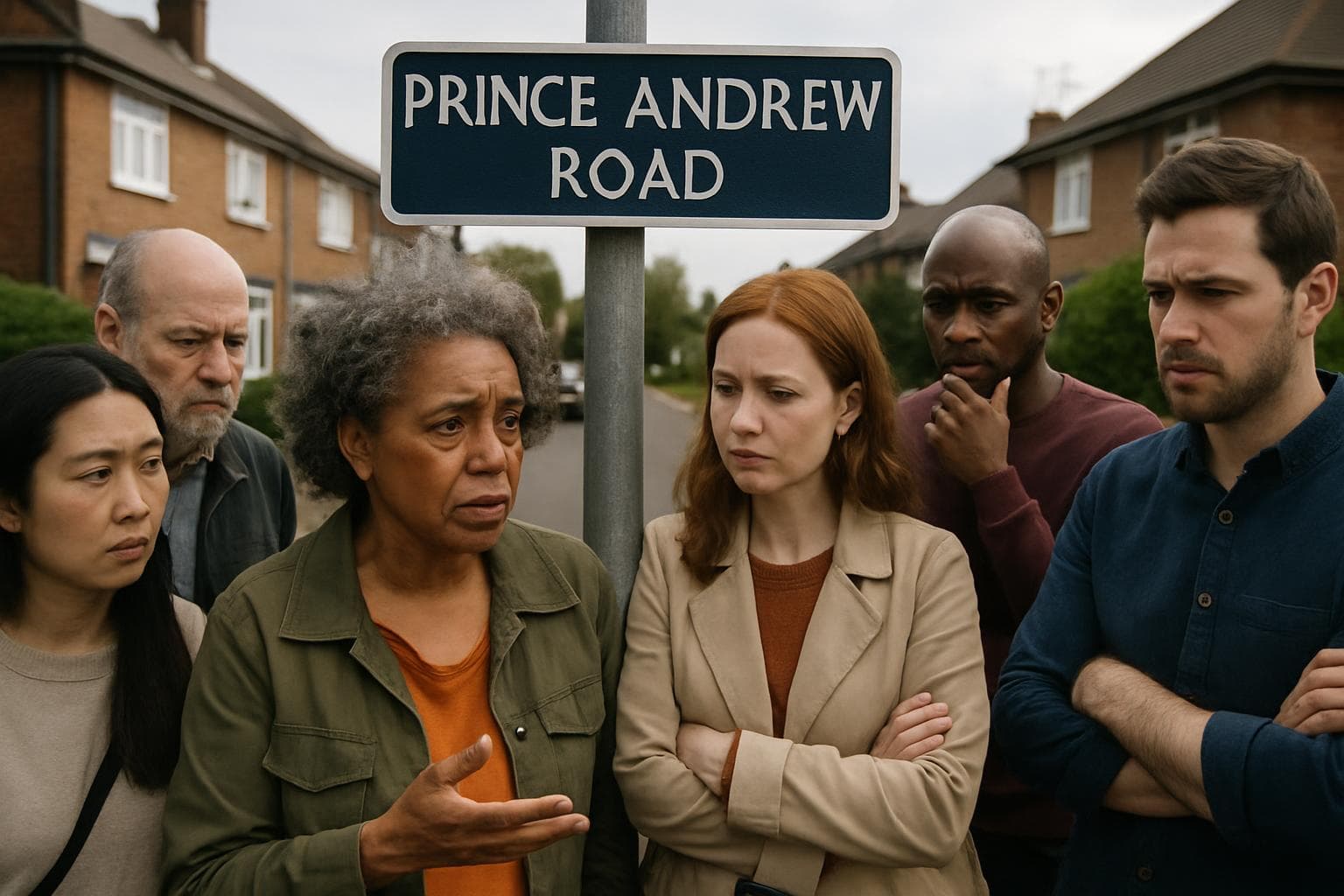
Residents in Hellesdon and Maidenhead are urging local authorities to consider renaming streets bearing the name of Andrew Mountbatten Windsor, following his recent loss of royal titles due to his association with convicted sex offender Jeffrey Epstein. The roads, named Prince Andrew Road and Prince Andrew Close, have become a point of contention among locals who wish to dissociate from the former prince.
Historical Context and Current Concerns
In Hellesdon, near Norwich, the road was named after the late Prince Andrew of Greece and Denmark, grandfather of the former Duke of York, long before Andrew Mountbatten Windsor was born. Despite this, some residents, like Stacy Baldry, express discomfort with the name due to its current connotations. "We wouldn't want any association with the name," Baldry stated, highlighting the stigma attached to the road's name.
Meanwhile, in Maidenhead, roads named after Andrew upon his birth in 1960 are also under scrutiny. Tom Kirk, a resident, described the association as "embarrassing," citing the ethical implications of living on a street linked to such controversy. Kirk has approached the Windsor and Maidenhead council to explore the renaming process.
Legal and Administrative Hurdles
Changing a street name is not a straightforward task. It requires a formal application process, adherence to national addressing conventions, and unanimous consent from all property owners. John Barrett, a resident of Maidenhead, pointed out the potential administrative and financial burdens, suggesting the proposal may not be fully "thought through."
Diverse Resident Opinions
Opinions among residents are divided. While some, like Valerie Spong, see no reason to change a name that has existed for over 60 years, others feel a change is necessary to reflect community values. Trisha Ray, who has lived on Prince Andrew Road since 1977, expressed concerns about the logistical challenges of updating her address with various entities.
WHAT THIS MIGHT MEAN
The debate over renaming streets associated with Andrew Mountbatten Windsor highlights broader societal discussions about how communities address historical and contemporary controversies. If residents in Hellesdon and Maidenhead proceed with formal applications, they may set a precedent for other communities grappling with similar issues. The outcome could influence how local councils handle street renaming requests, balancing historical significance with current ethical considerations. As the situation unfolds, it will be crucial to monitor the legal and financial implications for residents and the potential impact on community identity.
Related Articles
Prince Andrew's Ties to Epstein Under Scrutiny Amid Calls for Inquiry
Prince Andrew's Arrest Intensifies Scrutiny on Royal Succession and Prince William's Future Role
MPs Weigh Inquiry into Andrew Mountbatten-Windsor's Trade Envoy Role Amid Arrest

Arrest of Andrew Mountbatten-Windsor Sparks Unprecedented Crisis for British Monarchy
UK Government Considers Removing Andrew Mountbatten-Windsor from Royal Succession Amid Arrest

Global Counsel Faces Collapse Amidst Epstein Scandal Fallout
Residents Call for Renaming of Prince Andrew Roads Amid Controversy
In This Article
 Ethan Brooks| Published
 HIGHLIGHTS
- Residents in Hellesdon and Maidenhead are calling for road name changes due to associations with Andrew Mountbatten Windsor.
- The roads in question were named after Prince Andrew, with some named before his birth, honoring his grandfather.
- Changing a street name involves a formal process requiring unanimous consent from all affected property owners.
- The controversy stems from Andrew's ties to Jeffrey Epstein and subsequent loss of royal titles.
- Some residents express concern over the administrative and financial burdens of changing their addresses.
Residents in Hellesdon and Maidenhead are urging local authorities to consider renaming streets bearing the name of Andrew Mountbatten Windsor, following his recent loss of royal titles due to his association with convicted sex offender Jeffrey Epstein. The roads, named Prince Andrew Road and Prince Andrew Close, have become a point of contention among locals who wish to dissociate from the former prince.
Historical Context and Current Concerns
In Hellesdon, near Norwich, the road was named after the late Prince Andrew of Greece and Denmark, grandfather of the former Duke of York, long before Andrew Mountbatten Windsor was born. Despite this, some residents, like Stacy Baldry, express discomfort with the name due to its current connotations. "We wouldn't want any association with the name," Baldry stated, highlighting the stigma attached to the road's name.
Meanwhile, in Maidenhead, roads named after Andrew upon his birth in 1960 are also under scrutiny. Tom Kirk, a resident, described the association as "embarrassing," citing the ethical implications of living on a street linked to such controversy. Kirk has approached the Windsor and Maidenhead council to explore the renaming process.
Legal and Administrative Hurdles
Changing a street name is not a straightforward task. It requires a formal application process, adherence to national addressing conventions, and unanimous consent from all property owners. John Barrett, a resident of Maidenhead, pointed out the potential administrative and financial burdens, suggesting the proposal may not be fully "thought through."
Diverse Resident Opinions
Opinions among residents are divided. While some, like Valerie Spong, see no reason to change a name that has existed for over 60 years, others feel a change is necessary to reflect community values. Trisha Ray, who has lived on Prince Andrew Road since 1977, expressed concerns about the logistical challenges of updating her address with various entities.
WHAT THIS MIGHT MEAN
The debate over renaming streets associated with Andrew Mountbatten Windsor highlights broader societal discussions about how communities address historical and contemporary controversies. If residents in Hellesdon and Maidenhead proceed with formal applications, they may set a precedent for other communities grappling with similar issues. The outcome could influence how local councils handle street renaming requests, balancing historical significance with current ethical considerations. As the situation unfolds, it will be crucial to monitor the legal and financial implications for residents and the potential impact on community identity.
Related Articles
Prince Andrew's Ties to Epstein Under Scrutiny Amid Calls for Inquiry
Prince Andrew's Arrest Intensifies Scrutiny on Royal Succession and Prince William's Future Role
MPs Weigh Inquiry into Andrew Mountbatten-Windsor's Trade Envoy Role Amid Arrest
Arrest of Andrew Mountbatten-Windsor Sparks Unprecedented Crisis for British Monarchy
UK Government Considers Removing Andrew Mountbatten-Windsor from Royal Succession Amid Arrest
Global Counsel Faces Collapse Amidst Epstein Scandal Fallout