
Rising Trend of Alcohol Abstinence Among Adults in England
In This Article
HIGHLIGHTS
- Nearly 24% of adults in England reported abstaining from alcohol in 2024, an increase from 19% in 2022.
- Young people and men are leading the trend towards alcohol abstinence, with 39% of young men and 31% of young women not drinking.
- Regional differences show the West Midlands and London have the highest rates of non-drinkers, while the North East has the lowest.
- Despite the rise in non-drinkers, millions still consume alcohol at levels posing significant health risks, with record high alcohol-related deaths.
- Experts advocate for measures like minimum unit pricing and stricter alcohol marketing regulations to combat alcohol-related harm.
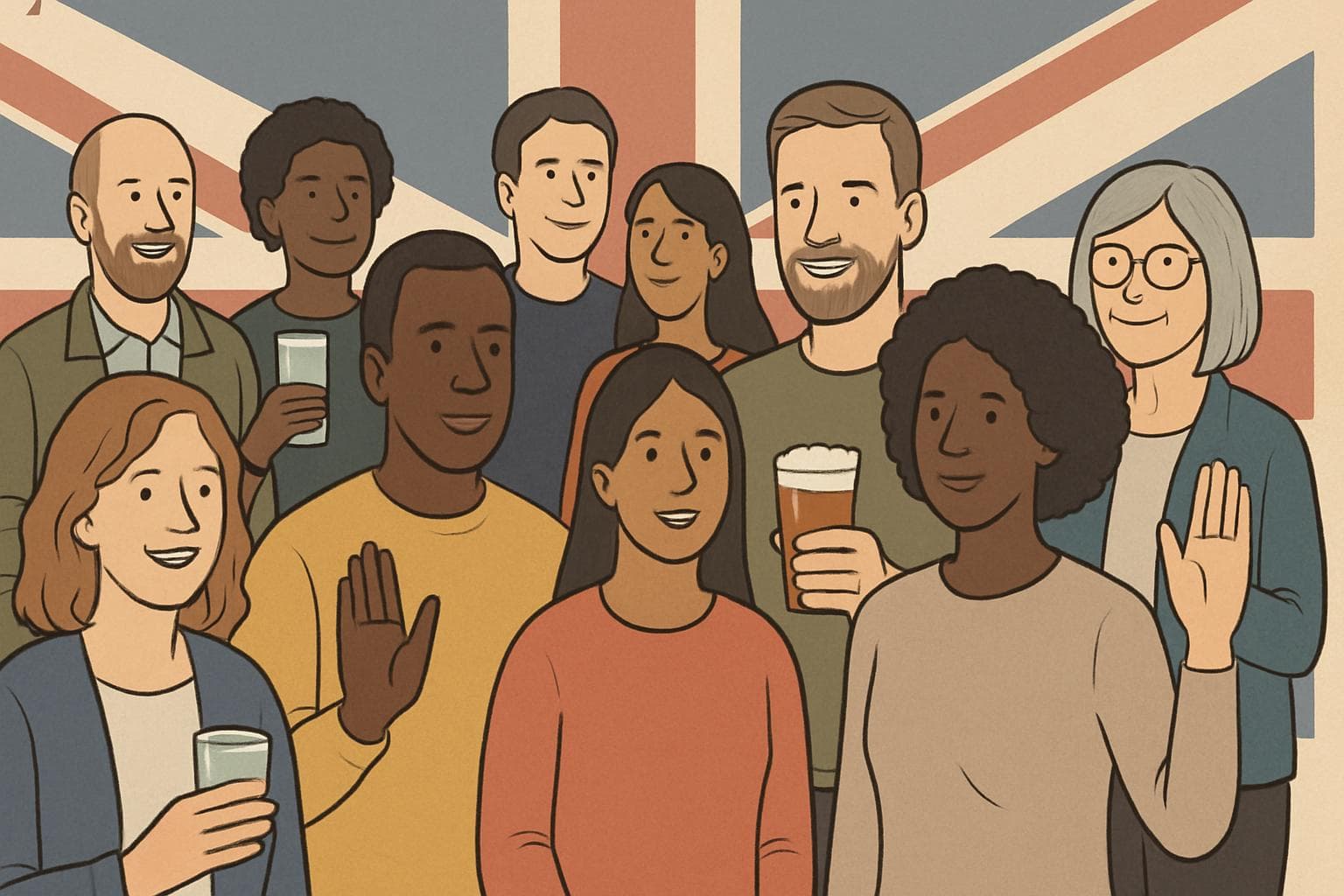
A recent survey reveals a significant shift in alcohol consumption habits among adults in England, with nearly a quarter now choosing to abstain from drinking. The Health Survey for England 2024 indicates that 24% of adults reported not consuming alcohol in the past year, a notable increase from 19% in 2022. This trend is particularly pronounced among young people and men, with 39% of young men and 31% of young women aged 16 to 24 opting for sobriety.
Demographic and Regional Variations
The survey highlights demographic and regional variations in alcohol consumption. While younger individuals are more likely to abstain, older adults, particularly those aged 65 to 74, are more prone to drinking at risky levels. Regionally, the West Midlands and London boast the highest proportions of non-drinkers at 27% and 26%, respectively, contrasting with the North East's 17%.
Health Risks and Economic Impact
Despite the encouraging rise in non-drinkers, the survey underscores ongoing health risks associated with alcohol. Jem Roberts, head of external affairs at the Institute of Alcohol Studies, warns that millions continue to drink at levels that significantly increase their risk of serious harm, including alcohol-related cancers and injuries. The economic burden is substantial, with alcohol abuse costing the health service £4.9 billion annually.
Calls for Policy Interventions
Experts like Roberts advocate for comprehensive policy measures to address alcohol-related harm. Suggested interventions include minimum unit pricing, clear health warnings on labels, and restrictions on alcohol marketing. These measures aim to reduce the record number of alcohol-related deaths and curb drinking among young people.
WHAT THIS MIGHT MEAN
The rising trend of alcohol abstinence among young people and men in England could signal a cultural shift towards healthier lifestyles. However, the persistent high levels of risky drinking among older adults and the economic burden on the health service highlight the need for effective policy interventions. If implemented, measures like minimum unit pricing and stricter marketing regulations could significantly reduce alcohol-related harm. As public health campaigns continue to promote awareness, the coming years may see further declines in alcohol consumption, potentially leading to improved health outcomes across the population.
Related Articles

Labour MP's Husband Arrested in UK-China Espionage Probe

Saharan Dust to Illuminate UK Skies with Vivid Sunrises and Sunsets

Government Announces £4 Billion Overhaul of SEND Support in England

Bafta Film Awards 2023: A Night of Glamour, Talent, and Fashion Statements

UK Government Announces Major Overhaul of SEND System with £3.4 Billion Investment
Nottingham Attacks Inquiry: Families Demand Accountability and Truth
Rising Trend of Alcohol Abstinence Among Adults in England
In This Article
 Maya Singh| Published
 HIGHLIGHTS
- Nearly 24% of adults in England reported abstaining from alcohol in 2024, an increase from 19% in 2022.
- Young people and men are leading the trend towards alcohol abstinence, with 39% of young men and 31% of young women not drinking.
- Regional differences show the West Midlands and London have the highest rates of non-drinkers, while the North East has the lowest.
- Despite the rise in non-drinkers, millions still consume alcohol at levels posing significant health risks, with record high alcohol-related deaths.
- Experts advocate for measures like minimum unit pricing and stricter alcohol marketing regulations to combat alcohol-related harm.
A recent survey reveals a significant shift in alcohol consumption habits among adults in England, with nearly a quarter now choosing to abstain from drinking. The Health Survey for England 2024 indicates that 24% of adults reported not consuming alcohol in the past year, a notable increase from 19% in 2022. This trend is particularly pronounced among young people and men, with 39% of young men and 31% of young women aged 16 to 24 opting for sobriety.
Demographic and Regional Variations
The survey highlights demographic and regional variations in alcohol consumption. While younger individuals are more likely to abstain, older adults, particularly those aged 65 to 74, are more prone to drinking at risky levels. Regionally, the West Midlands and London boast the highest proportions of non-drinkers at 27% and 26%, respectively, contrasting with the North East's 17%.
Health Risks and Economic Impact
Despite the encouraging rise in non-drinkers, the survey underscores ongoing health risks associated with alcohol. Jem Roberts, head of external affairs at the Institute of Alcohol Studies, warns that millions continue to drink at levels that significantly increase their risk of serious harm, including alcohol-related cancers and injuries. The economic burden is substantial, with alcohol abuse costing the health service £4.9 billion annually.
Calls for Policy Interventions
Experts like Roberts advocate for comprehensive policy measures to address alcohol-related harm. Suggested interventions include minimum unit pricing, clear health warnings on labels, and restrictions on alcohol marketing. These measures aim to reduce the record number of alcohol-related deaths and curb drinking among young people.
WHAT THIS MIGHT MEAN
The rising trend of alcohol abstinence among young people and men in England could signal a cultural shift towards healthier lifestyles. However, the persistent high levels of risky drinking among older adults and the economic burden on the health service highlight the need for effective policy interventions. If implemented, measures like minimum unit pricing and stricter marketing regulations could significantly reduce alcohol-related harm. As public health campaigns continue to promote awareness, the coming years may see further declines in alcohol consumption, potentially leading to improved health outcomes across the population.
Related Articles
Labour MP's Husband Arrested in UK-China Espionage Probe
Saharan Dust to Illuminate UK Skies with Vivid Sunrises and Sunsets
Government Announces £4 Billion Overhaul of SEND Support in England
Bafta Film Awards 2023: A Night of Glamour, Talent, and Fashion Statements
UK Government Announces Major Overhaul of SEND System with £3.4 Billion Investment
Nottingham Attacks Inquiry: Families Demand Accountability and Truth