
Discovery of Roman Villa in Wales Redefines Historical Understanding of Region
In This Article
HIGHLIGHTS
- Archaeologists discovered a large Roman villa in Margam Country Park, Wales, dubbed "Port Talbot's Pompeii".
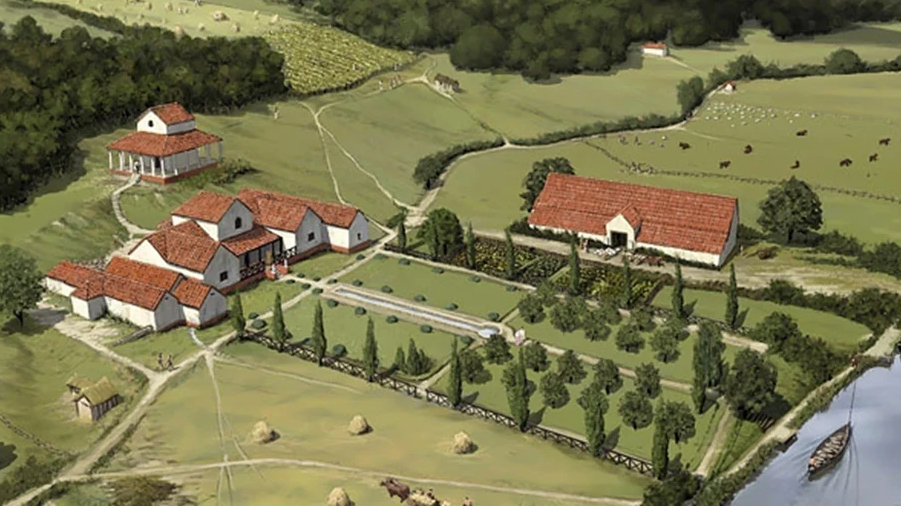
- The villa, the largest of its kind found in Wales, suggests the area was a significant Roman agricultural center.
- The discovery challenges previous perceptions of Wales as a Roman frontier, indicating a more integrated role in the Roman Empire.
- The site, preserved due to its location in a historical deer park, offers insights into the Romano-British period.
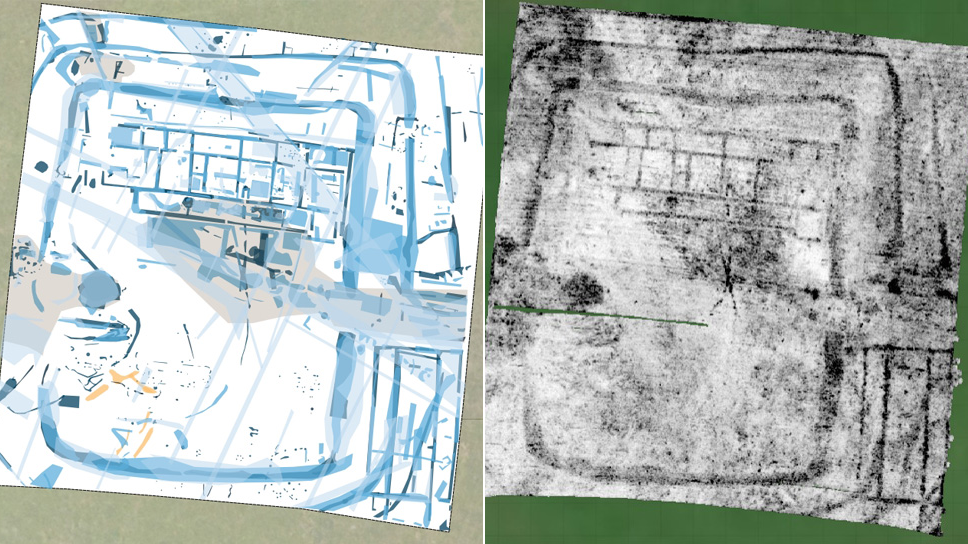
- The villa's structure includes a 572 sq m footprint with multiple rooms and a substantial building nearby, possibly a barn or meeting hall.
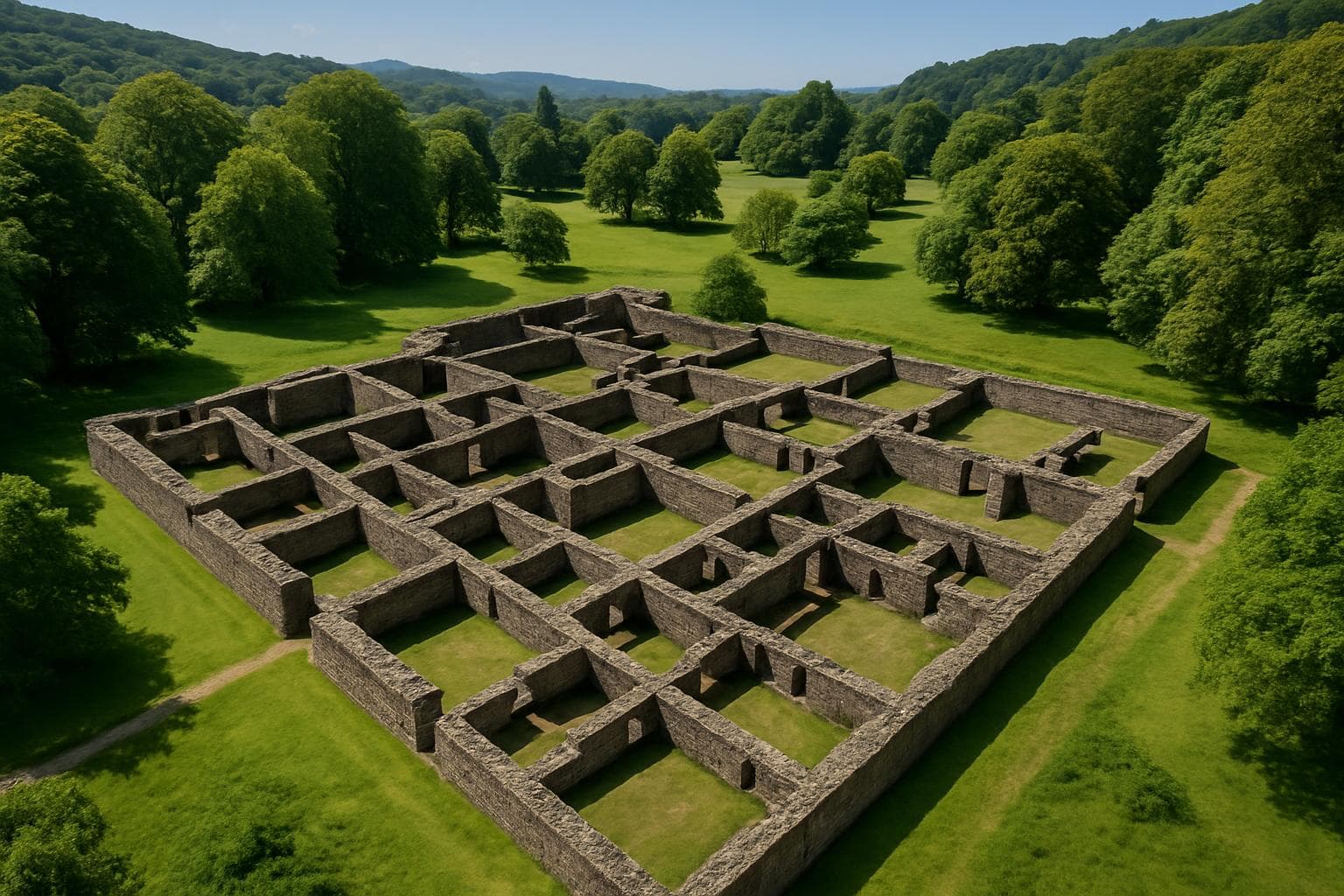
Archaeologists have unearthed a remarkable Roman villa in Margam Country Park, near Port Talbot, Wales, in what experts are calling an "amazing discovery" that could reshape historical narratives about the region. Dubbed "Port Talbot's Pompeii," the villa is the largest of its kind found in Wales, revealing a sophisticated Roman presence in an area previously considered a frontier of the Roman Empire.
A New Historical Perspective
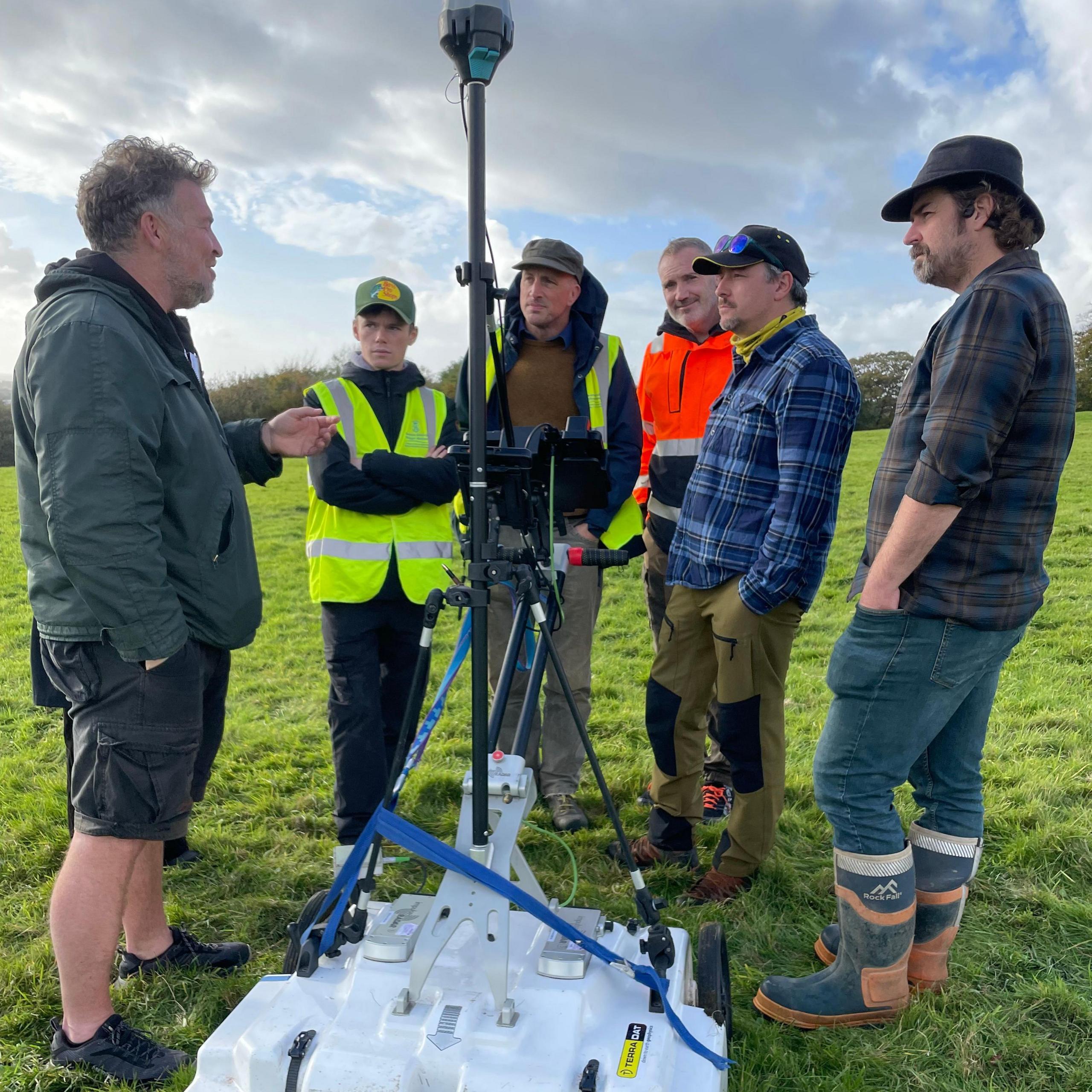
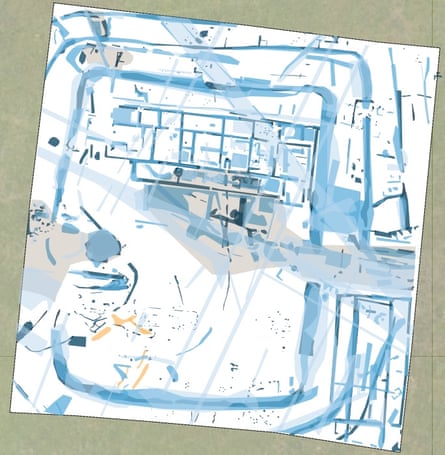
The discovery, led by Dr. Alex Langlands of Swansea University, was made using ground-penetrating radar, which revealed the villa's extensive footprint beneath the park's surface. "My eyes nearly popped out of my skull," Langlands remarked upon seeing the radar images. The villa's structure, measuring 43 meters in length, includes multiple rooms and corridors, suggesting it was a bustling center of activity.
Significance of the Site
The villa's location in a historical deer park has preserved it remarkably well, offering a unique glimpse into the Romano-British period. The site includes a substantial building to the southeast, believed to be either a barn or a meeting hall. This discovery challenges the notion of Wales as merely a Roman military outpost, instead highlighting its role as an integrated part of the Roman Empire with sophisticated agricultural operations.
Implications for Welsh Heritage
The findings have significant implications for understanding Welsh history. "This part of Wales isn't some sort of borderland," Langlands explained, emphasizing that the villa's grandeur is comparable to those found in southern England. The discovery suggests that Margam may have been a central hub of power and influence, potentially lending its name to the historic region of Glamorgan.
Community and Educational Impact
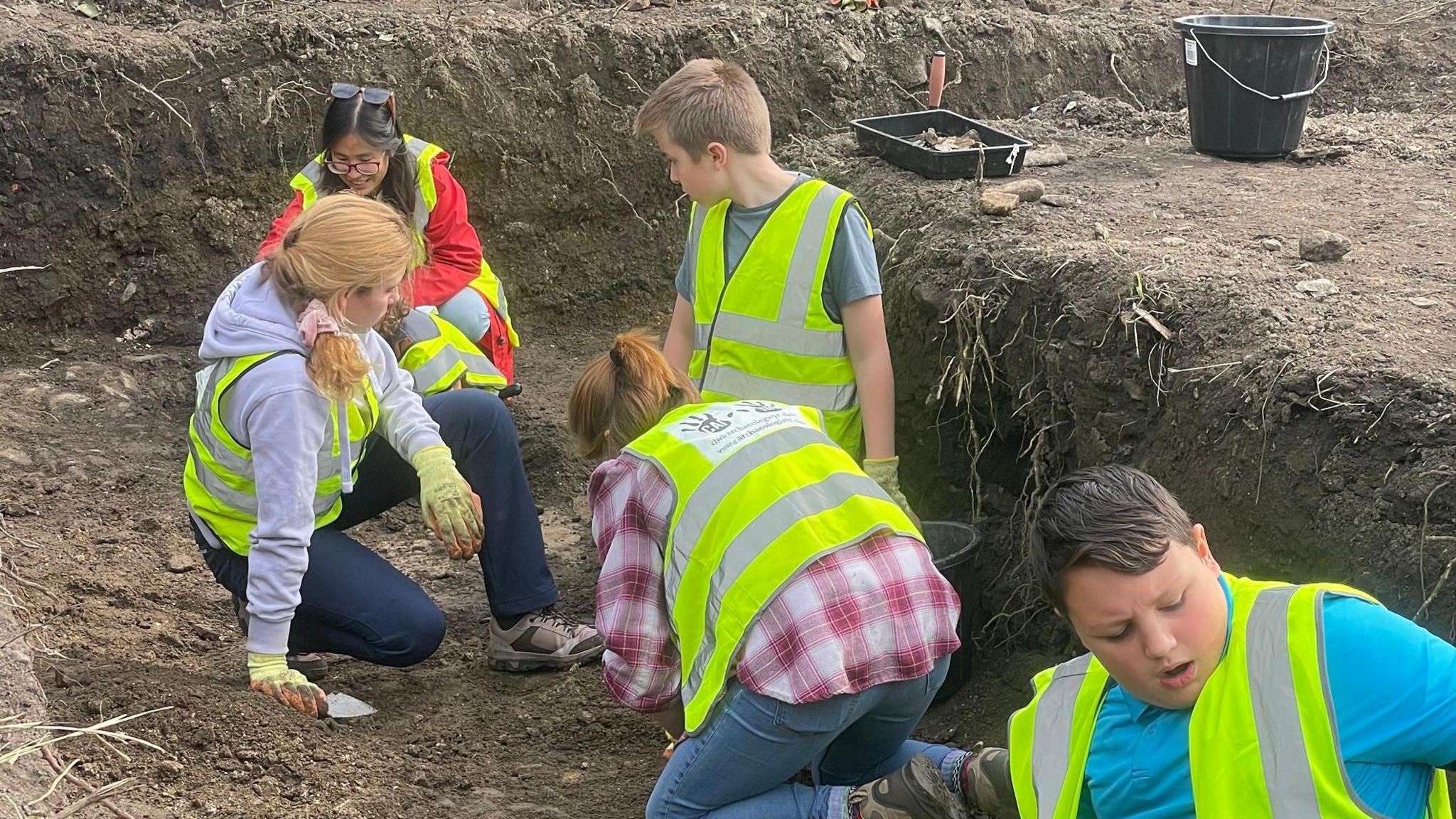
The project, involving Swansea University, Neath Port Talbot council, and local community groups, aims to engage the public in exploring the area's rich heritage. The villa's discovery offers unparalleled insights into the national story of Wales, encouraging a reevaluation of its historical identity during the Roman era.
WHAT THIS MIGHT MEAN
The discovery of the Roman villa in Margam Country Park could lead to a reevaluation of the historical narrative surrounding Roman Britain, particularly in Wales. As further excavations and studies are conducted, more details about the villa's occupants and its role in the local economy may emerge, offering deeper insights into the region's integration into the Roman Empire.
This finding may also spur increased interest and investment in archaeological projects across Wales, potentially uncovering more sites of historical significance. Additionally, the villa's preservation could enhance tourism and educational opportunities, fostering a greater appreciation for Welsh heritage and its place in the broader context of Roman history.
Images from the Web



Related Articles

Sisters Tragically Drown at Eryri National Park's Watkin Path

Labour MP's Husband Arrested in UK-China Espionage Probe

UK Defence Faces Scrutiny Amid Ajax Armoured Vehicle Delays and Soldier Safety Concerns

Prince William Calls for Action on UK Male Suicide Rates

Tragic Loss of Teenager in Cwmbran Car Collision

NHS Staff Pay Rise Sparks Union Outrage Amid Inflation Concerns
Discovery of Roman Villa in Wales Redefines Historical Understanding of Region
In This Article
 Ethan Brooks| Published
 HIGHLIGHTS
- Archaeologists discovered a large Roman villa in Margam Country Park, Wales, dubbed "Port Talbot's Pompeii".
- The villa, the largest of its kind found in Wales, suggests the area was a significant Roman agricultural center.
- The discovery challenges previous perceptions of Wales as a Roman frontier, indicating a more integrated role in the Roman Empire.
- The site, preserved due to its location in a historical deer park, offers insights into the Romano-British period.
- The villa's structure includes a 572 sq m footprint with multiple rooms and a substantial building nearby, possibly a barn or meeting hall.
Archaeologists have unearthed a remarkable Roman villa in Margam Country Park, near Port Talbot, Wales, in what experts are calling an "amazing discovery" that could reshape historical narratives about the region. Dubbed "Port Talbot's Pompeii," the villa is the largest of its kind found in Wales, revealing a sophisticated Roman presence in an area previously considered a frontier of the Roman Empire.
A New Historical Perspective
The discovery, led by Dr. Alex Langlands of Swansea University, was made using ground-penetrating radar, which revealed the villa's extensive footprint beneath the park's surface. "My eyes nearly popped out of my skull," Langlands remarked upon seeing the radar images. The villa's structure, measuring 43 meters in length, includes multiple rooms and corridors, suggesting it was a bustling center of activity.
Significance of the Site
The villa's location in a historical deer park has preserved it remarkably well, offering a unique glimpse into the Romano-British period. The site includes a substantial building to the southeast, believed to be either a barn or a meeting hall. This discovery challenges the notion of Wales as merely a Roman military outpost, instead highlighting its role as an integrated part of the Roman Empire with sophisticated agricultural operations.
Implications for Welsh Heritage
The findings have significant implications for understanding Welsh history. "This part of Wales isn't some sort of borderland," Langlands explained, emphasizing that the villa's grandeur is comparable to those found in southern England. The discovery suggests that Margam may have been a central hub of power and influence, potentially lending its name to the historic region of Glamorgan.
Community and Educational Impact
The project, involving Swansea University, Neath Port Talbot council, and local community groups, aims to engage the public in exploring the area's rich heritage. The villa's discovery offers unparalleled insights into the national story of Wales, encouraging a reevaluation of its historical identity during the Roman era.
WHAT THIS MIGHT MEAN
The discovery of the Roman villa in Margam Country Park could lead to a reevaluation of the historical narrative surrounding Roman Britain, particularly in Wales. As further excavations and studies are conducted, more details about the villa's occupants and its role in the local economy may emerge, offering deeper insights into the region's integration into the Roman Empire.
This finding may also spur increased interest and investment in archaeological projects across Wales, potentially uncovering more sites of historical significance. Additionally, the villa's preservation could enhance tourism and educational opportunities, fostering a greater appreciation for Welsh heritage and its place in the broader context of Roman history.
Images from the Web
Related Articles
Sisters Tragically Drown at Eryri National Park's Watkin Path
Labour MP's Husband Arrested in UK-China Espionage Probe
UK Defence Faces Scrutiny Amid Ajax Armoured Vehicle Delays and Soldier Safety Concerns
Prince William Calls for Action on UK Male Suicide Rates
Tragic Loss of Teenager in Cwmbran Car Collision
NHS Staff Pay Rise Sparks Union Outrage Amid Inflation Concerns