
Royal Train to be Decommissioned as Part of Monarchy's Cost-Saving Measures
In This Article
HIGHLIGHTS
- The royal train will be decommissioned by 2027 as part of cost-saving measures and modernization efforts led by King Charles.
- The Sovereign Grant will remain at £86.3 million for 2024-25 but will increase to £132 million annually from 2025 to 2027 to fund Buckingham Palace renovations.
- Royal travel costs rose by £500,000 to £4.7 million, with helicopter and private charter flights contributing significantly.
- The Crown Estate's record profits of £1.1 billion have influenced the increase in the Sovereign Grant.
- The Royal Family conducted over 1,900 engagements last year, with nearly 94,000 guests attending events.
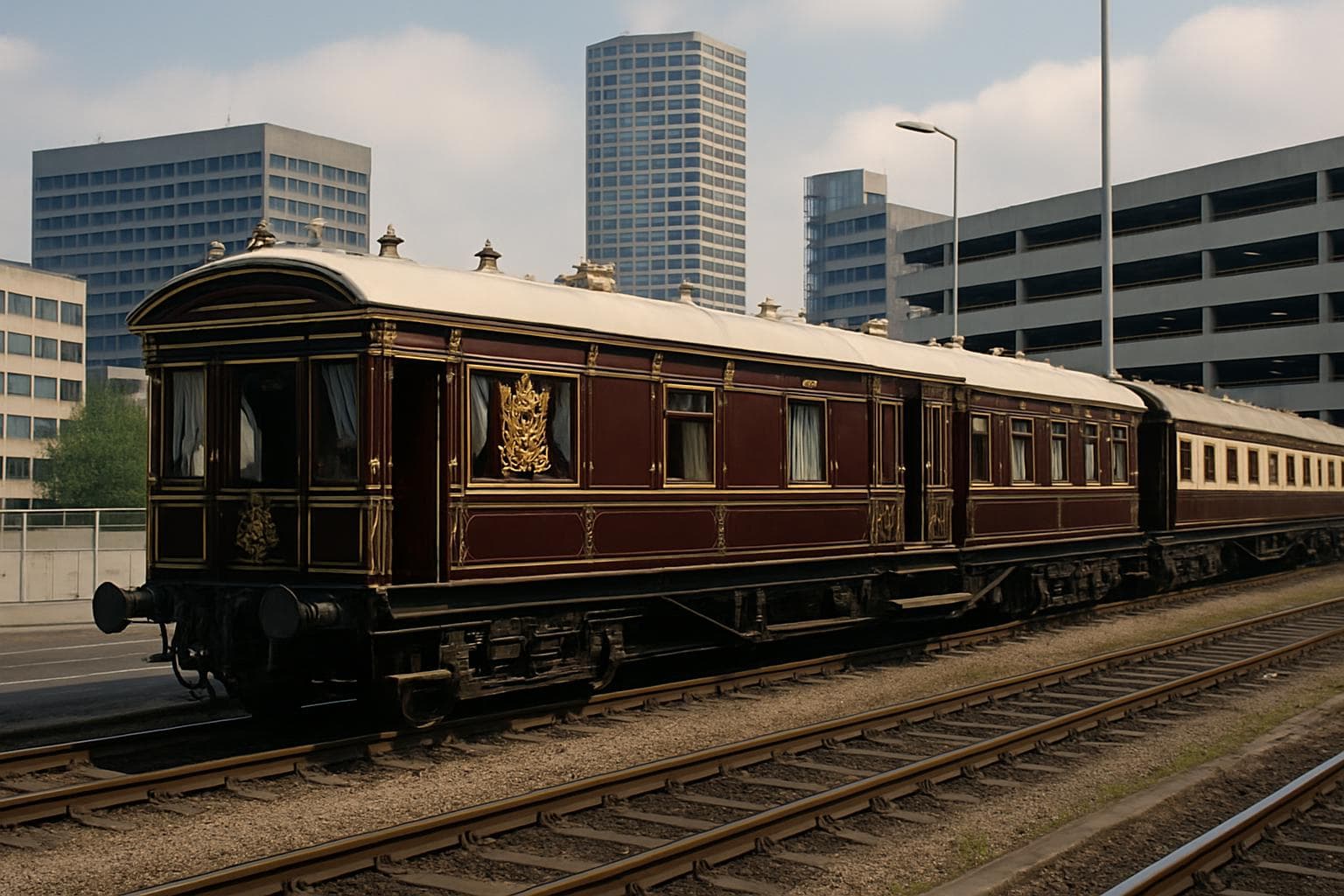
In a significant move towards modernizing the British monarchy, the royal train, a symbol of regal travel since Queen Victoria's era, will be decommissioned by 2027. This decision, announced by Buckingham Palace, aligns with King Charles's efforts to reduce costs and adapt to contemporary needs.
Historical Legacy and Modernization
The royal train, which has been part of Britain's railway network since 1840, is set to be retired due to its high maintenance and storage costs. The train, consisting of nine carriages, has been a cherished part of national life, used extensively during Queen Elizabeth's jubilees. However, with only two uses recorded in the latest financial year, questions about its practicality have arisen. James Chalmers, the Keeper of the Privy Purse, emphasized the need to move forward without being "bound by the past," highlighting the monarchy's commitment to modernization.
Financial Implications and Sovereign Grant
The annual royal financial report for 2024-25 reveals that the Sovereign Grant, which funds the monarchy's official duties, will remain at £86.3 million. However, it is set to increase to £132 million annually from 2025 to 2027. This increase is partly due to the ongoing £369 million renovation of Buckingham Palace and the Crown Estate's record profits of £1.1 billion. The grant, funded by the Treasury, is based on a percentage of these profits.
Rising Travel Costs and Sustainability Efforts
Royal travel expenses have risen by £500,000, reaching £4.7 million, with helicopter and private charter flights being significant contributors. The King and Queen's state visit to Samoa alone cost £401,000. In response to sustainability concerns, the Royal Family is transitioning to biofuels and considering electric vehicles for their fleet.
Broader Financial Context
The financial report also highlights an increase in payroll costs to £29.9 million and a rise in high-cost travel journeys. Meanwhile, the Duchy of Cornwall, providing Prince William with a private income, has taken steps to support grassroots groups by waiving or reducing rents.
WHAT THIS MIGHT MEAN
The decommissioning of the royal train marks a pivotal shift in the monarchy's approach to tradition and modernity. As King Charles continues to prioritize cost-saving measures, the increased Sovereign Grant will likely face public scrutiny, especially given the substantial rise in royal travel costs. The Crown Estate's profits provide a financial cushion, but the monarchy's efforts to balance tradition with modern demands will be closely watched. Future developments may include further sustainability initiatives and potential public engagement strategies to maintain support for the monarchy's evolving role.
Related Articles
Prince Andrew's Arrest Intensifies Scrutiny on Royal Succession and Prince William's Future Role
Arrest of Andrew Mountbatten-Windsor Sparks Unprecedented Crisis for British Monarchy
Prince Andrew Under Scrutiny for Alleged Breach of Confidentiality in Epstein Scandal

Robert Aramayo's Stunning Bafta Win and Royal Appearances Highlight 2026 Ceremony

Bafta Film Awards 2023: A Night of Glamour, Talent, and Fashion Statements
Prince Andrew's Ties to Epstein Under Scrutiny Amid Calls for Inquiry
Royal Train to be Decommissioned as Part of Monarchy's Cost-Saving Measures
In This Article
 Leila Hassan| Published
 HIGHLIGHTS
- The royal train will be decommissioned by 2027 as part of cost-saving measures and modernization efforts led by King Charles.
- The Sovereign Grant will remain at £86.3 million for 2024-25 but will increase to £132 million annually from 2025 to 2027 to fund Buckingham Palace renovations.
- Royal travel costs rose by £500,000 to £4.7 million, with helicopter and private charter flights contributing significantly.
- The Crown Estate's record profits of £1.1 billion have influenced the increase in the Sovereign Grant.
- The Royal Family conducted over 1,900 engagements last year, with nearly 94,000 guests attending events.
In a significant move towards modernizing the British monarchy, the royal train, a symbol of regal travel since Queen Victoria's era, will be decommissioned by 2027. This decision, announced by Buckingham Palace, aligns with King Charles's efforts to reduce costs and adapt to contemporary needs.
Historical Legacy and Modernization
The royal train, which has been part of Britain's railway network since 1840, is set to be retired due to its high maintenance and storage costs. The train, consisting of nine carriages, has been a cherished part of national life, used extensively during Queen Elizabeth's jubilees. However, with only two uses recorded in the latest financial year, questions about its practicality have arisen. James Chalmers, the Keeper of the Privy Purse, emphasized the need to move forward without being "bound by the past," highlighting the monarchy's commitment to modernization.
Financial Implications and Sovereign Grant
The annual royal financial report for 2024-25 reveals that the Sovereign Grant, which funds the monarchy's official duties, will remain at £86.3 million. However, it is set to increase to £132 million annually from 2025 to 2027. This increase is partly due to the ongoing £369 million renovation of Buckingham Palace and the Crown Estate's record profits of £1.1 billion. The grant, funded by the Treasury, is based on a percentage of these profits.
Rising Travel Costs and Sustainability Efforts
Royal travel expenses have risen by £500,000, reaching £4.7 million, with helicopter and private charter flights being significant contributors. The King and Queen's state visit to Samoa alone cost £401,000. In response to sustainability concerns, the Royal Family is transitioning to biofuels and considering electric vehicles for their fleet.
Broader Financial Context
The financial report also highlights an increase in payroll costs to £29.9 million and a rise in high-cost travel journeys. Meanwhile, the Duchy of Cornwall, providing Prince William with a private income, has taken steps to support grassroots groups by waiving or reducing rents.
WHAT THIS MIGHT MEAN
The decommissioning of the royal train marks a pivotal shift in the monarchy's approach to tradition and modernity. As King Charles continues to prioritize cost-saving measures, the increased Sovereign Grant will likely face public scrutiny, especially given the substantial rise in royal travel costs. The Crown Estate's profits provide a financial cushion, but the monarchy's efforts to balance tradition with modern demands will be closely watched. Future developments may include further sustainability initiatives and potential public engagement strategies to maintain support for the monarchy's evolving role.
Related Articles
Prince Andrew's Arrest Intensifies Scrutiny on Royal Succession and Prince William's Future Role
Arrest of Andrew Mountbatten-Windsor Sparks Unprecedented Crisis for British Monarchy
Prince Andrew Under Scrutiny for Alleged Breach of Confidentiality in Epstein Scandal
Robert Aramayo's Stunning Bafta Win and Royal Appearances Highlight 2026 Ceremony
Bafta Film Awards 2023: A Night of Glamour, Talent, and Fashion Statements
Prince Andrew's Ties to Epstein Under Scrutiny Amid Calls for Inquiry