
Russian Spy Ship Yantar Sparks Tensions in UK Waters with Laser Incident
In This Article
HIGHLIGHTS
- The Russian vessel Yantar, suspected of espionage, has entered UK waters, raising security concerns.
- UK Defence Secretary John Healey condemned the ship's use of lasers against RAF pilots as "deeply dangerous."
- The Yantar is believed to be mapping undersea cables, crucial for data and financial transactions.
- The UK has military options ready should the Yantar change course, reflecting heightened tensions.
- Russia denies any hostile intent, criticizing the UK's "Russophobic" stance and military readiness.
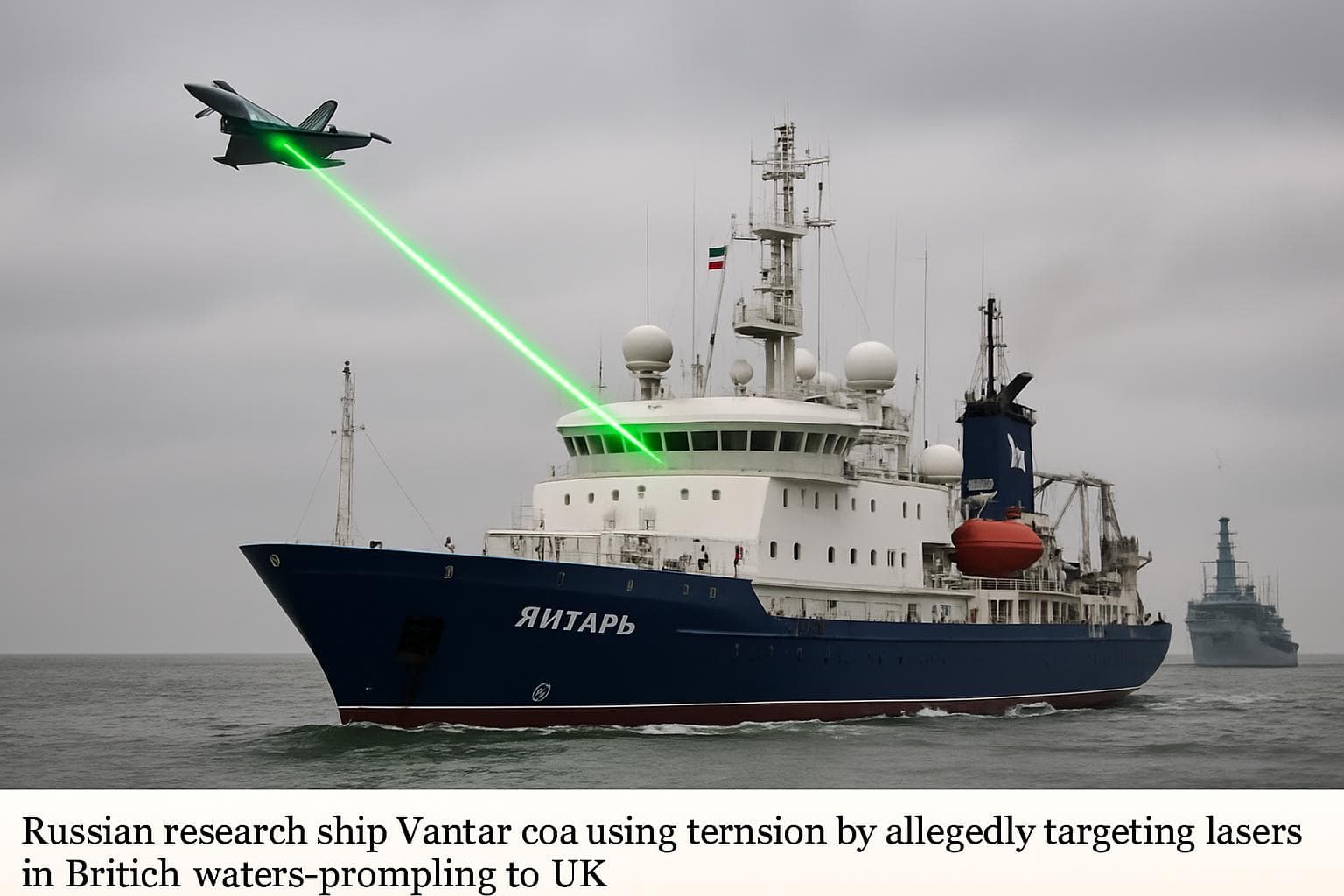
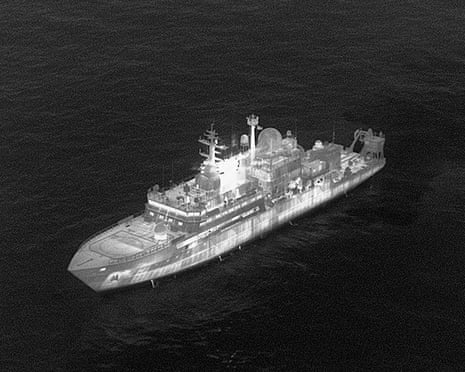
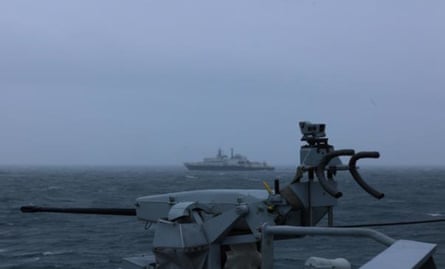
The Russian vessel Yantar, officially designated as an oceanic research ship, has once again stirred controversy by entering UK waters and allegedly targeting Royal Air Force (RAF) pilots with lasers. This development has prompted a stern response from UK Defence Secretary John Healey, who described the actions as "deeply dangerous" and indicative of a "new era of threat" from hostile nations.
Escalating Tensions
The Yantar, part of Russia's Main Directorate for Deep Sea Research, has been under scrutiny for its suspected role in mapping undersea cables that are vital for global data and financial transactions. These cables, largely unprotected, are of strategic interest to Russia, according to UK officials. The ship's recent activities, including the use of lasers against RAF pilots, mark a significant escalation in its operations near British shores.
UK Response and Military Preparedness
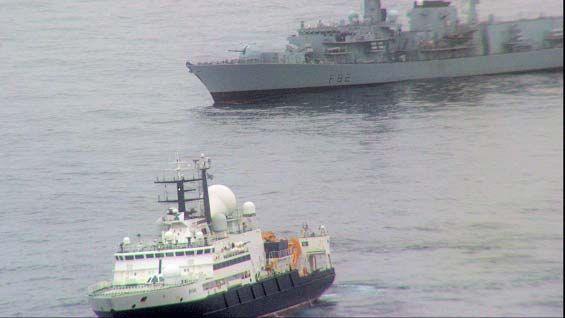
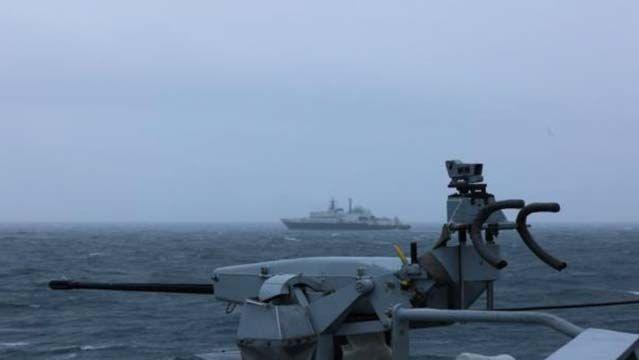
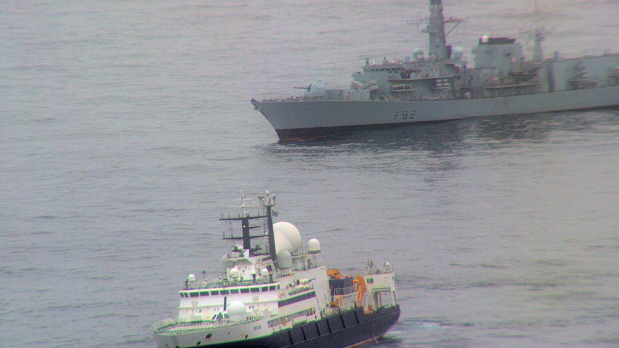
In response to the Yantar's maneuvers, the UK has deployed a Royal Navy frigate and RAF Poseidon P-8 planes to closely monitor the vessel. Healey emphasized that the UK is prepared with military options should the Yantar alter its course further south. "We see you. We know what you're doing," Healey warned, underscoring the seriousness with which the UK government views these incursions.
Russian Denial and Diplomatic Strain
The Russian Embassy in London has dismissed the allegations, asserting that their actions do not threaten UK security. They criticized the UK's "Russophobic" approach and warned against exacerbating tensions in Europe. Despite these denials, the UK remains vigilant, with Labour MP Matt Western highlighting the immediate threat posed by Russia's actions.
Historical Context and Broader Implications
This is not the first time the Yantar has ventured into UK waters. Earlier this year, a Royal Navy submarine surfaced near the ship as a deterrent. The incident is part of a broader pattern of Russian activities testing NATO's defenses, including recent airspace violations over Estonia. The UK government has responded by adjusting naval engagement rules to allow closer monitoring of the Yantar.
WHAT THIS MIGHT MEAN
The ongoing presence of the Yantar in UK waters could lead to increased military readiness and further diplomatic tensions between the UK and Russia. Should the Yantar continue its course, the UK may be compelled to take more assertive actions, potentially escalating the situation. Experts suggest that this incident highlights the need for enhanced protection of critical undersea infrastructure, as adversaries may exploit these vulnerabilities in future conflicts. As NATO monitors these developments, the alliance's response will be crucial in maintaining regional stability and deterring further provocations.
Images from the Web
Related Articles
UK Reinforces Military Presence in Cyprus Amid Middle East Tensions

UK-Iran Tensions: Starmer Defends Cautious Approach Amid Trump Criticism

UK Government to Reform Asylum Seeker Support and Employment Policies
Russian LNG Tanker Sinks in Mediterranean Amid Accusations of Ukrainian Drone Attack

UK Faces Dilemmas Amid Iran Conflict and China Spying Allegations

Persistent Safety Concerns in Nottingham Maternity Services Amidst Calls for Systemic Reform
Russian Spy Ship Yantar Sparks Tensions in UK Waters with Laser Incident
In This Article
 Ethan Brooks| Published
 HIGHLIGHTS
- The Russian vessel Yantar, suspected of espionage, has entered UK waters, raising security concerns.
- UK Defence Secretary John Healey condemned the ship's use of lasers against RAF pilots as "deeply dangerous."
- The Yantar is believed to be mapping undersea cables, crucial for data and financial transactions.
- The UK has military options ready should the Yantar change course, reflecting heightened tensions.
- Russia denies any hostile intent, criticizing the UK's "Russophobic" stance and military readiness.
The Russian vessel Yantar, officially designated as an oceanic research ship, has once again stirred controversy by entering UK waters and allegedly targeting Royal Air Force (RAF) pilots with lasers. This development has prompted a stern response from UK Defence Secretary John Healey, who described the actions as "deeply dangerous" and indicative of a "new era of threat" from hostile nations.
Escalating Tensions
The Yantar, part of Russia's Main Directorate for Deep Sea Research, has been under scrutiny for its suspected role in mapping undersea cables that are vital for global data and financial transactions. These cables, largely unprotected, are of strategic interest to Russia, according to UK officials. The ship's recent activities, including the use of lasers against RAF pilots, mark a significant escalation in its operations near British shores.
UK Response and Military Preparedness
In response to the Yantar's maneuvers, the UK has deployed a Royal Navy frigate and RAF Poseidon P-8 planes to closely monitor the vessel. Healey emphasized that the UK is prepared with military options should the Yantar alter its course further south. "We see you. We know what you're doing," Healey warned, underscoring the seriousness with which the UK government views these incursions.
Russian Denial and Diplomatic Strain
The Russian Embassy in London has dismissed the allegations, asserting that their actions do not threaten UK security. They criticized the UK's "Russophobic" approach and warned against exacerbating tensions in Europe. Despite these denials, the UK remains vigilant, with Labour MP Matt Western highlighting the immediate threat posed by Russia's actions.
Historical Context and Broader Implications
This is not the first time the Yantar has ventured into UK waters. Earlier this year, a Royal Navy submarine surfaced near the ship as a deterrent. The incident is part of a broader pattern of Russian activities testing NATO's defenses, including recent airspace violations over Estonia. The UK government has responded by adjusting naval engagement rules to allow closer monitoring of the Yantar.
WHAT THIS MIGHT MEAN
The ongoing presence of the Yantar in UK waters could lead to increased military readiness and further diplomatic tensions between the UK and Russia. Should the Yantar continue its course, the UK may be compelled to take more assertive actions, potentially escalating the situation. Experts suggest that this incident highlights the need for enhanced protection of critical undersea infrastructure, as adversaries may exploit these vulnerabilities in future conflicts. As NATO monitors these developments, the alliance's response will be crucial in maintaining regional stability and deterring further provocations.
Images from the Web
Related Articles
UK Reinforces Military Presence in Cyprus Amid Middle East Tensions
UK-Iran Tensions: Starmer Defends Cautious Approach Amid Trump Criticism
UK Government to Reform Asylum Seeker Support and Employment Policies
Russian LNG Tanker Sinks in Mediterranean Amid Accusations of Ukrainian Drone Attack
UK Faces Dilemmas Amid Iran Conflict and China Spying Allegations
Persistent Safety Concerns in Nottingham Maternity Services Amidst Calls for Systemic Reform