
Former Olympian Ryan Wedding Denies Drug Kingpin Charges in US Court
In This Article
HIGHLIGHTS
- Former Olympic snowboarder Ryan Wedding has pleaded not guilty to 17 felony charges, including drug trafficking and conspiracy to commit murder.
- Wedding, accused of leading a transnational drug cartel, was arrested in Mexico and appeared in a California court without shackles.
- Authorities allege Wedding's operation, linked to the Sinaloa cartel, trafficked cocaine worth over $1 billion annually.
- Wedding's attorney disputes claims that he surrendered, asserting that the indictments are merely accusations.
- The next court date is set for 11 February, with the trial scheduled to begin on 24 March.
Ryan Wedding, a former Olympic snowboarder from Canada, has pleaded not guilty to a series of serious charges, including drug trafficking and conspiracy to commit murder. The 44-year-old appeared in a Santa Ana, California courtroom on Monday, facing 17 felony counts. Wedding, who was once celebrated for his athletic prowess at the 2002 Winter Games, is now accused of leading a transnational drug cartel with ties to the notorious Sinaloa cartel.
Court Appearance and Charges
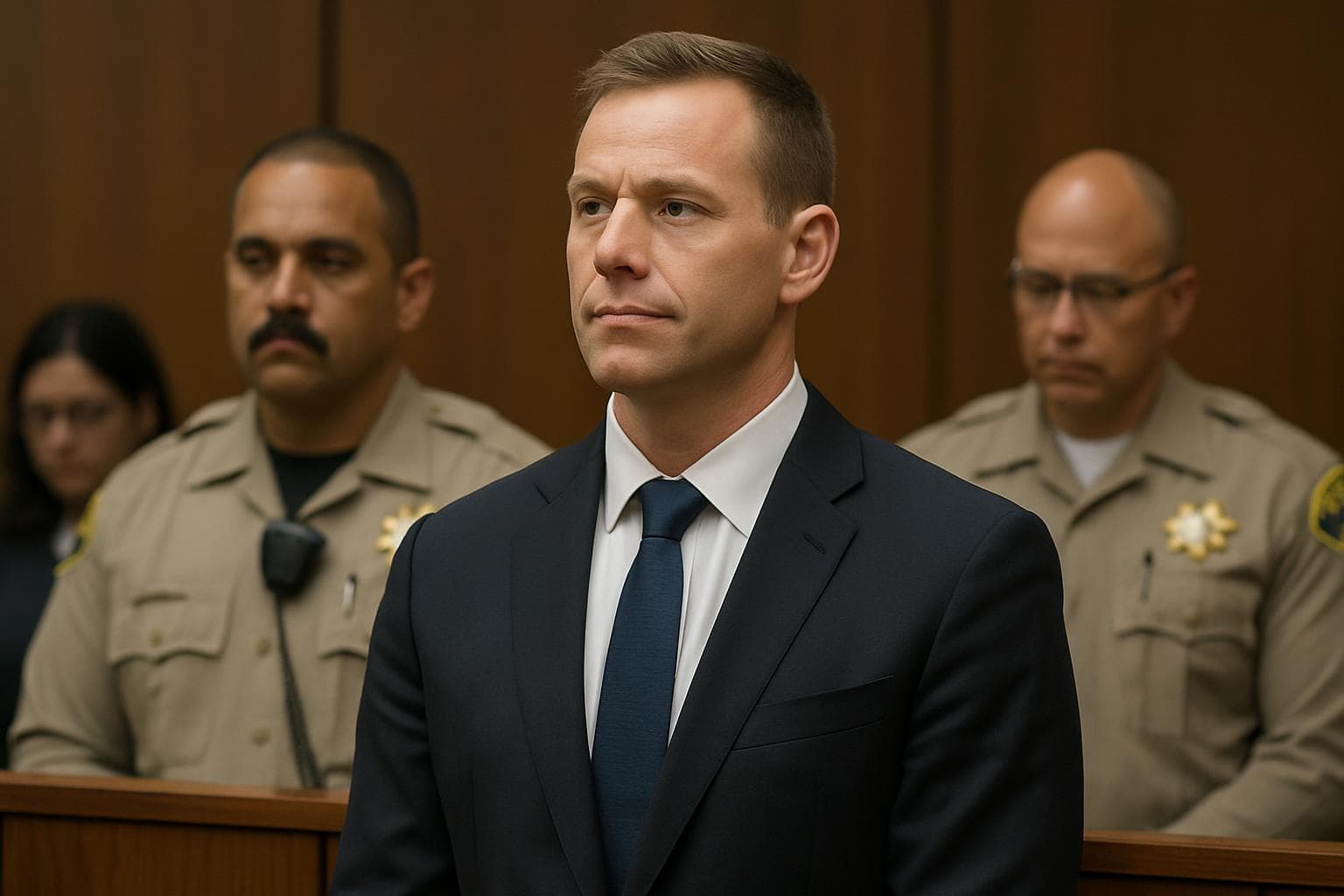
During his court appearance, Wedding maintained a calm demeanor, smiling at his attorney and the media. Despite the gravity of the charges, which include witness tampering and money laundering, he appeared without shackles, a detail that surprised some observers. His attorney, Anthony Colombo, emphasized that the indictments are not evidence but mere accusations, and he hinted at the possibility of requesting bail at a later date.
Allegations of a Drug Empire
US authorities allege that Wedding's criminal enterprise, which reportedly began after his release from a US federal prison in 2011, involved the distribution of cocaine from South America to North America. The operation is said to have generated over $1 billion annually, making it a significant supplier of cocaine to Canada. FBI Director Kash Patel has likened Wedding to infamous drug lords Joaquin "El Chapo" Guzman and Pablo Escobar, describing him as a modern-day narco-trafficker.
Disputed Arrest Narrative
Wedding was apprehended in Mexico, where he allegedly lived under the protection of the Sinaloa cartel. While Mexican authorities claimed he surrendered at the US embassy, Colombo refuted this narrative, asserting that Wedding was apprehended. The FBI had placed Wedding on its 10 Most Wanted list, offering a $15 million reward for information leading to his capture.
Upcoming Legal Proceedings
Wedding's next court appearance is scheduled for 11 February, with his trial set to commence on 24 March. As the legal proceedings unfold, the case continues to draw significant attention due to its high-profile nature and the serious allegations involved.
WHAT THIS MIGHT MEAN
As Ryan Wedding's case progresses, the legal implications could be substantial, not only for him but also for the broader network allegedly involved in his operations. If convicted, Wedding could face a lengthy prison sentence, potentially dismantling the alleged drug trafficking network. The case also highlights the ongoing battle against international drug cartels, with authorities aiming to curb the flow of narcotics into North America. Security experts remain skeptical of comparisons to figures like El Chapo, suggesting that while Wedding's alleged activities are significant, they may not reach the same level of influence or control. The outcome of this trial could set a precedent for future cases involving transnational crime and cooperation between US and Canadian law enforcement agencies.
Related Articles

Armed Intruder Fatally Shot at Mar-a-Lago by Secret Service

OpenAI's Missed Warning: Tumbler Ridge Shooting Raises Questions on AI's Role in Violence Prevention

UK Police Intensify Investigation into Andrew Mountbatten-Windsor Amid Misconduct Allegations
US Supreme Court Ruling on Trump's Tariffs Sparks Trade Policy Uncertainty
Trump's Tariff Strategy Faces Supreme Court Setback, New Measures Announced
Trump's Tariff Strategy Faces Supreme Court Setback, Sparks New Trade Policy
Former Olympian Ryan Wedding Denies Drug Kingpin Charges in US Court
In This Article
 Sofia Romano| Published
 HIGHLIGHTS
- Former Olympic snowboarder Ryan Wedding has pleaded not guilty to 17 felony charges, including drug trafficking and conspiracy to commit murder.
- Wedding, accused of leading a transnational drug cartel, was arrested in Mexico and appeared in a California court without shackles.
- Authorities allege Wedding's operation, linked to the Sinaloa cartel, trafficked cocaine worth over $1 billion annually.
- Wedding's attorney disputes claims that he surrendered, asserting that the indictments are merely accusations.
- The next court date is set for 11 February, with the trial scheduled to begin on 24 March.
Ryan Wedding, a former Olympic snowboarder from Canada, has pleaded not guilty to a series of serious charges, including drug trafficking and conspiracy to commit murder. The 44-year-old appeared in a Santa Ana, California courtroom on Monday, facing 17 felony counts. Wedding, who was once celebrated for his athletic prowess at the 2002 Winter Games, is now accused of leading a transnational drug cartel with ties to the notorious Sinaloa cartel.
Court Appearance and Charges
During his court appearance, Wedding maintained a calm demeanor, smiling at his attorney and the media. Despite the gravity of the charges, which include witness tampering and money laundering, he appeared without shackles, a detail that surprised some observers. His attorney, Anthony Colombo, emphasized that the indictments are not evidence but mere accusations, and he hinted at the possibility of requesting bail at a later date.
Allegations of a Drug Empire
US authorities allege that Wedding's criminal enterprise, which reportedly began after his release from a US federal prison in 2011, involved the distribution of cocaine from South America to North America. The operation is said to have generated over $1 billion annually, making it a significant supplier of cocaine to Canada. FBI Director Kash Patel has likened Wedding to infamous drug lords Joaquin "El Chapo" Guzman and Pablo Escobar, describing him as a modern-day narco-trafficker.
Disputed Arrest Narrative
Wedding was apprehended in Mexico, where he allegedly lived under the protection of the Sinaloa cartel. While Mexican authorities claimed he surrendered at the US embassy, Colombo refuted this narrative, asserting that Wedding was apprehended. The FBI had placed Wedding on its 10 Most Wanted list, offering a $15 million reward for information leading to his capture.
Upcoming Legal Proceedings
Wedding's next court appearance is scheduled for 11 February, with his trial set to commence on 24 March. As the legal proceedings unfold, the case continues to draw significant attention due to its high-profile nature and the serious allegations involved.
WHAT THIS MIGHT MEAN
As Ryan Wedding's case progresses, the legal implications could be substantial, not only for him but also for the broader network allegedly involved in his operations. If convicted, Wedding could face a lengthy prison sentence, potentially dismantling the alleged drug trafficking network. The case also highlights the ongoing battle against international drug cartels, with authorities aiming to curb the flow of narcotics into North America. Security experts remain skeptical of comparisons to figures like El Chapo, suggesting that while Wedding's alleged activities are significant, they may not reach the same level of influence or control. The outcome of this trial could set a precedent for future cases involving transnational crime and cooperation between US and Canadian law enforcement agencies.
Related Articles
Armed Intruder Fatally Shot at Mar-a-Lago by Secret Service
OpenAI's Missed Warning: Tumbler Ridge Shooting Raises Questions on AI's Role in Violence Prevention
UK Police Intensify Investigation into Andrew Mountbatten-Windsor Amid Misconduct Allegations
US Supreme Court Ruling on Trump's Tariffs Sparks Trade Policy Uncertainty
Trump's Tariff Strategy Faces Supreme Court Setback, New Measures Announced
Trump's Tariff Strategy Faces Supreme Court Setback, Sparks New Trade Policy