
Misidentification at Sainsbury's Sparks Privacy Concerns Over Facial Recognition Technology
In This Article
HIGHLIGHTS
- Warren Rajah was mistakenly ejected from a Sainsbury's store in London due to a misidentification by staff using facial recognition technology.
- Sainsbury's has apologized, attributing the incident to human error, not a failure of the Facewatch system.
- Rajah expressed concerns over privacy and the potential impact on vulnerable customers, describing the experience as "Orwellian."
- Facewatch confirmed Rajah was not on their database, requiring him to provide personal identification to verify this.
- The incident highlights ongoing debates about privacy and the use of facial recognition technology in retail environments.
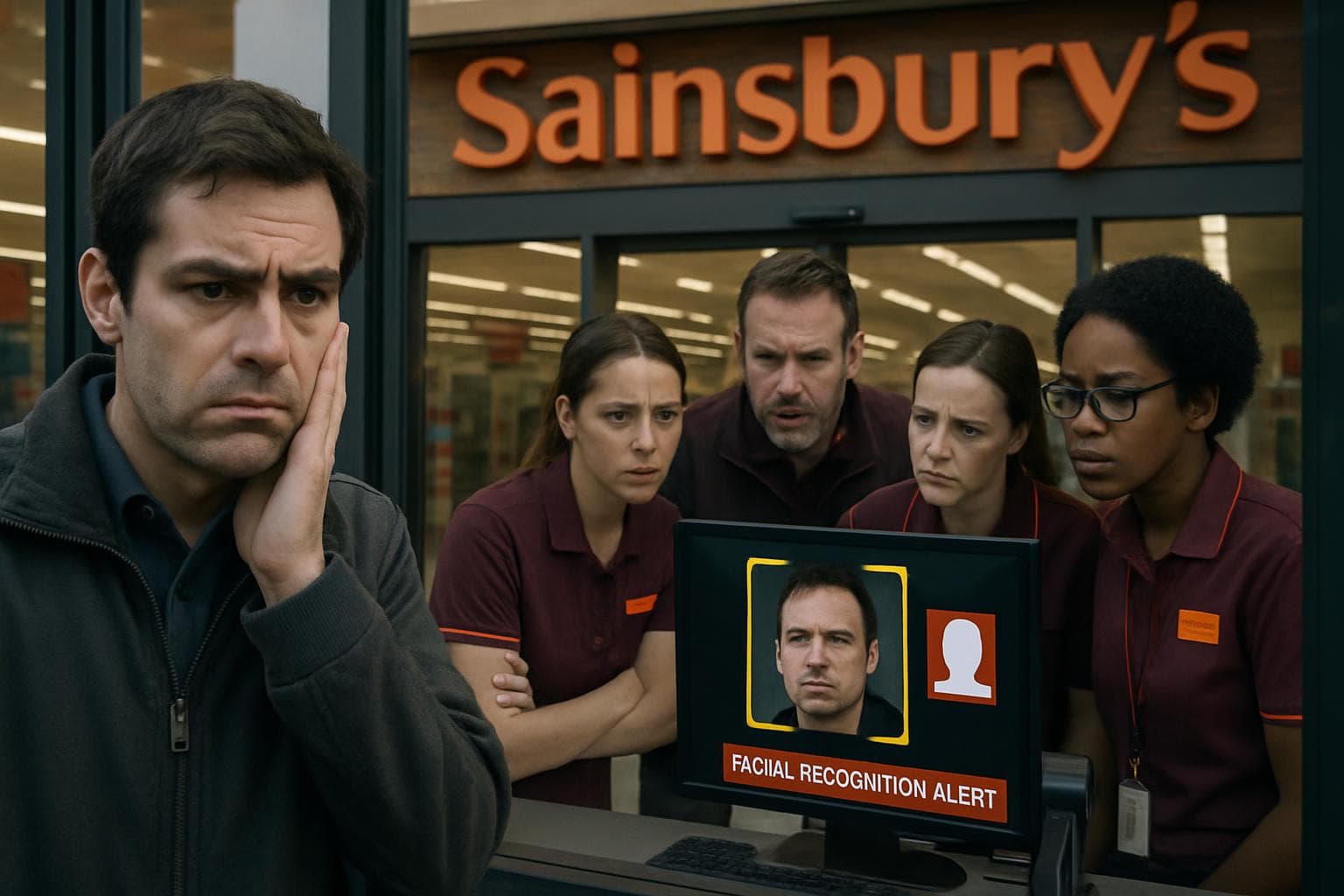
In a troubling incident that underscores the complexities of facial recognition technology, Warren Rajah, a data professional, was mistakenly asked to leave a Sainsbury's supermarket in Elephant and Castle, London. The incident, which Rajah described as "Orwellian," occurred after store staff misidentified him as an offender flagged by the controversial Facewatch system.
The Incident and Apology
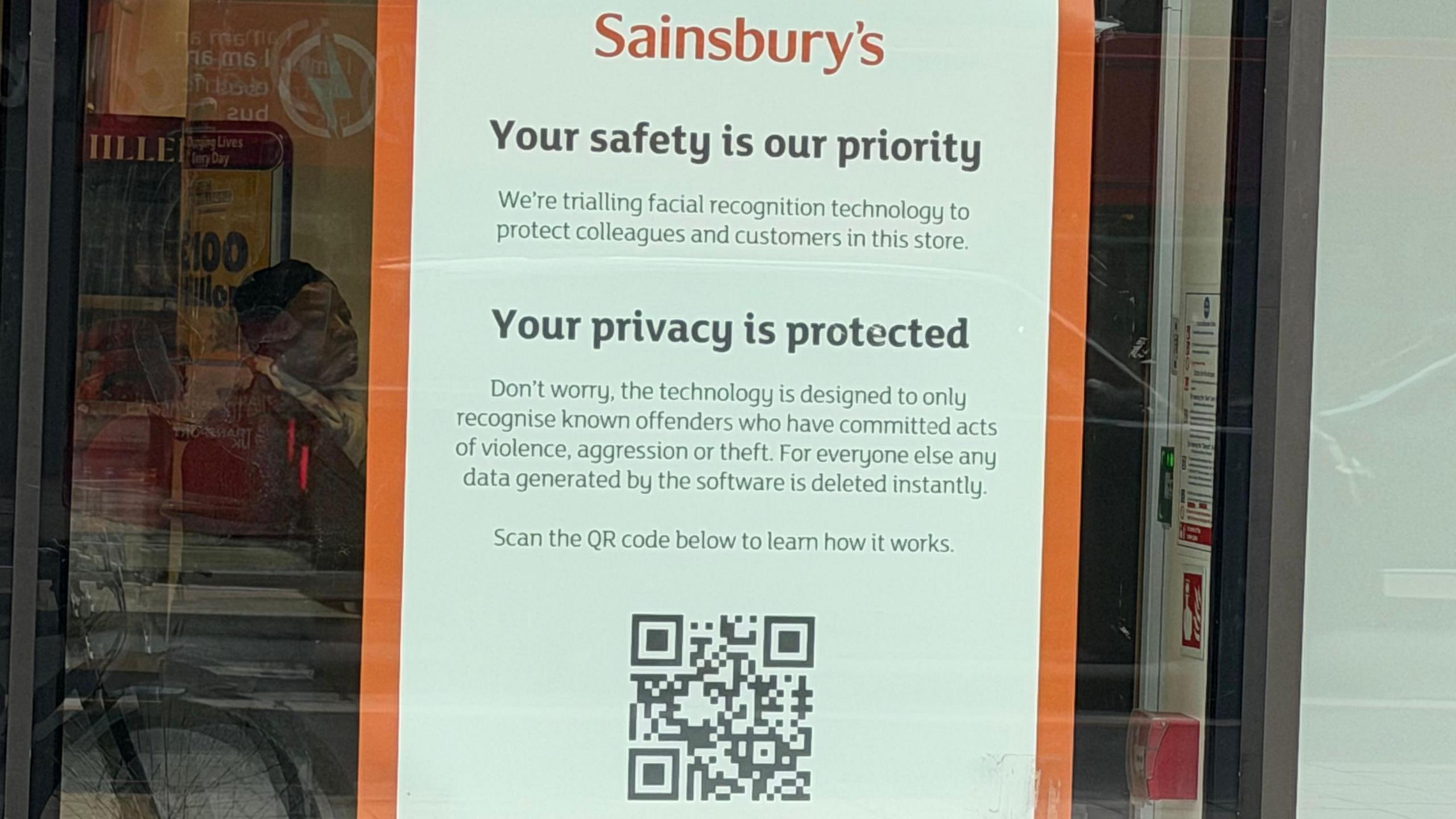
Rajah was approached by three Sainsbury's employees, including a security guard, who instructed him to abandon his shopping and leave the premises. Despite his inquiries, staff could not provide a clear explanation, instead directing him to a QR code linked to Facewatch's website. After contacting Facewatch, Rajah was required to submit a photograph and a copy of his passport to confirm he was not on their database. Both Sainsbury's and Facewatch have since apologized, with Sainsbury's attributing the incident to human error rather than a technological fault.
Privacy and Vulnerability Concerns
The incident has raised significant privacy concerns, particularly regarding the handling of personal data. Rajah questioned the necessity of proving his innocence and expressed fears about the potential impact on vulnerable individuals, such as those with learning disabilities, who may struggle to navigate such systems. "Imagine how mentally debilitating this could be to someone vulnerable, after that kind of public humiliation," he remarked.
Broader Implications
This case is not isolated, as similar incidents have occurred elsewhere, highlighting the potential pitfalls of relying on facial recognition technology in retail settings. Critics argue that such systems can lead to privacy infringements and misidentifications, raising questions about their implementation and oversight.
WHAT THIS MIGHT MEAN
The incident at Sainsbury's may prompt a reevaluation of the use of facial recognition technology in retail environments, particularly concerning privacy and data protection. Legal experts suggest that stricter regulations and clearer guidelines may be necessary to prevent similar occurrences in the future. Additionally, retailers may need to invest in better staff training to ensure the technology is used responsibly and accurately. As public scrutiny intensifies, companies employing such systems will likely face increased pressure to demonstrate transparency and accountability in their operations.
Images from the Web





Misidentification at Sainsbury's Sparks Privacy Concerns Over Facial Recognition Technology
In This Article
 Sofia Romano| Published
 HIGHLIGHTS
- Warren Rajah was mistakenly ejected from a Sainsbury's store in London due to a misidentification by staff using facial recognition technology.
- Sainsbury's has apologized, attributing the incident to human error, not a failure of the Facewatch system.
- Rajah expressed concerns over privacy and the potential impact on vulnerable customers, describing the experience as "Orwellian."
- Facewatch confirmed Rajah was not on their database, requiring him to provide personal identification to verify this.
- The incident highlights ongoing debates about privacy and the use of facial recognition technology in retail environments.
In a troubling incident that underscores the complexities of facial recognition technology, Warren Rajah, a data professional, was mistakenly asked to leave a Sainsbury's supermarket in Elephant and Castle, London. The incident, which Rajah described as "Orwellian," occurred after store staff misidentified him as an offender flagged by the controversial Facewatch system.
The Incident and Apology
Rajah was approached by three Sainsbury's employees, including a security guard, who instructed him to abandon his shopping and leave the premises. Despite his inquiries, staff could not provide a clear explanation, instead directing him to a QR code linked to Facewatch's website. After contacting Facewatch, Rajah was required to submit a photograph and a copy of his passport to confirm he was not on their database. Both Sainsbury's and Facewatch have since apologized, with Sainsbury's attributing the incident to human error rather than a technological fault.
Privacy and Vulnerability Concerns
The incident has raised significant privacy concerns, particularly regarding the handling of personal data. Rajah questioned the necessity of proving his innocence and expressed fears about the potential impact on vulnerable individuals, such as those with learning disabilities, who may struggle to navigate such systems. "Imagine how mentally debilitating this could be to someone vulnerable, after that kind of public humiliation," he remarked.
Broader Implications
This case is not isolated, as similar incidents have occurred elsewhere, highlighting the potential pitfalls of relying on facial recognition technology in retail settings. Critics argue that such systems can lead to privacy infringements and misidentifications, raising questions about their implementation and oversight.
WHAT THIS MIGHT MEAN
The incident at Sainsbury's may prompt a reevaluation of the use of facial recognition technology in retail environments, particularly concerning privacy and data protection. Legal experts suggest that stricter regulations and clearer guidelines may be necessary to prevent similar occurrences in the future. Additionally, retailers may need to invest in better staff training to ensure the technology is used responsibly and accurately. As public scrutiny intensifies, companies employing such systems will likely face increased pressure to demonstrate transparency and accountability in their operations.
Images from the Web