
San Francisco Sues Food Giants Over Ultra-Processed Foods
In This Article
HIGHLIGHTS
- San Francisco has filed a groundbreaking lawsuit against ten major food companies over the marketing of ultra-processed foods.
- The lawsuit claims these companies have contributed to a public health crisis by selling products linked to chronic diseases.
- Companies like Kraft Heinz and Coca-Cola are accused of violating California's public nuisance and unfair competition laws.
- The city seeks monetary penalties and changes in marketing practices to address the health impacts of these foods.
- The case highlights a rare alignment between San Francisco officials and the Trump administration on the issue of food regulation.
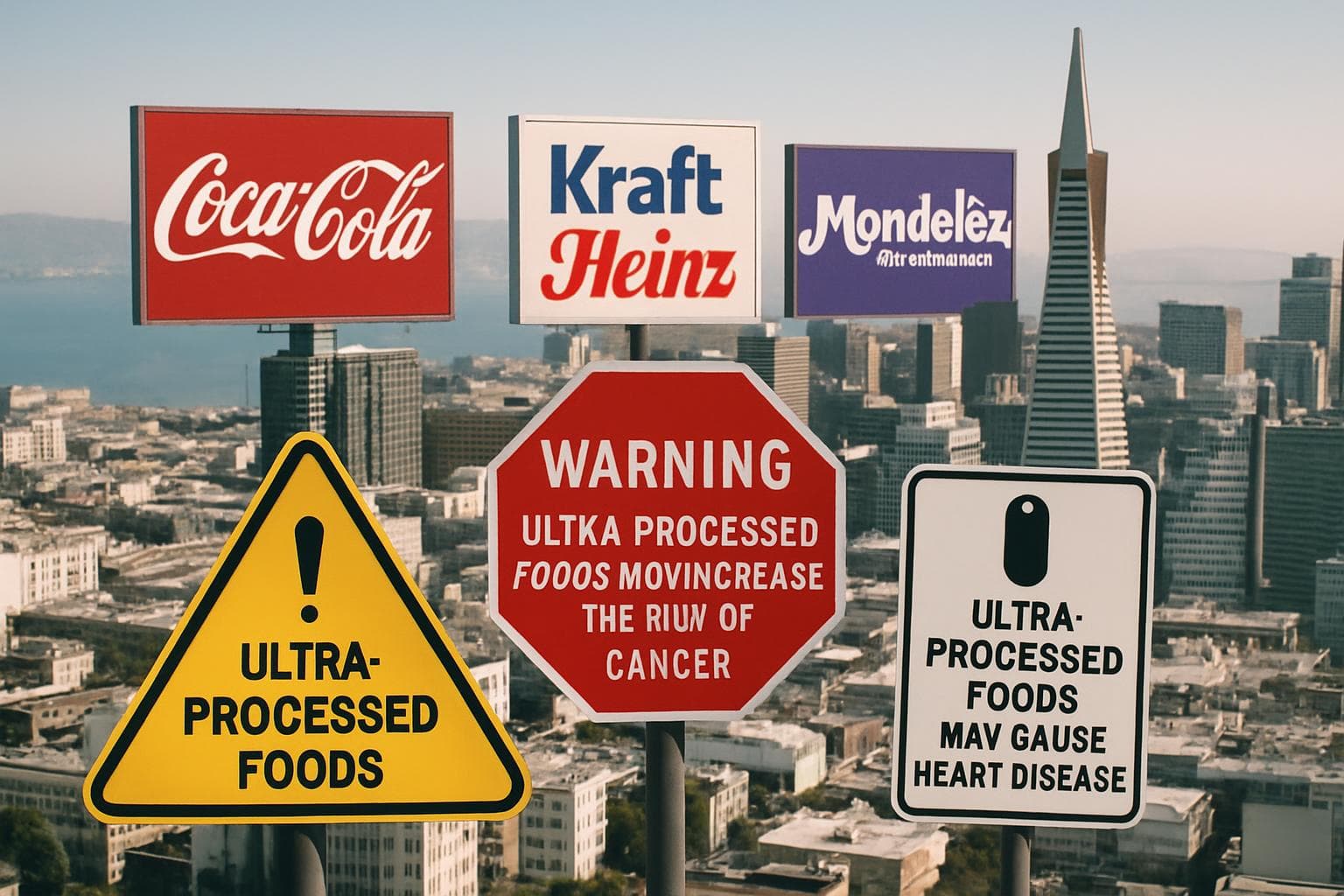
San Francisco has initiated a landmark legal battle against ten leading food manufacturers, accusing them of contributing to a public health crisis through the sale of ultra-processed foods. The lawsuit, filed on Tuesday in San Francisco Superior Court, targets industry giants such as Kraft Heinz, Mondelez, and Coca-Cola, alleging that their marketing practices violate California's public nuisance and unfair competition laws.
Allegations of Health Impact
The city claims that these companies have knowingly sold products linked to a surge in chronic diseases, including obesity, diabetes, and heart disease. San Francisco City Attorney David Chiu stated, "These companies engineered a public health crisis, they profited handsomely, and now they need to take responsibility for the harm they have caused." The lawsuit argues that the widespread availability of ultra-processed foods has coincided with a dramatic increase in serious health conditions.
Marketing Tactics Under Scrutiny
The complaint accuses the companies of deceptive marketing practices, likening their tactics to those of the tobacco industry. It seeks monetary penalties and a statewide order to change these practices. The lawsuit is the first of its kind filed by a government entity, highlighting the growing concern over the health implications of processed foods.
Industry Response and Broader Context
Sarah Gallo, senior vice president of product policy at the Consumer Brands Association, responded by emphasizing the lack of a scientific consensus on what constitutes ultra-processed foods. She argued that demonizing processed foods without considering their full nutrient content misleads consumers. Despite this, the lawsuit reflects a rare moment of agreement between San Francisco officials and the Trump administration, which has also called for stricter regulation of food ingredients.
A Global Health Concern
A recent global review found that ultra-processed foods pose a significant threat to global health, being linked to harm in every major organ system. The review suggests that corporate practices, rather than individual choices, are driving the rise of these foods, which are estimated to make up over 70% of the US food supply.
WHAT THIS MIGHT MEAN
The outcome of San Francisco's lawsuit could set a precedent for future legal actions against the food industry, potentially leading to stricter regulations on the marketing and composition of ultra-processed foods. If successful, it may encourage other cities and states to pursue similar legal avenues, amplifying the pressure on food companies to reformulate their products. Experts suggest that this case could catalyze broader discussions on public health policy and the role of government in regulating food industry practices. As the legal proceedings unfold, the food industry may face increased scrutiny and calls for transparency in how they market and produce their products.
Related Articles

China Sets Lowest GDP Growth Target in Decades Amid Economic Challenges

Tech Giants Pledge to Cover AI Data Center Energy Costs Amid Rising Electricity Concerns

Elon Musk Defends Tweets in Twitter Takeover Trial
Cuba Faces Widespread Blackout Amid Deepening Fuel Crisis

UK Faces Dilemmas Amid Iran Conflict and China Spying Allegations

Google Faces Legal Battle Over AI Chatbot's Alleged Role in Tragic Death
San Francisco Sues Food Giants Over Ultra-Processed Foods
In This Article
 Daniel Rivera| Published
 HIGHLIGHTS
- San Francisco has filed a groundbreaking lawsuit against ten major food companies over the marketing of ultra-processed foods.
- The lawsuit claims these companies have contributed to a public health crisis by selling products linked to chronic diseases.
- Companies like Kraft Heinz and Coca-Cola are accused of violating California's public nuisance and unfair competition laws.
- The city seeks monetary penalties and changes in marketing practices to address the health impacts of these foods.
- The case highlights a rare alignment between San Francisco officials and the Trump administration on the issue of food regulation.
San Francisco has initiated a landmark legal battle against ten leading food manufacturers, accusing them of contributing to a public health crisis through the sale of ultra-processed foods. The lawsuit, filed on Tuesday in San Francisco Superior Court, targets industry giants such as Kraft Heinz, Mondelez, and Coca-Cola, alleging that their marketing practices violate California's public nuisance and unfair competition laws.
Allegations of Health Impact
The city claims that these companies have knowingly sold products linked to a surge in chronic diseases, including obesity, diabetes, and heart disease. San Francisco City Attorney David Chiu stated, "These companies engineered a public health crisis, they profited handsomely, and now they need to take responsibility for the harm they have caused." The lawsuit argues that the widespread availability of ultra-processed foods has coincided with a dramatic increase in serious health conditions.
Marketing Tactics Under Scrutiny
The complaint accuses the companies of deceptive marketing practices, likening their tactics to those of the tobacco industry. It seeks monetary penalties and a statewide order to change these practices. The lawsuit is the first of its kind filed by a government entity, highlighting the growing concern over the health implications of processed foods.
Industry Response and Broader Context
Sarah Gallo, senior vice president of product policy at the Consumer Brands Association, responded by emphasizing the lack of a scientific consensus on what constitutes ultra-processed foods. She argued that demonizing processed foods without considering their full nutrient content misleads consumers. Despite this, the lawsuit reflects a rare moment of agreement between San Francisco officials and the Trump administration, which has also called for stricter regulation of food ingredients.
A Global Health Concern
A recent global review found that ultra-processed foods pose a significant threat to global health, being linked to harm in every major organ system. The review suggests that corporate practices, rather than individual choices, are driving the rise of these foods, which are estimated to make up over 70% of the US food supply.
WHAT THIS MIGHT MEAN
The outcome of San Francisco's lawsuit could set a precedent for future legal actions against the food industry, potentially leading to stricter regulations on the marketing and composition of ultra-processed foods. If successful, it may encourage other cities and states to pursue similar legal avenues, amplifying the pressure on food companies to reformulate their products. Experts suggest that this case could catalyze broader discussions on public health policy and the role of government in regulating food industry practices. As the legal proceedings unfold, the food industry may face increased scrutiny and calls for transparency in how they market and produce their products.
Related Articles
China Sets Lowest GDP Growth Target in Decades Amid Economic Challenges
Tech Giants Pledge to Cover AI Data Center Energy Costs Amid Rising Electricity Concerns
Elon Musk Defends Tweets in Twitter Takeover Trial
Cuba Faces Widespread Blackout Amid Deepening Fuel Crisis
UK Faces Dilemmas Amid Iran Conflict and China Spying Allegations
Google Faces Legal Battle Over AI Chatbot's Alleged Role in Tragic Death