
Inquiry Reveals Alleged SAS War Crimes Cover-Up by UK Special Forces Leadership
In This Article
HIGHLIGHTS
- A former senior officer, known as N1466, testified that UK Special Forces suppressed evidence of SAS war crimes in Afghanistan.
- Allegations include unlawful killings of 80 people, including children, by SAS units between 2011 and 2013.
- The inquiry, led by Lord Justice Haddon-Cave, was launched following BBC Panorama's 2022 report on suspicious SAS activities.
- N1466 claims the directors of special forces ignored and covered up evidence, failing to report to the Royal Military Police.
- The inquiry aims to uncover the extent of the alleged cover-up and bring justice to affected Afghan families.
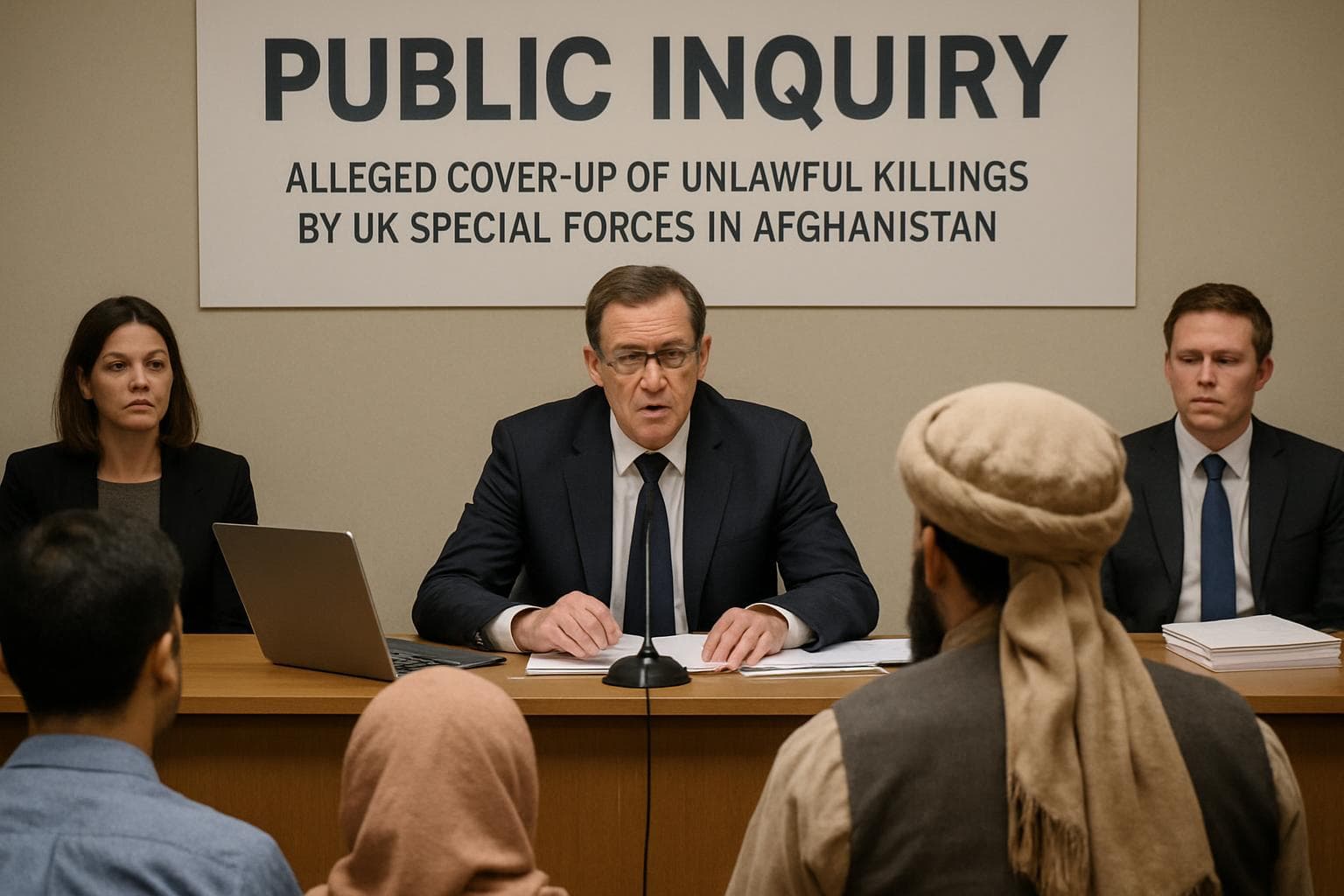
Allegations of a cover-up involving potential war crimes by the UK Special Forces in Afghanistan have emerged, as a public inquiry hears testimony from a former high-ranking officer. The officer, identified only as N1466, claims that evidence of unlawful killings by the SAS was deliberately suppressed by senior military officials.
Allegations of Unlawful Killings
The inquiry, led by Lord Justice Haddon-Cave, is examining claims that SAS units were involved in the extrajudicial killings of 80 individuals, including two children, during operations in Afghanistan from 2011 to 2013. These allegations were first brought to light by a BBC Panorama investigation in 2022, which reported suspicious deaths of 54 detainees and unarmed men during a six-month SAS tour.
Whistleblower Testimony
N1466 testified that he raised concerns about potential war crimes as early as February 2011, after observing suspicious patterns in SAS reports. He noted that the number of deaths did not correspond with the weapons recovered, suggesting unlawful conduct. Despite these warnings, the directors of special forces at the time, including General Sir Mark Carleton-Smith, allegedly failed to act and did not report the incidents to the Royal Military Police, as required by British law.
Cover-Up Allegations
The whistleblower accused the then-director of special forces of conducting a superficial review of tactics to avoid scrutiny, rather than addressing the root issue of intent to kill. N1466's return to the special forces in 2014 revealed that the alleged unlawful killings had continued, further shocking him. The inquiry is now tasked with uncovering the full extent of the alleged cover-up and ensuring accountability.
Impact on Afghan Families
The testimony also highlighted the tragic impact on Afghan families, such as the case of Imran and Bilal, two children reportedly shot in their beds during a night raid in 2012. Their uncle, Aziz, appealed to the inquiry for justice, emphasizing the ongoing grief experienced by the family.
WHAT THIS MIGHT MEAN
The inquiry led by Lord Justice Haddon-Cave could have significant implications for the UK military, potentially leading to legal actions against those involved in the alleged cover-up. If the allegations are substantiated, it may prompt a reevaluation of military oversight and accountability mechanisms. Furthermore, the inquiry's findings could influence international perceptions of the UK's military conduct, impacting diplomatic relations and future military engagements. As the investigation progresses, it remains crucial for the inquiry to maintain transparency and deliver justice to the affected Afghan families.
Related Articles
Prince Andrew Under Scrutiny for Alleged Breach of Confidentiality in Epstein Scandal
Deadly Suicide Bombing at Islamabad Mosque Claims Over 30 Lives
Prince Harry and Global Leaders Condemn Trump's Remarks on Nato Troops in Afghanistan
Trump's NATO Comments Spark Outrage Among UK Leaders and Families of Fallen Soldiers
Trump's NATO Remarks on Afghanistan Spark Outrage Among UK Politicians and Veterans
Trump's NATO Comments Ignite Backlash from Veterans and Allies
Inquiry Reveals Alleged SAS War Crimes Cover-Up by UK Special Forces Leadership
In This Article
 Ethan Brooks| Published
 HIGHLIGHTS
- A former senior officer, known as N1466, testified that UK Special Forces suppressed evidence of SAS war crimes in Afghanistan.
- Allegations include unlawful killings of 80 people, including children, by SAS units between 2011 and 2013.
- The inquiry, led by Lord Justice Haddon-Cave, was launched following BBC Panorama's 2022 report on suspicious SAS activities.
- N1466 claims the directors of special forces ignored and covered up evidence, failing to report to the Royal Military Police.
- The inquiry aims to uncover the extent of the alleged cover-up and bring justice to affected Afghan families.
Allegations of a cover-up involving potential war crimes by the UK Special Forces in Afghanistan have emerged, as a public inquiry hears testimony from a former high-ranking officer. The officer, identified only as N1466, claims that evidence of unlawful killings by the SAS was deliberately suppressed by senior military officials.
Allegations of Unlawful Killings
The inquiry, led by Lord Justice Haddon-Cave, is examining claims that SAS units were involved in the extrajudicial killings of 80 individuals, including two children, during operations in Afghanistan from 2011 to 2013. These allegations were first brought to light by a BBC Panorama investigation in 2022, which reported suspicious deaths of 54 detainees and unarmed men during a six-month SAS tour.
Whistleblower Testimony
N1466 testified that he raised concerns about potential war crimes as early as February 2011, after observing suspicious patterns in SAS reports. He noted that the number of deaths did not correspond with the weapons recovered, suggesting unlawful conduct. Despite these warnings, the directors of special forces at the time, including General Sir Mark Carleton-Smith, allegedly failed to act and did not report the incidents to the Royal Military Police, as required by British law.
Cover-Up Allegations
The whistleblower accused the then-director of special forces of conducting a superficial review of tactics to avoid scrutiny, rather than addressing the root issue of intent to kill. N1466's return to the special forces in 2014 revealed that the alleged unlawful killings had continued, further shocking him. The inquiry is now tasked with uncovering the full extent of the alleged cover-up and ensuring accountability.
Impact on Afghan Families
The testimony also highlighted the tragic impact on Afghan families, such as the case of Imran and Bilal, two children reportedly shot in their beds during a night raid in 2012. Their uncle, Aziz, appealed to the inquiry for justice, emphasizing the ongoing grief experienced by the family.
WHAT THIS MIGHT MEAN
The inquiry led by Lord Justice Haddon-Cave could have significant implications for the UK military, potentially leading to legal actions against those involved in the alleged cover-up. If the allegations are substantiated, it may prompt a reevaluation of military oversight and accountability mechanisms. Furthermore, the inquiry's findings could influence international perceptions of the UK's military conduct, impacting diplomatic relations and future military engagements. As the investigation progresses, it remains crucial for the inquiry to maintain transparency and deliver justice to the affected Afghan families.
Related Articles
Prince Andrew Under Scrutiny for Alleged Breach of Confidentiality in Epstein Scandal
Deadly Suicide Bombing at Islamabad Mosque Claims Over 30 Lives
Prince Harry and Global Leaders Condemn Trump's Remarks on Nato Troops in Afghanistan
Trump's NATO Comments Spark Outrage Among UK Leaders and Families of Fallen Soldiers
Trump's NATO Remarks on Afghanistan Spark Outrage Among UK Politicians and Veterans
Trump's NATO Comments Ignite Backlash from Veterans and Allies