
Trump's NATO Remarks on Afghanistan Spark Outrage Among UK Politicians and Veterans
In This Article
HIGHLIGHTS
- Donald Trump claimed NATO troops stayed "off the front lines" in Afghanistan, sparking outrage among UK politicians and veterans.
- Critics, including Labour MP Emily Thornberry, labeled Trump's remarks as an "absolute insult" to the 457 British personnel killed in the conflict.
- Trump questioned NATO's willingness to defend the US, despite the alliance's collective security clause invoked after 9/11.
- NATO Secretary General Mark Rutte and other European leaders rejected Trump's claims, emphasizing the sacrifices made by non-US troops.
- The controversy highlights ongoing tensions between the US and its NATO allies regarding mutual defense commitments.
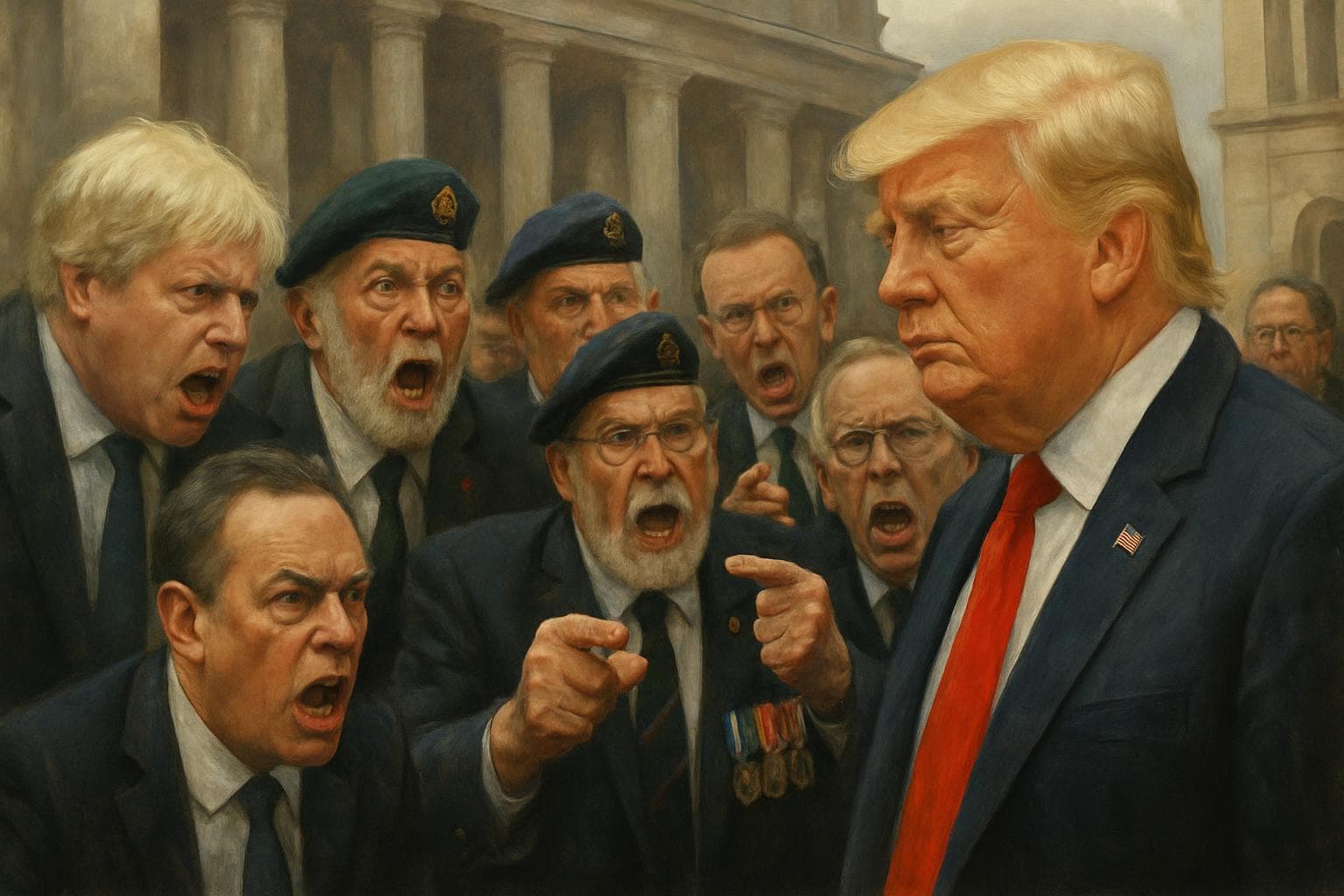
Former US President Donald Trump has ignited a wave of criticism in the United Kingdom following his controversial remarks about NATO troops' involvement in the Afghanistan war. In a recent interview with Fox News, Trump suggested that NATO forces "stayed a little back, a little off the front lines" during the conflict, a statement that has been met with widespread condemnation from British politicians and military veterans.
UK Politicians Condemn Trump's Comments
Labour MP Emily Thornberry, chair of the Foreign Affairs Committee, described Trump's comments as an "absolute insult" to the 457 British service personnel who lost their lives in Afghanistan. "How dare he say we weren't on the front line?" Thornberry exclaimed, emphasizing the UK's unwavering support for the US in military endeavors. Conservative MP Ben Obese-Jecty, who served in Afghanistan, echoed these sentiments, expressing disappointment over the perceived devaluation of NATO allies' sacrifices.
NATO's Role and Sacrifices
The Afghanistan conflict, which followed the invocation of NATO's mutual defense clause after the 9/11 attacks, saw significant contributions from non-US NATO members. A total of 3,486 NATO troops died during the 20-year conflict, including 457 British and 165 Canadian personnel. NATO Secretary General Mark Rutte and other European leaders have refuted Trump's claims, highlighting the bloodshed and commitment of European forces alongside US troops.
Ongoing Tensions in US-NATO Relations
Trump's comments have further strained relations between the US and its NATO allies. He has repeatedly questioned the alliance's readiness to defend the US, despite NATO's foundational principle of collective security. Trump's remarks have been criticized as undermining the alliance's unity and the sacrifices made by its members.
WHAT THIS MIGHT MEAN
The fallout from Trump's comments could have lasting implications for US-NATO relations. As the alliance grapples with internal divisions, questions about mutual defense commitments may resurface, potentially affecting future military collaborations. Experts suggest that reaffirming NATO's collective security clause and recognizing the sacrifices of all member nations will be crucial in maintaining alliance cohesion. Additionally, political leaders on both sides of the Atlantic may need to engage in diplomatic efforts to rebuild trust and ensure the alliance's continued effectiveness in addressing global security challenges.
Related Articles
UK-Iran Tensions: Starmer Defends Cautious Approach Amid Trump Criticism
Diplomatic Tensions Rise as Trump Criticizes Starmer's Iran Policy

UK Faces Dilemmas Amid Iran Conflict and China Spying Allegations
UK Reinforces Military Presence in Cyprus Amid Middle East Tensions
Canada and Australia Forge Strategic Partnership Amid Global Uncertainty

Tech Giants Pledge to Cover AI Data Center Energy Costs Amid Rising Electricity Concerns
Trump's NATO Remarks on Afghanistan Spark Outrage Among UK Politicians and Veterans
In This Article
 Ethan Brooks| Published
 HIGHLIGHTS
- Donald Trump claimed NATO troops stayed "off the front lines" in Afghanistan, sparking outrage among UK politicians and veterans.
- Critics, including Labour MP Emily Thornberry, labeled Trump's remarks as an "absolute insult" to the 457 British personnel killed in the conflict.
- Trump questioned NATO's willingness to defend the US, despite the alliance's collective security clause invoked after 9/11.
- NATO Secretary General Mark Rutte and other European leaders rejected Trump's claims, emphasizing the sacrifices made by non-US troops.
- The controversy highlights ongoing tensions between the US and its NATO allies regarding mutual defense commitments.
Former US President Donald Trump has ignited a wave of criticism in the United Kingdom following his controversial remarks about NATO troops' involvement in the Afghanistan war. In a recent interview with Fox News, Trump suggested that NATO forces "stayed a little back, a little off the front lines" during the conflict, a statement that has been met with widespread condemnation from British politicians and military veterans.
UK Politicians Condemn Trump's Comments
Labour MP Emily Thornberry, chair of the Foreign Affairs Committee, described Trump's comments as an "absolute insult" to the 457 British service personnel who lost their lives in Afghanistan. "How dare he say we weren't on the front line?" Thornberry exclaimed, emphasizing the UK's unwavering support for the US in military endeavors. Conservative MP Ben Obese-Jecty, who served in Afghanistan, echoed these sentiments, expressing disappointment over the perceived devaluation of NATO allies' sacrifices.
NATO's Role and Sacrifices
The Afghanistan conflict, which followed the invocation of NATO's mutual defense clause after the 9/11 attacks, saw significant contributions from non-US NATO members. A total of 3,486 NATO troops died during the 20-year conflict, including 457 British and 165 Canadian personnel. NATO Secretary General Mark Rutte and other European leaders have refuted Trump's claims, highlighting the bloodshed and commitment of European forces alongside US troops.
Ongoing Tensions in US-NATO Relations
Trump's comments have further strained relations between the US and its NATO allies. He has repeatedly questioned the alliance's readiness to defend the US, despite NATO's foundational principle of collective security. Trump's remarks have been criticized as undermining the alliance's unity and the sacrifices made by its members.
WHAT THIS MIGHT MEAN
The fallout from Trump's comments could have lasting implications for US-NATO relations. As the alliance grapples with internal divisions, questions about mutual defense commitments may resurface, potentially affecting future military collaborations. Experts suggest that reaffirming NATO's collective security clause and recognizing the sacrifices of all member nations will be crucial in maintaining alliance cohesion. Additionally, political leaders on both sides of the Atlantic may need to engage in diplomatic efforts to rebuild trust and ensure the alliance's continued effectiveness in addressing global security challenges.
Related Articles
UK-Iran Tensions: Starmer Defends Cautious Approach Amid Trump Criticism
Diplomatic Tensions Rise as Trump Criticizes Starmer's Iran Policy
UK Faces Dilemmas Amid Iran Conflict and China Spying Allegations
UK Reinforces Military Presence in Cyprus Amid Middle East Tensions
Canada and Australia Forge Strategic Partnership Amid Global Uncertainty
Tech Giants Pledge to Cover AI Data Center Energy Costs Amid Rising Electricity Concerns