
Conservationists Unite to Rescue London's Endangered German Hairy Snail
In This Article
HIGHLIGHTS
- Conservationists and citizen scientists are collaborating to save the endangered German hairy snail in London.
- The species, found mainly along the River Thames, is one of the UK's most endangered molluscs.
- Surveys led by Citizen Zoo and ZSL aim to map the snail's distribution and inform conservation strategies.
- The project involves over 100 volunteers and focuses on habitat restoration and pollution management.
- The German hairy snail has been in the UK since at least the Neolithic era, possibly since the last Ice Age.
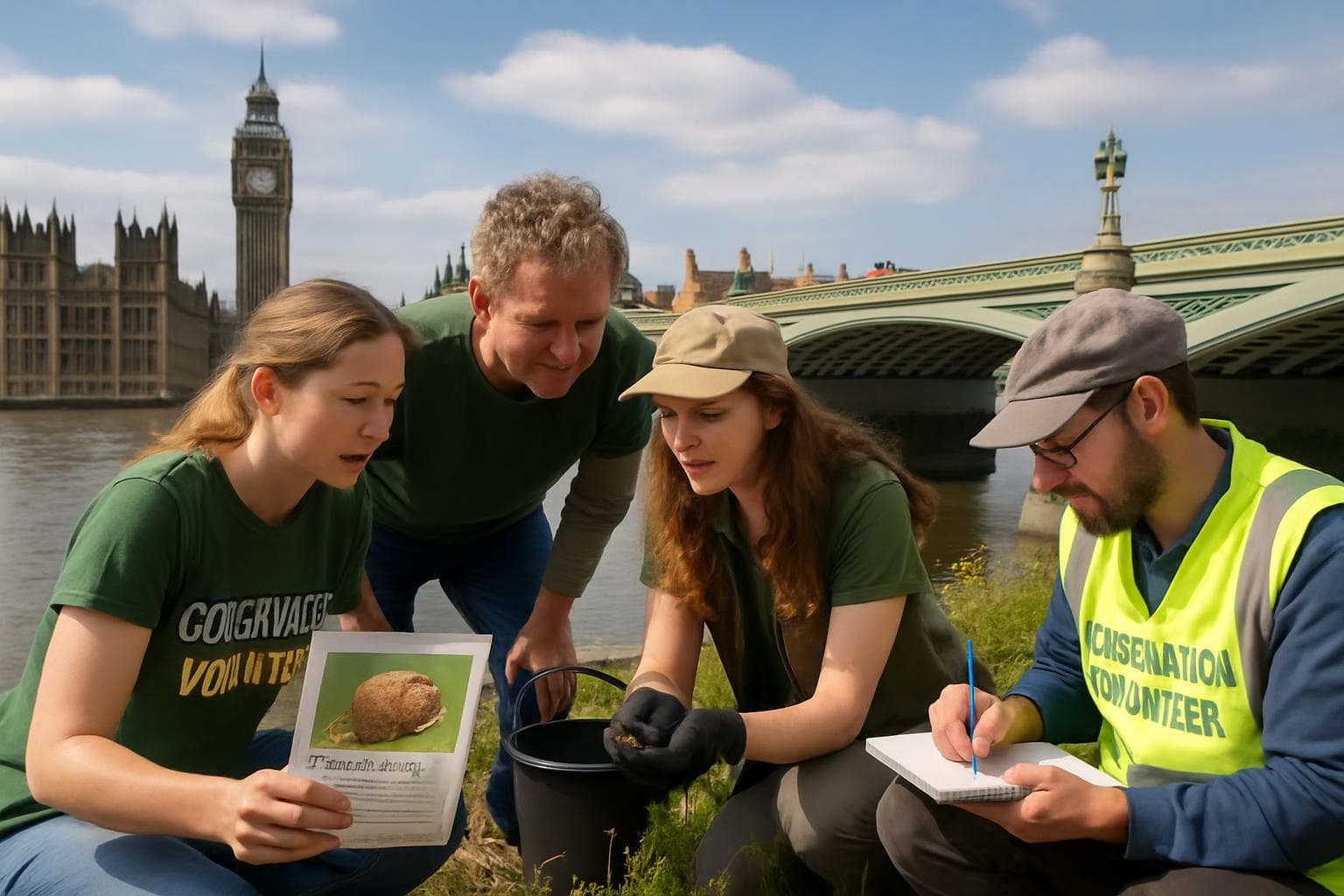
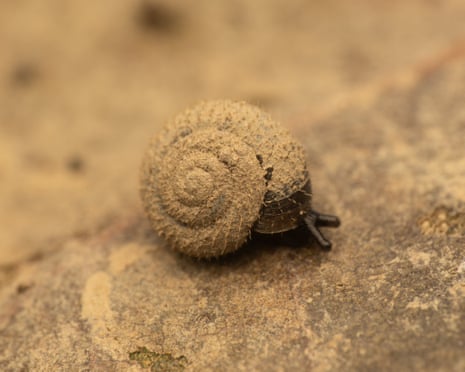
In a concerted effort to protect one of Britain's most endangered molluscs, conservationists and citizen scientists have launched a project to save the German hairy snail in London. This rare species, known for its distinctive tiny hairs, is primarily found in fragmented habitats along the River Thames.
The initiative, spearheaded by Citizen Zoo and the Zoological Society of London (ZSL), involves a series of surveys to better understand the snail's distribution across the capital. Over the past few months, more than 100 volunteers have been scouring known and potential sites, including areas in Newham, Richmond upon Thames, and Barnet, to identify the presence of this fingernail-sized creature.
Understanding the Snail's Habitat
The German hairy snail, scientifically named Pseudotrichia rubiginosa, was first recorded in the UK in 1982. However, fossil evidence suggests its presence dates back to the Neolithic era, possibly even to the last Ice Age when the Thames was connected to the Rhine. The snail's habitat is typically along the high-tide line of the Thames and its tributaries, where it clings to debris and plants.
Joe Pecorelli, freshwater conservation programme manager at ZSL, emphasized the importance of these surveys: "This charming little snail has called our riverbanks and wetlands home for thousands of years. Yet, it is sadly now very rare in the UK, potentially restricted to just a few sites along the Thames."
Conservation Strategies and Community Involvement
The project aims to build a comprehensive picture of the snail's current range and explore strategies for habitat restoration and pollution management. Elliot Newton, director of rewilding at Citizen Zoo, highlighted the project's broader impact: "The German hairy snail is a species that helps spark imagination and open people's minds to the curious and diverse wildlife that can thrive across Greater London."
The collaborative effort, supported by partners such as the London Wildlife Trust and the Conchological Society of Great Britain, underscores the importance of community involvement in conservation. By empowering local communities, the project seeks to protect not only the German hairy snail but also the green spaces that are vital for London's biodiversity.
WHAT THIS MIGHT MEAN
The ongoing surveys and conservation efforts could significantly impact the future of the German hairy snail in London. If successful, the project may serve as a model for similar conservation initiatives across the UK, highlighting the importance of community involvement in preserving endangered species. Additionally, the findings could inform broader biodiversity strategies, potentially influencing policy decisions related to habitat restoration and pollution management. As the project progresses, it will be crucial to monitor the snail's population and adapt strategies to ensure its long-term survival.
Images from the Web
Related Articles

UK Government to Reform Asylum Seeker Support and Employment Policies

UK Faces Dilemmas Amid Iran Conflict and China Spying Allegations

UK Reinforces Military Presence in Cyprus Amid Middle East Tensions

Labour MP's Husband Arrested in UK-China Espionage Probe

UK-Iran Tensions: Starmer Defends Cautious Approach Amid Trump Criticism

Persistent Safety Concerns in Nottingham Maternity Services Amidst Calls for Systemic Reform
Conservationists Unite to Rescue London's Endangered German Hairy Snail
In This Article
 Ethan Brooks| Published
 HIGHLIGHTS
- Conservationists and citizen scientists are collaborating to save the endangered German hairy snail in London.
- The species, found mainly along the River Thames, is one of the UK's most endangered molluscs.
- Surveys led by Citizen Zoo and ZSL aim to map the snail's distribution and inform conservation strategies.
- The project involves over 100 volunteers and focuses on habitat restoration and pollution management.
- The German hairy snail has been in the UK since at least the Neolithic era, possibly since the last Ice Age.
In a concerted effort to protect one of Britain's most endangered molluscs, conservationists and citizen scientists have launched a project to save the German hairy snail in London. This rare species, known for its distinctive tiny hairs, is primarily found in fragmented habitats along the River Thames.
The initiative, spearheaded by Citizen Zoo and the Zoological Society of London (ZSL), involves a series of surveys to better understand the snail's distribution across the capital. Over the past few months, more than 100 volunteers have been scouring known and potential sites, including areas in Newham, Richmond upon Thames, and Barnet, to identify the presence of this fingernail-sized creature.
Understanding the Snail's Habitat
The German hairy snail, scientifically named Pseudotrichia rubiginosa, was first recorded in the UK in 1982. However, fossil evidence suggests its presence dates back to the Neolithic era, possibly even to the last Ice Age when the Thames was connected to the Rhine. The snail's habitat is typically along the high-tide line of the Thames and its tributaries, where it clings to debris and plants.
Joe Pecorelli, freshwater conservation programme manager at ZSL, emphasized the importance of these surveys: "This charming little snail has called our riverbanks and wetlands home for thousands of years. Yet, it is sadly now very rare in the UK, potentially restricted to just a few sites along the Thames."
Conservation Strategies and Community Involvement
The project aims to build a comprehensive picture of the snail's current range and explore strategies for habitat restoration and pollution management. Elliot Newton, director of rewilding at Citizen Zoo, highlighted the project's broader impact: "The German hairy snail is a species that helps spark imagination and open people's minds to the curious and diverse wildlife that can thrive across Greater London."
The collaborative effort, supported by partners such as the London Wildlife Trust and the Conchological Society of Great Britain, underscores the importance of community involvement in conservation. By empowering local communities, the project seeks to protect not only the German hairy snail but also the green spaces that are vital for London's biodiversity.
WHAT THIS MIGHT MEAN
The ongoing surveys and conservation efforts could significantly impact the future of the German hairy snail in London. If successful, the project may serve as a model for similar conservation initiatives across the UK, highlighting the importance of community involvement in preserving endangered species. Additionally, the findings could inform broader biodiversity strategies, potentially influencing policy decisions related to habitat restoration and pollution management. As the project progresses, it will be crucial to monitor the snail's population and adapt strategies to ensure its long-term survival.
Images from the Web
Related Articles
UK Government to Reform Asylum Seeker Support and Employment Policies
UK Faces Dilemmas Amid Iran Conflict and China Spying Allegations
UK Reinforces Military Presence in Cyprus Amid Middle East Tensions
Labour MP's Husband Arrested in UK-China Espionage Probe
UK-Iran Tensions: Starmer Defends Cautious Approach Amid Trump Criticism
Persistent Safety Concerns in Nottingham Maternity Services Amidst Calls for Systemic Reform