
Severe Weather Warnings Issued Across UK as Heavy Snow and Cold Snap Loom
In This Article
HIGHLIGHTS
- The Met Office has issued a yellow warning for snow and ice in parts of Scotland from New Year's Day until 2 January.
- Up to 30cm of snow is expected on higher ground, with significant drifting due to gale-force winds.
- An amber cold health alert is in place for North East and North West England until 5 January, with temperatures dropping to -4C.
- The UK Health Security Agency warns of increased health risks, particularly for the elderly and those with pre-existing conditions.
- Travel disruptions and potential impacts on health and social care services are anticipated due to the severe weather.
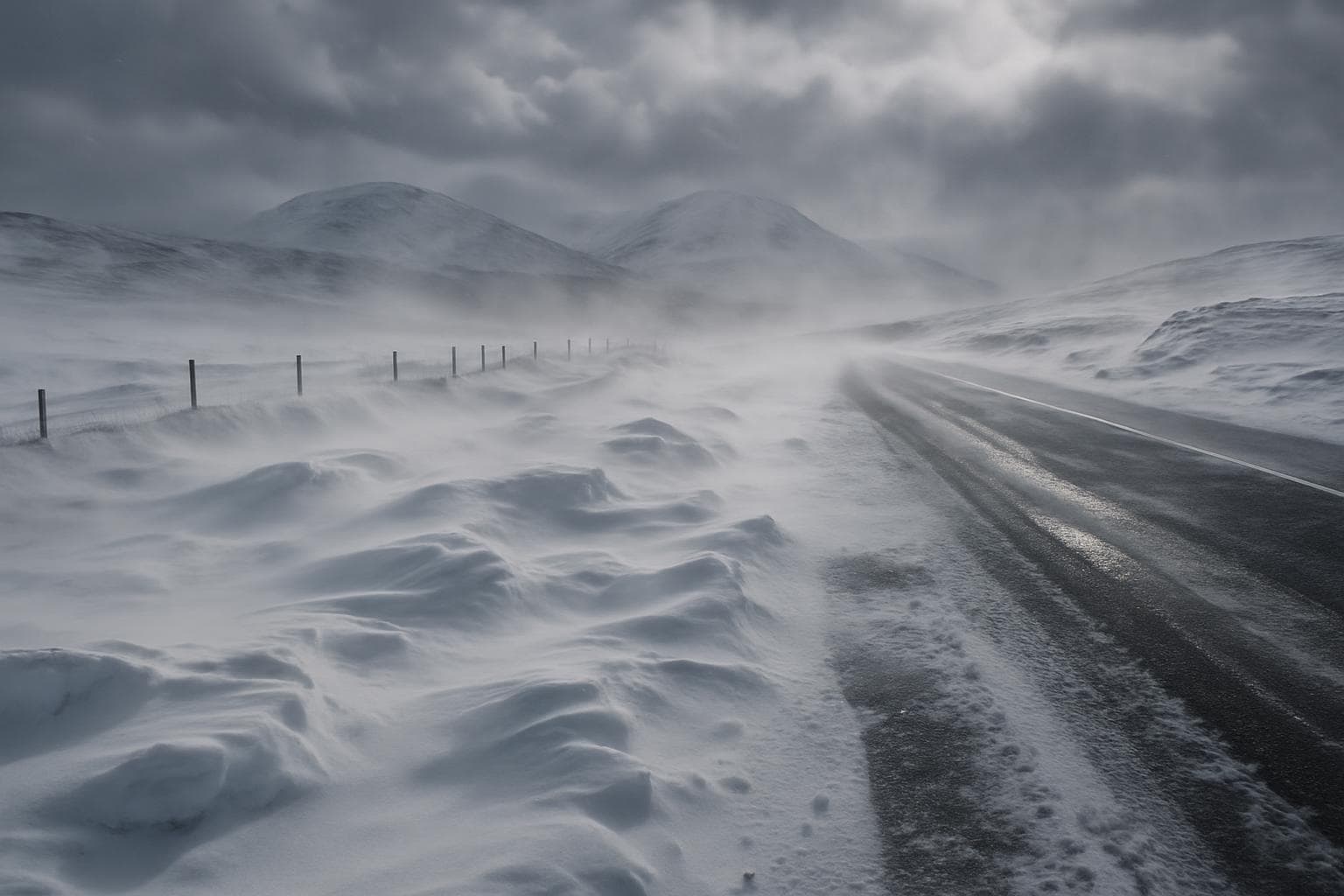
As the UK braces for a severe weather front, the Met Office has issued a yellow warning for snow and ice across parts of Scotland, effective from 6am on New Year's Day until midnight on 2 January. This alert comes as heavy snow showers are predicted to blanket the region, with accumulations of up to 30cm expected on higher ground. Gale-force winds are likely to cause significant drifting, further complicating travel conditions.
Weather Warnings and Expected Conditions
The Met Office's forecast indicates that northern and north-eastern Scotland will be particularly affected, with areas such as the Northern Isles, Hebrides, and parts of Argyll and Bute under the warning. By Friday, low-lying regions could see up to 5cm of snow, while higher elevations might experience up to 30cm. Met Office forecaster Dan Stroud noted, "We're losing this sort of settled but chilly conditions, and bringing in something a little bit more showery with more wintry hazards in the forecast, particularly for the north of the country."
Health Alerts and Risks
Concurrently, the UK Health Security Agency (UKHSA) has issued an amber cold health alert for the North East and North West of England, effective until noon on 5 January. Temperatures in these areas are expected to plummet to -4C, posing significant health risks, especially to the elderly and those with pre-existing conditions. Dr. Agostinho Sousa, head of extreme events and health protection at UKHSA, emphasized the importance of checking on vulnerable individuals, stating, "The forecasted temperatures can have a serious impact on the health of some people, leading to increased risk of heart attacks, strokes, and chest infections."
Impacts on Services and Travel
The severe weather is anticipated to disrupt travel and could lead to staffing challenges in health and social care services. The UKHSA warns of potential impacts on younger populations and increased demand for health services. Additionally, there are concerns about maintaining recommended indoor temperatures in hospitals and care homes, which could exacerbate health risks.
WHAT THIS MIGHT MEAN
As the severe weather conditions unfold, the UK faces potential disruptions across multiple sectors. Travel delays are likely, particularly in the north, where snow and ice could make roads impassable. Health services may experience increased pressure, with a rise in hospital admissions due to cold-related illnesses. The UKHSA's alerts highlight the need for preparedness, urging communities to support vulnerable individuals during this cold snap. Looking ahead, the government and local authorities may need to coordinate efforts to mitigate the impacts on transport and healthcare systems, ensuring resources are allocated effectively to manage the challenges posed by the harsh winter weather.
Related Articles
Saharan Dust to Illuminate UK Skies with Vivid Sunrises and Sunsets
Canada and Australia Forge Strategic Partnership Amid Global Uncertainty

UK Government to Reform Asylum Seeker Support and Employment Policies
Middle East Conflict Drives UK Energy Prices to New Highs

UK Faces Dilemmas Amid Iran Conflict and China Spying Allegations
South West Water Faces Legal Repercussions Over Devon Parasite Outbreak
Severe Weather Warnings Issued Across UK as Heavy Snow and Cold Snap Loom
In This Article
 Leila Hassan| Published
 HIGHLIGHTS
- The Met Office has issued a yellow warning for snow and ice in parts of Scotland from New Year's Day until 2 January.
- Up to 30cm of snow is expected on higher ground, with significant drifting due to gale-force winds.
- An amber cold health alert is in place for North East and North West England until 5 January, with temperatures dropping to -4C.
- The UK Health Security Agency warns of increased health risks, particularly for the elderly and those with pre-existing conditions.
- Travel disruptions and potential impacts on health and social care services are anticipated due to the severe weather.
As the UK braces for a severe weather front, the Met Office has issued a yellow warning for snow and ice across parts of Scotland, effective from 6am on New Year's Day until midnight on 2 January. This alert comes as heavy snow showers are predicted to blanket the region, with accumulations of up to 30cm expected on higher ground. Gale-force winds are likely to cause significant drifting, further complicating travel conditions.
Weather Warnings and Expected Conditions
The Met Office's forecast indicates that northern and north-eastern Scotland will be particularly affected, with areas such as the Northern Isles, Hebrides, and parts of Argyll and Bute under the warning. By Friday, low-lying regions could see up to 5cm of snow, while higher elevations might experience up to 30cm. Met Office forecaster Dan Stroud noted, "We're losing this sort of settled but chilly conditions, and bringing in something a little bit more showery with more wintry hazards in the forecast, particularly for the north of the country."
Health Alerts and Risks
Concurrently, the UK Health Security Agency (UKHSA) has issued an amber cold health alert for the North East and North West of England, effective until noon on 5 January. Temperatures in these areas are expected to plummet to -4C, posing significant health risks, especially to the elderly and those with pre-existing conditions. Dr. Agostinho Sousa, head of extreme events and health protection at UKHSA, emphasized the importance of checking on vulnerable individuals, stating, "The forecasted temperatures can have a serious impact on the health of some people, leading to increased risk of heart attacks, strokes, and chest infections."
Impacts on Services and Travel
The severe weather is anticipated to disrupt travel and could lead to staffing challenges in health and social care services. The UKHSA warns of potential impacts on younger populations and increased demand for health services. Additionally, there are concerns about maintaining recommended indoor temperatures in hospitals and care homes, which could exacerbate health risks.
WHAT THIS MIGHT MEAN
As the severe weather conditions unfold, the UK faces potential disruptions across multiple sectors. Travel delays are likely, particularly in the north, where snow and ice could make roads impassable. Health services may experience increased pressure, with a rise in hospital admissions due to cold-related illnesses. The UKHSA's alerts highlight the need for preparedness, urging communities to support vulnerable individuals during this cold snap. Looking ahead, the government and local authorities may need to coordinate efforts to mitigate the impacts on transport and healthcare systems, ensuring resources are allocated effectively to manage the challenges posed by the harsh winter weather.
Related Articles
Saharan Dust to Illuminate UK Skies with Vivid Sunrises and Sunsets
Canada and Australia Forge Strategic Partnership Amid Global Uncertainty
UK Government to Reform Asylum Seeker Support and Employment Policies
Middle East Conflict Drives UK Energy Prices to New Highs
UK Faces Dilemmas Amid Iran Conflict and China Spying Allegations
South West Water Faces Legal Repercussions Over Devon Parasite Outbreak