
Historic Will Discovery Reignites Shakespeare Family Legal Drama
In This Article
HIGHLIGHTS
- A 17th-century will, central to a legal dispute over Shakespeare's home, was found after 150 years in the National Archives.
- Thomas Nash's will, dated 1642, controversially bequeathed New Place to his cousin, sparking a family legal battle.
- Shakespeare's daughter Susanna and granddaughter Elizabeth contested Nash's will, citing Shakespeare's original bequest.
- The case reached the Court of Chancery, but Elizabeth Hall eventually retained the property until her death in 1670.
- Dr. Dan Gosling discovered the will while examining unlisted documents, shedding light on Shakespeare's family history.
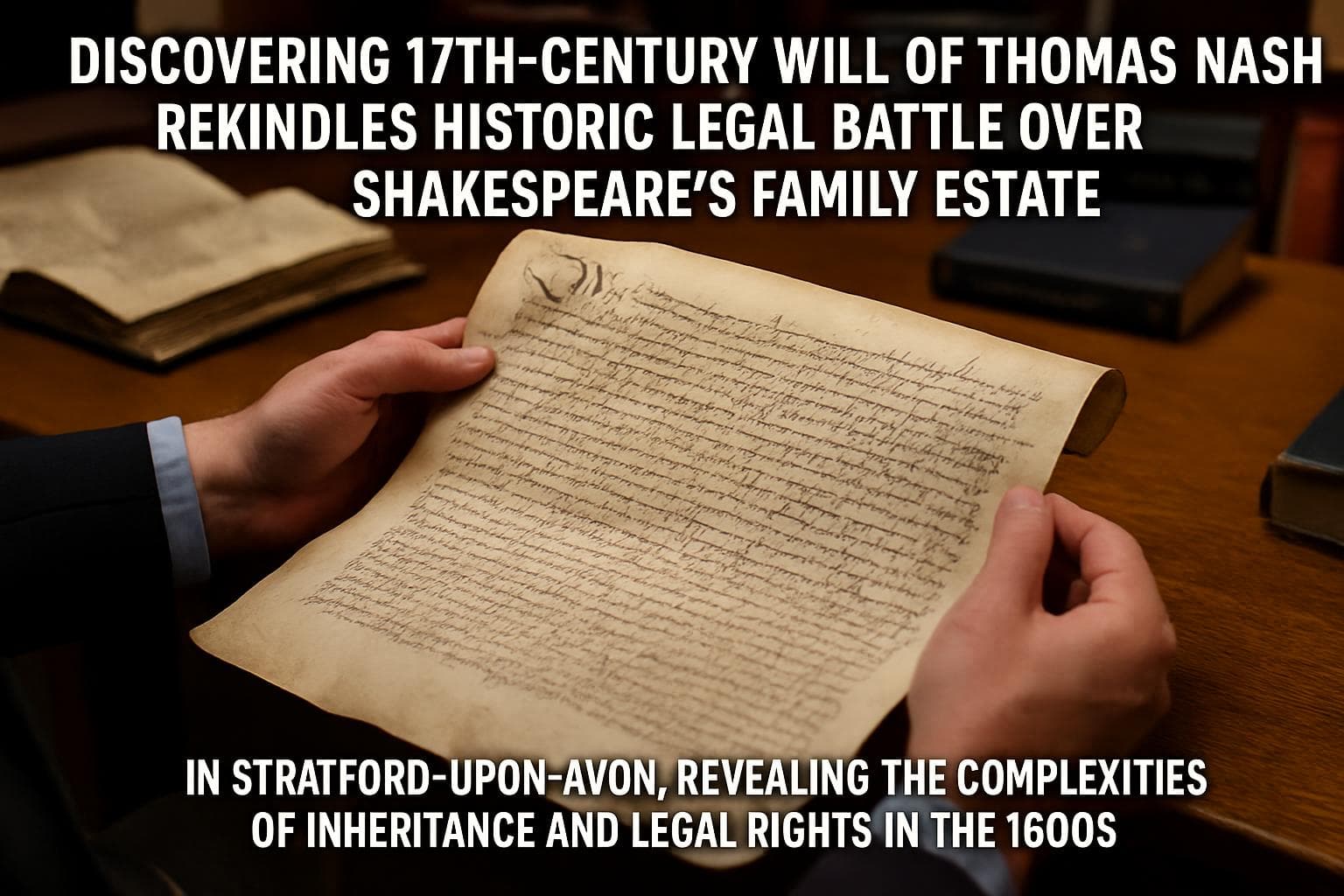
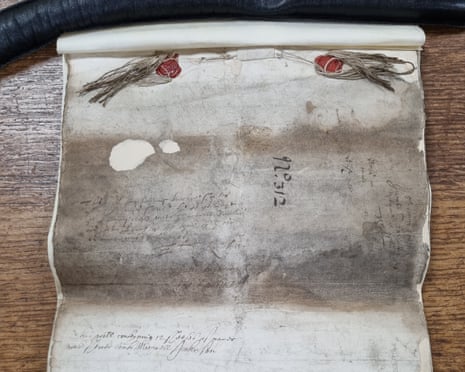
A long-lost 17th-century will, pivotal in a legal battle over William Shakespeare's grand Stratford-upon-Avon residence, has been unearthed after more than 150 years. The document, dated August 25, 1642, was discovered by Dr. Dan Gosling, a historian at The National Archives, while sifting through unlisted boxes of historical deeds.
The Nash Will and Family Dispute
The will was drawn up by Thomas Nash, who was married to Shakespeare's granddaughter, Elizabeth Hall. Despite having no legal right, Nash bequeathed New Place, the second-largest house in Stratford-upon-Avon, to his cousin Edward Nash. This decision sparked a legal dispute, as Shakespeare had originally left the property to his daughter Susanna and granddaughter Elizabeth.
Legal Proceedings in the Court of Chancery
Following Thomas Nash's death in 1647, Susanna and Elizabeth contested the will, asserting their rightful inheritance as per Shakespeare's original testament. Edward Nash, however, pursued the matter in the Court of Chancery, arguing that Elizabeth, as Thomas's widow and executrix, was obligated to honor his will. Elizabeth defended her claim by referencing her grandfather's bequest.
Resolution and Historical Significance
Although the outcome of the court proceedings remains unclear, it appears Edward Nash never gained ownership of New Place. Elizabeth Hall, who later became Lady Barnard, continued to reside there until her death in 1670, marking the end of Shakespeare's direct lineage. Dr. Gosling's discovery of the will not only illuminates a fascinating chapter in the Bard's family history but also underscores the complexities of inheritance and legal rights in the 17th century.
WHAT THIS MIGHT MEAN
The rediscovery of Thomas Nash's will offers fresh insights into the legal intricacies faced by Shakespeare's descendants. This find could prompt further scholarly research into the Bard's family dynamics and property disputes of the era. Additionally, the case highlights the importance of archival preservation and the potential for uncovering historical documents that reshape our understanding of literary figures. As historians delve deeper, more revelations about the Shakespeare family and their legal entanglements may come to light, enriching the narrative of one of history's most celebrated playwrights.
Images from the Web
Related Articles


Historic Will Discovery Reignites Shakespeare Family Legal Drama
In This Article
 Sofia Romano| Published
 HIGHLIGHTS
- A 17th-century will, central to a legal dispute over Shakespeare's home, was found after 150 years in the National Archives.
- Thomas Nash's will, dated 1642, controversially bequeathed New Place to his cousin, sparking a family legal battle.
- Shakespeare's daughter Susanna and granddaughter Elizabeth contested Nash's will, citing Shakespeare's original bequest.
- The case reached the Court of Chancery, but Elizabeth Hall eventually retained the property until her death in 1670.
- Dr. Dan Gosling discovered the will while examining unlisted documents, shedding light on Shakespeare's family history.
A long-lost 17th-century will, pivotal in a legal battle over William Shakespeare's grand Stratford-upon-Avon residence, has been unearthed after more than 150 years. The document, dated August 25, 1642, was discovered by Dr. Dan Gosling, a historian at The National Archives, while sifting through unlisted boxes of historical deeds.
The Nash Will and Family Dispute
The will was drawn up by Thomas Nash, who was married to Shakespeare's granddaughter, Elizabeth Hall. Despite having no legal right, Nash bequeathed New Place, the second-largest house in Stratford-upon-Avon, to his cousin Edward Nash. This decision sparked a legal dispute, as Shakespeare had originally left the property to his daughter Susanna and granddaughter Elizabeth.
Legal Proceedings in the Court of Chancery
Following Thomas Nash's death in 1647, Susanna and Elizabeth contested the will, asserting their rightful inheritance as per Shakespeare's original testament. Edward Nash, however, pursued the matter in the Court of Chancery, arguing that Elizabeth, as Thomas's widow and executrix, was obligated to honor his will. Elizabeth defended her claim by referencing her grandfather's bequest.
Resolution and Historical Significance
Although the outcome of the court proceedings remains unclear, it appears Edward Nash never gained ownership of New Place. Elizabeth Hall, who later became Lady Barnard, continued to reside there until her death in 1670, marking the end of Shakespeare's direct lineage. Dr. Gosling's discovery of the will not only illuminates a fascinating chapter in the Bard's family history but also underscores the complexities of inheritance and legal rights in the 17th century.
WHAT THIS MIGHT MEAN
The rediscovery of Thomas Nash's will offers fresh insights into the legal intricacies faced by Shakespeare's descendants. This find could prompt further scholarly research into the Bard's family dynamics and property disputes of the era. Additionally, the case highlights the importance of archival preservation and the potential for uncovering historical documents that reshape our understanding of literary figures. As historians delve deeper, more revelations about the Shakespeare family and their legal entanglements may come to light, enriching the narrative of one of history's most celebrated playwrights.
Images from the Web