
South Australia's Algal Bloom Crisis Sparks Debate Over Natural Disaster Status
In This Article
HIGHLIGHTS
- South Australia's algal bloom crisis has been declared a "natural disaster" by the state premier, but not by the federal government.
- The algal bloom, which began in March, has killed over 13,800 marine animals and affected more than 400 species.
- A federal assistance package of A$14 million has been announced, matched by the South Australian government for cleanup and support.
- The federal government has not declared the event a natural disaster, citing it does not meet the legal definition.
- The crisis is linked to climate change factors such as ocean warming and nutrient pollution, raising concerns about future environmental impacts.
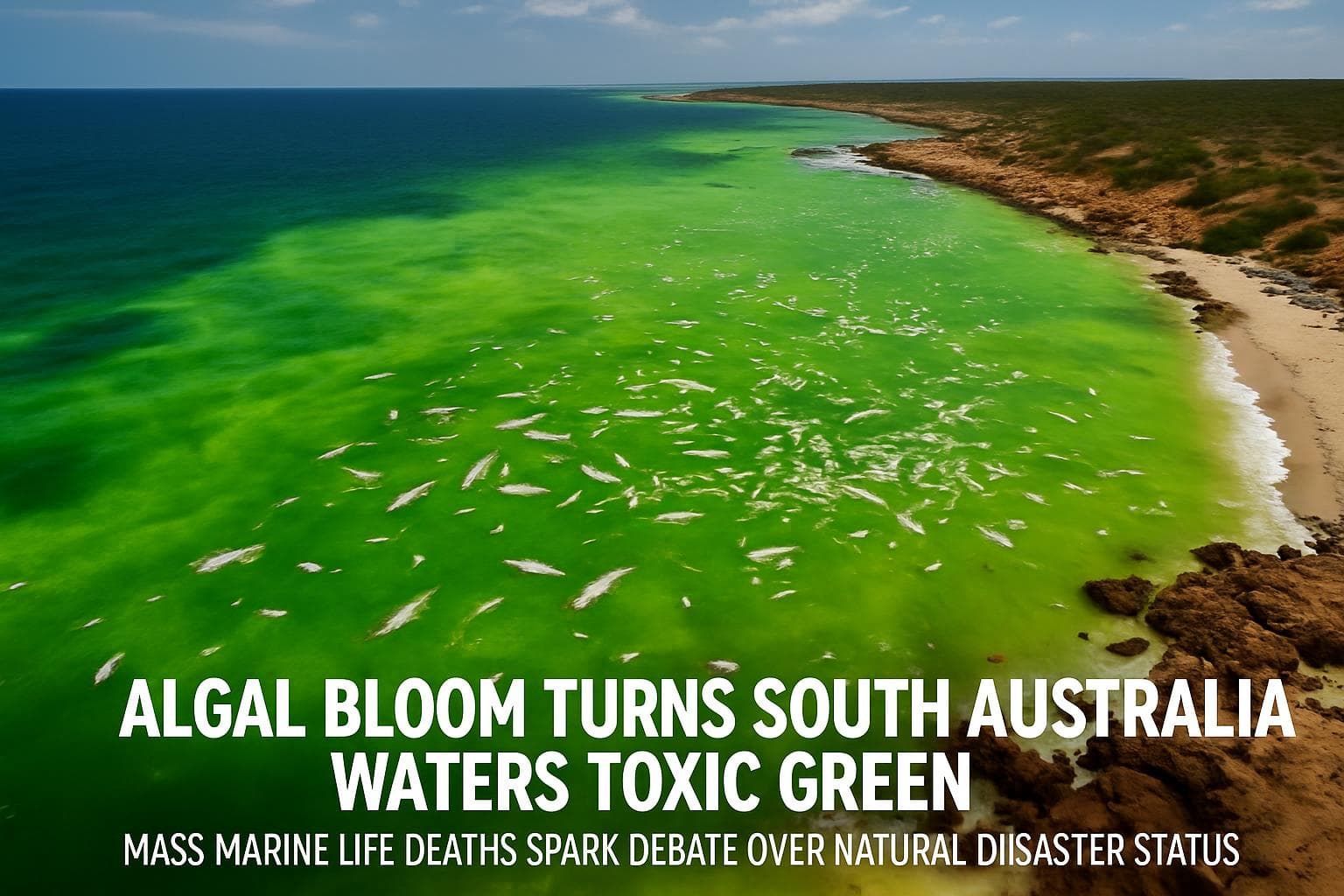
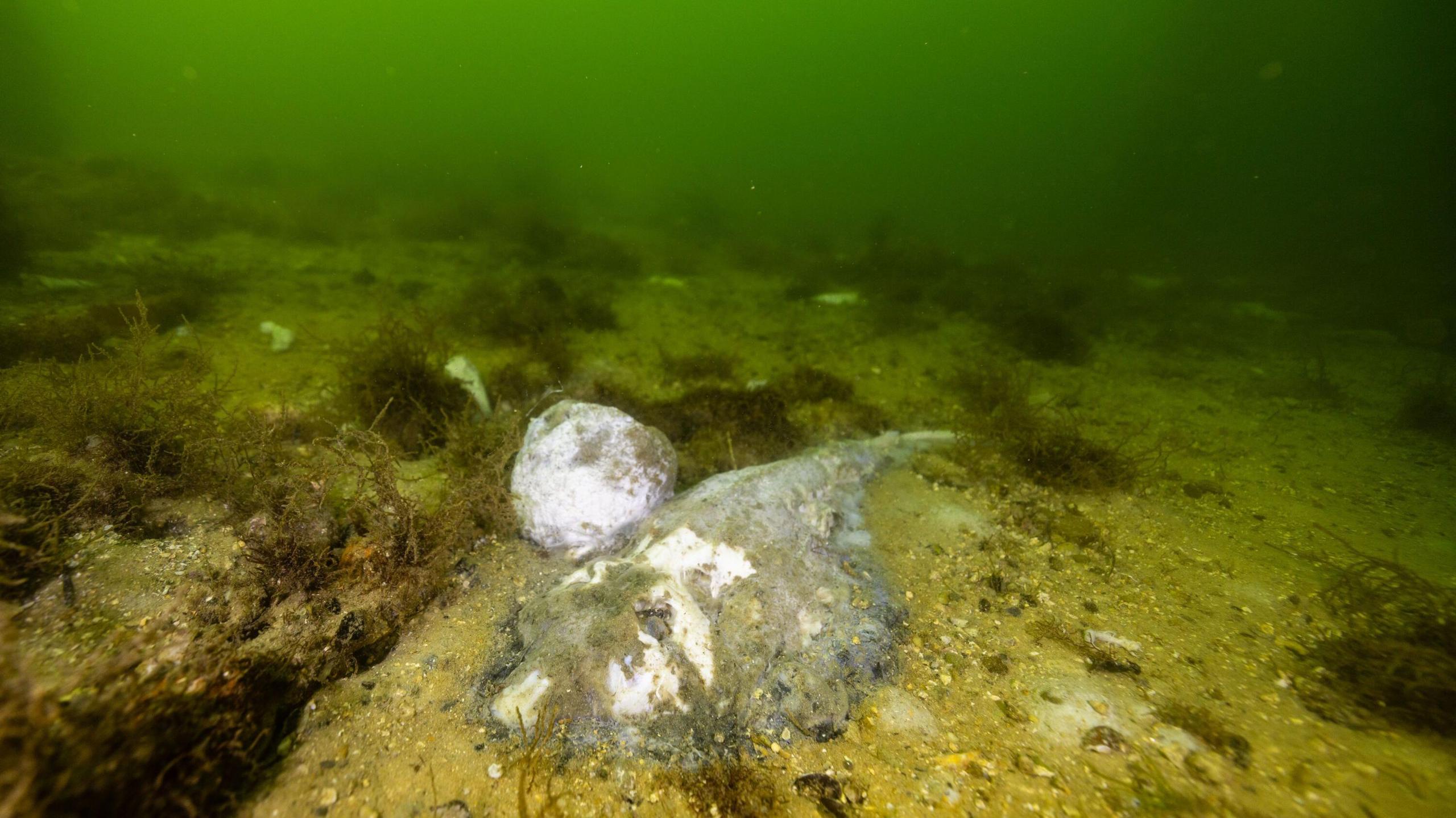
South Australia's pristine waters have been overtaken by a catastrophic algal bloom, prompting the state premier to label it a "natural disaster." The bloom, which has turned the waters toxic green, has resulted in the deaths of over 13,800 marine animals and impacted more than 400 species since it began spreading in March. Despite the severity, the federal government has refrained from declaring it a natural disaster, a designation typically reserved for events like cyclones and bushfires.
Government Response and Funding
In response to the crisis, the federal government announced an assistance package of A$14 million, which the South Australian government has pledged to match. The funds are intended for research, cleanup efforts, and support for affected industries. However, federal Environment Minister Murray Watt stated that the event does not meet the criteria for a natural disaster under current laws. This stance has drawn criticism from local politicians and environmental groups who argue that the situation demands a more robust response.
Environmental and Economic Impact
The algal bloom, stretching from Coorong to the Yorke Peninsula, has devastated local ecosystems and economies. Fishing industries have been particularly hard hit, with some workers reporting no income for months. Ian Mitchell, a liaison between fishers and retailers, described the emotional toll on the community, noting that many are struggling to cope with the financial losses.
Calls for Broader Recognition
South Australian Premier Peter Malinauskas and Greens Senator Sarah Hanson-Young have both called for the federal government to recognize the bloom as a natural disaster. Hanson-Young emphasized the need for a "climate trigger" in national environmental laws, highlighting the broader implications of climate change on such events. The Greens plan to introduce a bill in parliament to address these issues and push for an inquiry into the government's handling of the crisis.
WHAT THIS MIGHT MEAN
The ongoing debate over the algal bloom's classification as a natural disaster underscores the challenges of addressing climate change-induced events within existing legal frameworks. If the federal government revises its criteria, it could set a precedent for future environmental crises, potentially unlocking more resources for affected areas. Experts warn that as climate change continues to alter marine ecosystems, similar events may become more frequent, necessitating proactive measures and policy adjustments. The situation in South Australia serves as a stark reminder of the urgent need for comprehensive strategies to mitigate the impacts of climate change on both the environment and local communities.
Images from the Web
Related Articles
Suspect Identified in Disappearance of Four-Year-Old Gus Lamont in South Australian Outback
Record Heatwave Fuels Emergency-Level Fires in Victoria, Australia
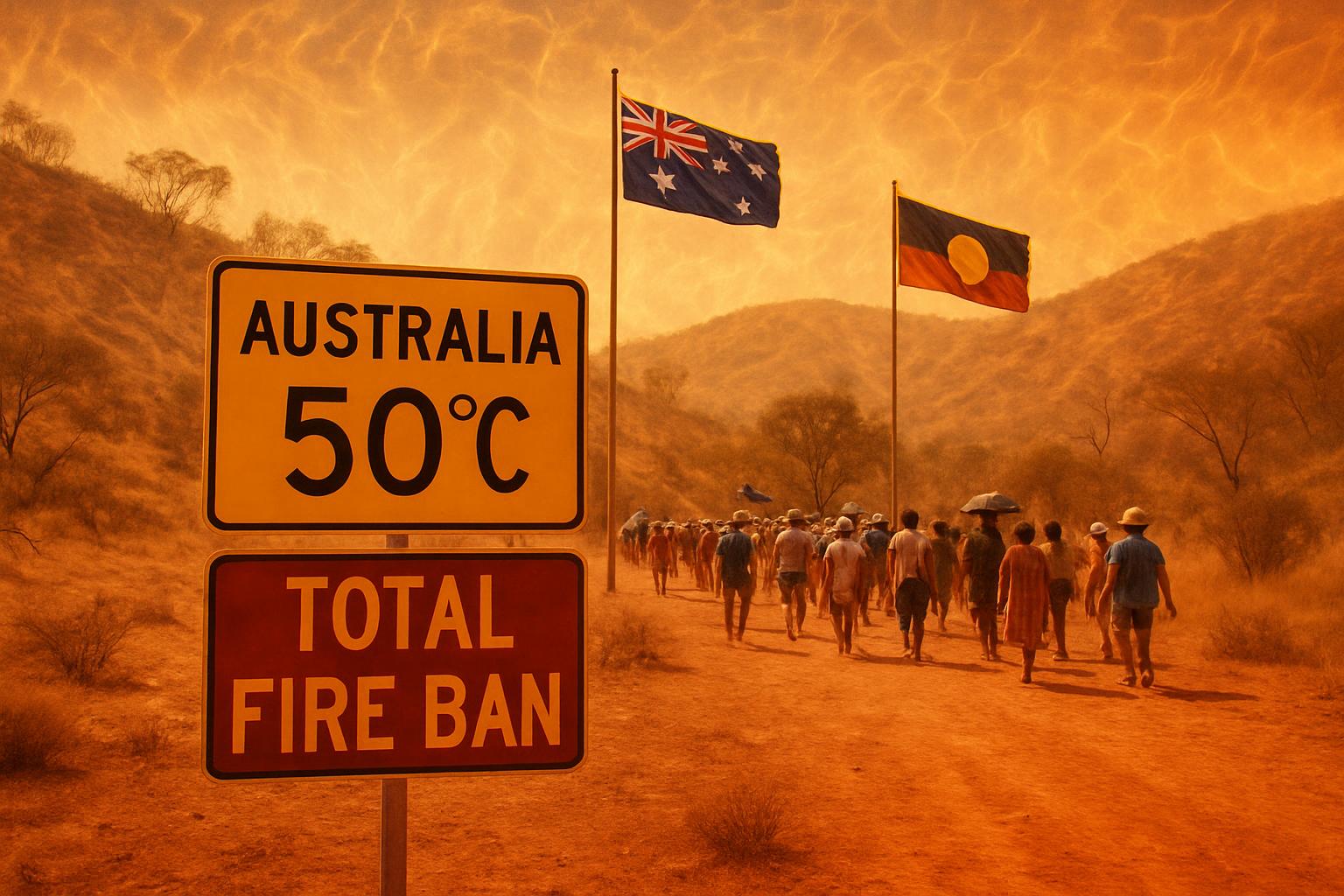
Australia Braces for Record-Breaking Heatwave Amid National Day Celebrations
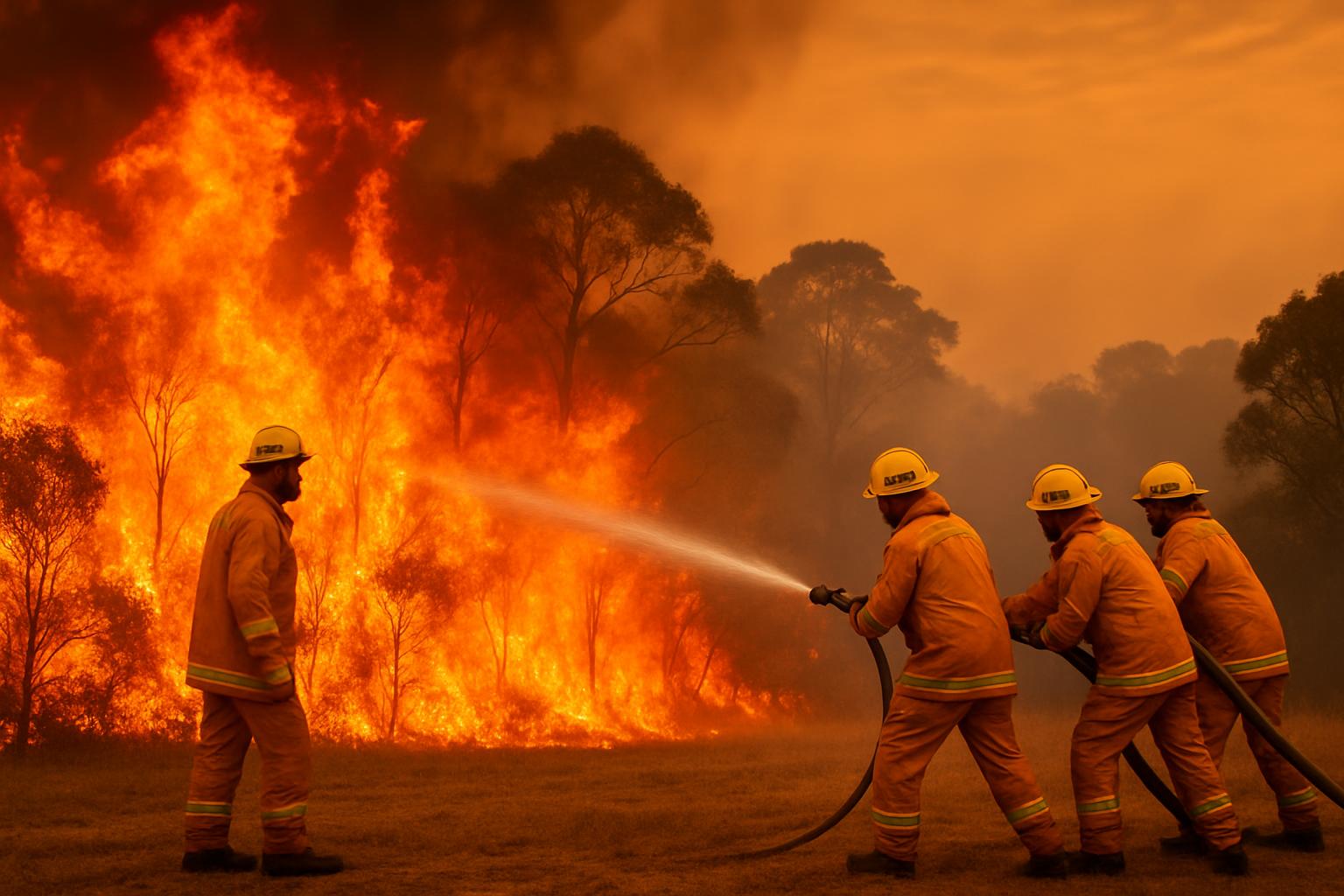
Catastrophic Bushfire Conditions Grip Victoria Amid Record Heatwave
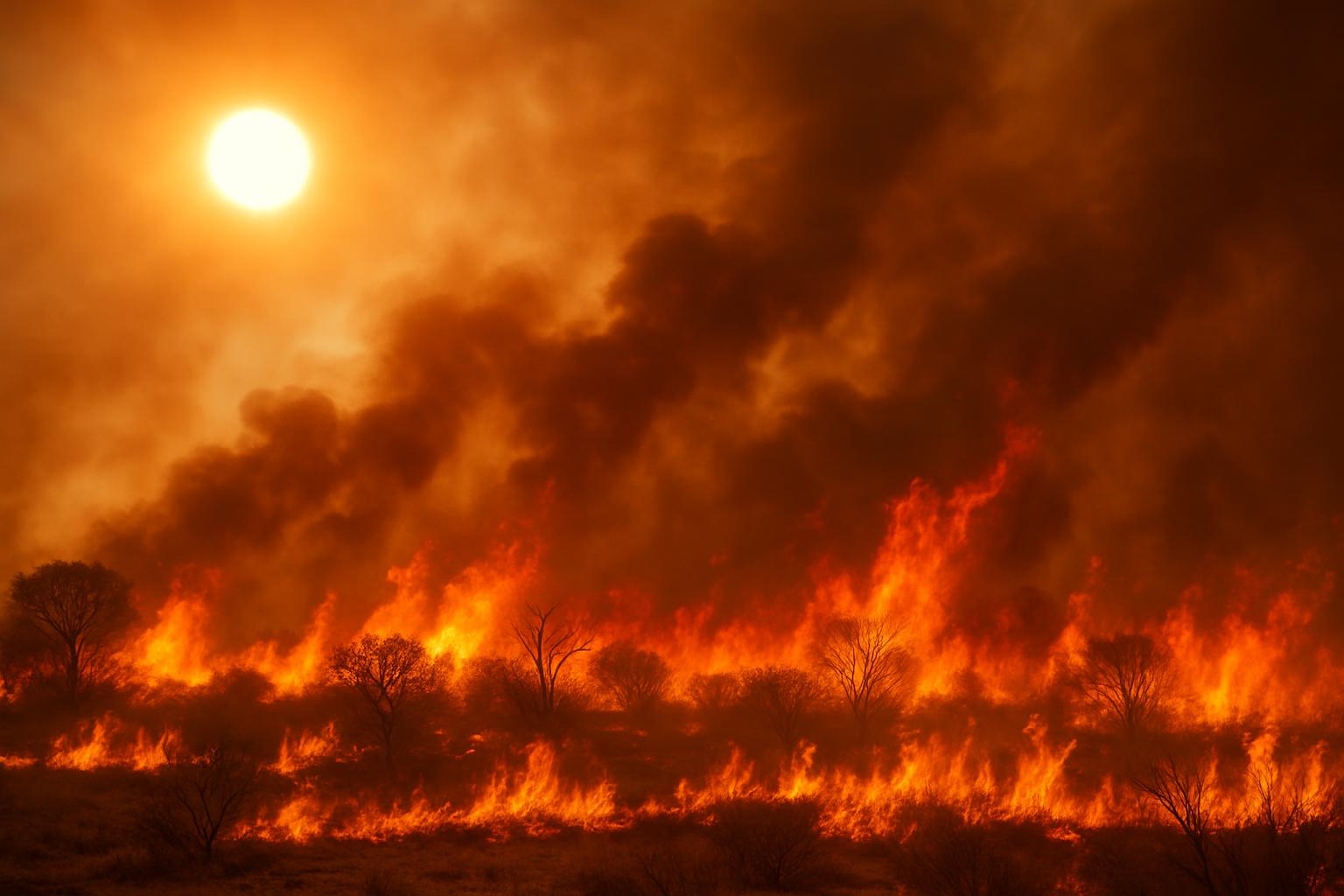
Australia Braces for Catastrophic Fire Conditions Amid Severe Heatwave

NSW Moves to Tighten Gun Laws and Restrict Protests Amidst Bondi Shooting Aftermath
South Australia's Algal Bloom Crisis Sparks Debate Over Natural Disaster Status
In This Article
 Leila Hassan| Published
 HIGHLIGHTS
- South Australia's algal bloom crisis has been declared a "natural disaster" by the state premier, but not by the federal government.
- The algal bloom, which began in March, has killed over 13,800 marine animals and affected more than 400 species.
- A federal assistance package of A$14 million has been announced, matched by the South Australian government for cleanup and support.
- The federal government has not declared the event a natural disaster, citing it does not meet the legal definition.
- The crisis is linked to climate change factors such as ocean warming and nutrient pollution, raising concerns about future environmental impacts.
South Australia's pristine waters have been overtaken by a catastrophic algal bloom, prompting the state premier to label it a "natural disaster." The bloom, which has turned the waters toxic green, has resulted in the deaths of over 13,800 marine animals and impacted more than 400 species since it began spreading in March. Despite the severity, the federal government has refrained from declaring it a natural disaster, a designation typically reserved for events like cyclones and bushfires.
Government Response and Funding
In response to the crisis, the federal government announced an assistance package of A$14 million, which the South Australian government has pledged to match. The funds are intended for research, cleanup efforts, and support for affected industries. However, federal Environment Minister Murray Watt stated that the event does not meet the criteria for a natural disaster under current laws. This stance has drawn criticism from local politicians and environmental groups who argue that the situation demands a more robust response.
Environmental and Economic Impact
The algal bloom, stretching from Coorong to the Yorke Peninsula, has devastated local ecosystems and economies. Fishing industries have been particularly hard hit, with some workers reporting no income for months. Ian Mitchell, a liaison between fishers and retailers, described the emotional toll on the community, noting that many are struggling to cope with the financial losses.
Calls for Broader Recognition
South Australian Premier Peter Malinauskas and Greens Senator Sarah Hanson-Young have both called for the federal government to recognize the bloom as a natural disaster. Hanson-Young emphasized the need for a "climate trigger" in national environmental laws, highlighting the broader implications of climate change on such events. The Greens plan to introduce a bill in parliament to address these issues and push for an inquiry into the government's handling of the crisis.
WHAT THIS MIGHT MEAN
The ongoing debate over the algal bloom's classification as a natural disaster underscores the challenges of addressing climate change-induced events within existing legal frameworks. If the federal government revises its criteria, it could set a precedent for future environmental crises, potentially unlocking more resources for affected areas. Experts warn that as climate change continues to alter marine ecosystems, similar events may become more frequent, necessitating proactive measures and policy adjustments. The situation in South Australia serves as a stark reminder of the urgent need for comprehensive strategies to mitigate the impacts of climate change on both the environment and local communities.
Images from the Web
Related Articles
Suspect Identified in Disappearance of Four-Year-Old Gus Lamont in South Australian Outback
Record Heatwave Fuels Emergency-Level Fires in Victoria, Australia
Australia Braces for Record-Breaking Heatwave Amid National Day Celebrations
Catastrophic Bushfire Conditions Grip Victoria Amid Record Heatwave
Australia Braces for Catastrophic Fire Conditions Amid Severe Heatwave
NSW Moves to Tighten Gun Laws and Restrict Protests Amidst Bondi Shooting Aftermath