
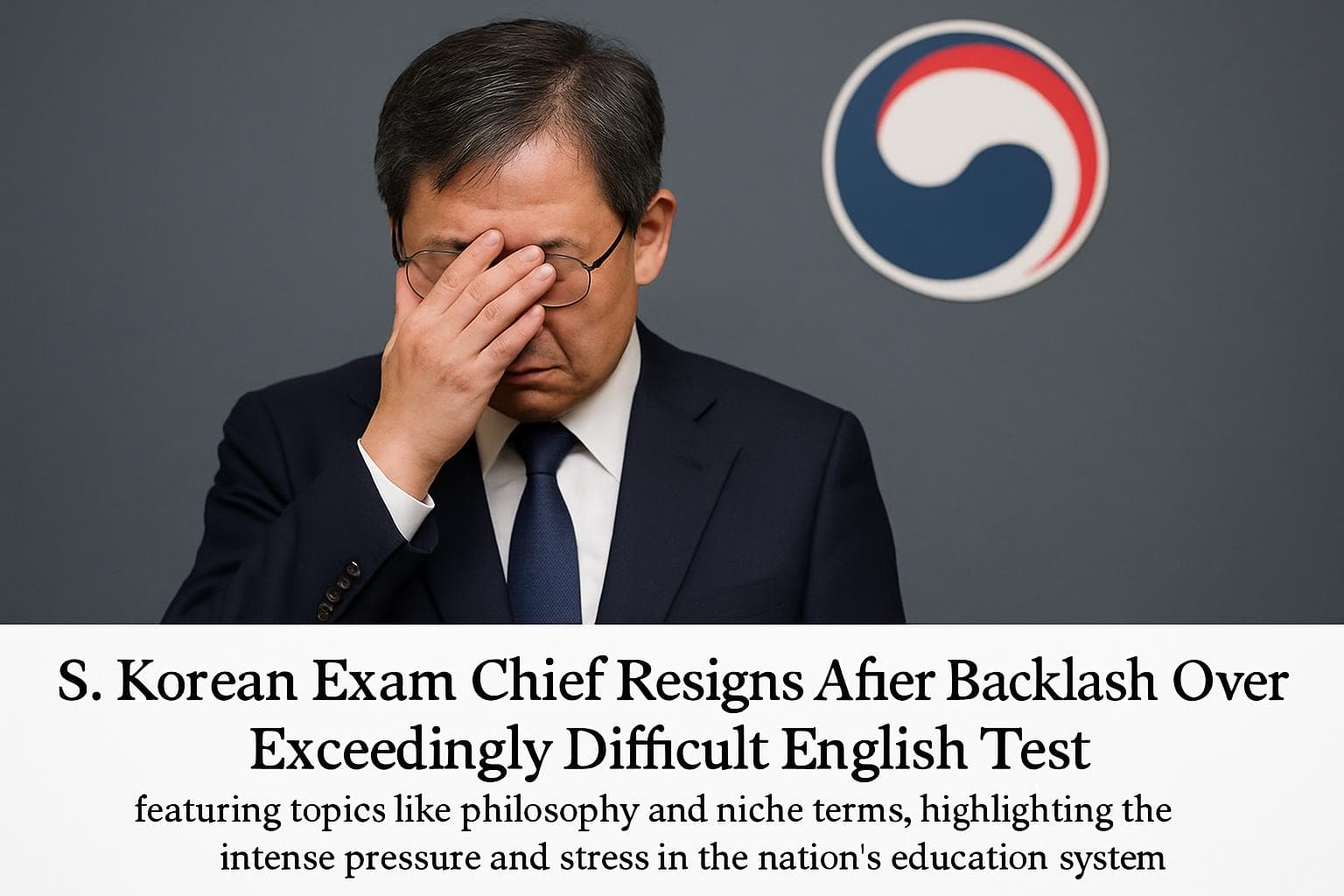
South Korea's Exam Chief Resigns Amid Controversy Over English Test Difficulty
In This Article
HIGHLIGHTS
- Oh Seung-geol resigned as the chief of South Korea's college entrance exam due to backlash over the English test's difficulty.
- The English section of the Suneung exam saw only 3% of students achieving top scores, the lowest since 2018.
- Criticized questions included topics on Immanuel Kant's philosophy and the concept of avatars in video games.
- The term "culturtainment" used in the test was deemed confusing and not in common English usage.
- South Korea's education system faces scrutiny for its intense pressure on students, linked to high rates of teenage depression.
The chief architect of South Korea's rigorous college entrance exam, known as the Suneung, has stepped down following widespread criticism over the English section's challenging nature. Oh Seung-geol, who led the Korea Institute for Curriculum and Evaluation, resigned after acknowledging the test's failure to meet appropriate difficulty levels, sparking confusion and concern among students and parents.
Exam Difficulty Sparks Outcry
This year's English test, a crucial component of the Suneung, saw only 3% of students achieving the highest grade, marking the lowest success rate since the introduction of absolute grading in 2018. The exam, which is pivotal for gaining admission to prestigious universities and is seen as a gateway to social mobility, included questions on complex topics such as Immanuel Kant's philosophy and the nature of avatars in video games. These questions were criticized for their convoluted wording, with one student describing the experience as "maddeningly confusing."
Controversial Content and Public Reaction
Among the contentious elements was the inclusion of the term "culturtainment," which even the academic who coined it found surprising. Stuart Moss, a senior lecturer at Leeds Beckett University, expressed his astonishment, noting that the term is not widely used in English. The backlash reflects broader concerns about South Korea's education system, where the intense pressure on students is often linked to high rates of teenage depression and suicide.
Institutional Response and Apology
In response to the uproar, the Korea Institute for Curriculum and Evaluation issued an apology, admitting that the test did not align with the principles of absolute evaluation and failed to reduce students' academic burden. The agency also expressed regret for the confusion caused during the college entrance exam process.
WHAT THIS MIGHT MEAN
The resignation of Oh Seung-geol may prompt a reevaluation of the Suneung exam's structure and content, potentially leading to reforms aimed at reducing student stress. Educational authorities might consider simplifying the test to better align with practical language skills rather than abstract concepts. This controversy could also fuel ongoing debates about the pressures within South Korea's education system, possibly influencing future policy changes to address student well-being and mental health. As the nation grapples with these issues, stakeholders may push for a more balanced approach to education that prioritizes holistic development over rote learning.
Related Articles

George Osborne Joins OpenAI to Lead Global AI Government Partnerships
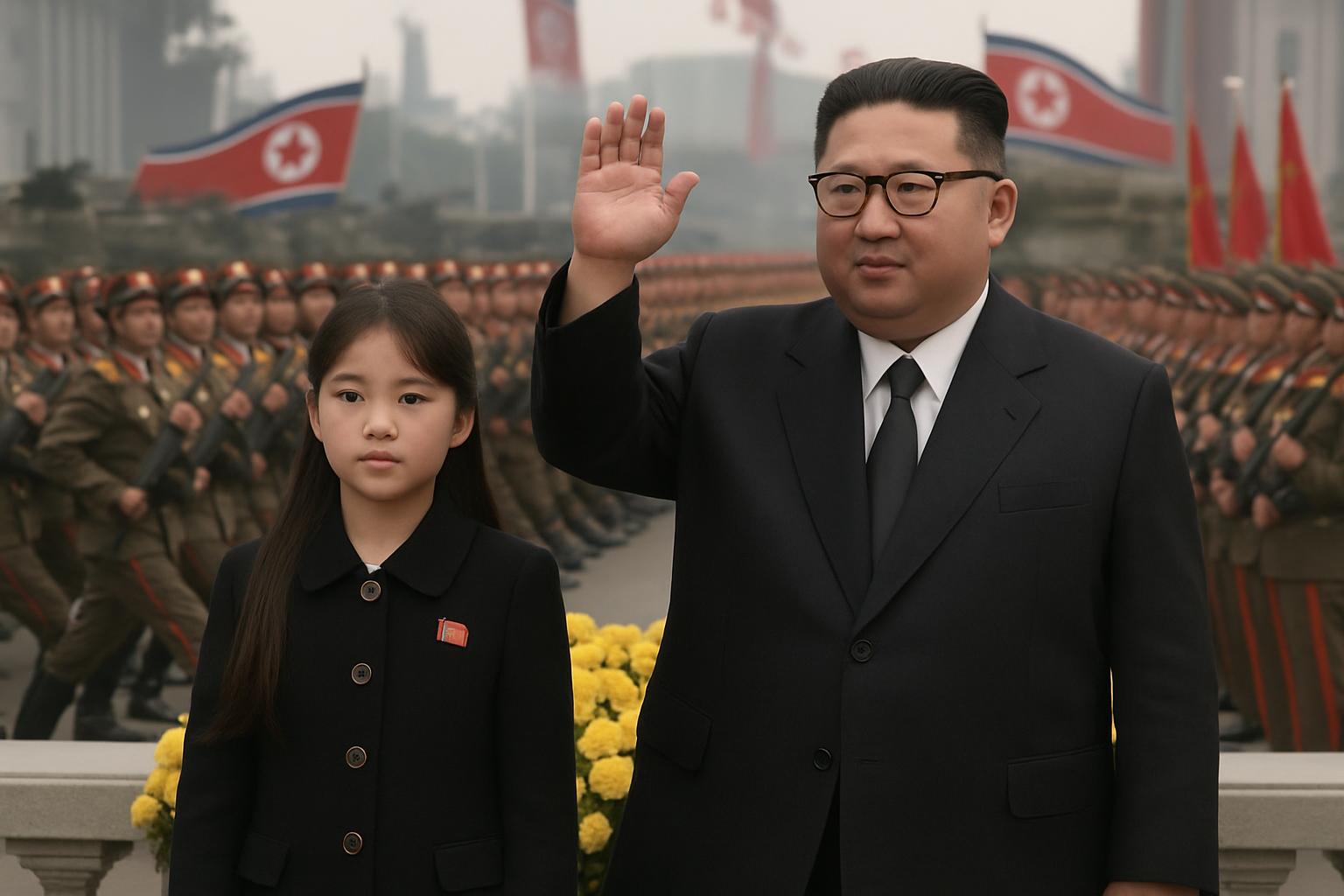
Kim Jong Un's Daughter Poised as North Korea's Future Leader, South Korean Intelligence Suggests

Labour's Push for Closer EU Ties Sparks Debate
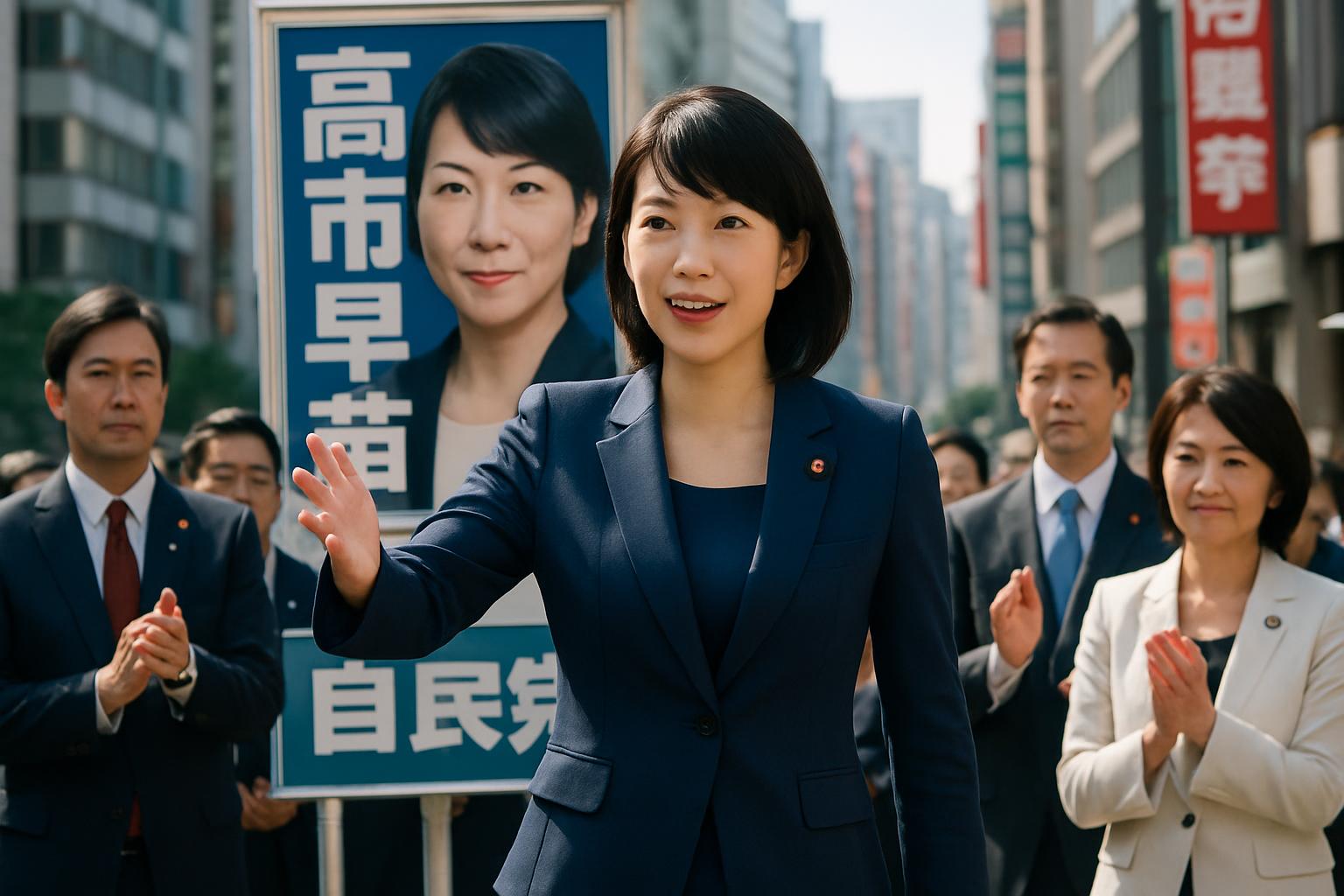
Sanae Takaichi's Snap Election Gamble: Will Japan's First Female Prime Minister Secure a Landslide Victory?

Gold and Silver Prices Plummet Amid Market Volatility
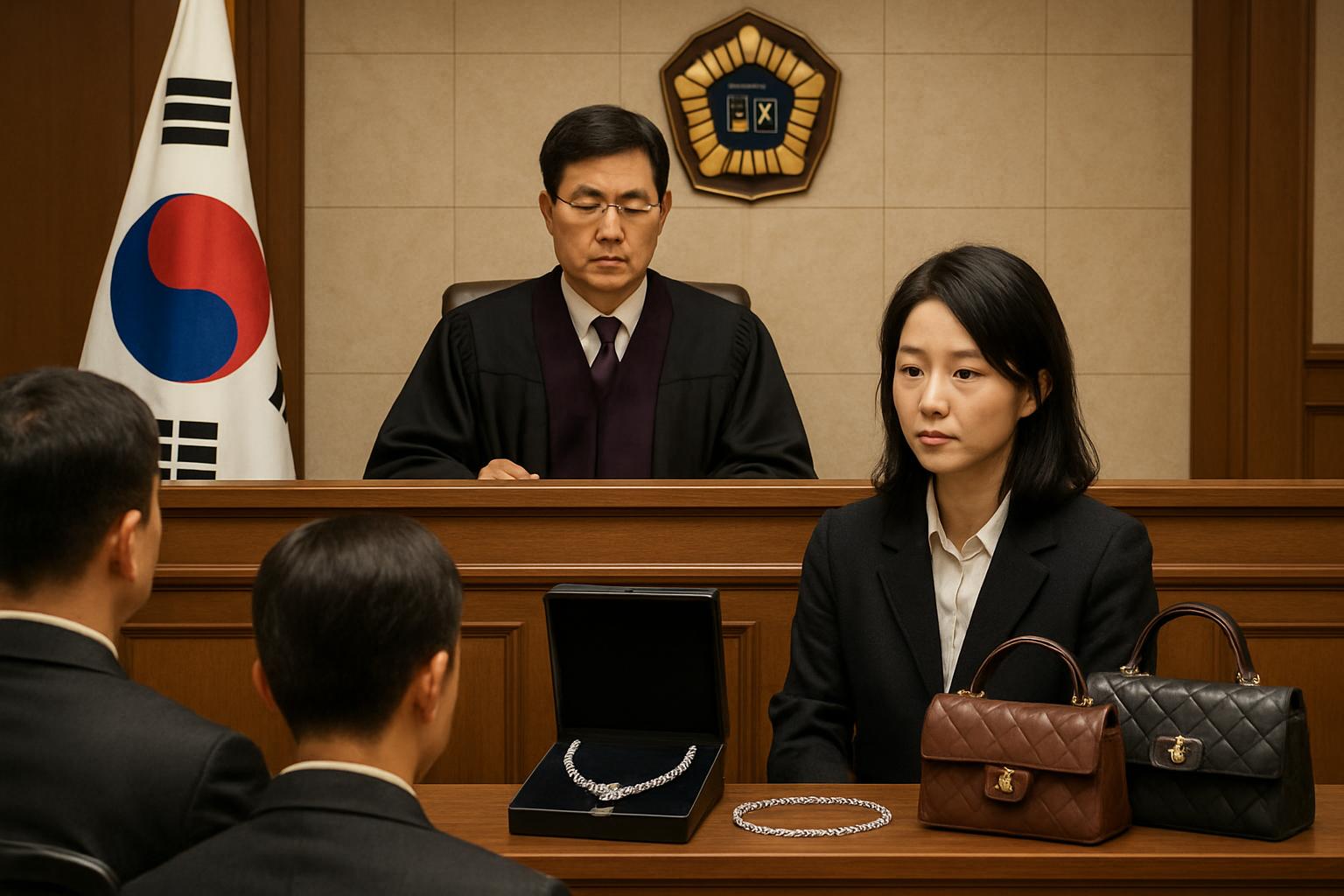
South Korea's Former First Lady Sentenced for Bribery Amid Political Turmoil
South Korea's Exam Chief Resigns Amid Controversy Over English Test Difficulty
In This Article
 Aya Nakamura| Published
 HIGHLIGHTS
- Oh Seung-geol resigned as the chief of South Korea's college entrance exam due to backlash over the English test's difficulty.
- The English section of the Suneung exam saw only 3% of students achieving top scores, the lowest since 2018.
- Criticized questions included topics on Immanuel Kant's philosophy and the concept of avatars in video games.
- The term "culturtainment" used in the test was deemed confusing and not in common English usage.
- South Korea's education system faces scrutiny for its intense pressure on students, linked to high rates of teenage depression.
The chief architect of South Korea's rigorous college entrance exam, known as the Suneung, has stepped down following widespread criticism over the English section's challenging nature. Oh Seung-geol, who led the Korea Institute for Curriculum and Evaluation, resigned after acknowledging the test's failure to meet appropriate difficulty levels, sparking confusion and concern among students and parents.
Exam Difficulty Sparks Outcry
This year's English test, a crucial component of the Suneung, saw only 3% of students achieving the highest grade, marking the lowest success rate since the introduction of absolute grading in 2018. The exam, which is pivotal for gaining admission to prestigious universities and is seen as a gateway to social mobility, included questions on complex topics such as Immanuel Kant's philosophy and the nature of avatars in video games. These questions were criticized for their convoluted wording, with one student describing the experience as "maddeningly confusing."
Controversial Content and Public Reaction
Among the contentious elements was the inclusion of the term "culturtainment," which even the academic who coined it found surprising. Stuart Moss, a senior lecturer at Leeds Beckett University, expressed his astonishment, noting that the term is not widely used in English. The backlash reflects broader concerns about South Korea's education system, where the intense pressure on students is often linked to high rates of teenage depression and suicide.
Institutional Response and Apology
In response to the uproar, the Korea Institute for Curriculum and Evaluation issued an apology, admitting that the test did not align with the principles of absolute evaluation and failed to reduce students' academic burden. The agency also expressed regret for the confusion caused during the college entrance exam process.
WHAT THIS MIGHT MEAN
The resignation of Oh Seung-geol may prompt a reevaluation of the Suneung exam's structure and content, potentially leading to reforms aimed at reducing student stress. Educational authorities might consider simplifying the test to better align with practical language skills rather than abstract concepts. This controversy could also fuel ongoing debates about the pressures within South Korea's education system, possibly influencing future policy changes to address student well-being and mental health. As the nation grapples with these issues, stakeholders may push for a more balanced approach to education that prioritizes holistic development over rote learning.
Related Articles
George Osborne Joins OpenAI to Lead Global AI Government Partnerships
Kim Jong Un's Daughter Poised as North Korea's Future Leader, South Korean Intelligence Suggests
Labour's Push for Closer EU Ties Sparks Debate
Sanae Takaichi's Snap Election Gamble: Will Japan's First Female Prime Minister Secure a Landslide Victory?
Gold and Silver Prices Plummet Amid Market Volatility
South Korea's Former First Lady Sentenced for Bribery Amid Political Turmoil